Did you know puppies lose 28 baby teeth before getting their permanent ones? This time can be tough for both puppies and their owners. It’s important to find puppy teething solutions to keep your home safe and your furniture intact.
Knowing this stage is normal helps you prepare. By using the right puppy teething solutions, you can guide your puppy’s energy to safe places. This way, your pet stays happy and your home stays in order.
Key Takeaways
- Recognize that losing baby teeth is a normal, temporary developmental stage.
- Identify common signs of discomfort like excessive chewing or irritability.
- Protect your home by providing durable, safe chew toys designed for young dogs.
- Use cold items to help soothe inflamed gums during the transition.
- Maintain a supportive environment to build trust with your growing pet.
Understanding Puppy Teething and Its Importance
Teething is a big step for young dogs as they grow up. It changes how they act and what they need. Seeing chewing as a natural part of growing up helps owners understand it better.
What is Teething?
Puppies are born without teeth. By a few weeks, they get sharp, temporary teeth. These teeth fall out to make room for permanent ones.
This change starts when puppies are three to four months old. The adult teeth coming in can hurt. Understanding this shift helps support them during this time.

Extra 40% Discount on All Orders
Why pay full price for quality? Want the VIP treatment for your pet? Join PetCare+ now to solve the problem of recurring costs with a massive 40% OFF, plus exclusive free gifts and free shipping on every order.
Pet Care Supplies
Mon-Fri 9 AM – 5 PM CST
Common Signs of Teething
Puppies can’t tell us they’re in pain, so they show it in other ways. Look for these signs:
- Excessive mouthing or biting on hands, furniture, and items.
- Being more irritable or restless during play.
- Drooling more or finding small, bloody spots on chew toys.
- Not wanting to eat dry kibble because of sore gums.
Why Teething Matters for Your Puppy’s Development
Teething is more than losing baby teeth. It’s key for dental health later on. If a puppy doesn’t chew safely, they might chew badly as adults.
Offering safe chew toys helps your puppy. Supporting your puppy through this time builds trust. It also helps them develop good habits for life.
The Teething Timeline for Puppies
The journey of dental development in young dogs is fascinating. Knowing this timeline helps you support your puppy during a tough time.
When Do Puppies Start Teething?
Puppies start teething around three to four months old. You might see them chewing on furniture or items. This is because they feel new teeth coming in.
Teething Phases and Duration
The process has different stages. First, incisors fall out and are replaced. Then, canines and premolars come in over weeks.
This is the chewiest time. Your puppy is trying to ease the pain of new teeth. Giving them things to chew on is key to saving your stuff.
Average Age for Teething Completion
By six to eight months old, teething is done. Your puppy should have a full set of adult teeth by then. You’ll see less chewing after this.
Watching your puppy’s dental growth is important. If they still have baby teeth or swelling, see a vet. This ensures their teeth are healthy.
Safe Chew Toys for Teething Puppies
When your puppy starts chewing on everything, finding the right teething toys for puppies is crucial. These toys help protect your furniture and ease sore gums. Choosing quality items provides effective puppy teething solutions that keep your pet happy and safe.
Types of Chew Toys to Consider
Not all toys are good for young puppies. Look for toys made for teething, with textures to soothe gums. Soft rubber and durable nylon are great because they’re tough but gentle on teeth.
Stay away from hard toys like real bones or heavy antlers. They can hurt your puppy’s teeth. Instead, pick toys that are a bit soft but still hold up to chewing. These best puppy teething products are safe and durable.
Benefits of Rubber vs. Rope Toys
Rubber toys are popular for their toughness and flexibility. Many can be frozen to soothe a teething puppy. They’re also easy to clean, making them a good choice for daily use.
Rope toys help clean your dog’s teeth as they chew. But, watch your pet to avoid them swallowing loose threads. This could harm their stomach.
| Material Type | Primary Benefit | Best For | Safety Level |
|---|---|---|---|
| Natural Rubber | Cooling & Durability | Sore Gums | High |
| Cotton Rope | Dental Cleaning | Teeth Scraping | Moderate |
| Nylon | Long-lasting | Aggressive Chewers | High |
Top Recommended Brands
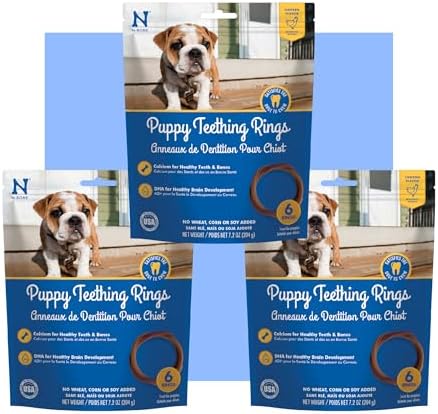
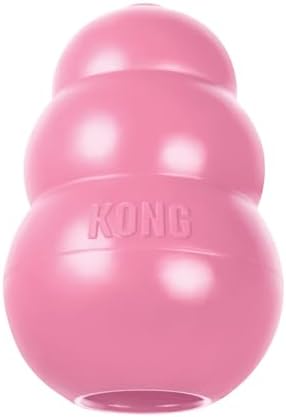
Looking for the best puppy teething products? KONG and Nylabone are top choices. They offer safe and durable toys that keep puppies busy.
Always check the packaging to make sure the toy fits your puppy’s size and age. Buying from trusted brands like KONG and Nylabone ensures safety. Remember, always watch your puppy while they chew.
Homemade Teething Remedies for Puppies
Making your own soothing remedies is a great way to comfort your puppy. It keeps them safe from harmful additives. Many owners find that puppy teething remedies are in their kitchens. Using simple items, you can help your puppy feel better during teething.
DIY Frozen Treats and Chews
Frozen items help numb sore gums and offer immediate relief. You can make teething treats for puppies by freezing chicken broth in ice cube trays. These icy bites cool your puppy’s mouth and distract them from chewing on things they shouldn’t.
Freezing damp, knotted washcloths is another good idea. Soak a clean cloth in water, twist it into a knot, and freeze it. The cold, crunchy texture soothes sore gums naturally.
Natural Ingredients to Use
Choosing natural puppy teething solutions means picking safe ingredients. Plain, unsweetened yogurt is a good base for frozen snacks. It’s gentle on your puppy’s stomach. You can add mashed bananas or blueberries for flavor and nutrients.
Raw carrots are also great for teething pets. A chilled, large carrot massages the gums. Make sure the carrot is big enough that your puppy can’t swallow it whole.
How to Safely Prepare Homemade Remedies
When making these items, safety comes first. Always watch your puppy while they eat their treats. This prevents choking hazards. If using broth, make sure it doesn’t have onions or garlic, which are toxic to dogs.
Introduce new snacks slowly to see how your puppy reacts. Start with small amounts. This way, you can offer safe, effective, and affordable relief for your growing friend.
Teething and Puppy Behavior: What to Expect
Understanding the link between sore gums and puppy behavior is key for a peaceful home. During this stage, your pet goes through big physical changes. These changes often show up as odd or intense actions. Spotting these changes early helps you support them right.
Increased Chewing and Biting
Puppies often chew on anything to ease sore gums. This increased chewing is a natural way for them to cope. It’s not a bad behavior, but a way for them to deal with the pain.
You might see your puppy chewing on furniture, shoes, or even your hands. Giving them safe chew toys is the best way to handle this. Consistency in offering these toys will protect your stuff and meet their chewing needs.
How to Recognize Stressful Signals
Telling if your puppy is just playing or really upset is important. A puppy in pain might show signs of stress like pacing, whining, or trouble settling down. If your puppy seems really restless, they might be in a lot of pain.
Look for body language like tucked tails or too much panting. These signs mean your pet is feeling overwhelmed. Taking care of these needs quickly is key to how to soothe puppy teething well.
Balancing Playtime and Calmness
It’s important to find the right mix of play and rest for a teething puppy. Too much play can make their gums more sensitive, leading to tiredness and more nipping. Adding quiet, soothing activities helps keep things calm.
Learning how to soothe puppy teething means creating a calm space for your puppy. Use the table below to know how to handle common behaviors during this time.
| Behavioral Sign | Potential Cause | Recommended Action |
|---|---|---|
| Excessive Nipping | Gum Pain | Redirect to frozen toy |
| Restlessness | Discomfort | Encourage quiet rest |
| Whining/Pacing | High Stress | Reduce environmental noise |
| Drooling | Teething Pressure | Monitor for oral health |

Effective Training Techniques During Teething
Teething can be tough, but teaching good habits early helps a lot. It might seem like your stuff is being chewed up all the time. But, consistent guidance helps your pet learn what’s okay to chew. Stay calm and proactive to turn this phase into a learning chance.
Reinforcing Good Chewing Behavior
Make the right choice rewarding for your puppy. Praise them when they chew on a toy. This positive association makes toys more appealing than your stuff.
Being consistent is key during this time. Make sure everyone agrees on what’s off-limits. This way, your puppy learns faster.
How to Redirect Chewing
Don’t scold your puppy for chewing the wrong thing. Instead, calmly take it away and give them a toy. This redirection helps them chew on something safe and fun.
“Training is not about punishment; it is about teaching your puppy how to navigate their world safely and confidently.”
If your puppy keeps going back to the wrong thing, try these steps:
- Keep different textures around to keep them interested.
- Use a firm but gentle “no” to signal it’s not for chewing.
- Engage them with a toy that feels different, like a rubber ring or soft rope.
Positive Reinforcement Tips
Positive reinforcement is the best way to shape behavior. Celebrate when your puppy picks their toy over your stuff. Rewarding desired behavior strengthens your bond and encourages good actions.
Keep training sessions short and often to keep your puppy’s attention. Remember, they’re still learning, and patience is your best tool. With time, they’ll prefer their toys over your stuff.
Managing Teething Discomfort
Teething is a big step for puppies, but it can be tough on them. They might feel a lot of pain as their adult teeth come in. It’s important to know when they’re just being a puppy and when they really need help.
Signs Your Puppy Is in Pain
Puppies often show signs of mouth soreness. You might see more drooling, less eating, or them pawing at their mouth. Whining while playing or chewing can also mean they’re in pain.
If your puppy seems tired or cranky, they might be feeling the pain too much. Watching for these signs helps you find the right puppy teething remedies. Make sure they’re still playing and enjoying life.
Over-the-Counter Solutions: What’s Safe?
Looking for ways to help your puppy? Stick to products made for dogs. Many wonder how to soothe puppy teething safely. Never use human pain meds, as they can harm your puppy.
Try using cool toys, like rubber ones from the fridge. They can help numb the pain. Always check dental products for xylitol and other bad stuff.
When to Consult a Veterinarian
Teething can sometimes lead to serious problems. If you see a lot of bleeding, broken teeth, or signs of infection, call your vet. These are not normal signs and could mean a big dental issue.
| Action | Safety Status | Recommendation |
|---|---|---|
| Frozen rubber toys | Safe | Use for cooling relief |
| Human pain medication | Dangerous | Strictly avoid |
| Dental gels | Conditional | Consult your vet first |
| Hard, non-dog chews | Unsafe | Remove immediately |
Keeping your puppy healthy means knowing when to ask for help. A vet visit can stop big dental problems and help your puppy have a happy smile. Your vigilance is key to a smooth transition to adulthood.
The Role of Diet in Puppy Teething
What your puppy eats during teething is key to their dental health and comfort. A proper diet is a foundational element for a healthy adult with strong teeth. Choosing the right foods helps manage their pain and supports their growth.
Nutritional Needs During Teething
Your puppy needs calcium and phosphorus for their permanent teeth. They also need high-quality protein to heal inflamed tissues. Teething treats for puppies can provide these nutrients and soothe their mouth.
Soft Food vs. Hard Food: What’s Best?
There’s a debate on whether soft or hard food is better for teething puppies. Hard kibble can clean teeth but hurts swollen gums. Soft food is gentler but doesn’t clean teeth as well.
Vets often recommend a hybrid approach. Soften dry kibble with warm water or broth. This makes it easier for your puppy to chew without pain.
Recommended Puppy Foods for Optimal Health
Choose a premium puppy formula for your pet’s dental wellness. Look for natural ingredients and avoid fillers. When picking teething treats for puppies, choose soft or digestible options.
Keep your puppy’s diet consistent to maintain energy and immune health. Talk to your vet about the best diet for your breed. A nutrient-dense diet helps your puppy get through teething with less pain.
Creating a Puppy-Friendly Environment
Turning your home into a safe space for your puppy is a smart move. Making changes helps prevent damage and keeps your pet happy. A safe area lets your puppy explore without worry.
Designating Chewing Areas
Setting up special spots for chewing teaches your puppy where it’s okay to chew. Pick a quiet spot or playpen that’s easy to get to but not too busy. This dedicated space makes your puppy feel secure when they want to chew.
Watching your puppy closely in these areas is crucial. Even in safe spots, you need to guide them away from things they shouldn’t chew. Teaching them right from wrong early on helps them grow up well-behaved.
Puppy-Proofing Your Home
Before your puppy starts teething, check your home for dangers. Small things on the floor can be choking hazards if eaten. Also, keep electrical cords and toxic plants out of reach.
Here are some important steps to keep your home safe:
- Use baby gates to block off rooms with fragile items.
- Secure loose wires with cord protectors or cable ties.
- Remove small items like coins, buttons, or children’s toys from the floor.
- Ensure all household cleaners are stored in locked cabinets.
Organizing Chew Toy Stations
Having lots of chew toys is important for keeping your puppy happy and busy. Place the best puppy teething products in baskets or bins in your puppy’s favorite spots. This way, a safe chew option is always ready when needed.
You can also add natural puppy teething solutions like frozen carrots or rubber toys to these stations. Changing these items often keeps your puppy interested and prevents boredom. Organizing these resources well supports your puppy’s growth and keeps your home safe.


The Importance of Socialization During Teething
While your puppy is chewing on everything, it’s important to keep them active socially. Many think a teething puppy should stay home to avoid trouble. But, this time is key for a well-rounded personality.
Benefits of Puppy Playdates
Playdates teach your puppy about boundaries. When they play, they learn to control their bites. If one bites too hard, the other will stop, teaching them to be gentle.
“Socialization is not just about meeting other dogs; it is about learning how to navigate the world with confidence and grace.”
These interactions teach your puppy to use their teeth gently. Playing with others helps them manage their energy, even when their gums hurt.
How Social Interactions Aid Development
Meeting new dogs and places helps your puppy feel stable. A puppy that stays home may feel anxious or scared later. Regular, positive social times keep your dog curious, not reactive.
Socializing also distracts them from the teething pain. Playing with friends means they’re less likely to chew on things they shouldn’t. This balance is key for a happy, well-behaved pet.
Finding Local Puppy Classes
Looking for puppy classes? Choose ones that use positive reinforcement. A good trainer keeps play safe and fun for everyone.
Look for certified trainers or read reviews from other pet owners. Many places offer “puppy socials” to help young dogs feel confident. Spending time in these classes now will help your puppy grow into a confident and social adult dog.
Ongoing Care for Teething Puppies
Looking after your pet’s teeth is more than just during teething. A good routine keeps their smile healthy for years. It’s all about proactive care.
Professional Veterinary Oversight
Make sure to take your dog to the vet regularly. This helps check on their adult teeth. Catching problems early saves your dog from pain and expensive treatments. Your vet will guide you on keeping their gums healthy as they grow.
Tracking Dental Development
Watch how your dog’s mouth changes as they lose baby teeth. Make sure adult teeth come in without any blockages. This lets you spot and fix any crowding or bite issues early on.
Upgrading Your Chew Collection
Switch to tough adult teething toys once their permanent teeth are in. KONG or Nylabone are great for strong jaws. The right toys help them chew naturally, saving your stuff.
Good care leads to a happy life for your dog. Share your favorite dental products or talk to your vet about a wellness plan.
Off like a Rocket? What to Do When Your Puppy Ignores Your Call?
The Problem
When your puppy ignores your command to come back, it’s not because they are stubborn. It’s because the world is brand new, and everything else is more exciting than your voice—a dangerous habit that can put their safety at risk during these critical growth months.
The Solution
Building a bulletproof, reliable recall early on means making the act of returning to you the ultimate jackpot in your puppy’s mind. You can turn outdoor distractions into training wins, achieving total peace of mind and off-leash freedom for the future.
Discover the Secret to a Perfect Puppy Recall Free