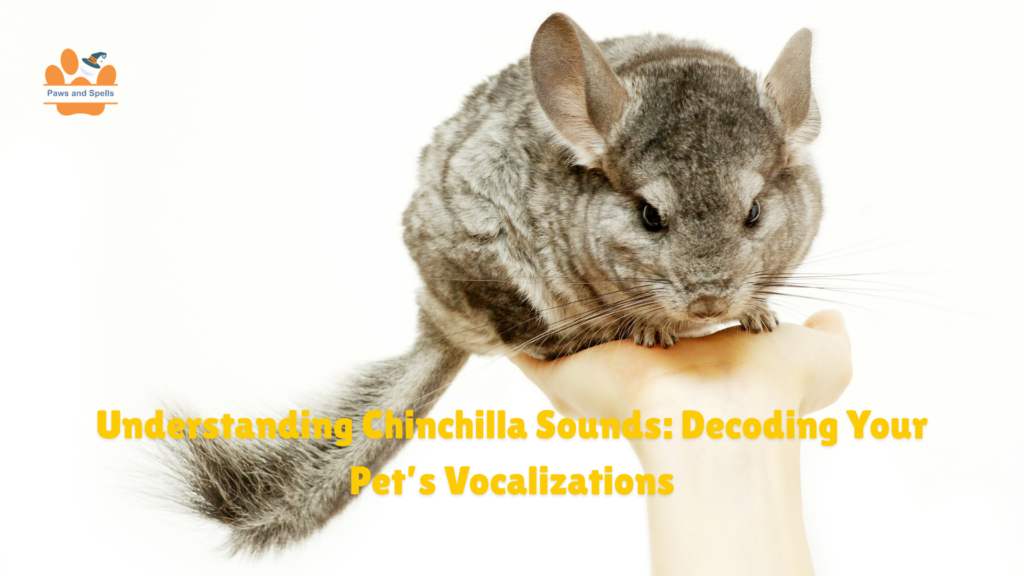
Ever pondered the true cleanliness of your pet’s living space? Despite their low-maintenance nature, chinchillas are highly susceptible to dust and ammonia. Their delicate respiratory systems demand a dust-free, ammonia-free environment.
Adopting a regular cleaning chinchilla cage routine is crucial for your pet’s health. A clean habitat not only prevents harmful bacteria but also keeps odors at bay.
Emphasizing regular maintenance is key to your pet’s well-being. By mastering chinchilla cage cleaning techniques, you can create a sanctuary. This sanctuary supports your pet’s long-term health and happiness.
Key Takeaways
- Consistent hygiene prevents respiratory infections and skin irritation.
- Daily spot checks are essential for removing waste and damp bedding.
- Deep sanitization should occur weekly to eliminate hidden bacteria.
- Use pet-safe supplies to avoid exposing your animal to toxic chemicals.
- A clean environment strengthens the bond between you and your pet.
Why Regular Cleaning is Important for Your Chinchilla
Regular chinchilla cage maintenance is crucial for preventing health issues. The ASPCA emphasizes that a clean environment is vital for pets’ health and well-being, including chinchillas. A dirty cage can harbor harmful bacteria, fungi, and pathogens, leading to serious health problems.
Benefits of a Clean Cage
A clean cage offers numerous benefits for your chinchilla. It helps in preventing health issues such as respiratory problems and skin infections, common in dirty environments. A clean cage also reduces odors, enhancing your pet’s living space comfort.
The American Society for the Prevention of Cruelty to Animals (ASPCA) stresses the importance of a clean environment for pets’ health. This highlights the critical role of regular cage cleaning in maintaining your chinchilla’s health.
Health Risks of Neglect
Neglecting to clean your chinchilla’s cage can lead to serious health risks. A dirty cage can cause respiratory infections, skin conditions, and other health issues due to waste and bacteria accumulation. For instance, respiratory problems are common in chinchillas exposed to dirty environments.
- Respiratory infections
- Skin conditions
- Other health issues due to bacterial and fungal growth
Behavioral Impact on Chinchillas
A clean cage benefits your chinchilla’s physical health and behavior. Chinchillas are sensitive, and a dirty environment can cause them significant stress. Maintaining a clean cage reduces stress and promotes overall well-being.
“A clean and well-maintained environment is crucial for the mental and physical health of chinchillas.”
Regular cleaning and maintenance of your chinchilla’s cage are vital for creating a healthy and happy environment for your pet.
Essential Supplies for Cage Cleaning
Effective cage cleaning starts with the right supplies, tailored for chinchillas. A well-prepared cleaning kit makes the process efficient and safe for both the pet and the owner.
Recommended Cleaning Products
The American Pet Products Association (APPA) advises using pet-safe cleaning products to avoid harming your pets. Choose cleaners labeled as safe for small animals or chinchillas. Steer clear of harsh chemicals, abrasive cleaners, or strong fragrances, as they can harm your chinchilla’s health.
Chinchilla-safe cleaners are typically made from natural ingredients and free from toxic substances. Some owners prefer homemade cleaning solutions using vinegar and water, a method endorsed by pet care experts.
“Using the right cleaning products is crucial for maintaining a healthy environment for your chinchilla. Always read the labels and look for products that are non-toxic and gentle.”
Tools You’ll Need
The right tools make cage cleaning more efficient. Here are some essentials:
- A sturdy scrub brush for removing stubborn stains and grime
- A soft-bristled brush for gently cleaning food and water dishes
- A scoop or shovel for removing soiled bedding
- A trash bag for disposing of waste
Safety Products for Your Chinchilla
Ensuring your chinchilla’s safety during cleaning is crucial. Consider the following:
| Safety Product | Purpose |
|---|---|
| Temporary enclosure or carrier | To safely hold your chinchilla during cage cleaning |
| Fresh water and food | To keep your chinchilla nourished and hydrated while out of its cage |
| Toys or chew items | To keep your chinchilla occupied and reduce stress |
Having these essential supplies ensures a smooth and safe cage cleaning experience for both you and your chinchilla.
Step-by-Step Guide to Cleaning Your Chinchilla’s Cage
Maintaining a clean environment for your chinchilla is more than just removing soiled bedding. It requires a comprehensive cleaning process. A clean cage is essential for preventing health issues and ensuring your pet’s overall well-being. The following steps will guide you through the process effectively.
Preparing the Area
Before starting the cleaning process, it’s crucial to prepare the area. This involves removing any items that could get in the way or be contaminated during the cleaning process. Clear the surrounding area of any clutter or sensitive equipment to prevent damage or contamination.
- Move the cage to a well-ventilated area to prevent the spread of dust and odors.
- Gather all necessary cleaning supplies in one place to streamline the process.
- Ensure you have a secure, temporary enclosure ready for your chinchilla.
Removing Your Chinchilla
Safely removing your chinchilla from its cage is a critical step. You need to ensure your pet is secure and stress-free during this time. Gently coax your chinchilla into a temporary, escape-proof enclosure to give you uninterrupted access to the cage.
- Provide food, water, and familiar toys in the temporary enclosure to keep your chinchilla calm.
- Place the temporary enclosure in a quiet, safe location away from drafts and other pets.
Cleaning the Cage Components
With your chinchilla safely removed, you can now focus on thoroughly cleaning the cage. This involves several key steps to ensure all parts are clean and safe for your pet’s return.
- Remove and dispose of soiled bedding, cleaning the cage floor thoroughly.
- Wash food and water dishes with mild soap and warm water, then rinse and dry them.
- Clean any toys or accessories according to their material specifications.
- Use a chinchilla-safe cleaning product to wipe down all surfaces, ensuring to rinse off any residue.
Reassembling the Cage
Once all components are clean and dry, it’s time to reassemble the cage. Ensure everything is securely in place and ready for your chinchilla’s return.
- Replace the bedding with fresh, dry material suitable for chinchillas.
- Return cleaned toys and accessories to their original positions.
- Double-check that all parts of the cage are secure and safe.
Frequency of Cage Cleaning: How Often is Enough?
Ensuring a clean environment is paramount for chinchillas. Determining the appropriate cleaning frequency for their cage is a critical aspect of responsible pet care. The necessity of cage cleaning varies based on cage size, the number of chinchillas, and their individual behaviors.
Daily Maintenance Tasks
Performing daily maintenance is essential to maintain a clean and hygienic cage for your chinchilla. Tasks include removing soiled bedding, uneaten food, and cleaning food and water dishes. Daily checks are crucial to prevent bacterial buildup and odors, ensuring a healthy living space for your pet.
- Remove soiled bedding and replace it with fresh bedding if necessary.
- Clean food and water dishes thoroughly.
- Check for any signs of illness or stress in your chinchilla.
Weekly Cleaning Responsibilities
Weekly cleaning encompasses more extensive tasks to ensure a safe and clean environment. Completely changing the bedding is a critical weekly task to prevent waste and bacterial accumulation.
Additional weekly duties include:
- Cleaning the cage with a pet-safe cleaner.
- Dusting and cleaning any accessories or toys.
- Inspecting the cage for any damage or wear and tear.
Monthly Deep Cleaning
Monthly deep cleaning is essential for a thorough sanitization of the cage and its components. This process involves:
- Disassembling the cage and cleaning each part.
- Utilizing a safe cleaning solution to sanitize all surfaces.
- Replacing any worn-out or damaged accessories.
| Cleaning Frequency | Tasks |
|---|---|
| Daily | Remove soiled bedding, clean food and water dishes, check for signs of illness. |
| Weekly | Change bedding completely, clean the cage, dust and clean accessories. |
| Monthly | Deep clean the cage, sanitize all surfaces, replace worn-out accessories. |
Best Practices for Spot Cleaning
Spot cleaning is crucial for chinchilla owners to maintain their pet’s cage hygiene between thorough cleans. This method not only ensures your chinchilla’s health but also lightens the load of deep cleaning tasks.
Identifying Trouble Spots
The initial step in spot cleaning is identifying areas needing immediate attention. Common trouble spots include soiled bedding, uneaten food, and visible waste. Regular checks help quickly identify these areas.
Common trouble spots to watch out for:
- Food and water areas
- Bedding near the cage corners
- Areas around the chinchilla’s litter box
Techniques for Effective Spot Cleaning
To spot clean effectively, you need the right tools and methods. Employ a chinchilla-safe cleaning product to clean surfaces and replace soiled bedding with fresh, dry material.
Effective spot cleaning techniques include:
- Using a small scoop or shovel to remove soiled bedding
- Wiping down surfaces with a damp cloth
- Replacing any dirty or wet bedding
Maintaining Freshness Between Deep Cleans
To keep the cage fresh between deep cleans, establish a routine spot cleaning schedule. This can involve daily checks for soiled areas and quick cleanups.
| Task | Frequency | Action |
|---|---|---|
| Check for soiled bedding | Daily | Remove and replace soiled bedding |
| Wipe down food and water areas | Daily | Use a damp cloth with chinchilla-safe cleaner |
| Inspect litter box area | Daily | Clean as needed |
By adhering to these spot cleaning best practices, you can ensure your chinchilla’s cage remains clean and healthy, fostering a favorable environment for your pet.
Choosing the Right Bedding Material for Your Chinchilla
Choosing the right bedding for your chinchilla’s cage is crucial for their health and happiness. The bedding material not only absorbs waste but also provides comfort and a safe environment. It’s a decision that significantly impacts your pet’s well-being.
Popular Bedding Options
Chinchilla owners have various bedding options, each with unique characteristics. The most popular choices include:
- Wood shavings
- Recycled paper
- Fleece
- Hay
Each option has its advantages and disadvantages, which will be discussed in the following sections.
Pros and Cons of Each Type
Understanding the pros and cons of each bedding type is essential for making an informed decision. Here’s a comparison:
| Bedding Type | Pros | Cons |
|---|---|---|
| Wood Shavings | Good absorbency, widely available | Can cause respiratory issues if inhaled, may contain aromatic oils |
| Recycled Paper | Eco-friendly, highly absorbent | May not be as comfortable for chinchillas to walk on, potential for ink or chemical contamination |
| Fleece | Soft and comfortable for chinchillas, reusable | Requires frequent washing, can be expensive |
| Hay | Natural and safe if ingested, can be a dietary supplement | May not be as absorbent as other options, can be messy |
Safety Considerations
Safety should be your top priority when choosing a bedding material. Some materials can cause health issues in chinchillas, such as respiratory problems or digestive issues if ingested. It’s essential to select a non-toxic, safe bedding that your pet can ingest if accidentally consumed.
Key safety considerations include:
- Avoiding materials with aromatic oils or chemicals
- Choosing materials that are dust-free or low-dust
- Ensuring the bedding is dry and free from mold
By carefully evaluating the pros and cons of each bedding type and considering safety factors, you can make an informed decision. This decision will contribute to your chinchilla’s health and happiness.
Maintaining a Healthy Environment: Tips and Tricks
Ensuring a healthy environment for your chinchilla is paramount for their well-being. It encompasses several critical aspects. A well-kept cage not only promotes your pet’s health but also enriches their life quality. This entails more than routine cleaning; it demands attention to ventilation, cage placement, and odor control.
Ensuring Proper Ventilation
Proper ventilation is vital for removing stale air and preventing ammonia buildup from your chinchilla’s urine. The American Society for the Prevention of Cruelty to Animals (ASPCA) emphasizes the importance of ventilation in preventing respiratory issues in small animals. Position your chinchilla’s cage in a well-ventilated area, avoiding spaces that trap air.
Tips for improving ventilation include:
- Placing the cage near a window that can be opened slightly for fresh air
- Using a fan on a low setting to circulate air without creating drafts
- Ensuring that the cage is not overcrowded with accessories or toys that could obstruct airflow
Ideal Cage Placement
The cage’s placement is crucial for your chinchilla’s health and comfort. It should be away from direct sunlight to prevent overheating and drafts to avoid chilling. A quiet, stable environment is ideal.
Consider the following when choosing a location:
- Avoid areas near heating or cooling vents
- Keep the cage away from high-traffic areas to reduce stress
- Ensure the room is at a stable temperature between 60°F to 75°F (15°C to 24°C)
Preventing Odors and Bacteria
Preventing odors and bacteria requires regular cleaning and the use of safe bedding materials. The ASPCA suggests using bedding materials that are safe for your pet to ingest in case they nibble on it. Regular cleaning includes daily removal of soiled bedding, weekly disinfection of food and water dishes, and monthly deep cleaning of the cage.
| Cleaning Task | Frequency |
|---|---|
| Remove soiled bedding | Daily |
| Disinfect food and water dishes | Weekly |
| Deep clean the cage | Monthly |
As noted by the Best Friends Animal Society, “A clean environment is crucial for the health and happiness of your pet.” Regular maintenance not only keeps your chinchilla healthy but also makes cleaning easier and less time-consuming.
“A clean environment is crucial for the health and happiness of your pet.” – Best Friends Animal Society
Understanding Your Chinchilla’s Needs
It is imperative to grasp your chinchilla’s needs to foster a nurturing environment. This environment is crucial for their health and happiness. Chinchillas, being social and intelligent, require attention to both their physical and emotional well-being.
Socialization and Exercise Requirements
Chinchillas necessitate regular social interaction and exercise to maintain their health. The American Society for the Prevention of Cruelty to Animals (ASPCA) underscores the importance of providing adequate exercise outside their cage. It is recommended to offer at least 2-3 hours of supervised playtime daily.
During this time, chinchillas can engage in various activities such as running, jumping, and playing with toys. These activities not only enhance their physical health but also stimulate their minds. This reduces the risk of boredom and stress.
Choosing Cage Accessories
Choosing the right cage accessories is crucial for creating an enriching environment. Accessories such as wooden toys, tunnels, and climbing structures provide mental stimulation and physical exercise. It is essential to select accessories that are safe and durable.
Some recommended cage accessories include:
- Wooden chew toys to keep their teeth trimmed
- Tunnels and hiding places to provide a sense of security
- Climbing structures to promote physical activity
- Solid-bottom cages or deep bedding to protect their sensitive feet
Enrichment Activities
Enrichment activities are vital for maintaining your chinchilla’s mental health. The Best Friends Animal Society emphasizes the importance of providing enrichment activities to stimulate their natural behaviors. Some ideas for enrichment activities include:
| Activity | Description | Benefits |
|---|---|---|
| Hiding Food | Hide treats around the cage or in toys | Encourages foraging behavior |
| Rotating Toys | Change toys regularly to keep the environment interesting | Prevents boredom and stimulates curiosity |
| Sensory Experiences | Provide different textures and smells | Stimulates senses and encourages exploration |
By understanding and catering to your chinchilla’s needs, you can create a happy and healthy environment. Regular socialization, appropriate cage accessories, and engaging enrichment activities are key components of chinchilla care.
How to Handle Cleaning Products Safely
Ensuring the safe handling of cleaning products is crucial for maintaining a healthy environment for your chinchilla. Chinchillas are sensitive animals that can be easily harmed by harsh chemicals or improperly used cleaning products. It is essential to understand how to handle these products safely to protect your pet.
When cleaning your chinchilla’s cage, it’s not just about removing dirt and waste; it’s also about creating a safe space for your pet to live and thrive. Always read the labels of cleaning products to ensure they are safe for use around pets. Look for products that are non-toxic and gentle.
Chinchilla-Safe Cleaners
Choosing the right cleaning products is vital. Opt for chinchilla-safe cleaning products that are free from harsh chemicals such as bleach or ammonia. These chemicals can release fumes that are harmful to chinchillas, causing respiratory issues or other health problems.
- Look for cleaning products that are labeled as pet-safe or non-toxic.
- Avoid using products with strong fragrances or dyes, as these can also be harmful.
- Consider using natural or organic cleaning products that are gentle on surfaces and safe for your chinchilla.
Some recommended practices include diluting cleaning products according to the manufacturer’s instructions and ensuring the cage is well-ventilated during and after cleaning. This helps prevent the buildup of any potentially harmful fumes.
By following these guidelines and choosing the right cleaning products, you can help ensure a safe and healthy environment for your chinchilla.
Signs Your Chinchilla’s Cage Needs Immediate Attention
A dirty cage poses serious health risks to chinchillas. It’s vital to recognize when your chinchilla’s cage requires immediate cleaning. Regularly monitoring the cage’s condition and your chinchilla’s behavior is essential for a healthy environment.
Recognizing Unpleasant Odors
Unpleasant odors are a clear indicator that your chinchilla’s cage needs cleaning. A strong ammonia smell or a foul odor suggests soiled bedding or uncleaned waste. Regularly checking for and eliminating odor sources is crucial to prevent harmful bacteria and fungi buildup.
- A strong ammonia smell, which can indicate urine buildup.
- A general foul odor, suggesting overall cage dirtiness.
- Mold or mildew smells, which can be harmful to your chinchilla’s respiratory health.
Observing Changes in Behavior
Chinchillas are sensitive animals, and a dirty cage can cause them significant stress. Changes in behavior, such as increased agitation, lethargy, or avoidance of certain areas, indicate the need for immediate cleaning. Monitoring your chinchilla’s behavior closely is key to identifying potential issues early.
- Increased stress or agitation.
- Lethargy or lack of interest in activities.
- Avoidance of certain areas of the cage.
Noticing Health Issues
A dirty cage can lead to various health issues in chinchillas, including respiratory problems and skin infections. If you notice signs of illness, such as labored breathing, wetness around the eyes or nose, or skin lesions, inspect the cage immediately. Regular cage cleaning is a key component of preventing health issues.
- Respiratory problems, such as labored breathing or wheezing.
- Skin infections or lesions.
- Eye or nose discharge.
Final Thoughts on Cage Cleaning and Care
Maintaining a clean and healthy environment for your chinchilla is crucial for their overall well-being. By following the steps outlined in this article, you can ensure your pet stays healthy and happy. Expert tips for chinchilla cage cleaning emphasize the importance of regular maintenance and proper care.
Key Takeaways
Regular cage cleaning is essential for preventing health issues and reducing stress in chinchillas. Understanding the benefits of a clean cage is key. This includes daily maintenance tasks, weekly cleaning responsibilities, and monthly deep cleaning.
Creating a Cleaning Routine
To keep your chinchilla’s cage clean, it’s essential to create a routine that works for you and your pet. By setting aside time each day and week to clean the cage, you can ensure a healthy environment. This prevents the buildup of bacteria and odors. For more information, consider visiting resources like the American Society for the Prevention of Cruelty to Animals (ASPCA) or Best Friends Animal Society.
Encouragement for Chinchilla Owners
As a chinchilla owner, your dedication to your pet’s care is commendable. By following these expert tips for chinchilla cage cleaning and maintaining a consistent cleaning routine, you’re well on your way to providing the best possible life for your chinchilla. Keeping your chinchilla’s cage clean is a vital part of responsible pet ownership.
FAQ
Why is consistent chinchilla cage hygiene so critical for my pet’s long-term health?
What are the best practices for cleaning chinchilla cage surfaces without using toxic chemicals?
How often should I be cleaning my chinchilla’s cage to ensure a healthy environment?
What expert tips for chinchilla cage cleaning can help me manage odors more efficiently?
Which cleaning supplies for chinchilla cage maintenance are considered essential for every owner?
How does keeping a chinchilla cage clean affect my pet’s behavioral health?
What are the signs that my chinchilla cage maintenance routine needs immediate adjustment?
References:
This article was created based on information from the following authoritative sources: American Society for the Prevention of Cruelty to Animals (ASPCA) and Royal Society for the Prevention of Cruelty to Animals (RSPCA).