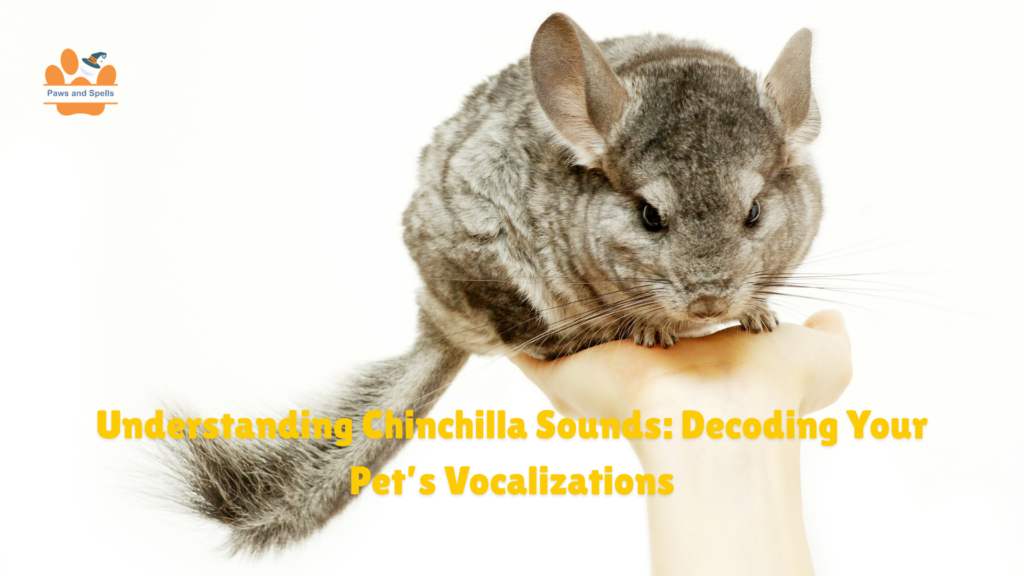
Did you know that the simple act of gnawing could be the difference between a thriving pet and a medical emergency? These energetic rodents possess teeth that never stop growing, making constant chewing a biological necessity.
The American Pet Products Association (APPA) emphasizes that providing appropriate items is vital to prevent home damage and ensure animal welfare. Owners must prioritize quality to maintain a happy, healthy environment.
Not every branch found in your backyard is suitable for your companion. Selecting the right chinchilla safe wood is a critical responsibility for every dedicated owner. Using the wrong materials can lead to severe digestive issues or accidental toxicity.
By identifying safe wood for chinchillas, you create a stimulating environment that supports their natural instincts. This guide will help you navigate the best options to ensure your pet remains safe and satisfied.
Key Takeaways
- Chewing is essential for maintaining proper dental health.
- Not all natural materials are non-toxic or suitable for pets.
- The APPA guidelines support providing proper enrichment for animal welfare.
- Always avoid treated, painted, or resinous branches found outdoors.
- Verify the source of all chew toys to ensure they are chemical-free.
Understanding Chinchillas’ Chewing Needs
Chewing is not merely a behavior for chinchillas; it’s a vital necessity for their well-being and survival. Their innate instinct to chew is crucial for dental health maintenance. As their teeth continuously grow, chewing acts as a natural means to keep them in check.
Why Chewing is Important for Chinchillas
Chewing fulfills several purposes for chinchillas. It is essential for tooth wear, as their teeth grow continuously. Without sufficient chewing, chinchillas risk serious dental issues, such as overgrown teeth and malocclusion.
The ASPCA emphasizes the importance of providing pets with suitable outlets for their natural behaviors, including chewing. This is critical for their overall health and well-being. Chewing also aids in stress reduction and prevents boredom, making it a key aspect of their mental health.
Providing appropriate chew toys can help prevent unwanted behaviors such as excessive bar chewing or furniture destruction.
Natural Chewing Instincts
In their natural habitat, chinchillas engage in chewing various materials like wood, bark, and plants. This behavior is vital for their survival and persists even in domestication. Offering chinchillas safe, suitable chew toys can fulfill this instinct.
Chinchilla owners can provide a range of chew toys from non-toxic materials, such as untreated wood and hay. These not only aid in tooth wear but also offer mental stimulation.
How Chewing Affects Dental Health
Chinchillas’ teeth are open-rooted, requiring continuous growth management. Chewing is essential for tooth wear, preventing overgrowth and associated health problems. A diet rich in hay and chew toys from safe, non-toxic materials is crucial for dental health maintenance.
| Dental Issue | Cause | Prevention |
|---|---|---|
| Overgrown Teeth | Insufficient Chewing | Provide adequate chew toys |
| Malocclusion | Poor Diet or Genetics | Regular veterinary check-ups and a balanced diet |
By understanding and addressing chinchillas’ chewing needs, owners can ensure their pets enjoy healthy, happy lives.
Types of Wood Suitable for Chinchillas
The selection of wood for chinchillas’ chew toys is critical for their dental health and overall well-being. Chinchillas have an innate urge to chew, necessitating the provision of appropriate materials. This is essential for their dental health and overall well-being.
Softwoods vs. Hardwoods
Understanding the distinction between softwoods and hardwoods is paramount when selecting wood for chinchillas. Softwoods, such as pine and cedar, contain aromatic oils that can be detrimental to chinchillas. These oils may induce respiratory issues and other health complications. In contrast, hardwoods are generally safer and less likely to provoke adverse reactions.
Softwoods like pine and cedar are commonly used in pet bedding and toys but are not recommended for chinchillas due to their toxic oils. In contrast, hardwoods are denser and typically free from the harmful oils found in softwoods.
Recommended Safe Woods
Several hardwoods are well-suited for chinchillas. Woods like apple, willow, and aspen are considered safe and beneficial. These woods are not only non-toxic but also provide a natural chewing experience that aids in maintaining the chinchilla’s dental health.
| Wood Type | Safety for Chinchillas | Benefits |
|---|---|---|
| Apple Wood | Safe | Natural, non-toxic, and good for dental health |
| Willow Wood | Safe | Flexible, safe for chewing, and promotes natural behavior |
| Aspen Wood | Safe | Non-toxic, safe for bedding and toys, and supports dental health |
The Benefits of Natural Wood
Natural wood offers a healthier alternative to plastic or metal chew toys. It provides a more natural chewing experience, which is vital for chinchillas’ dental health and mental stimulation. Chewing on natural wood helps to keep their teeth trimmed and prevents overgrowth.
Further, natural wood is biodegradable and can be a more environmentally friendly option compared to synthetic materials. By choosing the right type of wood, chinchilla owners can ensure their pets have a safe and healthy outlet for their natural chewing behavior.
Toxic Woods to Avoid for Chinchillas
Toxic woods can pose a significant threat to the health of chinchillas, making it essential to identify them. Chinchillas have a natural instinct to chew, and their owners often provide them with wood chew toys. Certain types of wood contain oils or chemicals that can be harmful if ingested.
Common Toxic Woods and Their Characteristics
Some woods are known to be toxic to chinchillas due to the oils they contain. For example, cedar and pine woods are commonly recognized as toxic. They contain aromatic oils that can cause respiratory problems and other health issues in chinchillas. The ASPCA lists certain types of wood that are toxic to pets, serving as a valuable reference for chinchilla owners.
Signs of Wood Toxicity in Chinchillas
If a chinchilla ingests toxic wood, it may exhibit signs of illness. Common symptoms include lethargy, loss of appetite, and difficulty breathing. In severe cases, ingestion of toxic wood can lead to more serious health complications, making prompt recognition of these signs crucial.
Chinchilla owners should be vigilant and monitor their pets closely for any signs of illness, specially after introducing new chew toys or woods into their environment.
Emergency Response if Poisoning Occurs
If you suspect that your chinchilla has ingested toxic wood, it’s essential to act quickly. The first step is to remove the toxic wood from your chinchilla’s environment immediately. Then, contact a veterinarian experienced in caring for small animals or exotic pets for advice on the next steps.
In some cases, the veterinarian may recommend monitoring your chinchilla’s condition closely or may suggest bringing your pet into the clinic for further evaluation and treatment.
The Role of Chew Toys in a Chinchilla’s Environment
Chinchillas need a variety of chew toys to stay engaged and stimulated, mimicking their natural behavior. These toys are not just for fun; they are vital for chinchillas’ mental and physical well-being.
Enhancing Mental Stimulation
Chew toys are crucial for mental stimulation in chinchillas. They offer different textures and challenges, keeping chinchillas curious and engaged. The Best Friends Animal Society emphasizes the importance of enrichment activities to prevent boredom and stress in pets.
Mental Stimulation Benefits:
- Reduces stress and anxiety
- Encourages natural foraging behavior
- Provides a sense of accomplishment
Preventing Boredom and Behavioral Issues
Lack of stimulation can cause boredom and behavioral problems in chinchillas, like excessive pacing and fur chewing. Regularly changing and introducing new chew toys keeps the environment fresh and engaging, preventing these issues.
The following table highlights the impact of chew toys on chinchilla behavior:
| Behavioral Aspect | With Adequate Chew Toys | Without Adequate Chew Toys |
|---|---|---|
| Mental Stimulation | High | Low |
| Boredom | Reduced | Increased |
| Destructive Behavior | Minimal | Prevalent |
How to Choose the Best Chew Toys
The selection of appropriate chew toys is crucial for a chinchilla’s well-being, offering both entertainment and health benefits. It is imperative to consider several factors to ensure the toys are safe, durable, and meet your pet’s needs.
Features to Look for in Chew Toys
When selecting chew toys, it is vital to focus on features that ensure safety and effectiveness for your chinchilla.
- Material: The toy should be crafted from safe, non-toxic materials, such as untreated safe wood for chinchillas.
- Size: The toy’s size is critical; it must be large enough to prevent swallowing but small enough for your chinchilla to easily manipulate.
- Durability: Given chinchillas’ penchant for chewing, the toy must be durable enough to withstand their chewing.
Chinchillas have an innate urge to chew, which aids in keeping their teeth trimmed. Offering them suitable chew toys can prevent them from chewing on inappropriate items, such as furniture or toxic materials. The American Society for the Prevention of Cruelty to Animals (ASPCA) notes that providing appropriate toys can significantly reduce destructive behavior in pets.
Sourcing Quality Chew Toys
Acquiring chew toys from reputable manufacturers is essential to ensure you provide your chinchilla with safe and effective options.
- Research: Research the manufacturer to understand their materials and manufacturing processes.
- Reviews: Seek reviews from other chinchilla owners to assess the quality and safety of the toys.
- Certifications: Verify if the products have any certifications or endorsements from reputable animal welfare organizations.
By prioritizing these aspects, you can create a safe and engaging environment for your chinchilla, promoting their health and happiness.
Preparing Wood for Your Chinchilla
The art of preparing wood for chinchillas transcends mere cleaning. It’s about crafting a safe environment for their natural chewing behavior. Given their sensitivity to contaminants and toxic substances, it’s imperative to handle their chew toys and treats with utmost care.
Cleaning and Drying Wood
The first step in ensuring wood safety for your chinchilla is thorough cleaning. Employ a soft-bristled brush to dislodge any dirt or debris. For a more detailed cleanse, a damp cloth can be employed, but it’s crucial to dry the wood completely to avert mold growth.
Key steps for drying wood include:
- Air drying: Place the wood in a well-ventilated area, allowing it to dry completely.
- Oven drying: For a quicker method, you can dry the wood in a low-temperature oven (150°F – 200°F) for a few hours. Monitor the wood closely to avoid overheating.
Inspecting the wood for mold or mildew is also essential before offering it to your chinchilla. Any wood showing signs of fungal growth must be discarded.
Safe Treats vs. Chew Toys
Distinguishing between safe treats and chew toys is crucial for your chinchilla’s well-being. Both can be wood-based, yet their roles and safety considerations vary.
Treats are intended for consumption and should be crafted from non-toxic woods. Yet, they must be dispensed sparingly to prevent digestive problems.
Chew toys, by contrast, are designed for prolonged chewing. They aid in dental health and fulfill the chinchilla’s innate urge to chew. It’s vital to choose wood for chew toys that is both safe and durable.
When selecting or preparing wood for your chinchilla, consider the following:
| Aspect | Treats | Chew Toys |
|---|---|---|
| Purpose | Consumed for nutrition or reward | Chewing to maintain dental health |
| Safety Considerations | Non-toxic, given in moderation | Durable, safe if ingested in small amounts |
DIY Chew Toys: Crafting Safe Options
With a few simple materials, you can craft safe and engaging DIY chew toys for your chinchilla. This approach not only ensures the toys are non-toxic and safe but also allows you to tailor them to your pet’s preferences.
Organizations like Rescue Me and Save-A-Pet USA often provide tips on creating safe environments for pets, which can include DIY projects. By following similar guidelines, you can create a variety of toys that will keep your chinchilla engaged and stimulated.
Safe Materials to Use for Homemade Toys
When crafting DIY chew toys, it’s crucial to select materials that are safe for your chinchilla. Some recommended materials include:
- Untreated wood, such as kiln-dried pine or apple wood
- Natural fibers like cotton or hemp
- Safe, non-toxic glues and dyes
Avoid using materials treated with chemicals or those that can easily splinter, as they can harm your pet.
Simple Projects for Chinchilla Owners
Here are a few simple DIY projects you can try:
- Create a wooden toy by cutting untreated wood into various shapes and sizes.
- Make a rope toy using natural fibers, knotting them in different patterns.
- Design a tunnel or hideout using cardboard rolls and safe materials.
These projects are not only fun but also provide your chinchilla with a variety of textures and challenges.
By engaging in these DIY projects, you can ensure that your chinchilla has a constant supply of safe and engaging chew toys. This enhances their environment and overall well-being.
Commercial Chew Toys: Pros and Cons
The market is flooded with commercial chew toys for chinchillas, necessitating a thorough examination of their safety and quality. These toys serve as a convenient solution for chinchilla owners, offering a diverse array of choices tailored to various needs and preferences.
Popular Brands and Products
Several brands have emerged, focusing on creating chew toys for small animals, including chinchillas. Notable brands include:
- Kaytee: Renowned for their extensive range of pet products, including chew toys for small animals.
- Oxbow: Provides a variety of enrichment toys and chew products, all safe for chinchillas.
- Exotic Nutrition: Offers a selection of chew toys and treats, all suitable for chinchillas.
When choosing a brand, it’s imperative to read reviews and seek out products designed for chinchillas. This ensures they adhere to the necessary safety standards.
Evaluating Safety Standards
Not all commercial chew toys are created equal, with varying levels of safety. To guarantee a safe choice, look for:
- Non-toxic materials: The toy must be constructed from materials safe for your chinchilla to chew on.
- Durable construction: A sturdy toy will endure longer, minimizing the risk of your chinchilla ingesting small parts.
- Certifications: Seek out products certified by reputable organizations or those meeting specific safety standards.
By meticulously evaluating commercial chew toys and opting for products from trusted brands, you can offer your chinchilla safe and stimulating options.
Storing Wood Safely for Chinchillas
The manner in which you store wood for your chinchilla can have a significant impact on their health and safety. It is imperative to store wood properly to prevent contamination and ensure it remains safe for your pet.
Best Practices for Wood Storage
To store wood safely, it is crucial to keep it in a dry, well-ventilated area. Moisture can lead to mold growth, which is harmful to chinchillas.
- Store wood in a room with low humidity.
- Keep the wood away from direct sunlight and moisture sources.
Utilizing a well-ventilated storage area is essential in preventing moisture accumulation. Consider using a dehumidifier if you reside in a humid climate.
Preventing Contamination
Contamination can occur due to pests, dust, or improper handling. To prevent this:
- Regularly inspect the stored wood for signs of pests or mold.
- Store wood in sealed containers or bins to keep it clean and pest-free.
| Storage Method | Advantages | Disadvantages |
|---|---|---|
| Open Shelving | Easy access, good ventilation | Exposed to dust and pests |
| Sealed Containers | Protects from pests and dust, maintains cleanliness | May retain moisture if not properly ventilated |
| Cardboard Boxes | Inexpensive, easy to replace | May attract pests, not durable |
When selecting a storage method, consider the advantages and disadvantages. For instance, sealed containers are effective in keeping the wood clean but may require additional measures to ensure ventilation.
By adhering to these best practices and being vigilant about the potential for contamination, you can ensure that the wood you provide for your chinchilla is safe and healthy.
Regular Maintenance of Chew Toys
To ensure your chinchilla remains engaged and safe, it is crucial to regularly inspect and maintain their chew toys. This not only extends the life of the toys but also prevents potential health risks.
Signs of Wear and Tear
Chew toys for chinchillas endure considerable wear and tear due to their natural chewing behavior. Signs that a toy needs attention include:
- Visible cracks or splits in the wood
- Sharp edges that could cause injury
- Significant reduction in size, potentially leading to choking hazards
- Presence of mold or mildew, indicating poor drying or storage
Regularly checking for these signs is essential in identifying when a toy is no longer safe for use.
When to Replace Chew Toys
Understanding when to replace chew toys is vital for maintaining your chinchilla’s health. If you notice any of the signs mentioned above, it’s time to replace the toy. Consider the following guidelines as well:
- Replace toys every few weeks or as needed based on your chinchilla’s chewing activity.
- Monitor your chinchilla’s interest in the toys; a lack of interest might indicate a need for new stimulation.
- Consider rotating toys regularly to keep the environment stimulating.
By adhering to these guidelines, you can ensure your chinchilla always has safe and engaging toys.
The Importance of Supervision
Supervising your chinchilla’s chewing activities is crucial for their health and safety. Chinchillas have a natural inclination to chew, which can lead to ingesting harmful materials or tooth damage if not monitored. It is vital to supervise their chewing to prevent these risks.
To effectively supervise your chinchilla, understanding their chewing behavior and the associated risks is essential. This requires monitoring their chewing behavior closely and intervening when necessary.
Monitoring Chewing Behavior
Monitoring your chinchilla’s chewing behavior helps identify potential issues early. This includes checking for excessive tooth wear, observing their preference for certain woods or toys, and ensuring they chew on safe items.
- Observe your chinchilla’s chewing habits to identify any unusual behavior.
- Check chew toys regularly for signs of wear and tear.
- Ensure that all wood and toys provided are safe and non-toxic.
Knowing When to Intervene
Knowing when to intervene is crucial to prevent accidents. If a toy becomes too small or damaged, it’s time to replace it. Also, if your chinchilla shows a preference for chewing on inappropriate items, redirecting their behavior is necessary.
Some key signs that intervention is necessary include:
- Excessive wear on chew toys or wood.
- Chinchilla showing interest in chewing on unsafe materials.
- Presence of small parts or splinters on chew toys.
By being vigilant and proactive, you can significantly reduce the risks associated with your chinchilla’s chewing behavior. This ensures a safer and healthier environment for your pet.
Summary: Choosing Safe Wood for Your Chinchilla
Creating a safe and stimulating environment for your chinchilla requires careful consideration of their chew toys, focusing on the wood type. Understanding the significance of safe chewing habits and selecting appropriate chinchilla wood bedding is essential. This approach can greatly improve your pet’s health and overall well-being.
Final Tips for Safe Chewing
To foster safe chewing habits, select wood free from toxic chemicals and pesticides. Regularly check your chinchilla’s chew toys for wear and tear, replacing them as necessary. The American Society for the Prevention of Cruelty to Animals (ASPCA) offers valuable resources on pet safety.
Building a Chewing Habit
Encouraging your chinchilla to develop safe chewing habits from an early age is vital. Offer a variety of safe chew toys made from natural wood. Monitor their chewing behavior to prevent any potential issues. This approach ensures your chinchilla remains happy and healthy, with a strong and healthy dental structure.
FAQ
Why is providing safe wood for chinchillas considered essential for their health?
What are the best wood for chinchillas when selecting chew toys?
Why are certain softwoods like cedar and pine excluded from lists of safe chew toys for chinchillas?
How do chinchilla wood toys contribute to a pet’s mental health?
Can I create my own DIY chinchilla wood treats from branches in my yard?
What should I look for when purchasing commercial chinchilla chew toys?
How often should I replace my pet’s wood toys and bedding?
What are the signs of wood toxicity if my chinchilla chews on something unsafe?
References:
This article was created based on information from the following authoritative sources: American Society for the Prevention of Cruelty to Animals (ASPCA) and Royal Society for the Prevention of Cruelty to Animals (RSPCA).