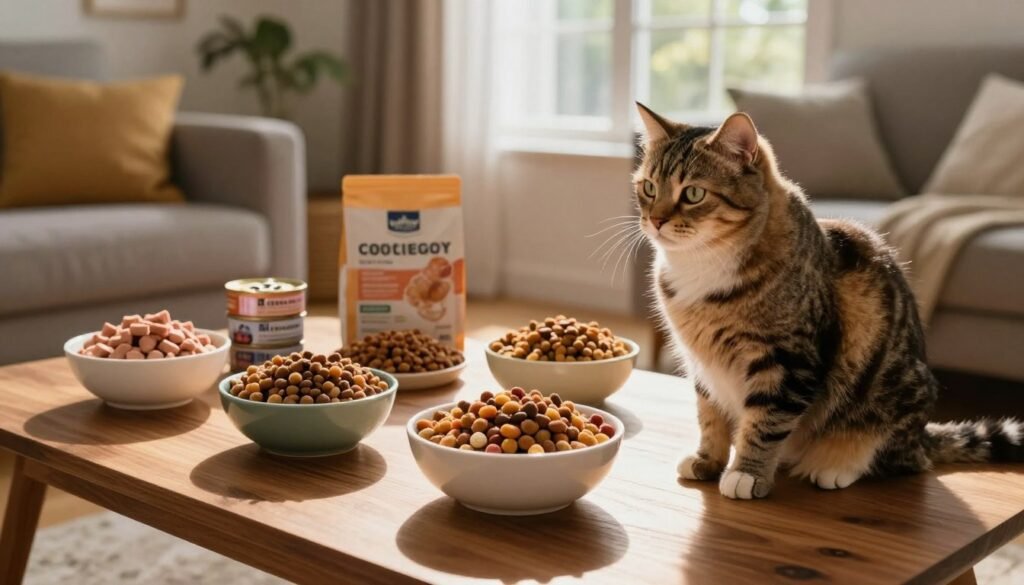
Ever thought your cat’s grooming might mean they need help inside? While it’s normal for cats to cough up hair sometimes, too much means they’re not digesting well.
Choosing the right cat hairball control diet is key for pet owners. Good nutrients help move fur through your cat’s system easily.
Proper nutrition does more than clean up messes. It makes your pet more comfortable. Knowing how certain ingredients work helps you give your pet a better life.
Key Takeaways
- Specialized nutrition helps move ingested fur through the digestive system efficiently.
- High-fiber ingredients are essential for maintaining regular bowel movements.
- Proper hydration plays a critical role in supporting healthy digestion.
- Strategic ingredient selection reduces the frequency of grooming-related blockages.
- Consulting with a veterinarian ensures your chosen plan meets specific health needs.
Understanding Cat Hairballs and Their Causes
To prevent hairballs in cats, you need to know how they work. These issues are common and often come from your cat’s instinct to groom. They want to keep their coat clean and neat.
The Digestive Process in Cats
Cats have special tongues with rough, hook-like structures called papillae. These help remove loose fur during grooming. Unfortunately, this fur often gets swallowed and goes into the digestive system.
In a healthy cat, this hair usually passes through without problems. But if there’s too much, it builds up in the stomach. This leads to hairballs that the cat must vomit to feel better.
Common Triggers of Hairballs
Several things can make hairballs more likely. Seasonal shedding is a big one, as cats eat more fur in spring and fall. Also, digestive issues can slow down hair movement in the gut.
What your cat eats is also key. Without enough fiber, hair moves slowly through their system. Stress or changes at home can make cats groom more, leading to more hairballs.
Why Hairballs Are More Frequent in Certain Breeds
Long-haired cats, like Persians or Maine Coons, get hairballs more often. Their thick fur means they swallow more hair. Short-haired cats might get them too, but less often.
| Risk Factor | Impact Level | Management Strategy |
|---|---|---|
| Coat Length | High | Daily Brushing |
| Seasonal Shedding | Moderate | Increased Grooming |
| Dietary Fiber | High | Specialized Nutrition |
| Grooming Frequency | Moderate | Behavioral Monitoring |
Knowing these factors is crucial for preventing hairballs in cats. If your cat is at risk because of their breed or the season, you can help their digestive health.
The Importance of a Hairball Control Diet
A special diet is key for feline hairball management. It meets your cat’s nutritional needs. This changes how they process fur during grooming.
How Diet Influences Hairball Formation
When cats groom, they swallow hair. A good cat hairball control diet changes the food’s fiber and nutrients. These help the hair move through the body smoothly, not causing vomiting.
Drinking enough water and certain fats are also important. They keep the digestive system running smoothly. This stops hair from clumping into hard balls.
Benefits of Hairball Control Diets
Switching to a special diet does more than just reduce hairballs. You’ll see improved coat quality as your cat’s skin and fur get healthier. Your cat will also feel better, with less stomach trouble.
“Since switching to a specialized formula, my cat has stopped struggling with constant hairballs, and her coat has never looked shinier or softer.”
Customer Testimonials on Hairball Control
Many pet owners have seen big improvements with these diets. They say feline hairball management is about keeping their pets happy and healthy. By choosing a good cat hairball control diet, you’re making your cat’s life better.
Key Ingredients to Consider for Hairball Control
Knowing what’s in your cat’s food is key to cutting down on hairballs. By picking the right ingredients, you help your pet’s digestive system. This can also reduce grooming problems.
Fibers and Their Role
Dietary fiber for cats is crucial for a healthy gut. It helps move fur through the intestines, stopping it from building up in the stomach.
When food moves well, your cat is less likely to get blockages. Look for beet pulp, psyllium husk, or cellulose in cat food. This ensures they get the fiber they need.
Essential Fatty Acids for Skin Health
A healthy coat helps prevent hairballs. Strong, moist skin means less fur is shed during grooming.
“Good nutrition is the foundation of a healthy coat, which directly impacts how much hair your cat ingests while cleaning themselves.”
Omega-3 and Omega-6 fatty acids are key for this. They keep the skin barrier strong, reducing dander and loose hair swallowed by your cat.
Natural Bindings: What to Look For
Consider hairball control supplements for extra help. These products often have natural lubricants that ease hair passage through the digestive system.
When looking for natural remedies for cat hairballs, watch for these ingredients:
- Psyllium: A gentle fiber that adds bulk to stools.
- Fish Oil: Rich in fatty acids to improve coat texture.
- Pumpkin: A natural source of fiber that aids digestion.
- Slippery Elm Bark: Often used to soothe the digestive lining.
Always check the ingredient list for no fillers. Opt for high-quality, nutrient-rich options to keep your cat healthy every day.
Notable Brands Offering Hairball Control Diets
Looking for the best cat food for hairball control means checking out top brands. They focus on fiber and nutrients to help move hair through your cat’s system. This makes it easier to keep hairballs away.
Royal Canin Hairball Care
Royal Canin is known for its detailed nutrition. Their Hairball Care diet has a special mix of fibers, like psyllium. This helps hair pass through the digestive system, not get stuck in the stomach.
Hill’s Science Diet Hairball Control
Hill’s Science Diet aims for your cat’s health. Their cat hairball control diet uses natural fibers to cut down hairballs. It also has fatty acids for healthy skin and a shiny coat, as vets often suggest.
Purina Pro Plan Hairball Management
Purina Pro Plan balances quality protein with special fibers. It’s easy to digest and helps move hair through the system. It’s a great choice for the best cat food for hairball control that’s also easy on your wallet.
| Brand | Primary Fiber Source | Key Benefit |
|---|---|---|
| Royal Canin | Psyllium & Cellulose | Advanced transit support |
| Hill’s Science Diet | Natural Vegetable Fiber | Clinical skin & coat health |
| Purina Pro Plan | High-Quality Fiber Blend | Digestive efficiency |
Homemade Diet Solutions for Hairball Prevention
Start managing your cat’s hairballs in your kitchen with fresh ingredients. Making meals at home lets you tailor nutrition to your cat’s needs. This can be the best cat food for hairball control if done carefully.
Safe Ingredients for Cat Food
Use high-quality proteins like chicken, turkey, or rabbit in your meals. These provide amino acids for muscle and skin health. Healthy skin means less shedding and fur ingestion.
Adding fiber sources like cooked pumpkin or green beans helps digestion. These natural remedies for cat hairballs move hair through the digestive tract. This prevents hairballs in the stomach.
Recipes for Hairball Control
A balanced homemade diet needs protein, healthy fats, and vitamins. Use lean muscle meat and add taurine, calcium, and omega-3 fatty acids. These nutrients are key for your cat’s health and coat.
The table below shows natural fiber sources for your cat’s meals:
| Ingredient | Primary Benefit | Recommended Amount |
|---|---|---|
| Pureed Pumpkin | Soluble Fiber | 1/2 teaspoon per meal |
| Psyllium Husk | Bulk-forming Fiber | 1/4 teaspoon per meal |
| Steamed Green Beans | Insoluble Fiber | 1 tablespoon per day |
| Flaxseed Oil | Omega-3 Fatty Acids | 1/8 teaspoon per day |
Precautions When Feeding Homemade Diets
Switching to homemade food needs careful planning to avoid nutritional gaps. Cats need specific nutrients like taurine. Always consult with your veterinarian before changing your cat’s diet.
Watch for changes in your cat’s energy, coat, and stool. If you see any issues, go back to a trusted commercial diet. Homemade meals can be great for hairball control, but they must be complete for your cat’s health.
Signs Your Cat May Need a Hairball Control Diet
Knowing your cat’s body language and behavior is key to their digestive health. By watching closely, you can stop hairballs before they become a big problem. Small changes in your cat’s daily life can show that their diet needs a boost.
Increased Frequency of Hairballs
One clear sign your cat needs a special diet is if they cough up hairballs more often. While it’s normal to see a hairball now and then, frequent retching or vomiting is not. If you’re cleaning up messes a lot, it’s time to look into a better diet.
Changes in Eating or Grooming Habits
Your cat might start being picky about food or eat less. This could be because they’re uncomfortable with hairballs. They might also groom more, trying to get rid of itchiness or shedding. Preventing hairballs in cats often means fixing these grooming issues with the right food.
Behavioral Changes to Watch For
Look for changes in your cat’s mood too. A cat with digestive issues might seem lethargic or withdrawn, hiding more than usual. If they seem restless or uncomfortable, it’s a sign they need a diet change. Watching for these signs helps keep your cat happy and healthy.
Tips for Transitioning to a New Diet
Changing your cat’s food is a big step. It’s as important as the food itself. Start with hairball prevention tips by making the transition smooth. A sudden change can upset your cat’s stomach, which is bad.
Gradual Introductions and Why They Matter
Introducing new food slowly is the best way. Mix the new with the old over seven to ten days. This helps your cat’s stomach get used to the new food without stress.
- Days 1-3: Mix 25% new food with 75% old food.
- Days 4-6: Use a 50/50 split between the two diets.
- Days 7-9: Transition to 75% new food and 25% old food.
- Day 10: Serve 100% of the new hairball control diet.
Monitoring Your Cat’s Response
Watch your cat closely as you make the change. Check their stool and energy levels every day. If they seem sick or tired, slow down the change.
These diets often have more dietary fiber for cats. This fiber helps move hair but can change bowel movements. Make sure your cat drinks plenty of water to help with digestion.
Ensuring Nutritional Balance
Keeping the diet balanced is crucial for your cat’s health. Avoid giving human food or too many treats during the transition. Consistency is the key to your cat’s new diet working well.
If your cat doesn’t want to eat the new food, try warming it up or adding a bit of warm water. This can make it smell better and taste more appealing. Being patient and watching your cat closely will help them live a healthier life.
Regular Grooming as Part of Hairball Management
While nutrition is key for your cat’s health, grooming is just as important. A regular grooming routine is essential for feline hairball management. It helps prevent hairballs by removing loose fur before your cat swallows it.
Recommended Grooming Tools
Using the right grooming tools makes grooming easier for both you and your cat. A slicker brush is great for daily grooming, as it gently removes loose hair. For cats with thick fur, a de-shedding tool is better to get to the undercoat.
Choosing the right tool helps prevent hairballs. Look for brushes with rounded tips to protect your cat’s skin.
Frequency and Techniques for Best Results
Brushing your cat regularly is key for hairball prevention tips. Brush them at least three times a week, or every day if they have long hair. Start with gentle strokes to help them get used to it.
Make grooming fun by giving treats or using positive reinforcement. If your cat is sensitive, keep grooming sessions short. This builds trust and makes grooming a positive experience.
Benefits Beyond Hairball Control
Regular cat grooming for hairball control has many benefits. It’s a great way to bond with your cat and check for skin problems. It also keeps their coat clean and shiny.
| Tool Type | Best For | Primary Benefit |
|---|---|---|
| Slicker Brush | Daily maintenance | Removes surface tangles |
| De-shedding Comb | Undercoat removal | Reduces heavy shedding |
| Rubber Curry Brush | Short-haired cats | Massages skin and removes loose fur |
Consulting with Your Veterinarian
Your cat’s health depends on your careful watch. Even with diet changes, seeing a vet is key for lasting health.
When to Seek Professional Advice
Get a vet visit if your cat keeps vomiting, loses weight fast, or seems very tired. These signs might mean more than just hairballs. A vet can do a check-up and find the right treatment.
How a Vet Can Help with Diet Choices
A vet looks at your cat’s age and health to pick the best food. They might suggest special supplements for hairball control. Getting advice from a vet helps avoid bad nutrition from wrong choices.
Questions to Ask During Your Visit
Make a list of questions for your vet visit. Ask if your cat’s food is right for them. Also, ask about grooming to cut down on fur swallowing.
Talk about fiber and water to make your cat more comfortable. Talking openly with your vet is the first step to a happy, healthy cat.