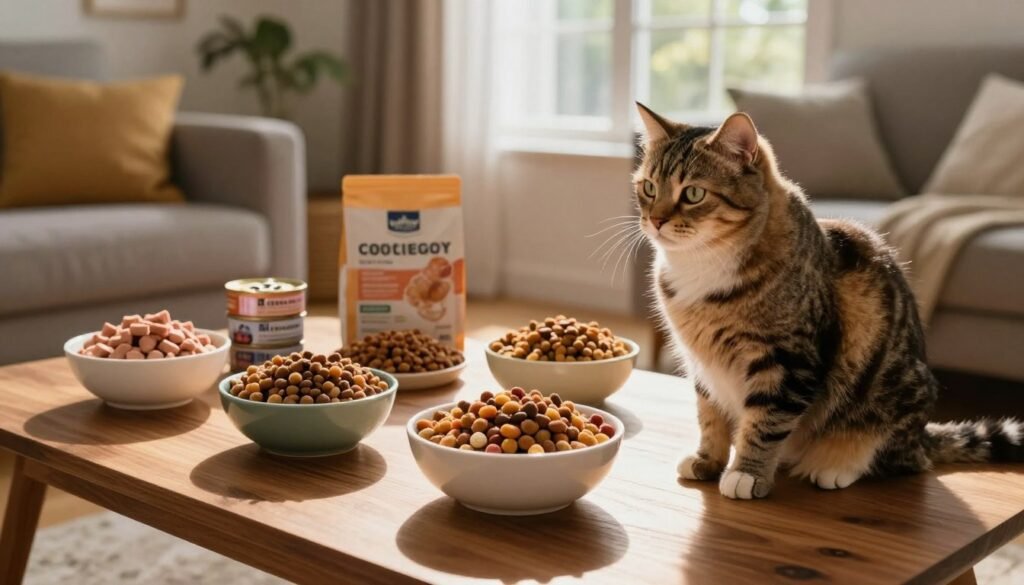
Ever thought about giving your cat a piece of chicken from your plate? Many pet owners want to share meals but worry about their pet’s diet.
Even though cats need meat, you can give them healthy kitchen staples sometimes. Just make sure to pick safe options to keep your cat healthy.
Knowing which human foods are safe for cats is key. By focusing on responsible feeding practices, you can make simple foods into treats that are good for your pet.
Key Takeaways
- Cats are obligate carnivores, meaning their diet must be mainly meat.
- Always check with your vet before giving your pet new foods.
- Stay away from harmful foods like onions, garlic, and chocolate.
- Treats should not make up more than ten percent of your cat’s daily calories.
- Choose plain, cooked meats over seasoned or processed foods.
Introduction to Safe Snacks for Cats
Many pet owners are now making their own snacks for their cats. This way, they can control what their pets eat. It helps avoid bad stuff found in store-bought treats.
Why Choose Human Foods for Your Cat?
Choosing safe snacks for cats from your kitchen is a smart move. It ensures your pet gets good food. Making your own treats means you know what’s in them.
Here are some key benefits of homemade treats:
- Ingredient Transparency: You avoid hidden chemicals and low-quality stuff.
- Cost-Effectiveness: Simple foods like plain chicken or fish are cheaper than store treats.
- Customization: You can make snacks that your cat will love.
Understanding Your Cat’s Nutritional Needs
Human foods can be good, but remember, cats need certain nutrients. They need taurine for heart and eye health. Homemade snacks should not replace their main meals.
Always be careful when giving new foods. Start with small amounts to see how your cat reacts. Giving them safe snacks for cats as treats can make their diet better without upsetting their balance.
Common Safe Snacks for Cats
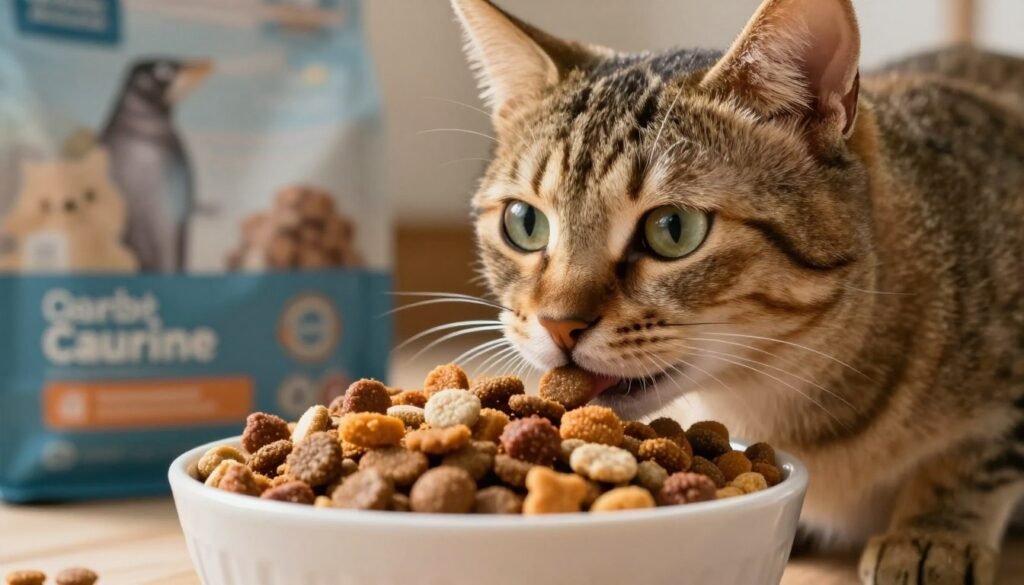
Many kitchen staples are safe for cats. Adding safe snacks for cats to their diet can be fun and nutritious. But, remember, these treats should not replace their meals.
Cooked Meat Options
Cats need animal protein to stay healthy. Cooked meats are great treats. Make sure the meat is thoroughly cooked and without harmful seasonings.
Lean meats like chicken breast or turkey are good choices. Boil or bake them until cooked. Then, cut them into small pieces for easy eating.
Fish: A Tasty Treat
Fish is a favorite among cats. Choose low-mercury fish like salmon or whitefish. Always remove bones to avoid choking or injury.
“The best way to show love to your pet is through mindful nutrition that respects their natural biology.”
Give fish in small amounts. It’s rich in omega-3s but shouldn’t be a daily food. Steam or poach it without oils or salts for the healthiest option.
Fruits and Vegetables That Cats Can Enjoy
Some fruits and veggies are safe for cats. They add fiber and variety. Always wash them well to remove dirt or pesticides.
- Steamed Carrots: These are soft and easy to chew.
- Blueberries: Full of antioxidants and can be eaten fresh.
- Steamed Green Beans: A low-calorie snack with some crunch.
Start with small amounts to see if your cat likes them. If they do, these snacks can be a fun way to bond. Varying their snacks keeps their diet interesting.
Preparing Food for Your Feline Friend
Turning raw ingredients into tasty treats for your cat is a fun task. Making snacks at home lets you control what your pet eats. This way, you ensure they get the best nutrition.
Cooking Techniques to Keep Foods Safe
When making cat treats, safety is key. Always cook meats well to kill harmful germs like Salmonella or E. coli. Never give raw proteins to your cat, as they can be very dangerous.
Don’t add oils, salts, onions, garlic, or artificial seasonings to your cat’s food. These can be toxic or hard for cats to digest. Keep snacks simple and safe by using plain, boiled, or baked ingredients.
“Properly cooked, plain proteins serve as the foundation for a healthy, homemade feline diet that supports long-term wellness.”
Portion Control: How Much is Too Much?
Even healthy treats should be given in small amounts. Treats should not make up more than 10% of your cat’s daily calories. Too many treats can lead to obesity, harming your cat’s health.
Choose low-calorie cat treats to keep your pet happy without gaining too much weight. If you’re not sure what’s best, talk to your vet about vet-approved cat treats. Use a measuring tool to keep portions the same every day.
| Preparation Method | Safety Level | Best For |
|---|---|---|
| Boiling | High | Chicken and Turkey |
| Baking | High | Fish and Lean Meats |
| Steaming | Medium | Vegetables |
| Frying | Low | Not Recommended |
Foods to Avoid
Keeping your cat safe means knowing what not to feed them. While some human foods are okay in small amounts, others can be very harmful. Always choose vet-approved cat treats to keep your pet safe and happy.
Toxic Foods for Cats
Some foods in your kitchen are dangerous for cats. Make sure to keep these away to avoid accidents:
- Onions and Garlic: These can harm your cat’s blood cells, leading to Heinz body anemia.
- Chocolate: It’s toxic to cats and can cause heart problems or shaking.
- Grapes and Raisins: Even a little can cause sudden kidney failure in cats.
These foods can have serious effects on cats. Since cats can’t break down these toxins, it’s crucial to check food labels carefully.
Recognizing Allergens in Human Foods
Even safe foods can cause allergies in cats. Allergies can develop over time, even if your cat has eaten something before without problems.
Watch for these signs of an allergy:
- Persistent skin irritation or excessive scratching.
- Gastrointestinal distress, such as vomiting or diarrhea.
- Swelling around the face or paws.
If you see these signs, take away the food and talk to your vet. Always choose vet-approved cat treats for your cat’s health. This keeps your kitchen safe for your furry friend.
Treats from Your Pantry
Your kitchen has everything you need for healthy cat snacks. You don’t need fancy tools or pricey ingredients for tasty cat treats. Focus on simple, protein-rich foods to give your cat fresh, healthy rewards without additives.
Simple Recipes to Try at Home
Making homemade cat treats is easy with boiled protein. Boil chicken breast or white fish in water without salt, onions, or garlic. Then, shred the meat into small pieces for your cat to easily chew and digest.
Dehydrated meat strips are another great option. Slice lean beef or chicken into thin strips. Dry them in a low-temperature oven until they’re dry. This makes a chewy, long-lasting snack that meets your cat’s natural hunting instincts.
Incorporating Snacks into Their Diet
When adding these snacks, keep your cat’s regular meal times in mind. Treats should add variety and enrichment, not replace meals. Keep the portion sizes small to avoid weight gain.
Use these homemade cat treats during play or as rewards for good behavior. Small portions keep your cat interested in their regular meals. This balance keeps your pet happy and healthy.
| Snack Type | Preparation Method | Best For |
|---|---|---|
| Boiled Chicken | Boil in water | Sensitive stomachs |
| Dehydrated Beef | Low-heat oven | Dental health |
| Steamed White Fish | Steam until flaky | Omega-3 boost |
Understanding Labels on Commercial Cat Treats
When you can’t make homemade snacks, reading labels is key. Many cat treats have hidden additives that harm your pet. Learning to read labels helps you avoid bad fillers and choose better for your cat.
What to Look for in Cat Treat Ingredients
Start with the ingredient list. Good cat treats list a specific animal protein first, like chicken or salmon. If corn or wheat is first, it’s likely a cheap filler.
Steer clear of “meat by-products” or “animal digest.” These terms hide low-quality ingredients. Choose whole proteins for better nutrition and health.
Why Natural Treats Are Better
Opting for natural cat treats keeps your pet safe from harmful chemicals. Many brands use synthetic dyes for color, but they’re not good for your cat. Artificial flavor enhancers also hide poor ingredients.
Natural cat treats skip these additives, using real meat for taste. This choice helps your cat’s health by avoiding allergies and digestive issues. Simple, recognizable ingredients mean safer snacks.
| Feature | High-Quality Treat | Low-Quality Treat |
|---|---|---|
| First Ingredient | Real Meat/Fish | Corn or Wheat |
| Preservatives | Natural (e.g., Vitamin E) | Artificial (e.g., BHA/BHT) |
| Coloring | None | Synthetic Dyes |
| Nutritional Value | High Protein | High Carbohydrate |
The Benefits of Treating Your Cat with Human Foods
Offering wholesome human foods can make mealtime special. It’s not just about the food; it’s about bonding. Choosing healthy cat snacks means giving love and attention.
Strengthening Your Bond
Sharing food is a way to show love. Giving your cat cooked chicken or steamed veggies creates a positive association. It builds trust and security at home.
Using these treats as rewards makes your cat feel safe. It turns snack time into a special moment. This strengthens your bond over time.
Promoting Healthy Eating Habits
Adding natural cat treats to your cat’s diet is better than processed snacks. Fresh foods have no artificial preservatives. They support your cat’s health and happiness.
Introducing different foods helps your cat enjoy new tastes and textures. This prevents picky eating and ensures they get all the vitamins they need. Here’s why fresh foods are better:
| Feature | Commercial Treats | Natural Human Foods |
|---|---|---|
| Ingredient Quality | Often processed | Whole and fresh |
| Additives | Commonly included | None |
| Nutrient Density | Variable | High |
| Bonding Potential | Low | High |
Switching to wholesome alternatives is good for your cat’s health. Quality snacks mean a better future for your pet. Just remember, a little goes a long way for a balanced diet.
How to Introduce New Foods
When you want to add new foods to your cat’s diet, safety is key. Every cat’s body reacts differently to new foods. So, it’s best to introduce them slowly to avoid upset stomachs.
Gradual Introduction Methods
Always start with a tiny amount of healthy cat snacks. Don’t replace their regular meals with new foods right away. Just give a small piece and watch how they react.
Here’s how to introduce new foods safely:
- Start with a portion no larger than a pea.
- Wait at least 24 to 48 hours before offering the same food again.
- Watch for any changes in appetite or energy levels.
- Keep the rest of their diet consistent during this trial period.
Monitoring For Any Adverse Reactions
After introducing a new food, you need to watch closely. Keep a simple food diary to track what your cat eats. This diary helps you spot any food sensitivities or allergies.
Look out for signs of upset stomach, like vomiting, diarrhea, or feeling tired. If you see these signs, stop the new food right away and talk to your vet. Even safe vet-approved cat treats can be bad for your cat if they have health issues.
By sticking to a routine, you can figure out which foods your cat likes and which they don’t. This careful approach ensures your cat gets only the best food, keeping their health in check.
Creative Ways to Serve Snacks to Cats
Why just use a bowl for snacks? Make snack time exciting by turning it into a game. This taps into your cat’s hunting instincts and keeps them mentally sharp. It also helps prevent boredom and keeps them active all day.
Making Snack Time Fun
Turn your home into a playground by hiding healthy cat snacks in different spots. This makes your cat explore and use their sense of smell to find treats. It’s a fun way to get them moving and enjoying their favorite snacks.
Try puzzle feeders or treat-dispensing toys to challenge your cat. These toys make your cat work to get the food out, just like hunting. Consistent mental stimulation keeps your cat sharp and happy as they age.
Interactive Treats to Engage Your Cat
Choose high-quality organic cat snacks for these games. Natural ingredients give your cat the best fuel for play. Always check the labels to avoid harmful additives or fillers.
Interactive play is great too. Toss treats for your cat to chase and catch. This keeps them active and strengthens your bond. Just remember to count these treats in their daily calories to keep their diet balanced and wholesome.
The Role of Treats in Training Your Cat
Training your cat can be very rewarding. It strengthens your bond through positive reinforcement. By linking tasty rewards to actions, you teach your cat new tricks. This can be as simple as coming when called or using a scratching post.
Using Snacks for Positive Reinforcement
Start by using small, high-value rewards that grab your cat’s attention. Homemade cat treats are great because you can control what goes into them. Consistency is key; give the reward right after the action to show your cat the connection.
Keep training sessions short and fun to avoid boredom or frustration. If you prefer store-bought treats, choose organic cat snacks for a healthier option. The goal is to make learning fun for both of you.
Balancing Treats with Daily Nutrition
Treats are great motivators but shouldn’t replace a balanced diet. Use low-calorie cat treats to keep training sessions light. These treats give the needed push without adding too many calories.
To keep your cat healthy, subtract treat calories from their meals. Monitoring your cat’s weight regularly helps you adjust food portions. This balance ensures your cat stays both well-trained and healthy.
Frequently Asked Questions About Cat Snacks
Knowing what your cat can eat safely is key. Many owners get lost in the sea of conflicting info on cat food. By sticking to evidence-based facts, you can pick the best snacks for your pet. This includes fresh treats or top-notch grain-free cat snacks.
Can Cats Eat Dairy Products?
Images of cats drinking milk in books and movies are common. But, these scenes are misleading for most adult cats. Many cats can’t digest the sugars in cow’s milk well.
Feeding your cat dairy can cause problems like gas, bloating, or diarrhea. Some cats might handle a bit of plain yogurt or hard cheese. But, it’s best to avoid dairy. Always make sure your cat drinks plenty of fresh water for their health.
Are Grain-Free Options Better for Cats?
Grain-free diets have sparked a lot of debate. Many think cats should never eat grains because they’re meat-eaters. But, most healthy cats can handle small amounts of processed grains without issues.
If you’re looking at grain-free cat treats, remember the protein quality is more important. Treats are only as good as their main ingredients. Always check the label to make sure the product is nutritious, not just filling.
Conclusion: Making Safe Snack Choices for Cats
Choosing the right snacks is crucial for your cat’s health and happiness. You can make a big difference by picking snacks made from high-quality, whole ingredients. These support your cat’s natural health.
Prioritizing Fresh and Nutritious Ingredients
Using fresh ingredients is the best way to fuel your pet. Homemade cat treats let you control what your pet eats. You can make simple, protein-rich snacks at home, avoiding fillers.
Natural cat treats are often better than store-bought ones. They have fewer additives and preservatives. If your vet recommends a high-protein, low-carb diet, try grain-free cat treats.
Essential Habits for Responsible Pet Owners
Be consistent when introducing new foods to your cat. Watch for signs of upset stomach or allergies. Give small portions to avoid weight gain and keep snack time fun.
Pay attention to your cat’s likes to find healthy treats they enjoy. Your careful choices help your cat live a balanced, happy life. Always put your cat’s health first when choosing treats.