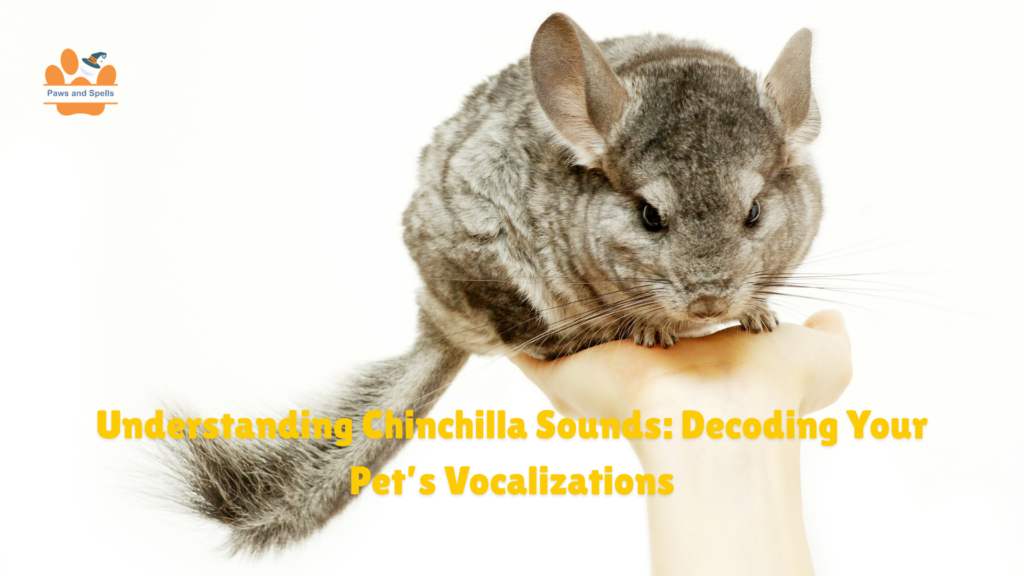
Ever ponder if your small companion feels secure when you pick them up? Developing a profound, trusting bond with your pet transcends mere sustenance and shelter. It necessitates a gentle touch and comprehension of their fragile nature.
Acquiring the skill to hold a chinchilla correctly is pivotal in forging a lasting connection. These creatures are inherently skittish, and improper handling can induce undue stress or physical harm.
The American Society for the Prevention of Cruelty to Animals (ASPCA) underscores the importance of prioritizing your pet’s well-being through thoughtful interaction. By mastering safe chinchilla handling, you guarantee your pet’s safety and serenity during interactions. This guide offers the expert guidance necessary to become a confident, compassionate owner.
Key Takeaways
- Always approach your pet slowly to avoid startling them.
- Support the hindquarters to prevent spinal strain.
- Never squeeze or apply pressure to their fragile ribcage.
- Consistency in your routine builds long-term trust.
- Observe body language to know when your pet needs space.
Understanding Chinchilla Behavior
To handle chinchillas safely, grasping their natural behavior and instincts is crucial. These small, fluffy creatures have become popular pets due to their gentle nature. Yet, their skittish and sensitive nature demands careful handling to prevent stress and injury.
The Nature of Chinchillas
Chinchillas, as prey animals, instinctively flee or freeze when threatened. This behavior is key to understanding their reactions to being picked up or held.
Active at night and twilight, chinchillas are nocturnal and crepuscular. They inhabit rocky, arid regions of South America. Their social nature is tempered by territorial instincts, making handling unpredictable.
Common Misconceptions
Many believe chinchillas are cuddly and enjoy being held tightly, akin to other small pets. This is a misconception. Chinchillas are sensitive to pressure and can suffer from “fur slip” if handled roughly, losing large patches of fur.
Why Proper Handling Matters
Proper handling is vital for chinchillas, as they are prone to stress and injury if mishandled. Stress can precipitate health issues, while improper handling can cause physical harm, such as fur slip or broken bones.
| Handling Aspect | Importance | Consequence of Improper Handling |
|---|---|---|
| Gentleness | High | Stress, Fur Slip |
| Support | High | Injury, Broken Bones |
| Awareness of Body Language | High | Stress, Biting |
Understanding chinchilla nature, dispelling misconceptions, and recognizing the importance of proper handling are essential. This allows chinchilla owners to create a safe, enjoyable environment for both themselves and their pets.
Preparing for Handling Your Chinchilla
To ensure a stress-free handling experience, preparation is paramount. Before initiating handling, it’s crucial to establish an environment that is both comfortable and safe for your pet.
Creating a Comfortable Environment
A comfortable environment necessitates a spacious, well-ventilated cage, as advocated by the American Pet Products Association (APPA). The cage must be shielded from drafts and extreme temperatures, which can induce stress in your chinchilla.
The cage should be furnished with adequate bedding, such as wood shavings or another safe material, to absorb waste and diminish odor. It’s also imperative to provide hiding places and toys to stimulate your chinchilla and alleviate stress.
Gathering Necessary Supplies
Gathering the necessary supplies is a critical step in preparing for handling your chinchilla. This includes a safe, comfortable handling area where you can sit and hold your chinchilla without risking dropping it.
Having treats available can help build trust with your chinchilla. Some owners find it beneficial to have a towel or blanket on hand for wrapping their chinchilla, though this should be done with caution and ideally under the guidance of a veterinarian or experienced breeder.
- A safe handling area
- Treats for building trust
- A towel or blanket for wrapping (if necessary)
By creating a comfortable environment and gathering the necessary supplies, you can ensure a positive handling experience for both you and your chinchilla.
Choosing the Right Time to Hold Your Chinchilla
Timing is essential for a positive experience when handling your chinchilla. It’s vital to understand when your pet is most relaxed and open to interaction. This approach helps in building trust and avoiding stress.
When Your Chinchilla is Most Relaxed
Chinchillas are crepuscular, meaning they are most active at twilight. This is typically at dawn and dusk. Handling them during these times can be beneficial as they are naturally more active and receptive. Yet, it’s crucial to consider your chinchilla’s individual personality and adjust handling times appropriately.
Some chinchillas may be more relaxed and open to handling after waking up and becoming active. Others might be stressed during their natural activity peaks. Observing your chinchilla’s behavior and body language is essential for determining the best handling time.
Recognizing Signs of Stress
It’s equally important to recognize when your chinchilla is stressed or not in the mood for handling. Signs of stress include fur standing on end, squeaking or grunting, and attempts to hide or escape. If you notice these behaviors, it’s best to give your chinchilla space and try handling them later when they appear more relaxed.
Understanding and respecting your pet’s boundaries is crucial for their well-being, as stated by the American Society for the Prevention of Cruelty to Animals (ASPCA). By paying attention to your chinchilla’s behavior and reactions to handling, you can foster a stronger, more trusting relationship.
The Correct Way to Hold a Chinchilla
To handle a chinchilla correctly, understanding the proper techniques is crucial. These techniques prioritize the animal’s safety and comfort. Chinchillas are delicate creatures that require careful handling to prevent injury and stress.
Use Two Hands for Safety
When picking up a chinchilla, it’s essential to use both hands to support their body fully. This method ensures that the chinchilla feels secure and reduces the risk of it jumping or falling. According to the American Society for the Prevention of Cruelty to Animals (ASPCA), handling small animals gently and securely is vital for their well-being.
Handling your chinchilla with care and gentleness is key to building trust and ensuring a safe interaction for both you and your pet,” advises Save-A-Pet USA.
Supporting Their Body Properly
Proper support involves gently scooping up the chinchilla with one hand under the chest and the other supporting the hindquarters. This technique helps in distributing the chinchilla’s weight evenly and prevents strain on its body. It’s also important to be mindful of their fur, as chinchillas have very dense fur that can be prone to matting if not handled carefully.
Avoiding Fur Slip
Fur slip is a condition where a chinchilla loses patches of fur due to stress or improper handling. To avoid this, it’s essential to handle your chinchilla gently and avoid sudden movements or loud noises. Regular, gentle handling can help your chinchilla become more comfortable with being held, reducing the risk of fur slip.
By following these guidelines and being patient, you can develop a safe and enjoyable way to hold your chinchilla. This strengthens your bond and ensures the well-being of your pet.
Tips for Gaining Your Chinchilla’s Trust
Establishing trust with your chinchilla is crucial for a positive handling experience. Trust development is not immediate; it necessitates a patient, gentle approach. This method prioritizes your chinchilla’s comfort and well-being.
Start Slow and Be Patient
Introducing handling to your chinchilla requires a slow and patient start. Begin by allowing your chinchilla to become familiar with your presence, voice, and scent. Spend time near their cage, speaking calmly and moving gently to avoid startling them.
- Allow your chinchilla to approach you voluntarily.
- Gradually introduce your hand into their cage, letting them sniff and explore it at their own pace.
- Be prepared to withdraw your hand if your chinchilla appears stressed or frightened.
Use Treats to Build Rapport
Utilizing treats can effectively build a positive association with handling. Opt for healthy, chinchilla-safe treats such as limited amounts of hay or specific chinchilla treats.
Positive reinforcement with treats can significantly enhance the bonding process between a chinchilla and its owner,” according to the ASPCA.
Offer these treats during interactions to help your chinchilla associate handling with positive outcomes.
Respecting Their Personal Space
It’s vital to respect your chinchilla’s personal space and not force interaction. Recognizing and responding to their cues can prevent stress and foster a trusting relationship.
If your chinchilla indicates discomfort or a desire to be left alone, honor their wishes. Forcing interaction can lead to fear and mistrust, undermining the handling process.
Safe Handling Techniques
Mastering the art of handling your chinchilla is crucial for a safe and enjoyable experience for both you and your pet. Chinchillas are delicate creatures that require gentle and informed handling to prevent stress and injury. By adopting the right techniques, you can ensure a positive interaction with your pet.
Picking Up Your Chinchilla
When it comes to picking up your chinchilla, it’s essential to do so in a way that is both gentle and secure. The best way to pick up a chinchilla is to scoop them up from underneath, making sure to support their body fully. This involves placing one hand under their front legs and the other under their hind legs, lifting them carefully and securely.
It’s crucial to move slowly and deliberately to avoid startling your chinchilla. Sudden movements can cause them to become frightened, leading to stress or even injury. By being calm and gentle, you can help your chinchilla feel more at ease.
Carrying Your Chinchilla Securely
Once you have picked up your chinchilla, carrying them securely is the next step. It’s vital to continue supporting their body and keep them close to your chest to provide a sense of security. This method helps in minimizing the risk of them jumping or falling, which could result in injury to either you or your pet.
To hold a chinchilla correctly, ensure that you are not holding them too tightly, as this can cause discomfort. Instead, find a balance between being secure and gentle. Monitoring your chinchilla’s behavior and reactions during handling is also important, as it allows you to adjust your technique as needed.
What to Avoid When Handling a Chinchilla
Understanding what to avoid when handling chinchillas is as critical as mastering the correct techniques. These sensitive animals require meticulous care to avoid stress and injury. It is imperative to recognize common mistakes and signs of discomfort in your chinchilla for a positive experience.
Common Mistakes Made by New Owners
New chinchilla owners often commit errors that can harm their pets. One frequent mistake is handling chinchillas too roughly, leading to fur slip, where fur patches fall off due to stress or improper handling. Another error is ignoring signs of stress, such as squirming, nipping, or fur standing on end. The American Society for the Prevention of Cruelty to Animals (ASPCA) emphasizes the importance of recognizing and addressing these signs to protect your pet.
Experts in chinchilla care stress that “Chinchillas are creatures of habit and can become stressed by changes in their environment or handling.”
“Handling should be gentle and brief, ensuring trust is built gradually.”
Signs Your Chinchilla is Uncomfortable
It is crucial to recognize signs of discomfort in your chinchilla for safe handling. Key indicators include:
- Squirming or trying to escape
- Nipping or biting
- Fur standing on end
- Vocalizations such as squeaking or chirping
If you observe any of these signs, it is vital to give your chinchilla space and time to calm down. This approach prevents stress and fosters a stronger bond with your pet.
By being aware of these common mistakes and signs of discomfort, you can ensure a safe and enjoyable handling experience for both you and your chinchilla. Proper chinchilla handling transcends mere tips; it involves understanding and responding to your pet’s needs.
Playing with Your Chinchilla
Playtime transcends mere amusement; it’s vital for your chinchilla’s physical and mental well-being. Engaging in regular play stimulates their natural behaviors and fortifies the bond between you and your pet.
Engaging Playtime Options
To ensure your chinchilla remains entertained and active, offer a variety of toys and safe exploration areas. Toys crafted from safe, chewable materials like wood or untreated wicker are ideal. Establishing a chinchilla-safe zone in your home, equipped with tunnels, boxes, and other safe objects, can also be beneficial.
Engaging playtime can include:
- Providing a dust bath for your chinchilla to roll around in, aiding in fur cleanliness and health.
- Offering a range of textures and objects for chewing, such as wooden toys or hay.
- Constructing a climbing structure from safe materials like wood or rope.
Monitoring Their Behavior During Play
While playtime is crucial, observing your chinchilla’s behavior is equally important to prevent stress or overwhelm. Be vigilant for signs of stress, such as fur standing on end, hiding, or aggressive behavior. If you observe these signs, it may be necessary to modify the play environment or provide your chinchilla with space.
By attentively observing your chinchilla’s cues and adjusting playtime as needed, you can foster a positive and enjoyable experience for both you and your pet.
Conclusion: Building a Bond with Your Chinchilla
Creating a strong bond with your chinchilla is a journey filled with rewards, requiring patience, understanding, and gentle care. Mastering the art of holding your chinchilla and employing safe handling techniques is essential. This approach will nurture a deep, loving connection with your pet.
Adopting safe handling practices is vital for your chinchilla’s health and your bond. It involves creating a comfortable environment, recognizing stress signs, and using correct techniques for picking up and carrying your chinchilla. The American Society for the Prevention of Cruelty to Animals (ASPCA) stresses the need for gentle, informed handling to avoid stress and injury.
Practicing Safe Handling
To establish trust, begin with brief handling sessions and gradually extend them as your chinchilla grows more comfortable. Utilize treats to foster rapport and respect their boundaries. This approach will enable a fulfilling, healthy relationship with your pet.
Nurturing a Loving Relationship
Consistent, positive interactions are key to strengthening your bond with your chinchilla. Engage in play activities that your chinchilla finds enjoyable, and observe their behavior to ensure a positive interaction. With dedication and patience, you can forge a lifelong friendship with your chinchilla.
FAQ
What is the best way to pick up a chinchilla without causing them stress?
How can I practice safe chinchilla handling to prevent “fur slip”?
What are the most important tips for holding your chinchilla for the first time?
Are there specific chinchilla handling techniques for skittish pets?
Why is proper chinchilla holding so important for their skeletal health?
Can you explain how to hold a chinchilla correctly during a health check?
What are some essential handling tips for chinchillas to help them bond with owners?
What signs should I look for to ensure I am holding a chinchilla correctly?

References:
This article was created based on information from the following authoritative sources: American Society for the Prevention of Cruelty to Animals (ASPCA) and Royal Society for the Prevention of Cruelty to Animals (RSPCA).