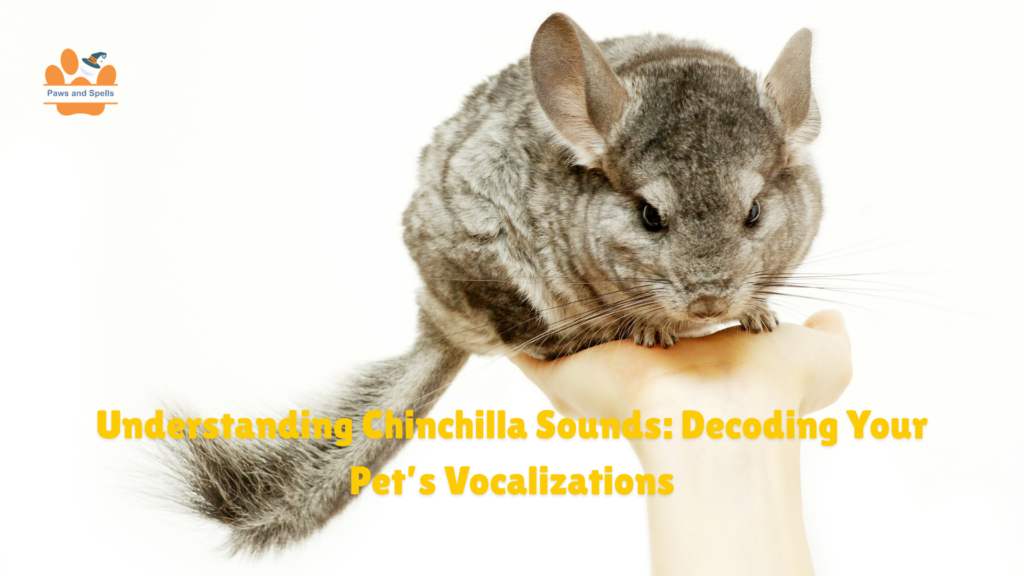
Have you ever pondered if your home is prepared for a pet that necessitates a unique environment to flourish? These gentle, soft-furred creatures have seen a surge in popularity in the United States, as reported by the American Pet Products Association (APPA).
Their endearing appearance often attracts individuals, yet grasping the chinchilla care basics is crucial for their well-being. Ensuring a high-quality existence for these distinct animals transcends mere provision of a cage and sustenance.
Proper preparation is the key to a content and healthy companion. This guide provides reliable advice to navigate the essentials of housing, nutrition, and daily upkeep. Adhering to these evidence-based guidelines will guarantee your new companion feels secure, safe, and cherished in your abode.
Key Takeaways
- Chinchillas are becoming a popular choice for American households, necessitating reliable education for owners.
- Understanding specific environmental needs is essential for maintaining their physical and mental well-being.
- A successful routine includes a balanced diet, consistent grooming, and regular health monitoring.
- Preparation is the most important step for new owners to create a thriving habitat.
- Following expert-backed guidelines helps strengthen the bond between you and your pet.
Understanding Chinchillas: Unique Characteristics
To effectively care for chinchillas, grasping their origins, behavior, and temperament is essential. Originating from South America’s Andes mountains, chinchillas thrive in rocky, mountainous terrains. Replicating their natural habitat in captivity is crucial for their well-being.
Origins and Habitat
Chinchillas hail from the Andes mountains in South America, where they face harsh, cold climates with low humidity. Their habitat is characterized by rocky outcrops and sparse vegetation. The ASPCA highlights their adaptation to these conditions, with thick fur and spatial awareness aiding their survival.
The table below outlines key aspects of a chinchilla’s natural habitat and its implications for their care in captivity:
| Habitat Feature | Description | Implication for Care |
|---|---|---|
| Climate | Cold and dry | Requires a cool, well-ventilated environment |
| Terrain | Rocky and mountainous | Necessitates a spacious cage with opportunities for climbing |
| Vegetation | Sparse | Diet should reflect their natural forage, with a focus on high-quality hay and limited pellets |
Behavior and Temperament
Chinchillas are known for their gentle disposition and social nature. They can, though, be skittish and require careful handling. The ASPCA emphasizes the importance of understanding chinchilla behavior for proper care and handling. They are crepuscular, most active at dawn and dusk, and have a strong instinct to avoid predators.
Key behavioral insights include:
- They are social animals and prefer the company of other chinchillas.
- They have a strong instinct for burrowing and climbing.
- They are sensitive to heat and humidity, which can cause stress.
By understanding these behaviors, owners can better meet their chinchillas’ needs, creating a more comfortable and enriching environment.
Essential Supplies for Chinchilla Owners
Proper chinchilla care begins with the right housing and accessories. It’s vital to create a comfortable and safe space for your pet. This ensures their health and happiness.
Cages and Enclosures
Chinchillas need spacious cages that allow for vertical movement, as they are natural climbers. The Best Friends Animal Society emphasizes the importance of ample space. The cage must be well-ventilated and shielded from direct sunlight to avoid overheating.
Bedding Options
Choosing the right bedding is crucial for a clean and healthy environment. Opt for safe, absorbent materials, avoiding harmful options like pine or cedar shavings. These can pose health risks.
- Safe bedding materials include recycled paper, aspen shavings, and hay.
- Materials that can cause respiratory issues should be avoided.
Food and Water Dispensers
Food and water dispensers must prevent spills and ensure easy access. This maintains cleanliness and reduces waste.
Using the correct dispensers is key to your chinchilla’s health and well-being.
Nutritional Needs of Chinchillas
Understanding the nutritional requirements of chinchillas is essential for their health and well-being. As herbivores, their diet should predominantly consist of high-quality hay, such as timothy hay. This is crucial for maintaining a healthy digestive system.
The high fiber content in hay is vital for preventing digestive issues and ensuring proper tooth wear. While hay should be the primary component, chinchilla pellets can serve as a nutritious supplement but must not replace hay entirely.
Best Types of Food
The ideal diet for chinchillas includes:
- High-quality hay: Timothy hay is recommended due to its high fiber and low protein content.
- Chinchilla pellets: These should be specially formulated for chinchillas and given in moderation.
- Fresh veggies: Limited amounts of fresh vegetables can be given, but it’s crucial to avoid high-sugar or high-starch foods.
Treats and Supplements
Treats should be given sparingly and should not make up a significant portion of their diet. Safe treats include:
- Dried fruit
- Hay-based treats
- Certain types of dried herbs
It’s essential to avoid giving chinchillas foods high in sugar, fat, or starch, as these can lead to health problems.
Feeding Schedule
A consistent feeding schedule is crucial for maintaining the health of chinchillas. Hay should be available at all times, and fresh water should always be accessible. Pellets can be given once a day, and treats should be limited to a few times a week.
By adhering to these guidelines, chinchilla owners can ensure their pets receive the necessary nutrients for optimal health.
Grooming Your Chinchilla
Regular grooming is essential for chinchillas to prevent health issues related to their fur and nails. It not only keeps their fur clean and healthy but also aids in early detection of potential health problems. Chinchillas have specific grooming needs due to their thick, dense fur and continuously growing teeth.
Importance of Regular Grooming
Regular grooming is crucial for maintaining the health and well-being of your chinchilla. It prevents fur matting, reduces the risk of nail overgrowth, and ensures their teeth remain healthy. The American Society for the Prevention of Cruelty to Animals (ASPCA) emphasizes that regular grooming is a key aspect of responsible pet ownership.
Grooming sessions also provide an opportunity to inspect your chinchilla’s overall health. Regularly checking their fur, nails, and teeth allows for early identification of any potential issues. This proactive approach can prevent minor problems from becoming serious health concerns.
Bathing and Dust Baths
Chinchillas require regular dust baths to keep their fur clean. Unlike many other animals, chinchillas should not be bathed in water, as this can cause their fur to become matted and lead to skin problems. Instead, they need access to a dust bath several times a week. The dust helps absorb moisture and oil from their fur, keeping it clean and healthy.
To provide a dust bath, use a container filled withchinchilla-safe dust. The container should be large enough for your chinchilla to roll around in comfortably. After 10-15 minutes, remove the dust bath to prevent your chinchilla from getting too much dust in their fur.
Nail Care and Dental Health
In addition to fur care, nail care is also a critical aspect of grooming. Chinchillas’ nails grow continuously, and if not trimmed regularly, they can become overgrown, leading to discomfort and health issues. It’s essential to trim your chinchilla’s nails carefully to prevent overgrowth.
Similar to nail care, dental health is vital for chinchillas. Their teeth grow continuously, and a diet rich in hay helps keep their teeth trimmed. Providing plenty of hay and avoiding too many treats can help maintain good dental health. Regular checks by a veterinarian are also recommended to ensure your chinchilla’s teeth are healthy.
Creating a Comfortable Environment
To ensure your chinchilla lives a long and healthy life, their environment must be carefully considered. A comfortable environment is foundational to their overall well-being.
Ideal Temperature and Humidity
Chinchillas are sensitive to temperature and humidity. The ideal temperature range for chinchillas is between 60°F to 75°F (15°C to 24°C), with humidity levels kept low, ideally between 40% to 60%. Maintaining this environment helps prevent heat stress.
Key Environmental Factors:
- Temperature range: 60°F – 75°F (15°C – 24°C)
- Humidity levels: 40% – 60%
Handling Stress and Noise
Minimizing stress and noise is crucial for chinchillas, as they can be easily frightened. Placing their cage in a quiet area of your home and avoiding sudden movements can help reduce stress.
Tips for a Stress-Free Environment:
- Place the cage in a quiet room.
- Avoid sudden noises and movements.
- Ensure a stable and predictable daily routine.
Adding Enrichment
Adding enrichment activities and toys can help keep chinchillas stimulated and happy. This can include providing chew toys, climbing structures, and hiding places.
- Chew toys made from safe materials like wood or hay
- Climbing structures for exercise
- Hiding places to reduce stress
Socialization and Bonding
Establishing a robust bond with your chinchilla necessitates patience, comprehension, and a delicate touch. Socialization is paramount in forging a trusting connection with your pet, as underscored by Rescue Me and Save-A-Pet USA. Committing time each day to engage with your chinchilla fosters their tameness and affection.
Time Needed for Bonding
The duration required to bond with a chinchilla varies based on the individual’s temperament and past experiences. Typically, consistent daily interaction for at least 30 minutes to an hour is advised. This can involve simply sitting with your chinchilla, allowing them to become accustomed to your presence, voice, and scent.
Consistency is crucial in the bonding process. Regular interaction aids in your chinchilla’s comfort with your presence, diminishing stress and deepening the bond.
Gentle Handling Techniques
Gentle handling is critical when interacting with your chinchilla. It’s imperative to move slowly and carefully to prevent startling them. Support their body fully when lifting them, and eschew sudden movements or loud noises. Observing your chinchilla’s behavior and body language is also vital; if they seem stressed or uncomfortable, it’s advisable to grant them space.
By understanding and respecting your chinchilla’s boundaries and needs, you can forge a strong, trusting relationship. This not only improves their quality of life but also enriches your experience as a pet owner.
Health Care Basics for Chinchillas
Proactive health care is essential for chinchilla owners to detect health problems early. Chinchillas face specific health challenges that can be managed with the right knowledge and regular care.
Recognizing Common Illnesses
Chinchillas are prone to various health issues, including respiratory infections, overgrown teeth, and fur mites. Early recognition of these illnesses is critical for effective treatment.
Common signs of illness in chinchillas include:
- Changes in appetite or water intake
- Lethargy or lack of activity
- Discharge from the eyes or nose
- Changes in stool or urine output
Regular monitoring of your chinchilla’s behavior and health is key to early detection of potential issues.
Annual Veterinary Check-Ups
Annual check-ups with a veterinarian experienced in caring for chinchillas are crucial. These visits can identify health problems that may not be immediately apparent.
A typical veterinary check-up for a chinchilla may include:
| Examination | Description |
|---|---|
| Weight Check | Monitoring weight to ensure it’s within a healthy range |
| Dental Examination | Checking for signs of overgrown teeth or dental malocclusion |
| Fur and Skin Inspection | Looking for signs of fur mites, fungal infections, or other skin issues |
Vaccinations and Preventative Care
While vaccinations are not commonly administered to chinchillas, preventative care is vital. This includes maintaining a clean environment, ensuring proper diet, and regular health monitoring.
Preventative measures such as:
- Providing a balanced diet rich in hay and limited in pellets
- Ensuring access to fresh water at all times
- Maintaining a clean cage environment
Understanding Chinchilla Behavior
Chinchillas display a variety of behaviors that are both fascinating and insightful. These behaviors offer a glimpse into their natural instincts. They also aid in identifying potential issues early on.
Chinchillas are crepuscular animals, meaning they are most active during dawn and dusk. This natural behavior stems from their origins in the Andes mountains. There, these times of day provide the most favorable conditions for foraging.
Common Behaviors and What They Mean
Chinchillas exhibit a range of behaviors considered normal. These include:
- Burrowing and digging: Chinchillas have a natural instinct to burrow and dig. This is a leftover from their wild ancestors, who used burrows to escape predators.
- Chewing: Chinchillas are known to chew on various materials. This behavior is essential for wearing down their teeth, which grow continuously.
- Vocalizations: Chinchillas make various sounds to communicate. They squeak when they’re scared or excited.
Understanding these behaviors aids in providing appropriate environments and activities for pets.
Signs of Stress or Discomfort
While some behaviors are normal, others can indicate stress or discomfort. Recognizing these signs is crucial for addressing any issues promptly.
- Fur chewing or barbering: This can be a sign of stress, boredom, or environmental factors.
- Avoidance behaviors: If a chinchilla avoids certain activities or areas, it may indicate discomfort or fear.
- Changes in appetite or activity level: A decrease or increase in appetite or activity can signal health issues or stress.
By being aware of these signs, owners can take steps to mitigate stress. This ensures their chinchilla’s well-being.
Playtime and Exercise Requirements
Exercise and play are fundamental to a chinchilla’s daily life. These active creatures need regular physical activity outside their cages to remain healthy and content. Such activities are crucial for their well-being.
Safe Play Areas
Ensuring a safe play area for chinchillas is paramount. This entails removing harmful substances, electrical cords, and fragile objects. The space must also be well-ventilated and at a comfortable temperature.
The American Society for the Prevention of Cruelty to Animals (ASPCA) emphasizes the importance of making the play area safe from chinchilla injuries.
Toys and Play Equipment
Offering a variety of toys and play equipment is essential for keeping chinchillas engaged and active. Recommended items include:
- Wooden chew toys
- Tunnels and tents
- Climbing structures
- Exercise balls
A comparison of different toy types is provided below:
| Toy Type | Benefits | Safety Considerations |
|---|---|---|
| Wooden Chew Toys | Helps maintain dental health | Ensure the wood is untreated and safe for chewing |
| Tunnels and Tents | Provides hiding places and reduces stress | Regularly inspect for damage or wear |
| Climbing Structures | Promotes exercise and exploration | Ensure stability to prevent accidents |
Engaging in chinchilla enrichment activities is not just a recommendation; it’s a necessity for their overall well-being.
Troubleshooting Common Care Issues
Effective chinchilla care necessitates proactive anticipation and resolution of potential issues. Understanding common problems and implementing sound husbandry practices ensures pets’ health and happiness. This approach is crucial for maintaining a harmonious relationship between owners and their chinchillas.
Addressing Behavioral Issues
Behavioral problems, such as excessive chewing or aggression, can often be mitigated by adjusting the environment or providing additional stimulation. Ensuring adequate space, toys, and social interaction can significantly reduce stress and undesirable behaviors.
Managing Diet-Related Issues
Diet-related issues can be managed by maintaining a balanced diet and avoiding sudden changes. Chinchilla owners should prioritize high-quality hay, limit pellets, and introduce new foods gradually. Consulting with a veterinarian is advisable for persistent health issues.
By staying informed and applying these husbandry tips, owners can overcome common care challenges and strengthen their bond with their pets.
FAQ
What are the primary chinchilla care basics every new owner should know?
What type of enclosure provides proper chinchilla housing?
What are the most important chinchilla diet essentials?
How often should I follow a chinchilla grooming guide for dust baths?
Where can I find chinchilla behavior insights to understand my pet’s mood?
What should be included in a routine chinchilla health checklist?
What are some effective chinchilla husbandry tips for maintaining a stress-free environment?
How can I incorporate chinchilla enrichment activities into their daily routine?
How do I bond with a chinchilla adopted from a rescue?
Why is dental health so critical for chinchillas?
References:
This article was created based on information from the following authoritative sources: American Society for the Prevention of Cruelty to Animals (ASPCA) and Royal Society for the Prevention of Cruelty to Animals (RSPCA).