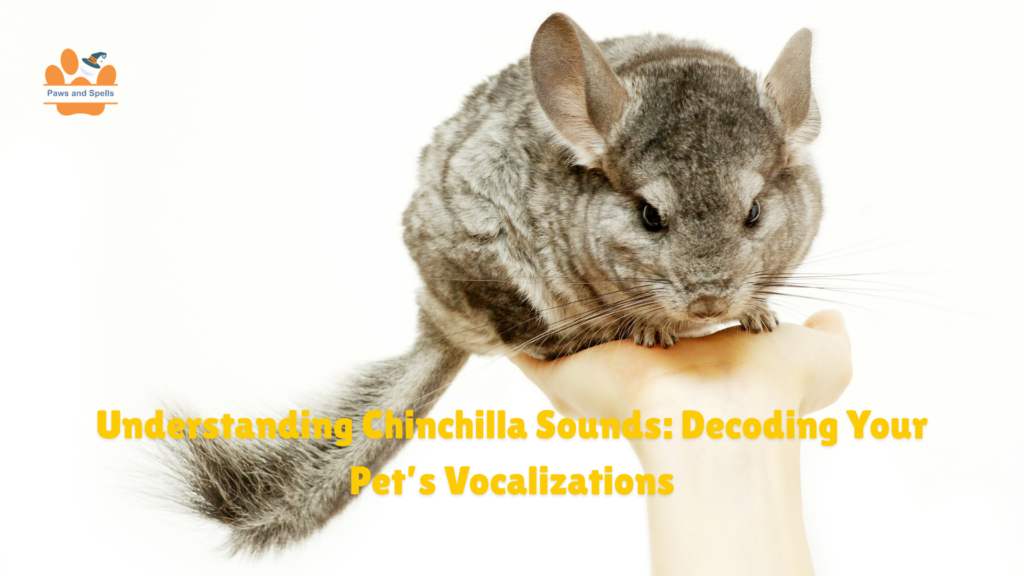
Ever ponder if your lively companion is getting enough exercise? Ensuring a safe environment is crucial for your pet’s long-term health. The American Pet Products Association (APPA) emphasizes the importance of active play in animal care.
Choosing the right chinchilla exercise wheel demands focus on safety and material quality. Many owners seek a durable chinchilla exercise wheel for sale. Yet, they often neglect the need for a solid surface to prevent foot injuries. High-quality equipment is key to keeping your pet safe and energetic.
Designing a dedicated play area promotes both mental and physical health. We will discuss how to create the ideal play zone for your pet’s happiness and safety daily.
Key Takeaways
- Physical activity is vital for maintaining the health of small pets.
- Always prioritize solid surfaces to protect delicate feet from injury.
- Researching quality gear ensures a safer environment for your animal.
- Enriching play areas help reduce stress and boredom in captivity.
- Consulting professional guidelines helps you make informed purchasing decisions.
Understanding the Importance of Exercise for Chinchillas
Chinchillas need regular exercise to stay physically and mentally healthy. Exercise is key in preventing obesity, which can cause more serious health problems if not managed. The American Society for the Prevention of Cruelty to Animals (ASPCA) stresses the need for pets to exercise to avoid obesity and other health issues.
Exercise boosts chinchillas’ health by improving their heart health, strengthening muscles, and enhancing mental stimulation. Without enough exercise, chinchillas may face behavioral problems and a lower quality of life.
Benefits of Regular Exercise
Regular exercise offers many benefits for chinchillas, including:
- Improved cardiovascular health
- Weight management
- Enhanced mental stimulation
- Reduced risk of behavioral problems
Exercise is vital not just for physical health but also for mental well-being. A stimulated chinchilla is less prone to stress-related behaviors.
| Benefits of Exercise | Description |
|---|---|
| Improved Cardiovascular Health | Regular exercise strengthens the heart and improves circulation. |
| Weight Management | Exercise helps burn calories and maintain a healthy weight. |
| Enhanced Mental Stimulation | Physical activity reduces boredom and stress. |
Signs Your Chinchilla Needs More Exercise
Recognizing when your chinchilla needs more exercise is essential for their health. Common signs include:
- Lethargy or lack of activity
- Weight gain or obesity
- Behavioral problems such as excessive chewing or pacing
If you see these signs, it’s time to review your chinchilla’s exercise routine. Adjustments may be needed to ensure they get enough physical activity.
Features to Look for in a Chinchilla Exercise Wheel
Ensuring your chinchilla’s safety and enjoyment is paramount when selecting an exercise wheel. The right wheel can significantly boost your pet’s health and happiness. It’s crucial to focus on specific features that cater to their needs.
Material Safety Considerations
The material of the exercise wheel is vital for your chinchilla’s safety. Safe materials must be durable and non-toxic, capable of withstanding gnawing and activity. Opt for wheels constructed from solid, untreated wood or high-quality plastics. Avoid wheels with sharp edges, loose parts, or materials prone to splintering.
The American Society for the Prevention of Cruelty to Animals (ASPCA) emphasizes the importance of safe cage accessories. Thus, when choosing an exercise wheel, a thorough inspection for hazards is essential.
Size and Design Elements
The size and design of the exercise wheel are critical. A wheel that’s too small can cause your chinchilla to arch its back, leading to discomfort and injury. Aim for a diameter of 15 inches or more. The design should also prevent tail or limb entanglement, ensuring a safe and enjoyable experience.
- A sturdy and stable base to prevent the wheel from tipping over
- A smooth-running mechanism to encourage continuous use
- A design that allows for easy cleaning and maintenance
By prioritizing these features, you can select a best chinchilla exercise wheel that meets your pet’s needs and enhances their well-being.
Types of Exercise Wheels Suitable for Chinchillas
Choosing the right exercise wheel for your chinchilla is essential. They need safe, reliable equipment to prevent injuries and ensure they exercise adequately.
There are two main types of exercise wheels for chinchillas: solid and wire. The key difference lies in their design and safety features.
Solid Wheels vs. Wire Wheels
Solid wheels are safer for chinchillas as they prevent fur or limbs from getting caught in wire. The American Society for the Prevention of Cruelty to Animals (ASPCA) emphasizes the importance of injury prevention in pet care. Solid wheels offer a continuous, smooth surface, reducing accident risks.
Wire wheels can be risky if the mesh is too large or the wire is not sturdy. Yet, some wire wheels are designed with safety in mind, featuring fine mesh to minimize entrapment risks.
- Solid wheels provide a safer, continuous running surface.
- Wire wheels can be safe if they have a fine mesh and are well-constructed.
Rescue Me and Save-A-Pet USA recommend solid wheels for their safety benefits. The wheel’s size is also crucial, with larger wheels better suited for adult chinchillas. Larger wheels allow for a more natural running motion, reducing injury risks.
Brands to Consider
Several brands are known for producing high-quality, safe exercise wheels for chinchillas. When choosing a brand, consider material safety, size, and customer reviews. Brands endorsed by pet welfare organizations like the ASPCA are often a good choice.
Here are a few brands to consider:
- Brand A – Known for their durable and safe solid wheels.
- Brand B – Offers a range of wire wheels with fine mesh for safety.
- Brand C – Provides large, sturdy wheels suitable for adult chinchillas.
When selecting an exercise wheel, reading chinchilla wheel reviews from other pet owners is beneficial. It helps understand the product’s performance and safety record. Ensuring the wheel is the appropriate chinchilla wheel size for your pet is also crucial for their comfort and safety.
How to Introduce an Exercise Wheel to Your Chinchilla
Introducing a chinchilla exercise wheel necessitates patience and a step-by-step approach. The Best Friends Animal Society emphasizes the importance of gradual introduction to new environments and toys to minimize pet stress. This principle is directly applicable to introducing a new exercise wheel to your chinchilla.
Steps for Gradual Introduction
To successfully introduce the exercise wheel, follow these steps:
- Place the wheel in the cage and allow your chinchilla to explore it at its own pace.
- Start by letting your chinchilla become familiar with the wheel’s presence without feeling compelled to use it immediately.
- Encourage exploration by placing treats near or on the wheel.
Monitoring Your Chinchilla’s Reaction
Monitoring your chinchilla’s reaction to the new exercise wheel is crucial. Look for signs of fear or hesitation, such as avoiding the wheel or displaying stress behaviors like fur chewing or excessive hiding.
If you notice any adverse reactions, slow down the introduction process. The goal is to make your chinchilla feel comfortable and confident around the new chinchilla toy.
| Signs of Comfort | Signs of Stress |
|---|---|
| Curiosity towards the wheel | Avoiding the wheel |
| Voluntary use of the wheel | Stress behaviors (fur chewing, hiding) |
Alternative Exercise Options for Chinchillas
Exercise wheels are a fantastic way to keep your chinchilla active. Yet, other exercise options can add variety and stimulation. It’s crucial to create a safe, engaging environment outside their cage for their well-being.
Recommended Play Areas
Creating a chinchilla-proof play area can offer your pet a new environment and stimulate their curiosity. This can be achieved by:
- Utilizing a large, enclosed space or room for your chinchilla to roam freely.
- Removing any hazardous materials or objects that could be harmful.
- Incorporating hiding places and toys to encourage exploration.
The American Society for the Prevention of Cruelty to Animals (ASPCA) emphasizes the importance of a stimulating environment for pets’ mental and physical health.
Interactive Toys
Interactive toys are vital in challenging and engaging your chinchilla. They promote physical activity and mental stimulation. Some examples include:
- Tunnels and mazes that encourage exploration and navigation.
- Toys filled with treats that challenge your chinchilla to figure out how to get them out.
- Climbing structures that allow your chinchilla to exercise their natural climbing behavior.
A well-rounded exercise routine should include a variety of activities and toys. Here’s a comparison of different exercise options:
| Exercise Option | Benefits | Precautions |
|---|---|---|
| Exercise Wheels | Provides cardiovascular exercise, helps maintain weight | Ensure the wheel is safe and suitable for chinchillas |
| Play Areas | Offers a change of environment, stimulates exploration | Ensure the area is chinchilla-proofed |
| Interactive Toys | Challenges and engages, promotes mental stimulation | Rotate toys regularly to prevent boredom |
By incorporating a mix of these exercise options, you can ensure your chinchilla leads a happy, healthy life.
Safety Tips for Using Exercise Wheels
Ensuring the safe use of exercise wheels for chinchillas is crucial for their overall well-being and happiness. Chinchillas are naturally active creatures that require regular exercise to stay healthy.
Avoiding Injuries
To avoid injuries, it’s essential to ensure that the exercise wheel is appropriately sized for your chinchilla and is free from any hazards.
- The wheel should be sturdy and securely attached to the cage to prevent it from tipping over.
- Regularly inspect the wheel for any signs of wear and tear, such as sharp edges or loose parts.
Regular Maintenance Practices
Regular maintenance is key to keeping the chinchilla cage accessory safe and clean for your chinchilla.
- Clean the wheel regularly to prevent the buildup of bacteria and odors.
- Check the wheel’s stability and ensure it remains securely positioned in the cage.
Incorporating Playtime with Exercise Wheels
Integrating exercise wheels into your chinchilla’s daily activities can greatly improve their life quality. A diverse activity schedule keeps them stimulated and active. This variety is crucial for their overall well-being.
Creating a Balanced Activity Schedule
Designing a balanced activity schedule is essential. Allocate specific times for different activities. For instance, use the morning and evening for exercise wheel sessions. Reserve afternoons for play in designated areas or with interactive toys.
A well-structured schedule could be as follows:
| Time | Activity | Duration |
|---|---|---|
| Morning | Exercise Wheel | 30 minutes |
| Afternoon | Playtime in Play Area | 60 minutes |
| Evening | Exercise Wheel | 30 minutes |
Engaging Playtime Ideas
Beyond exercise wheels, there are numerous ways to engage your chinchilla. Interactive toys stimulate their mind, while tunnels and climbing structures challenge their body.
Some engaging playtime ideas include:
- Rotating toys regularly to keep the environment interesting
- Creating obstacle courses using tunnels and boxes
- Providing chew toys to satisfy their natural instinct to chew
By incorporating these activities into your chinchilla’s daily routine, you can ensure they remain happy, healthy, and engaged.
Addressing Common Concerns about Exercise Wheels
Exercise wheels can be a valuable tool for chinchilla exercise, but several concerns and misconceptions need to be addressed to ensure their safe use. Chinchilla owners often worry about the potential risks associated with exercise wheels, such as injury or stress to their pets.
To alleviate these concerns, it’s essential to understand the potential risks and misconceptions surrounding exercise wheels. Some owners may believe that all exercise wheels are created equal, or that any wheel is better than none at all. This belief is not accurate.
Potential Risks and Misconceptions
One common misconception is that wire mesh wheels are safe for chinchillas. These can cause serious injuries, including fur loss, skin irritation, and even broken limbs. It’s crucial to choose a solid, smooth-surfaced wheel to prevent such injuries.
Another risk is the wheel’s size and design. A wheel that is too small can cause the chinchilla to arch its back, leading to spinal problems. Choosing a wheel that is large enough and properly designed for chinchillas is vital.
Questions to Ask When Choosing a Wheel
When selecting an exercise wheel for your chinchilla, there are several questions to ask. First, consider the material: is it safe and durable? Second, think about the size: is it large enough for your chinchilla to run comfortably? Third, examine the design: is it sturdy and well-constructed?
- Is the wheel made from a safe, non-toxic material?
- Is the wheel large enough to accommodate my chinchilla’s size and running style?
- Is the wheel’s surface smooth and even to prevent injuries?
By asking these questions and understanding the potential risks and misconceptions, you can make an informed decision when choosing a chinchilla exercise wheel for sale or other chinchilla toys. This will help ensure that your pet stays safe and healthy while enjoying the benefits of exercise.
DIY Exercise Wheel Options for Chinchilla Owners
Building a DIY exercise wheel for your chinchilla can be a fulfilling endeavor. It offers the chance to tailor the wheel to your pet’s unique needs, ensuring a safe and enjoyable experience.
When contemplating a DIY chinchilla exercise wheel, prioritizing your pet’s safety and comfort is paramount. The wheel must be sturdy, well-balanced, and constructed from safe materials.
Guidelines for Building Your Own Wheel
To construct a safe and functional chinchilla wheel, adhere to these guidelines:
- Opt for a diameter and width that suits your chinchilla’s size and movement.
- Ensure the wheel is stable and securely attached to prevent accidents.
- Select materials that are non-toxic and durable.
Design elements that captivate your chinchilla’s interest are also crucial.
Materials You Can Use
The selection of materials is vital when crafting a DIY exercise wheel. Suitable options include:
- Sturdy plastic or metal for the frame and wheel structure.
- Wood or solid surfaces for a safe running area.
- Non-toxic coatings or paints for decoration and protection.
By meticulously choosing the right materials and adhering to the guidelines, you can create a chinchilla exercise wheel that is both fun and safe for your pet.
The Role of Exercise in Chinchilla Well-being
Exercise is essential for chinchillas, boosting their physical health and fostering positive behaviors and social interactions. It is a cornerstone in ensuring their overall well-being.
How Exercise Affects Behavior
Exercise profoundly impacts chinchilla behavior. It reduces stress and anxiety, leading to a more serene and engaging pet. Regular physical activity encourages natural behaviors like hopping and exploring.
Exercise helps prevent behavioral issues such as fur chewing and cage bar biting, symptoms of stress or boredom. Adequate chinchilla exercise equipment supports a balanced lifestyle for pets.
The Importance of Social Interaction
Social interaction is crucial for a chinchilla’s well-being, influenced by exercise. Chinchillas, being social creatures, benefit from interaction with both humans and other chinchillas. Exercise areas and wheels create a safe space for play and bonding.
Exercise with other chinchillas allows for social behaviors like grooming and play, vital for their emotional and psychological health. Incorporating chinchilla cage accessories that foster social interaction is highly beneficial.
| Exercise Method | Benefits | Considerations |
|---|---|---|
| Exercise Wheels | Provides continuous exercise, reduces boredom | Must be safe and appropriately sized |
| Play Areas | Allows for social interaction, varied activities | Requires regular cleaning and safety checks |
| Interactive Toys | Stimulates mental health, encourages natural behavior | Needs to be rotated regularly to maintain interest |
Summary of Key Points on Chinchilla Exercise Wheels
Choosing the right exercise wheel is vital for your chinchilla’s health and happiness. Understanding the importance of exercise and the features to look for in a wheel is essential. This knowledge allows you to make an informed decision.
Recap of Benefits and Best Practices
A suitable exercise wheel offers numerous benefits, including improved physical health and mental stimulation. When selecting a wheel, consider factors such as size and material safety. Reading chinchilla wheel reviews can also guide your decision-making process.
Final Thoughts on Choosing the Right Wheel
The right exercise wheel can significantly enhance your chinchilla’s quality of life. If you’re looking to purchase a wheel, prioritize your pet’s safety and well-being. This investment ensures a happy and healthy companion.
FAQ
Why is a chinchilla wheel necessary for my pet’s health?
What is the recommended chinchilla wheel size for an adult?
Is a wire or solid surface better for a chinchilla cage accessory like a wheel?
How should I introduce new chinchilla exercise equipment to my pet?
What should I look for when reading chinchilla wheel reviews?
Can a chinchilla toy replace the need for an exercise wheel?
How do I maintain my chinchilla exercise equipment to ensure long-term safety?
References:
This article was created based on information from the following authoritative sources: American Society for the Prevention of Cruelty to Animals (ASPCA) and Royal Society for the Prevention of Cruelty to Animals (RSPCA).