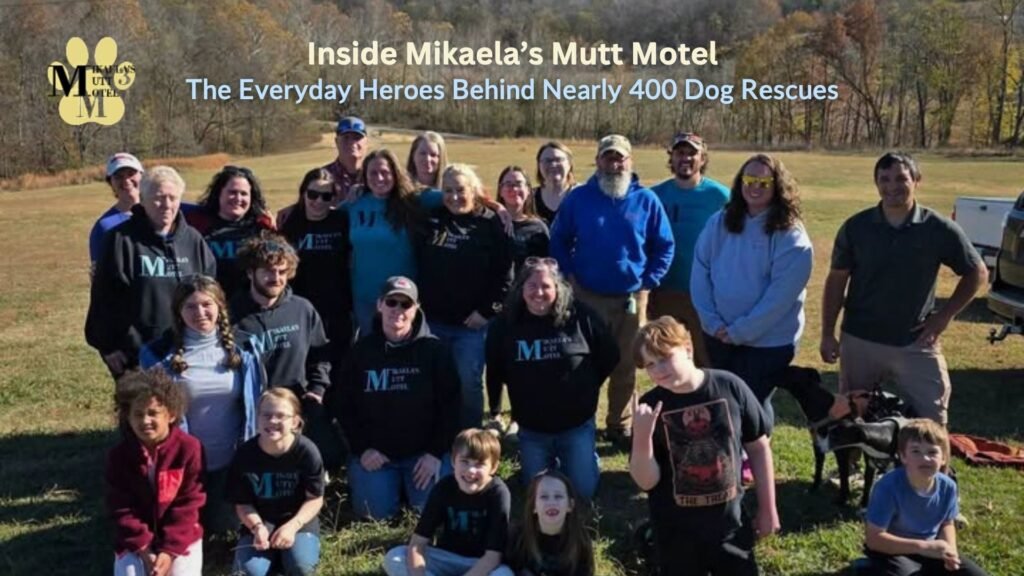
In Clarksville, Tennessee, Mikaela’s Mutt Motel has built its work around dogs who are often the hardest to place. Founded in May 2022, the woman- and veteran-run nonprofit has rescued nearly 400 dogs, including animals facing serious medical conditions, behavioral challenges, and uncertain futures. What began with founder Mikaela’s personal commitment to helping overlooked dogs has grown into a volunteer-operated rescue supported by foster families, veterinary professionals, donors, and community partners.
Behind each rescue is a demanding process that extends well beyond bringing a dog to safety. Medical treatment, transportation, foster placement, rehabilitation, and finding the right adoptive home all require time, resources, and coordination. To better understand how this work happens, Paws & Spells invited Mikaela’s Mutt Motel to share its story through a written interview. Sam Carr, the organization’s Director of Operations, provided the following responses on behalf of the rescue team, discussing its beginnings, daily challenges, community relationships, and plans for the future.
EDITORIAL INTERVIEW
Interviewee: Sam Carr, Director of Operations
Organization: Mikaela’s Mutt Motel
Interview by: H.KH, Paws & Spells Written Q&A
1. What led Mikaela to start the rescue, and how has the organization changed since those early days?
Animals have always been a huge part of Mikaela’s life. Her childhood dogs, Lucky and Buddy, were her best friends and some of the only constants in her life as her family moved between multiple states.
As soon as Mikaela got her first apartment, before she even had a bedframe or couch, she went straight to the animal shelter to find a dog.
That’s where everything began.
Mikaela originally went to meet a dog named Toby. However, while visiting the shelter, she noticed another dog who was a little on the wild side. When she asked about him, shelter staff explained that he had arrived as a stray and was extremely hyperactive, reactive, and mouthy.
Her response was simple: “I’ll take him.”
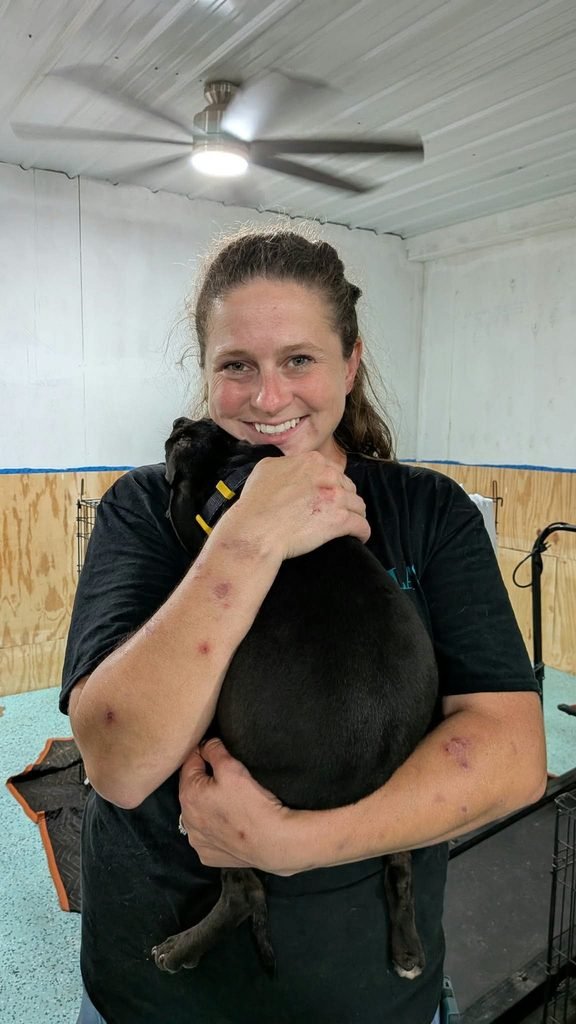
The staff encouraged her to meet other dogs, but Mikaela wasn’t leaving without him. There was an instant connection. That dog, later named Ace, taught Mikaela about the resilience, unwavering loyalty, and unconditional love that dogs are capable of giving.
In 2016, while serving in the United States Army, Mikaela began fostering dogs. Her dedication to volunteer service eventually earned her the Military Outstanding Volunteer Service Medal.
In May 2022, she decided that the dogs who were so often overlooked, particularly those with medical conditions, behavioral challenges, or little hope of finding placement, deserved someone willing to fight for them. Mikaela’s Mutt Motel officially became a reality.
Since our founding, we have rescued nearly 400 dogs, affectionately known as our Mutts. What began with a lifelong love for animals has grown into a woman- and veteran-run nonprofit dedicated to giving second chances to dogs who might otherwise never receive one.
Our focus on medically and behaviorally challenging cases means our veterinary expenses are substantial. We’ve provided everything from routine vaccinations and preventative care to heartworm treatment, cancer treatment, TPLO surgeries, and ocular surgeries.
None of this would be possible without the incredible support of our community.
2. What was one of the biggest challenges when you were getting started? How did you work through it?
Our very first rescue dog had heartworm disease.
Imagine starting a rescue with no established reputation, no donor base, and no financial safety net, only to discover that your very first dog needs expensive medical treatment.
We knew he deserved that treatment, but figuring out how to pay for it was another story.
We started small, posting flyers at our veterinary office and local businesses, sharing his story, and asking our community for help.
Slowly but surely, people began believing in what we were doing. We earned their trust, built relationships, and developed an amazing network of supporters who continue to stand behind our mission today.
That experience taught us something important very early on: rescue takes more than a big heart. It takes an entire community willing to come together for animals who cannot advocate for themselves.
3. What does the process look like today, from taking in a dog to finding a foster home and eventually an adoptive home? Who handles each step?
At Mikaela’s Mutt Motel, we have a special place in our hearts for the dogs nobody else wants.
The ones who have spent months or even years waiting in shelters. The ones with complicated medical conditions. The ones whose behavioral challenges make other rescues hesitant to accept them.
We don’t shy away from a challenge. In fact, those are often the dogs who need us most.
Our mission is simple: “Our mission at Mikaela’s Mutt Motel is to rescue stray, neglected, and unwanted dogs. We foster our rescues providing love, care, and training until they are prepared for adoption into the families they deserve.”
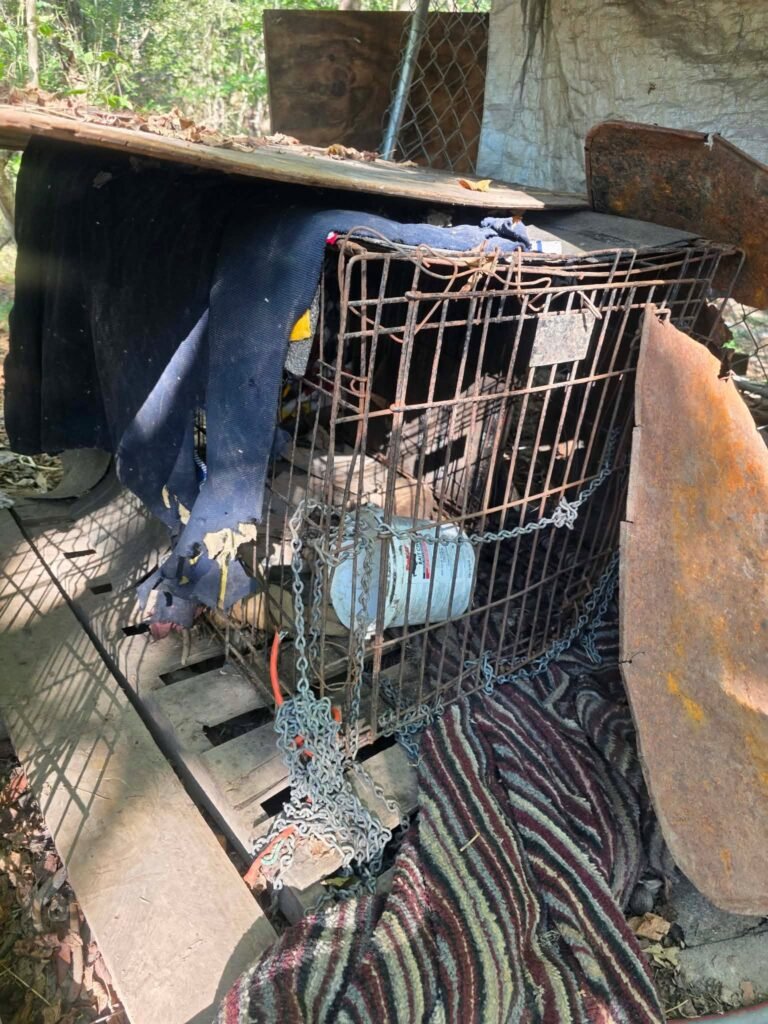
We are primarily a foster-based rescue, meaning we depend on individuals and families opening their homes to dogs in need. Our recent large-scale hoarding case was an exception because those dogs needed somewhere to go immediately. We brought them to our Rescue Ranch, where we could provide safety and care while working toward their next steps.
Our intake process involves evaluating the needs of each dog, determining what medical attention or behavioral support may be necessary, and identifying an appropriate placement. Our volunteer team coordinates these responsibilities, from veterinary care and transportation to foster placement and adoption.
Potential fosters complete an application, which our team reviews to determine whether their home, experience, and lifestyle are a good match for a particular dog.
And here’s something we wish more people knew: we provide EVERYTHING!
Food, veterinary care, medications, preventatives, kennels, toys, treats, and other necessary supplies are covered by the rescue. Our foster families provide the one thing we cannot purchase: a safe, loving home where a dog can begin to heal.
Our adoption process is similar. Interested families submit an application, and we work to determine whether the dog and household are compatible. We want every placement to be successful, and that means considering the dog’s personality, needs, and the family’s expectations.
We also emphasize that fostering and adopting require commitment, consistency, and patience. Some of our dogs have never known stability, and others are learning what it means to trust people for the first time.
We aren’t interested in simply finding a dog somewhere to live. We want to find them a home where they will be loved and understood for the rest of their lives.
4. What are the hardest parts of running the rescue day to day? Do foster availability, volunteer coordination, transport, funding, or paperwork affect how many dogs you can take in?
Without question, one of our greatest challenges is finding foster homes.
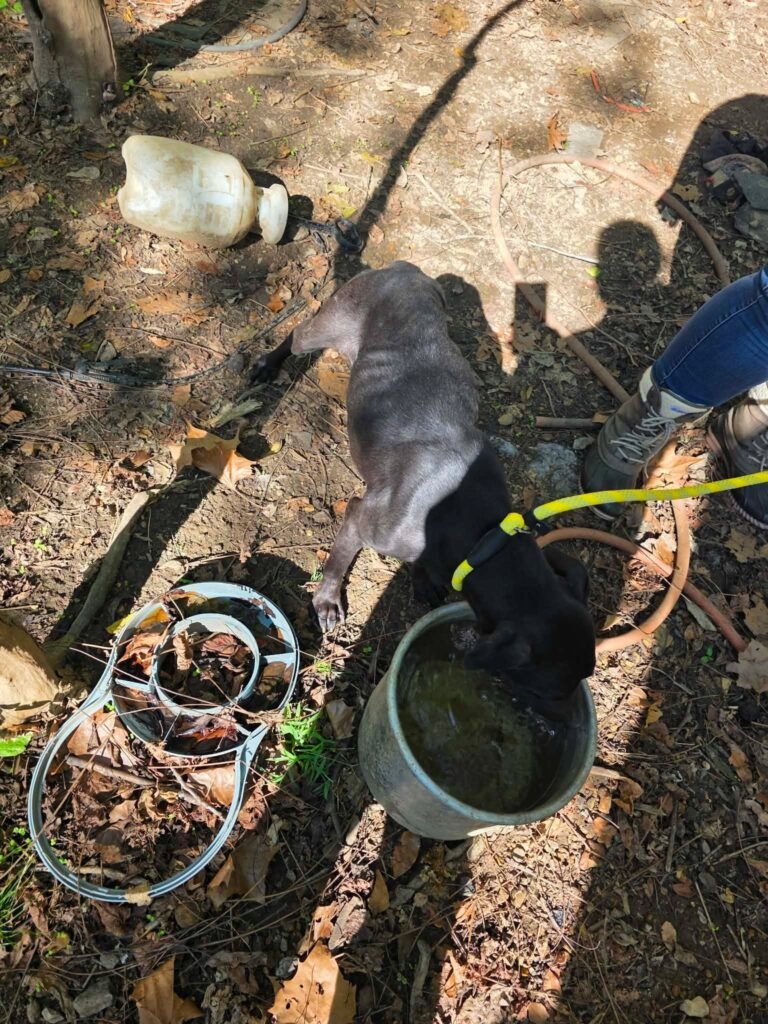
Every day, dogs are being abandoned, surrendered, neglected, and euthanized because shelters are overcrowded and resources are limited. We see their faces, hear their stories, and receive desperate pleas for help.
But no matter how badly we want to save them, we cannot take in dogs without having somewhere safe for them to go.
People sometimes assume that because we’re a rescue, we can simply take another dog. Unfortunately, it isn’t that simple. Every dog requires food, medical care, supplies, attention, and an appropriate environment.
Our organization is also operated entirely by volunteers. Behind every adoption photo is an enormous amount of work that most people never see.
Our team coordinates veterinary appointments, transportation, medications, foster placements, adoption applications, fundraising, community events, and daily animal care. We answer emails, review records, manage unexpected emergencies, and work to ensure that every dog receives individualized attention.
And we do all of this while balancing our own jobs, families, and personal responsibilities.
There is also an emotional side to rescue that is difficult to explain.
Having to tell a shelter that we cannot accept a dog because we don’t have an available foster home is heartbreaking. Knowing that an animal desperately needs help but not having the resources to provide it is one of the most difficult parts of what we do.
We wish more people understood that when we ask for foster families, we aren’t simply asking for volunteers.
We’re asking for the opportunity to save another life.
5. What makes it hardest to get dogs the medical care or rehabilitation they need? How does your team handle treatment costs, specialist appointments, or long-term care?
Funding is our greatest obstacle.
Because we intentionally rescue dogs with medical and behavioral challenges, our veterinary expenses can be overwhelming. We have taken on heartworm disease, cancer treatments, orthopedic surgeries, serious eye conditions, and other medical issues that require extensive care.
Sometimes, we don’t even know the full extent of a dog’s condition when they arrive.
What initially appears to be a relatively straightforward rescue can quickly turn into thousands of dollars in medical expenses. A routine examination may reveal an underlying illness, an old injury, or a condition requiring specialized treatment.
And medical treatment isn’t always a quick process.
Some dogs require months of medication, follow-up appointments, restricted activity, or rehabilitation before they’re healthy enough for adoption. Others need ongoing behavioral support to overcome fear, build confidence, and learn how to navigate everyday life.
Finding foster families who can accommodate those needs can be just as difficult as paying for treatment.
We rely heavily on donations and fundraising to cover veterinary expenses, while our volunteers help coordinate appointments, transportation, medications, and recovery plans.
One of the most difficult realities is that a single unexpected medical emergency can significantly affect our financial resources.
But we believe a dog’s value should never be determined by how much their medical care costs or how difficult their rehabilitation may be.
These animals deserve a chance, too.
6. What challenges do you see adopters facing before adoption or in the first few weeks at home? How does your team help them through those challenges?
One of the biggest challenges we see is a lack of patience and unrealistic expectations.
Some people bring a newly adopted dog home and expect them to immediately behave like a perfectly adjusted family pet.
But imagine being taken from everything familiar, placed in an entirely new environment, surrounded by unfamiliar people, smells, sounds, and routines, and being expected to understand everything from the very first day.
That’s what many of these dogs experience.
We strongly encourage adopters to follow the 3-3-3 rule, a general guideline explaining that dogs may need approximately three days to decompress, three weeks to begin adjusting to their new routine, and three months to feel more comfortable and secure.
Of course, every dog is different. Some adjust quickly, while others need considerably more time.
We encourage families to give their new dogs space, establish consistent routines, introduce new experiences gradually, and avoid overwhelming them with too much too soon.
Accidents, nervousness, hiding, barking, or difficulty settling in don’t necessarily mean a dog is a bad match. Sometimes, it simply means they need more time.
We work to prepare adopters for these realities before placement by discussing the dog’s individual needs, temperament, and the importance of patience and consistency.
We want people to understand that adoption is a lifelong commitment.
These dogs have already experienced enough uncertainty. They deserve families who will give them the time they need to feel safe.
7. What questions or concerns do adopters raise most often, and how does your team respond to them?
One of the questions we receive most often is, “Can we meet the dog before adopting?”
Our answer is always YES!
We encourage meet-and-greets because finding the right match is incredibly important to us. We want potential adopters to get to know the dog, ask questions, and determine whether the relationship feels right.
We would much rather take additional time finding the right family than rush an adoption that ultimately isn’t successful.
Another common question is whether our dogs are vaccinated and spayed or neutered.
All of our dogs receive age-appropriate vaccinations, and we ensure they are spayed or neutered before adoption. Their health and well-being are priorities from the moment they enter our care.
And then there’s one of our favorite questions: “What breed is this dog?”
The answer? We usually have absolutely no idea!
Most of our dogs are mixed breeds, and without genetic testing, determining their exact ancestry is often impossible.
But that’s part of what makes them so wonderful. They come in every shape, size, color, and personality imaginable.
We care far more about who they are than what breed they might be.
Ultimately, we welcome questions from potential adopters. We’d rather someone ask a hundred questions before adopting than feel overwhelmed or unprepared afterward.
Our goal is to create lasting relationships between dogs and families, not simply complete adoptions.
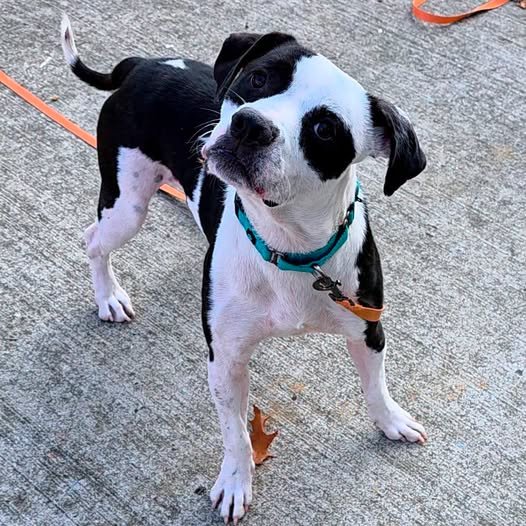
8. How does Mikaela’s Mutt Motel work with other rescues, shelters, veterinary clinics, and community groups? What does that cooperation look like in practice?
Absolutely! Rescue is a team effort, and we firmly believe that working together allows us to save more lives.
We regularly collaborate with shelters and animal control organizations, including those in Christian County and Coffee County, to pull dogs who desperately need a second chance. We also work alongside other rescues and organizations that need additional support.
Animal welfare shouldn’t be a competition. At the end of the day, we’re all fighting for the same thing: giving animals the opportunity to live safe, happy, and healthy lives.
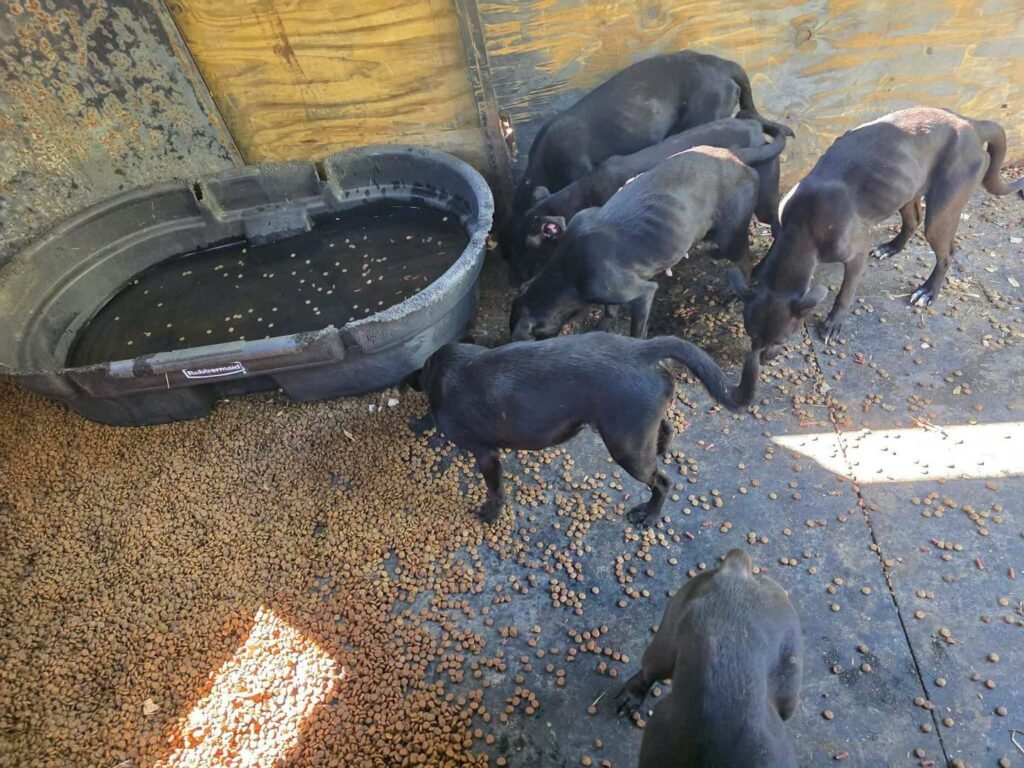
Our recent involvement in the Hickman County hoarding case is a perfect example of how important collaboration is. Working alongside Hickman County Animal Control, we helped rescue 34 dogs from heartbreaking living conditions.
Taking in that many dogs simultaneously was an enormous undertaking, but it demonstrated what can happen when organizations come together for animals in need.
Of course, none of this would be possible without the incredible people behind Mikaela’s Mutt Motel.
We are fortunate to have a dedicated team of volunteers, foster families, and board members who each play an essential role in keeping our rescue running. From coordinating intakes and veterinary appointments to transporting dogs, reviewing applications, organizing fundraising efforts, and providing daily care, every person contributes something invaluable.
Our foster families are especially important because they open their hearts and homes to dogs who may have never experienced kindness or stability. Our volunteers generously give their time, and our board members help guide the organization, manage operations, and ensure we’re continuing to grow in a way that benefits the animals we serve.
We also rely on the generosity of veterinary professionals, local businesses, donors, and community members who believe in our mission.
One thing we’ve learned is that rescue doesn’t happen because of one person or one organization. It happens because people come together, share resources, offer their time, and refuse to give up on animals who need them.
Every dog we save represents an entire community of people who helped make that second chance possible.
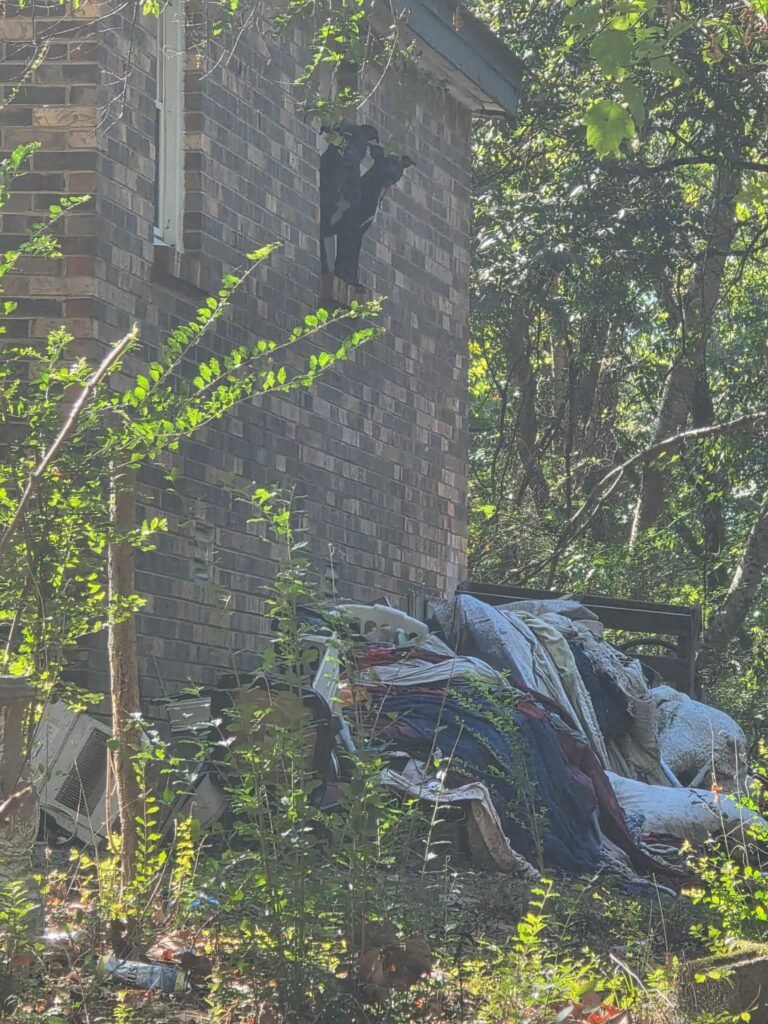
9. Which rescue story has been especially meaningful to your team, and what made the case featured by The Dodo stand out?
We are proud of every rescue we have accomplished.
Every dog has a story, and every second chance matters.
But the case covered by The Dodo was particularly meaningful because it reminded us of something we see time and time again: the incredible resilience and unconditional love that dogs are capable of showing.
These 34 dogs came from a heartbreaking hoarding situation in Hickman County, Tennessee. Many had experienced severe neglect and had little reason to trust the people around them.
And yet, despite everything they had endured, they still had so much love to give.
These dogs had every reason to hate humans.
But they don’t.
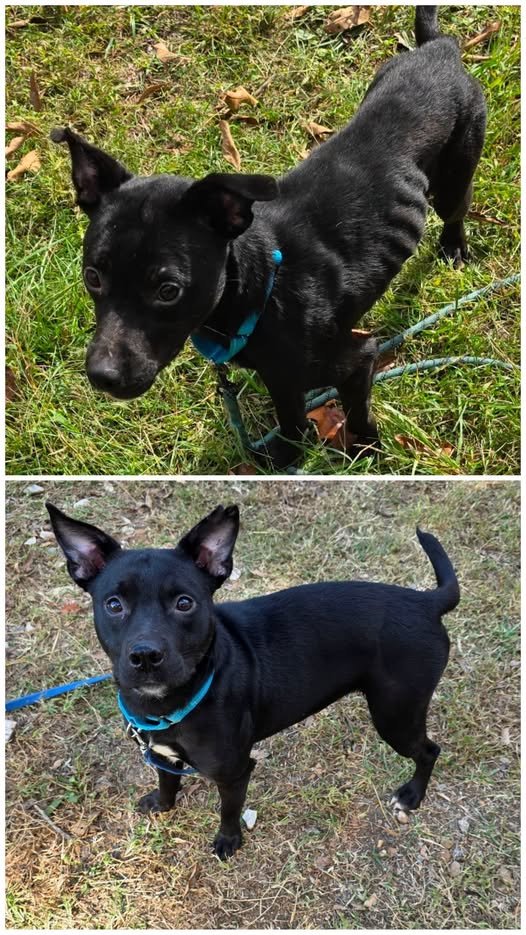
Once they begin to feel safe and learn that the people around them aren’t going to hurt them, their personalities start to emerge. They’re sweet, playful, silly, affectionate, and full of life.
Watching a frightened dog begin to trust someone, discover the joy of playing with a toy, or experience a gentle touch without fear is something that never gets old.
Taking in 34 dogs simultaneously was a tremendous responsibility, and it pushed our rescue in ways we never could have anticipated.
But when we look at those dogs today, we don’t see the conditions they came from.
We see who they are becoming.
And that makes every difficult day worth it.
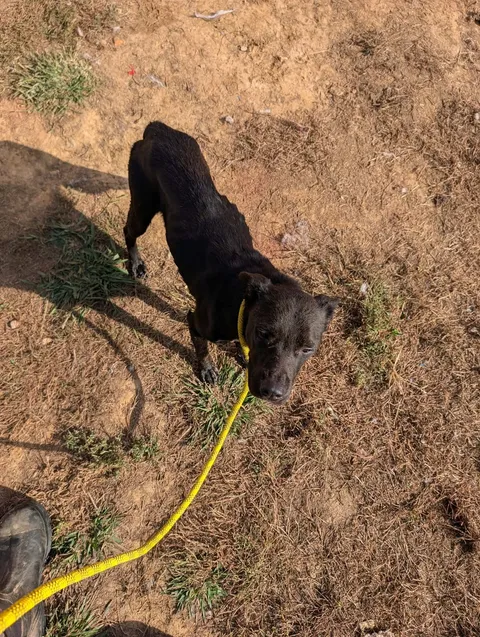
10. What are you hoping to accomplish in the next few months, and what would you like to build or improve over the longer term?
One of our biggest goals is to complete the rescue facility at our Rescue Ranch.
We purchased land last year and have been working to renovate the barn into a safe, loving, and comfortable environment where rescued dogs can receive the care and attention they need.
Our vision is for new intakes to stay at the Rescue Ranch while they undergo veterinary evaluations, receive necessary medical care, and have their temperaments assessed.
From there, we can work to match them with compatible foster families who will continue helping them prepare for adoption.
Having this facility fully operational would make an enormous difference in our ability to respond to urgent rescue situations and provide a stable starting point for dogs who have experienced trauma, neglect, or abandonment.
We also hope to expand our foster network, strengthen our volunteer support, and continue building relationships within our community.
Long term, our goals extend beyond rescuing individual dogs.
We want to improve animal welfare through education and advocacy.
That includes helping people understand the importance of spaying and neutering, microchipping, responsible pet ownership, and the devastating consequences of irresponsible breeding and puppy mills.
We want to help address the problems contributing to animal overpopulation rather than simply responding to the consequences.
Because while rescuing dogs is incredibly important, preventing animals from ending up in these situations in the first place is just as essential.
11. What kind of support would help you reach those goals? If a reader or local organization wants to help now, what would make the biggest difference?
Right now, our two greatest needs are foster families and financial support.
We cannot emphasize enough how desperately we need fosters.
One of the biggest misconceptions about fostering is that people need to have extra money or purchase everything a dog might need.
That’s simply not the case with our rescue.
We provide the food, kennels, toys, treats, veterinary care, medications, preventatives, and other necessary supplies.
Our fosters provide a safe home, love, patience, and a willingness to help a dog prepare for its forever family.
That’s it.
And opening your home to just one dog can have an incredible ripple effect. When a dog moves into a foster home, it can free up space and resources for another animal who desperately needs help.
Financial donations are equally important.
Our veterinary bills are ongoing, and because we frequently accept medically complicated cases, unexpected expenses are a regular part of rescue.
Donations help us provide lifesaving treatment, preventative care, rehabilitation, and the everyday necessities that keep our dogs healthy and comfortable.
We also welcome volunteers, donations of supplies, fundraising assistance, and partnerships with local businesses and organizations.
Whether someone can foster, donate, volunteer, or simply share our dogs with their friends and family, every contribution matters.
You don’t have to adopt a dog to help save one.
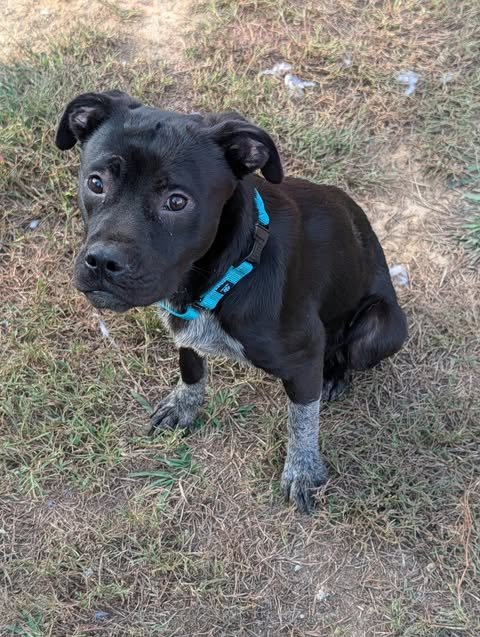
12. Is there anything else you’d like readers to know about Mikaela’s Mutt Motel?
We would love for readers to know that Mikaela’s Mutt Motel is operated entirely by volunteers.
Not one of us receives a paycheck for the work we do.
We dedicate our time, energy, evenings, weekends, and often our own personal resources to helping animals who have nowhere else to turn.
Our payment comes in the form of doggy kisses, happy updates from adopters, and watching dogs who once had nothing discover what it means to be loved.
It’s seeing a dog who was terrified of people finally wag their tail when someone enters the room.
It’s watching a dog who spent months overlooked in a shelter curl up on a couch beside their new family.
It’s receiving a photo of a former rescue dog celebrating a birthday, going on an adventure, or simply sleeping peacefully in a home of their own.
Those moments are why we do this.
Rescue isn’t glamorous. It’s exhausting, expensive, emotional, and sometimes heartbreaking.
But it is also one of the most rewarding things we could ever imagine doing.
We are incredibly grateful for every foster, volunteer, donor, adopter, and supporter who believes in our mission.
Because at the end of the day, we aren’t just rescuing dogs.
We’re giving them the opportunity to experience the lives they should have had all along.
And every single one of them deserves that chance.
As we come to the end of our conversation, we would like to sincerely thank Sam Carr for sharing Mikaela’s Mutt Motel’s story with us. Her thoughtful answers gave us a closer look at the challenges, difficult decisions, and heartfelt moments that are part of everyday animal rescue. It is a story that touched our hearts and reminded us how much dedication goes into giving vulnerable dogs a second chance.
Mikaela’s Mutt Motel’s journey also reminds us that animal rescue is a community effort. Foster families, volunteers, veterinarians, local businesses, and supporters all have an important role to play. When people come together, even the most difficult challenges become easier to face.
Our thanks go to Sam and the entire Mikaela’s Mutt Motel team for their time, openness, and continued commitment to the dogs who depend on them. We hope their story reaches more people and encourages others to support the rescue efforts happening in their own communities.
Mikaela’s Mutt Motel is a woman- and veteran-run, volunteer-operated nonprofit dog rescue based in Clarksville, Tennessee. Founded in 2022, the organization specializes in rescuing stray, neglected, unwanted, and often-overlooked dogs, including those with complex medical and behavioral needs. Through foster care, rehabilitation, and community support, MMM works to give every Mutt the second chance they deserve.