Ever thought if your high-energy pet is getting enough mental and physical play? Owning a Bull Terrier is rewarding but needs a deep understanding of their lively nature.
Good Bull Terrier care means finding the right mix of exercise and social time. Without a set plan, these loving dogs might find it hard to stay positive.
Being proactive is key to a peaceful home. By focusing on both activity and interaction, your pet stays joyful and balanced. This guide will show you how to enjoy the good times and tackle the tough ones with your furry friend in the United States.
Key Takeaways
- Understand the high energy levels inherent to the breed.
- Balance physical activity with essential mental stimulation.
- Prioritize early and ongoing socialization for a well-behaved dog.
- Implement proactive management to prevent unwanted behaviors.
- Create a consistent routine to support your pet’s emotional well-being.
Understanding the Bull Terrier Breed
The roots of the Bull Terrier reveal their complex and loving Bull Terrier behavior. These dogs are more than their striking looks. They are a mix of history, power, and deep love for their families.
History and Origin of Bull Terriers
In 19th-century England, the breed was created for dog fighting. Breeders mixed Bulldogs with terriers for agility and tenacity. Later, they became loyal family pets, not fighters.
Physical Characteristics of Bull Terriers
A Bull Terrier’s distinctive egg-shaped head stands out. They have a strong, muscular body from their athletic past. Their short, dense coat is easy to care for, showing off their powerful build.
Temperament and Personality Traits
The Bull Terrier behavior is lively, playful, and sometimes stubborn. They are known for their clownish antics and loyalty. Their intelligence means they need consistent training to use their energy well.
| Trait | Description | Impact on Behavior |
|---|---|---|
| Energy Level | High | Requires daily activity |
| Trainability | Moderate | Needs patience and consistency |
| Affection | Very High | Strong bond with family |
| Stubbornness | High | Influences Bull Terrier behavior |
Essential Care Requirements for Bull Terriers
Learning the basics of Bull Terrier care is crucial. It keeps your pet healthy and full of life. Taking care of their physical needs is important at every stage of their life.
Nutrition and Diet Tips
Good Bull Terrier nutrition is key to a healthy life. These dogs have lots of energy. So, choose high-quality diets with balanced protein and healthy fats.
“Let food be thy medicine and medicine be thy food.”
To keep your dog at the right weight, watch their food intake. Don’t overfeed them. They can easily gain weight if they’re not active enough. Make sure they always have fresh water to stay healthy.
Grooming Needs and Maintenance
Bull Terrier grooming is easy because of their short, dense coats. Brushing them once a week helps remove loose hair and keeps their coat shiny.
Here are some important grooming tasks:
- Regular nail trimming to prevent discomfort during walks.
- Weekly ear checks to ensure they remain clean and free of irritation.
- Routine skin inspections to catch any potential allergies or dry patches early.
Consistency is key in grooming. By making these tasks a regular part of your routine, you’ll strengthen your bond. Plus, your dog will stay clean and comfortable all year.
Daily Exercise Needs for Bull Terriers
Keeping your Bull Terrier active is key to a happy and well-behaved pet. These dogs have lots of energy and need regular Bull Terrier exercise to stay healthy. Without enough activity, they might get into trouble or damage your home.
Recommended Activities and Playtime
Structured playtime is great for burning energy and strengthening your bond. Aim for short, intense activities rather than long, boring ones. Interactive games like tug-of-war or fetch are perfect, as they meet their natural desire to play with you.
Make sure your yard is safe before letting your dog play off-leash. If it’s not fenced, use a long lead to keep them safe. Adding Bull Terrier exercise to your daily routine keeps their mind and body in top shape.
Ideal Walks and Outdoor Adventures
Daily walks are crucial for your dog’s health and happiness. A brisk walk around the neighborhood gives them the sensory stimulation they need. It’s important to keep a steady pace for a good workout.
When planning outdoor adventures, check the weather and your dog’s fitness level. Always carry fresh water and watch out for hot pavement that can hurt their paws. Regular Bull Terrier exercise during these activities prevents boredom and keeps them calm.
| Activity Type | Intensity Level | Best For |
|---|---|---|
| Brisk Walking | Moderate | Daily Routine |
| Tug-of-War | High | Building Muscle |
| Fetch | High | Energy Release |
| Structured Training | Low | Mental Focus |
Socialization Strategies for Bull Terriers
Starting a confident dog begins with Bull Terrier socialization early on. This makes your pet feel safe around new things, people, and animals. Early exposure to various sights and sounds helps avoid fear-based behaviors later.
Importance of Early Socialization
Early experiences shape your dog’s adult personality. Introducing your puppy to the world in a controlled and positive way teaches them new things are not threats. This helps them stay calm under pressure.
“The most important investment you can make in your dog is the time spent teaching them how to interact with the world around them.”
Without early exposure, Bull Terriers might become too suspicious or reactive. Regular Bull Terrier socialization helps them handle new situations without getting overwhelmed. You’re building their emotional strength one interaction at a time.
Best Practices for Introducing Your Bull Terrier to Others
Always go slow when introducing your dog to new people or pets. Let them approach at their own pace. If they show hesitation, like tucked ears or a stiff tail, give them more space right away.
Understanding your dog’s body language is key. Look for signs of relaxation, like a loose wagging tail or a soft face, to know they’re okay. Good Bull Terrier socialization means knowing when to give them a break.
Keep treats ready to reward calm behavior during introductions. Positive reinforcement creates a lasting association of safety and happiness. This makes outings stress-free and strengthens your bond with your pet.
Training Fundamentals for Bull Terriers
Bull Terriers are naturally independent, so your training approach must be firm yet encouraging. Success with this breed depends on your patience and consistency. Setting clear boundaries early helps your dog thrive in a structured environment.
Basic Commands Every Bull Terrier Should Know
Teaching your dog essential commands is crucial for their safety and well-being. These skills help manage your pet in social situations and outdoors. Mastering these three commands improves daily interactions:
- Sit: This is the foundation for all obedience and teaches self-control.
- Stay: A key safety command that keeps your dog from danger or traffic.
- Recall: Teaching your dog to come when called is essential for off-leash safety and reliable communication.
Positive Reinforcement Techniques
Effective Bull Terrier training uses rewards-based methods, not harsh corrections. Rewarding desired behaviors with treats, praise, or play motivates your dog. This builds a strong, respectful relationship based on trust, not fear.
Keep training sessions short and fun to match your dog’s energy. If your dog gets distracted, take a break and come back later. Consistently using positive techniques helps you navigate your Bull Terrier’s independent nature and fosters a well-behaved companion.
Keeping Your Bull Terrier Mentally Stimulated
A tired dog is a happy dog. But a dog that’s mentally active is even happier. Physical exercise is important, but mental enrichment stops boredom. This boredom can lead to chewing or barking too much. Adding these simple tips to your day will keep your dog calm and focused.
Fun Games and Interactive Toys
Interactive toys are great for keeping your dog busy when you’re not around. Puzzle feeders, for example, make your dog work to get their food. This is like hunting for food in the wild.
Hide-and-seek is another great game for Bull Terriers. Hide treats or yourself to make your dog sniff them out. This game strengthens your bond and keeps your dog’s mind active.
“Enrichment is not just a luxury; it is a fundamental requirement for a dog’s psychological well-being and long-term behavioral health.”
Brain Training Exercises for Bull Terriers
Structured training exercises are more than just fun. They give your dog a mental workout that’s as good as a long walk. Being consistent is important when teaching new tricks or improving basic commands.
Scent work is a great way to use your dog’s natural skills. Hide a scented object and reward your dog for finding it. This activity is both fun and mentally challenging.
| Activity Type | Difficulty Level | Primary Benefit |
|---|---|---|
| Puzzle Feeders | Beginner | Slows eating and focus |
| Hide-and-Seek | Intermediate | Improves scent tracking |
| Trick Training | Advanced | Strengthens obedience |
Health Considerations for Bull Terriers
Keeping your Bull Terrier healthy is key to a long, happy life. Knowing what your breed needs helps you create a supportive home. Regular Bull Terrier health checks can catch problems early.
Common Health Issues and Preventive Care
Bull Terriers face certain health risks due to their genetics. Skin allergies are common, causing itchiness and inflammation. Heart and kidney health are also concerns.
Good Bull Terrier care means keeping them at a healthy weight. This avoids joint and heart problems. Talk to your vet to make a care plan that fits your dog’s needs.
Importance of Regular Vet Visits
Regular vet visits are crucial for catching health issues early. Your vet can do blood tests, heart checks, and physical exams. Having a good vet is key to Bull Terrier care.
Regular vet visits give you peace of mind. They help ensure your dog gets the care they need. With professional advice, your Bull Terrier can live a long, healthy life.
| Health Focus | Frequency | Action Required |
|---|---|---|
| Cardiac Screening | Annually | Professional Vet Exam |
| Skin/Coat Check | Weekly | Home Inspection |
| Kidney Function | Bi-Annually | Blood Work |
| Weight Management | Monthly | Home Weigh-in |
Building Strong Bonds with Your Bull Terrier
Creating a strong bond with your Bull Terrier is incredibly rewarding. This bond is built on trust, regular interaction, and shared experiences. By following simple Bull Terrier tips, your dog will feel like a valued family member.
Ways to Show Affection and Build Trust
Building trust takes time. It grows through consistent routines and gentle guidance. Your dog seeks security from you, so staying calm is key. A consistent daily schedule makes your pet feel safe and confident.
Physical affection strengthens your bond. Spend daily time grooming or just sitting together. These quiet moments help your pet feel comforted and at peace.
“The bond between a dog and their human is a silent language of love, built on the foundation of trust and shared moments.”
Activities to Enhance Your Relationship
Interactive play is a great Bull Terrier tip for deepening your bond. Games like fetch or hide-and-seek focus your dog’s attention on you. They also help burn off energy, making exercise a team effort.
Make these activities a part of your weekly routine to keep your bond strong:
- Training sessions: Short, positive training sessions reinforce your leadership and partnership.
- Exploration walks: Visiting new parks together lets you see the world through your dog’s eyes.
- Puzzle toys: Solving challenges together builds teamwork and keeps your dog’s mind sharp.
The quality of time you spend together is more important than the amount. Being present and attentive will reveal new Bull Terrier tips for your dog’s unique personality. Cherish these moments, as they are the foundation of a lifelong friendship.
Preparing Your Home for a Bull Terrier
Getting a new dog means you need to plan well. These tips help make your home a safe space for your Bull Terrier from the start.
Establishing a Secure Living Space
First, remove small items or cords that might attract your puppy. Use baby gates to block off rooms that aren’t safe yet. A crate or a cozy corner with a soft bed is great for your dog to relax.
Essential Supplies for New Owners
Choose durable, high-quality items for your energetic dog. Kong’s chew toys are great for keeping your dog busy. Make sure you have heavy-duty bowls and a safe harness for walks.
Creating a structured home is key for a happy life with your Bull Terrier. Follow these tips to keep your home safe and supportive. Share your experiences to help others learn about this wonderful breed.

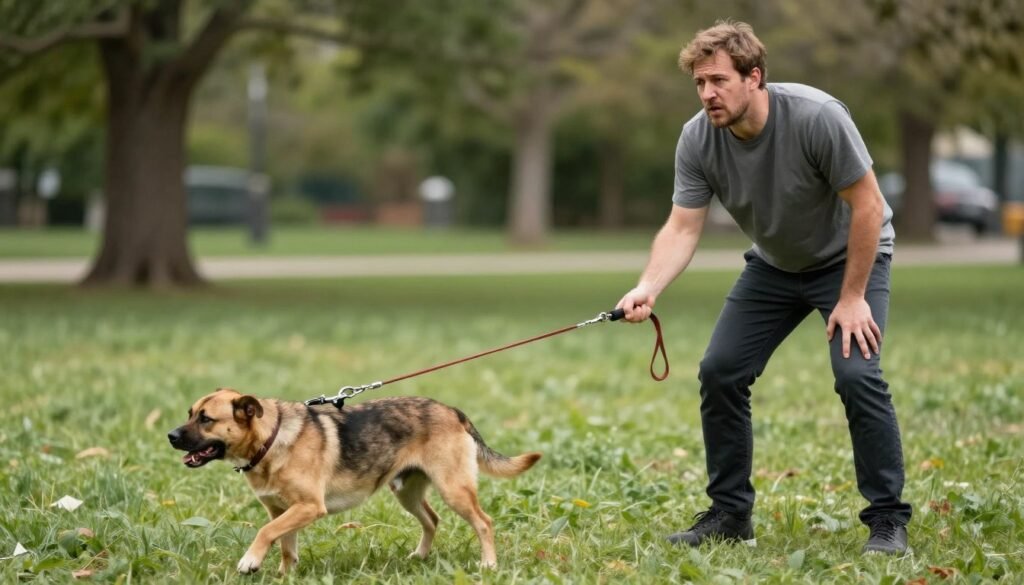
Has Your Daily Dog Walk Turned Into a Tug-of-War?
The Problem
When your dog constantly pulls on the leash, it doesn’t just make walks frustrating and exhausting for you—it also puts harmful strain on your dog’s neck and joints.
The Solution
The secret isn’t using force, choke chains, or harsh corrections. It’s about understanding canine psychology and teaching them “loose leash walking” using master-level positive reinforcement.
Claim Your Free Spot in the Training Workshop Now