Ever thought about unlocking your dog’s full potential? The adventure of Doberman Pinscher training starts the day you bring them home.
Building a strong bond is more than just basic commands. It needs a consistent and patient approach. This approach focuses on early socialization and positive reinforcement.
Introduce your dog to new places and reward good behavior. This builds trust. It makes your pet feel safe and confident in different situations. By focusing on these strategies, you help your dog grow into a loyal and intelligent companion.
Key Takeaways
- Start your socialization process as early as possible to ensure a well-adjusted adult dog.
- Use positive reinforcement to encourage desired behaviors and strengthen your bond.
- Consistency is the most important factor in achieving long-term success.
- Patience allows your dog to learn at a comfortable pace without unnecessary stress.
- Focusing on early development unlocks the inherent intelligence of the breed.
Understanding the Doberman Pinscher Personality
Before starting your journey, it’s crucial to understand the Doberman’s unique personality. These dogs are known for their sharp intelligence and deep loyalty to their families. Knowing these traits helps you tailor your Doberman Pinscher training approach.
Temperament Traits of Dobermans
Dobermans have a natural protective instinct, making them great companions. They are always alert and aware of their surroundings. This trait requires consistent guidance to ensure they behave positively.
Being highly intelligent, they learn quickly but can get bored without mental challenges. A bored Doberman can be destructive. It’s important to keep them engaged with tasks and activities for their emotional health.
Importance of Early Training
Starting Doberman puppy training early is key for a confident dog. Early training sets boundaries and helps prevent bad behaviors. It’s a proactive way to shape your puppy’s future.
Effective Doberman Pinscher training builds trust and respect. Investing in your pet’s early months fosters a friendly and stable temperament. Early socialization and consistent rules are essential for a happy dog-human partnership.
The Basics of Doberman Training
Effective Doberman obedience training starts with clear communication from the first day. Focus on basic skills to create a stable environment. This makes your dog feel safe and eager to learn.
This structured method avoids confusion and builds respect between you and your dog.
Key Training Commands Every Doberman Should Know
Teaching specific core commands is crucial for safety and control. These commands are the foundation for more complex behaviors. Consistency is key to mastering these essential skills.
- Sit: The foundation for impulse control.
- Stay: Crucial for safety in high-traffic areas.
- Come: A vital recall command that keeps your dog safe.
- Heel: Ensures your Doberman walks calmly by your side.
- Down: Helps your dog settle in public or at home.
The table below shows the main benefits of these commands. It helps you focus on the most important ones for daily practice.
| Command | Primary Benefit | Difficulty Level |
|---|---|---|
| Sit | Impulse Control | Beginner |
| Stay | Safety/Security | Intermediate |
| Come | Reliable Recall | Advanced |
| Heel | Leash Manners | Intermediate |
Setting Training Goals
Setting realistic goals is essential for Doberman Pinscher training. Break down big tasks into smaller steps. This way, your dog gets to win often, staying motivated and focused.
“The quality of your training is defined by the clarity of your expectations and the consistency of your rewards.”
Keep track of your progress to see what needs work. A structured schedule makes training productive and fun for both of you.
Positive Reinforcement Techniques
Learning to use reward-based training can change how you connect with your Doberman. This breed does best when you focus on rewarding good actions, not punishing bad ones. By using effective Doberman training methods, you make a safe and encouraging place for your dog to learn.
Rewards System: Treats vs. Praise
A good reward system mixes tasty treats with lots of praise. Treats are great for teaching new skills. Make sure the treats are small so your dog can focus.
But don’t forget the power of praise. Happy, clear words can strengthen your bond. Varying rewards keeps your dog excited and curious.
| Reward Type | Best Used For | Frequency |
|---|---|---|
| High-Value Treats | New commands | Every success |
| Verbal Praise | Reinforcing habits | Constant |
| Play/Toys | Motivation | Intermittent |
Consistency in Training Sessions
Consistency is key for effective Doberman training methods. Changing what you expect or how you cue can confuse your dog. Keep training sessions short, clear, and regular to help your Doberman learn well.
Timing is crucial. Reward your dog right when they do something right. This helps them understand what you want, leading to better behavior and confidence.
Importance of Socialization for Dobermans
Socialization is key for a happy Doberman. It helps them feel calm and confident. This is important to avoid fear or anxiety as they grow.
A well-socialized Doberman is easy to take out in public. Early experiences help them stay calm in new situations. Being patient and consistent is crucial during this time.
Introducing Your Doberman to New Environments
Introduce your Doberman to many places, sounds, and textures. Start with quiet spots and then move to busier areas. This helps them handle new things without getting overwhelmed.
Let them explore different surfaces like gravel and grass. If they’re shy, use treats to encourage them. Never push them into something that scares them.
Meeting Other Dogs and People
Controlled meetings are best for socializing. When meeting new people, keep things calm and structured. Let your dog approach them at their own pace.
For dog meetups, choose friendly, vaccinated dogs. Keep these short and watch their body language. This helps them get along with others.
| Socialization Stage | Primary Goal | Recommended Activity |
|---|---|---|
| Early Exposure | Build Confidence | Walking on different surfaces |
| Controlled Meetings | Develop Manners | Short playdates with calm dogs |
| Public Integration | Maintain Composure | Visiting pet-friendly stores |
House Training Your Doberman
Creating a consistent routine is key to successful Doberman puppy training. A predictable environment helps your dog know what’s expected. This reduces accidents in your home.
Steps for Effective Potty Training
Success comes from frequent outings and positive feedback. Consistency is crucial in effective Doberman training methods. It helps your puppy learn fast and feel at ease.
- Take your puppy outside right after they wake up, eat, or play.
- Choose a specific spot in your yard and use a consistent command word.
- Reward your puppy with treats or praise when they finish their business.
- Watch your puppy closely indoors to catch early signs of needing to go.
“Patience is your greatest tool when house training a Doberman; never punish your dog for accidents, as this only creates fear and confusion.”
Crate Training: Benefits and Techniques
Crate training is a vital part of effective Doberman training methods. It gives your dog a secure, personal space. Introduced correctly, the crate becomes a comfort zone, helping with house training and anxiety.
Make the crate inviting with soft bedding and safe toys. Feed your puppy their meals inside to create a positive association. Gradually increase crate time, ensuring a calm and rewarding experience.
Remember, Doberman puppy training is a journey needing time and dedication. Using the crate for structure gives your dog the stability to thrive at home.
Addressing Behavioral Issues
Understanding dog behavior is key for any dog owner. These dogs are smart but can pick up bad habits. Catching these early helps them grow into well-adjusted adults.
Common Problems and Solutions
Owners often face issues like too much barking, jumping on guests, or pulling on the leash. These problems usually come from boredom, not enough exercise, or wanting attention. Starting Doberman puppy training early sets clear rules.
Spotting these behaviors means finding the real cause, not just the symptom. For example, if your dog jumps, ignore them until they calm down. This shows them calm gets attention, not jumping.
| Behavior | Root Cause | Correction Strategy |
|---|---|---|
| Excessive Barking | Boredom or Alerting | Increase mental stimulation |
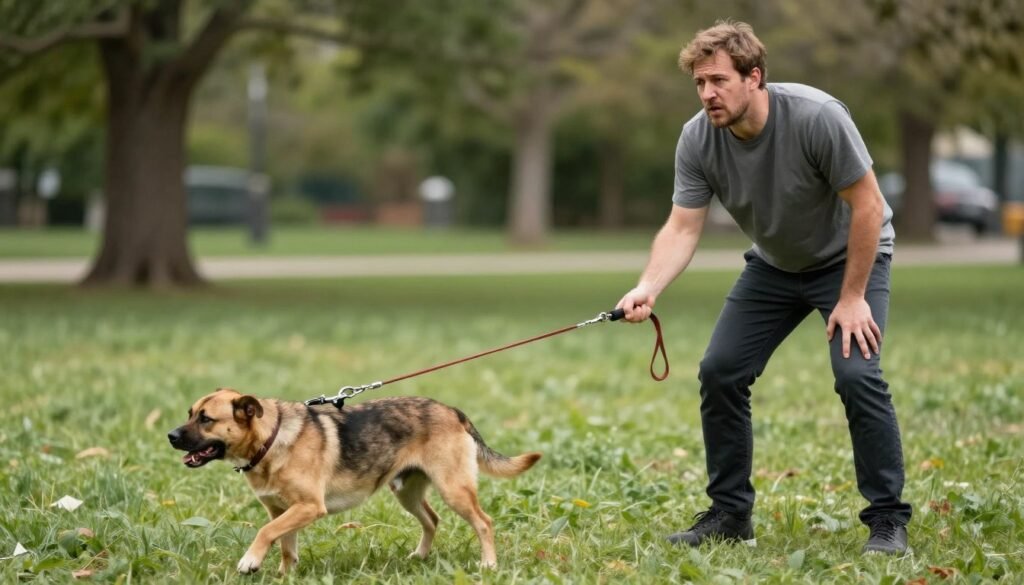
| Leash Pulling | Excitement | Stop walking until tension releases |
| Jumping Up | Seeking Attention | Ignore until calm |
Structured Doberman behavior training helps your dog know what’s expected. Consistency is the bridge between confusion and clarity for your dog.
“The goal of training is not to break the dog’s spirit, but to build a language of mutual respect and understanding.”
When to Seek Professional Help
Some behavior issues are too hard to handle alone. If you see extreme aggression, intense guarding, or constant anxiety, get help. Professional Doberman training offers the tools for safety for you and your pet.
A certified animal behaviorist can make a plan just for your dog. Don’t worry if you need help; even pros sometimes need advice. Getting expert help shows you care deeply about your dog’s well-being.
Advanced Training Techniques for Dobermans
Advanced training turns your Doberman’s natural talent into top-notch skills. These smart dogs need more than basic commands to stay happy and well-behaved. By adding complex challenges, you keep them mentally sharp and physically fit.
Agility Training for Physical and Mental Stimulation
Agility training is great for burning off energy and improving focus. It involves navigating through tunnels, weave poles, and jumps. This activity is perfect for Dobermans’ natural athleticism.
Agility also deepens your bond with your dog. It’s a structured way to build confidence in shy dogs and challenge energetic ones. It turns exercise into a fun game that strengthens your partnership.
Obedience Trials as a Training Opportunity
Competitive obedience trials are the ultimate test. They require your dog to follow commands in distracting situations. Advanced Doberman training ensures they stay focused in busy, unpredictable places.
“The bond between a handler and a dog is forged in the fire of shared challenges and mutual respect.”
If you’re stuck, professional Doberman training can help. Expert trainers can improve your handling skills and prepare for competitions. Whether you aim for a title or new skills, these classes showcase your dog’s amazing abilities.
- Enhance focus through complex obstacle courses.
- Improve reliability in high-distraction settings.
- Strengthen the human-canine bond through teamwork.
Building a Strong Bond with Your Doberman
Creating a lasting bond with your Doberman is more than just giving commands. It’s about building trust and understanding. When you focus on your emotional connection, you lay a strong foundation for Doberman behavior training. This bond helps your dog look to you for guidance in tough times.
Activities to Strengthen Your Relationship
Doing things together is the best way to build loyalty. Playing tug-of-war or fetch is fun and helps you bond. These activities make your dog see you as a fun and reliable leader.
Try scent work or hide-and-seek games to challenge your dog’s mind. These games require teamwork and focus, improving your communication. Being consistent in these activities creates a safe and secure environment for your Doberman.
“The bond between a human and a dog is a silent language built on shared experiences and mutual respect.”
Understanding Your Dog’s Body Language
To really connect with your pet, learn to read their body language. Dobermans show their feelings through their posture. By watching their ear position, tail, and eyes, you can understand their needs and feelings.
Good Doberman behavior training means responding to these signals early. A tucked tail or stiff body might mean they’re anxious. By recognizing these signs, you show you’re a trustworthy partner who gets them.
- Watch for subtle shifts in posture during training sessions.
- Use calm, clear body language to signal your own intentions.
- Reward your dog for checking in with you during off-leash play.
The Role of Exercise in Training
A well-exercised Doberman is a calm and obedient friend. When your dog gets to release their energy, they learn better. Physical exhaustion helps reduce bad behavior and improves focus during training.
Daily Exercise Requirements for Dobermans
Dobermans are energetic and need lots of daily activity. Aim for sixty to ninety minutes of active play each day. This can be brisk walks, jogging, or fetch in a safe area.
Being consistent is key for this breed. Skipping their daily routine can lead to restlessness or chewing. Giving them enough exercise keeps them mentally sharp and ready to learn.
Incorporating Playtime into Training
Use playtime as a reward for good behavior. Instead of treats, try using a favorite toy or playing tug-of-war. This keeps your dog excited and strengthens your bond.
Short play breaks during training sessions help burn off energy. This prevents boredom or frustration during drills. Following these best Doberman training tips makes learning fun and productive for your dog.
| Exercise Type | Intensity Level | Primary Benefit |
|---|---|---|
| Brisk Walking | Moderate | Endurance Building |
| Fetch/Retrieving | High | Focus and Recall |
| Agility Drills | Very High | Mental Stimulation |
| Tug-of-War | High | Bonding and Control |
Tools and Equipment for Training
Effective Doberman training needs more than patience; it requires the right tools for success. The right gear creates a safe space for your dog to learn without discomfort. Quality equipment is key to guiding your dog during training sessions.
Choosing the Right Leash and Collar
Finding the right leash and collar is crucial. Look for materials that are durable yet comfortable for your Doberman and you. A six-foot leather or nylon leash is ideal for basic obedience.
Stay away from heavy chains or tight gear that can hurt. Choose a flat collar or a well-fitting harness for even pressure. This helps keep your dog calm and focused on your commands.
Essential Supplies for Successful Training
Having the right accessories can make a big difference in training your Doberman. Organize your tools to reward your dog right away when they do something right. Keep these items in a dedicated training bag:
- High-value treats: Small, soft bites that your dog loves.
- Treat pouch: A waist-worn bag for easy access during training.
- Clicker: A simple tool to mark good behavior.
- Portable water bowl: Important for keeping your dog hydrated during long sessions.
Investing in these quality supplies helps remove barriers to your progress. Using these tools regularly is key to effective training. When you’re prepared, you can focus on strengthening your bond with your dog.
Resources for Doberman Owners
Being a dedicated dog owner strengthens your bond with your pet every day. The right support helps keep your dog happy and healthy. Look for expert advice on websites and in local communities focused on dog care.
Local Support and Hands-on Guidance
Local Doberman training classes are great for socialization. The American Kennel Club can help you find certified trainers near you. These classes let you practice obedience with the help of experienced trainers who know Dobermans well.
Digital Tools for Continued Success
Websites like the Doberman Pinscher Club of America are full of useful tips. They have articles, videos, and forums with advice from experts. Using these resources keeps your training up to date. This ensures your dog stays happy and well-behaved for years.