Visiting dog parks can be a great way to socialize shelter dogs, helping them become more adoptable. Ensuring their safety is of utmost importance. The American Society for the Prevention of Cruelty to Animals (ASPCA) emphasizes the significance of socialization in a shelter dog’s rehabilitation.
The safety guidelines for introducing shelter dogs to dog parks are critical for a positive experience. By adhering to these guidelines, pet owners can foster a safe environment for all dogs involved.
Key Takeaways
- Understand the importance of socializing shelter dogs.
- Learn how to introduce shelter dogs to dog parks safely.
- Recognize the role of safety guidelines in dog parks.
- Discover how to create a positive experience for shelter dogs at dog parks.
- Find out how to ensure a safe environment for all dogs at the park.
Understanding the Importance of Dog Parks
Dog parks are more than just places for recreation; they are essential for shelter dogs’ socialization and physical activity. These spaces are vital for shelter dogs, allowing them to interact with other dogs and humans. This interaction enhances their social skills, which are critical for their well-being.
Benefits of Dog Parks for Shelter Dogs
Visiting dog parks is highly beneficial for shelter dogs. The American Pet Products Association (APPA) highlights the importance of dog parks for socialization and exercise. These activities are key in reducing stress and improving their overall health.
The advantages are numerous:
- Improved social skills through interaction with other dogs and humans.
- Enhanced physical health due to regular exercise.
- Reduced stress and anxiety through play and socialization.
Enhancing Socialization Through Parks
Socialization is fundamental for a dog’s development, and it’s even more critical for shelter dogs. Dog parks provide a controlled setting for dogs to interact with others. This interaction helps build their confidence and reduces behavioral issues.
| Socialization Aspect | Benefits for Shelter Dogs |
|---|---|
| Interacting with other dogs | Improves social skills and reduces aggression. |
| Exposure to new environments | Enhances adaptability and reduces anxiety. |
| Human interaction | Builds trust and improves behavior around people. |
Physical Exercise Opportunities
Exercise is essential for maintaining dogs’ physical and mental health. Dog parks offer a safe environment for shelter dogs to engage in physical activity. This activity helps burn off energy and maintain a healthy weight.
Regular visits to dog parks can lead to:
- Increased physical fitness.
- Reduced risk of obesity and related health issues.
- Improved mental health through the release of endorphins.
Choosing the Right Dog Park
Choosing a dog park that aligns with your shelter dog’s needs is essential for a safe and enjoyable outing. The ideal dog park should combine good facilities, safety features, and a convenient location. This ensures a positive experience for both dogs and their owners.
Evaluating Park Facilities and Amenities
When assessing dog park facilities, it’s important to consider the availability of separate areas for large and small dogs. This can greatly reduce the risk of injury. Look for other amenities such as:
- Clean water stations for dogs
- Adequate waste disposal facilities
- Comfortable seating areas for owners
- Shaded or covered areas for hot or rainy days
The ASPCA advises dog owners to inspect dog parks for safety features like fencing and waste disposal facilities. Having these basic amenities available can significantly improve the experience for dogs and their owners.
Checking for Safety Features
Safety features are critical in dog parks. Look for parks with:
- Sturdy fencing that prevents escape or entry by other animals
- Secure gates to prevent dogs from slipping out
- Regular cleaning schedules to maintain hygiene
Supervision is also essential; ensure you can adequately watch your dog during visits.
Geographic Considerations
The location of the dog park is another key factor. Consider how close it is to your home or regular walking routes. This makes visits more convenient. Also, think about the park’s surroundings; parks near busy roads may pose additional risks.
By carefully evaluating these factors, you can select a dog park that meets your shelter dog’s needs. It will also provide a safe and enjoyable environment for socialization and exercise.

Support a Shelter Today
Your contribution provides urgent medical care and safe shelter for animals in need.
Preparing Shelter Dogs for the Park
Shelter dogs need special preparation before visiting dog parks to ensure a stress-free and enjoyable outing. The Best Friends Animal Society emphasizes the importance of gradual introductions to new environments. This approach significantly reduces stress in dogs.
Introducing Your Dog to New Environments
Gradual introduction to new environments is essential. Begin by taking your dog on short walks around the block. Gradually increase the distance and exposure to new sights and sounds.
Gradual exposure aids in reducing anxiety and boosts confidence in new settings. The process should be calm and controlled, avoiding overwhelming situations.
Understanding Your Dog’s Behavior
Understanding your dog’s behavior is critical before visiting a dog park. Observe how your dog interacts with other dogs and people. Note any signs of aggression or fear.
Key Behavioral Traits to Observe:
- Body language: Tail wagging, ear positioning, and posture.
- Reaction to other dogs: Barking, growling, or avoidance.
- Response to commands: How well your dog listens to basic commands.
Basic Training Tips for the Park
Basic training is vital for a safe and enjoyable dog park visit. Focus on commands like “sit,” “stay,” and “come.”
| Command | Purpose | Tip |
|---|---|---|
| Sit | Helps in managing your dog’s behavior. | Use treats to encourage the sit position. |
| Stay | Ensures your dog remains calm and obedient. | Gradually increase the distance and duration. |
| Come | Critical for recalling your dog in case of an emergency. | Use a happy, upbeat tone and reward with treats. |
By following these steps and tips, you can ensure your shelter dog has a positive and safe experience at the dog park.
Safety Protocols in Dog Parks
Ensuring safety in dog parks is essential for a positive experience for both dogs and their owners. These parks provide a unique environment for dogs to socialize and exercise off-leash. Yet, without proper safety protocols, they can become hazardous.
Leash Rules and Regulations
Leash rules are a primary safety protocol in dog parks. Many parks require dogs to be off-leash, but it’s vital to have designated areas for on-leash dogs or for transitioning from on-leash to off-leash. The American Society for the Prevention of Cruelty to Animals (ASPCA) emphasizes that following leash rules can significantly reduce dog conflicts.
It’s important for owners to familiarize themselves with the leash regulations of the dog park they visit. Some parks have double-gated entrances to prevent dogs from escaping, while others have specific areas for small or large dogs.
Supervision: A Key to Safety
Supervision is a critical aspect of dog park safety. Organizations like Rescue Me and Save-A-Pet USA highlight the importance of owners being vigilant and attentive to their dogs’ behavior. Supervision allows owners to intervene early if they notice any signs of aggression or fear in their dogs.
Owners should maintain a clear line of sight with their dogs at all times and be prepared to step in if necessary. Effective supervision also involves being aware of the surroundings, including other dogs and their owners.
Recognizing Signs of Aggression
Recognizing signs of aggression is vital for preventing conflicts in dog parks. Dogs often display specific body language cues before becoming aggressive, such as growling, showing their teeth, or stiffening their posture. The Best Friends Animal Society advises owners to be aware of these signs and to remove their dogs from the situation if they notice any aggressive behavior.
Understanding canine body language can help owners identify and prevent conflicts before they escalate. By being knowledgeable about the signs of aggression, owners can take proactive steps to ensure their dog’s safety and the safety of others.
Socialization Strategies for Shelter Dogs
The socialization of shelter dogs encompasses several essential strategies aimed at improving their behavior and adoption prospects. This process is critical for their rehabilitation, enabling them to interact positively with humans and other animals.
Encouraging Positive Interactions
Encouraging positive interactions is vital for shelter dogs. Dog parks serve as an ideal environment for this, allowing dogs to interact with various breeds and temperaments. The American Society for the Prevention of Cruelty to Animals (ASPCA) emphasizes the importance of positive reinforcement in dog training and socialization.
To foster positive interactions, owners should:
- Start with calm, well-behaved dogs to set a positive tone.
- Use positive reinforcement techniques, such as treats and praise.
- Monitor interactions closely to prevent any negative encounters.
Monitoring Play Behavior
Monitoring play behavior is critical to prevent conflicts among dogs. The ASPCA stresses the importance of closely monitoring play behavior to ensure positive interactions. Owners must be attentive to their dog’s body language and behavior cues, intervening if necessary to prevent escalation.
Key aspects to monitor include:
- Body language: Signs of aggression or fear, such as growling or tail tucking.
- Play style: Ensuring that play remains friendly and not overly rough.
- Energy levels: Balancing the energy levels of dogs to prevent overwhelming interactions.
Intervention Techniques for Conflicts
Despite best efforts, conflicts can arise. Knowing how to intervene effectively is critical. The Best Friends Animal Society advises staying calm and using a firm, clear voice to stop the conflict.
Effective intervention techniques include:
- Using a distraction, such as a loud noise or a treat, to separate the dogs.
- Employing a barrier, like a baby gate or a fence, to safely separate the dogs.
- Rewarding calm behavior after a conflict to reinforce positive interactions.
By implementing these socialization strategies, shelter dogs can become more confident, well-adjusted pets, increasing their chances of successful adoption.
Dog Park Etiquette for Owners
Dog park etiquette transcends mere rule-following; it embodies a community ethos that respects both canine companions and their human caretakers. When owners adhere to etiquette, the dog park experience becomes more than just a place to let dogs run free—it becomes a sanctuary of joy and safety for all.
Respecting Other Dog Owners
Respect among dog owners is the cornerstone of a positive dog park atmosphere. It demands attention to your dog’s interactions, ensuring they do not exhibit aggression or overintrusiveness. The American Society for the Prevention of Cruelty to Animals (ASPCA) stresses the importance of vigilance in preventing conflicts.
- Be aware of your dog’s body language and behavior.
- Keep your dog on a short leash when entering or exiting the park.
- Avoid bringing treats or toys that might cause tension among dogs.
Cleaning Up After Your Dog
Cleaning up after your dog is a non-negotiable aspect of dog park etiquette. The American Pet Products Association (APPA) highlights the role of cleanliness in disease prevention. Always carry poop bags and ensure waste is disposed of correctly.
| Best Practices | Benefits |
|---|---|
| Carrying poop bags | Prevents the spread of diseases |
| Disposing of waste properly | Maintains park cleanliness |
Managing Conflicts with Other Owners
Conflicts can occur, but handling them with grace is essential to dog park etiquette. In the event of a disagreement, remain composed and attempt to resolve the issue amicably. The Best Friends Animal Society advocates for open communication as a means to defuse tension.
By adhering to these guidelines, dog owners contribute to a more harmonious and enjoyable dog park environment. It’s about being considerate of others and taking responsibility for your dog’s actions.
Transitioning Your Shelter Dog to Dog Parks
Introducing shelter dogs to dog parks gradually is essential for their confidence and a positive experience. This step-by-step approach ensures your dog feels secure and comfortable in the new setting.
The Gradual Introduction Process
Experts suggest starting by letting your dog get to know the dog park’s surroundings at their own pace. Begin by walking your dog on a leash around the park’s perimeter. This allows them to explore and sniff the area without feeling overwhelmed.
Once your dog seems more at ease, you can move to off-leash walks in a controlled area. Keep a safe distance from other dogs. The American Society for the Prevention of Cruelty to Animals (ASPCA) emphasizes that gradual exposure reduces stress and anxiety in dogs.
“Gradual exposure to new environments, people, and other animals is key to helping shelter dogs become confident and calm in new situations.”
Building Confidence in Your Dog
Building confidence in your shelter dog is vital during the transition. Positive reinforcement, such as treats and praise, significantly boosts their self-assurance. It’s important to watch your dog’s body language and intervene if they seem overwhelmed.
A study by the Best Friends Animal Society underlines the importance of positive reinforcement in dog training. It strengthens the bond between dog and owner and promotes confidence.
| Confidence Building Techniques | Description | Benefits |
|---|---|---|
| Positive Reinforcement | Using treats and praise to encourage good behavior | Enhances self-assurance, fosters a strong bond |
| Gradual Exposure | Gradually introducing your dog to new environments | Reduces stress and anxiety |
Understanding First Impressions
The first visit to a dog park can greatly influence your dog’s perception. Ensuring a positive first impression is critical. Keep the initial visit brief and observe your dog’s reactions closely.
Remember, patience and consistency are essential when transitioning your shelter dog to dog parks. By following a gradual introduction and focusing on confidence building, you can create a positive and enjoyable experience for your dog.
Identifying Potential Hazards in Dog Parks
Dog parks, increasingly popular, necessitate an understanding of their risks for a safe visit. These spaces offer socialization and exercise, yet pose hazards owners must recognize. Ensuring a safe, enjoyable outing for both pets and owners is imperative.
Common Concerns: Illness and Injury
The risk of illness transmission among dogs is a primary concern in dog parks. The Centers for Disease Control and Prevention (CDC) and other health bodies have underscored the risk of disease transmission in dog congregations. Parasites and viral infections are common health risks. Keeping your dog’s vaccinations up-to-date and maintaining health records is essential.
Injuries are another significant concern. Dogs may suffer injuries during play or fights. Monitoring your dog’s behavior and body language is critical to prevent such incidents. Recognizing aggression or fear signs in dogs is vital for timely intervention.
Environmental Hazards to Watch For
Dog parks also present environmental hazards. These include toxic substances, sharp objects, and extreme weather conditions. Owners should inspect the park before allowing their dogs to play and be aware of any dangers.
- Check for any toxic plants or substances on the ground.
- Be aware of the weather – extreme heat or cold can be harmful.
- Look out for sharp objects or broken glass.
Understanding Dog Behavior
Understanding dog behavior is critical for a safe, enjoyable dog park experience. Recognizing aggression, fear, or stress signs in dogs can prevent conflicts. Training your dog to respond to basic commands enhances safety.
It’s vital to be aware of your dog’s limitations and not push them beyond what they can handle. Gradually introducing your dog to new environments and other dogs can build confidence and reduce adverse reactions.
Engaging with Other Dogs
At dog parks, interactions between dogs can vary from playful to aggressive. It’s essential for owners to grasp dog body language. This knowledge ensures a safe and enjoyable experience for all dogs.
Recognizing Dog Body Language
Dog body language is a vital indicator of a dog’s emotional state and intentions. Owners must recognize signs of stress, fear, or aggression. These include a tucked tail, raised hackles, or a direct stare. On the other hand, a relaxed dog may display a loose, open posture and wag its tail. Understanding these signals is key to preventing conflicts.
Key indicators of dog body language include:
- Ears laid back or perked up
- A tucked or wagging tail
- Direct or averted gaze
- Relaxed or tense posture
Facilitating Safe Play
Ensuring safe play at dog parks requires monitoring interactions and intervening when necessary. Owners should encourage positive play by rewarding good behavior and stepping in if play becomes too rough. It’s also vital to ensure all dogs are vaccinated and healthy before engaging in play.
Tips for facilitating safe play include:
- Supervising interactions closely
- Intervening early if play becomes aggressive
- Ensuring all dogs are up-to-date on vaccinations
Managing Multi-Dog Situations
Managing multiple dogs at a dog park can be challenging. Yet, with the right strategies, it’s possible to maintain a safe environment. Owners should be aware of their surroundings and keep track of their dog’s interactions. If a conflict arises, owners should remain calm and intervene promptly.
Strategies for managing multi-dog situations:
- Keeping a close eye on your dog
- Being prepared to intervene if necessary
- Knowing when to leave the park if tensions rise
By understanding dog body language, facilitating safe play, and managing multi-dog situations effectively, dog owners can create a positive and safe environment at dog parks. This not only enhances the experience for their own dogs but also contributes to the well-being of other dogs they meet.
Benefits for Owners: Emotional and Social Gains
The advantages of dog parks extend beyond the dogs, providing owners with emotional and social support. These spaces are not merely for dogs to play; they serve as vibrant community centers.
Building a Community with Fellow Dog Owners
Dog parks offer a unique setting for owners to connect with others who share similar passions and experiences. This communal environment nurtures friendships and a sense of belonging among owners. Regular attendance can establish a robust support network.
Shared Experiences and Support
The shared journey of dog ownership and its accompanying challenges forge a bond among owners. Dog parks become places where owners exchange advice, stories, and support. This collective experience is invaluable for many.
Health Benefits of Regular Visits
Research indicates that dog ownership and frequent visits to dog parks yield significant health benefits for owners. These include reduced stress, increased physical activity, and enhanced mental health. The American Pet Products Association (APPA) and other animal welfare organizations underscore these benefits, highlighting dog parks’ role in promoting overall well-being.
Regular dog park visits can foster a more active lifestyle, as owners engage in physical activities with their pets. The social interaction at dog parks also contributes to improved mental health, reducing loneliness and isolation.
Monitoring Your Dog’s Health at the Park
Ensuring your dog’s health during park visits necessitates vigilant attention to several critical factors. Regular monitoring is instrumental in averting health complications and guaranteeing a pleasurable outing for both you and your canine companion.
Signs Your Dog Needs a Break
It is imperative to discern when your dog is experiencing undue stress or overwhelm. Indicators that your dog requires respite include pronounced panting, yawning, or exhibiting avoidance behaviors. The American Society for the Prevention of Cruelty to Animals (ASPCA) emphasizes the significance of monitoring your dog’s body language for a safe and enjoyable experience.
Common signs of stress in dogs:
- Excessive panting
- Yawning
- Avoidance behaviors
- Tucking their tail
- Pinned-back ears
Recognizing Health Symptoms Post-Visit
Post-park visit, it is imperative to scrutinize your dog for any signs of illness or injury. Veterinarians underscore the importance of vigilance for symptoms such as limping, vomiting, or diarrhea. Should you observe any aberrant behavior or symptoms, immediate consultation with your veterinarian is advised.
| Health Symptom | Possible Cause |
|---|---|
| Limping | Injury or strain |
| Vomiting | Ingestion of harmful substances |
| Diarrhea | Infection or dietary changes |
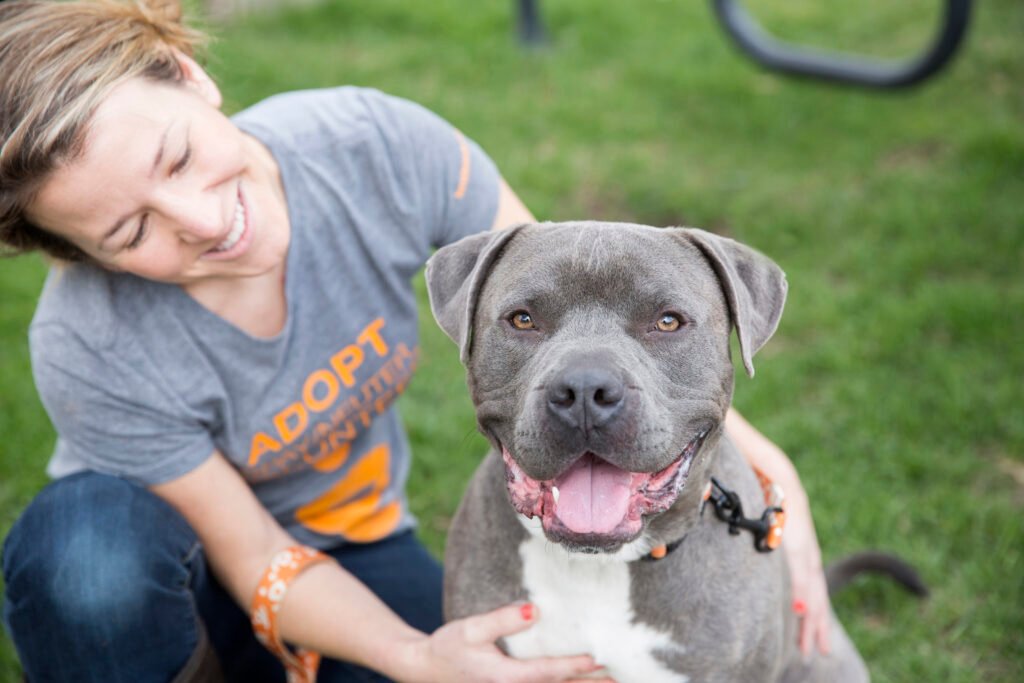
Provide Food and Safety
Help organizations like Best Friends provide the essentials: nutritious food, warmth, and a place to belong.
Keeping Vaccinations Updated
Vaccinations are indispensable for safeguarding your dog’s health. The American Pet Products Association (APPA) advocates for the regular updating of vaccinations to prevent disease transmission. Consultation with your veterinarian is essential to determine the most suitable vaccination regimen for your dog.
“Vaccinations are a critical component of maintaining your dog’s health, significantly when visiting dog parks where disease transmission risks are elevated.” – Best Friends Animal Society
Dog Training Tips for Park Visits
Dog training is essential for ensuring safety and fostering positive interactions at dog parks. It enhances your dog’s experience and contributes to a more enjoyable environment for all. Effective training is key to a harmonious park visit.
Essential Commands for Safety
Teaching your dog essential commands is critical, mainly for dog park visits. Commands like “sit,” “stay,” “come,” and “leave it” are vital. They help maintain control and ensure your dog’s safety amidst distractions and other dogs.
- Sit: Helps in managing your dog’s behavior and keeping them calm.
- Stay: Ensures your dog remains in place, even when distracted.
- Come: Crucial for recalling your dog in case of an emergency or when it’s time to leave.
- Leave it: Prevents your dog from picking up unwanted items or engaging with other dogs inappropriately.
Using Positive Reinforcement
Positive reinforcement is a highly effective training method. It encourages good behavior by rewarding your dog with treats, praise, or play. This approach strengthens your bond and fosters a positive attitude towards training.
Benefits of Positive Reinforcement:
| Benefit | Description |
|---|---|
| Encourages Good Behavior | Rewards desired actions, making them more likely to occur. |
| Builds Trust | Fosters a positive and trusting relationship between you and your dog. |
| Reduces Stress | Creates a stress-free training environment, improving your dog’s well-being. |
Advanced Training for Park Skills
Once your dog has mastered basic commands, advanced training can further enhance their park experience. This includes training for specific park skills such as walking on a loose leash, responding to recall in distracting environments, and engaging in appropriate play with other dogs.
Advanced training not only improves your dog’s behavior but also prepares them for the unique challenges of a dog park environment.
By focusing on dog training, you can significantly improve your dog’s safety and enjoyment at dog parks. Whether through basic commands, positive reinforcement, or advanced training, every effort contributes to a more positive experience for all park visitors.
Creating a Dog Park Visit Schedule
Establishing a consistent schedule for dog park visits is essential. A well-structured plan ensures your shelter dog gets the social interaction and physical activity they need. This approach prevents them from feeling overwhelmed.
Frequency of Visits for Best Results
The optimal frequency of dog park visits depends on several factors. These include your dog’s age, breed, and energy levels. Typically, 2-3 visits per week is a good starting point. It’s vital to observe your dog’s reaction and adjust the frequency as needed.
High-energy breeds may require more frequent visits to maintain their physical and mental well-being. On the other hand, older or less energetic dogs might benefit from fewer visits.
Adapting to Seasonal Changes
Seasonal variations significantly impact dog park visits. Extreme weather conditions necessitate adjustments to ensure your dog’s safety and comfort.
- Summer: Opt for early morning or late evening visits to prevent heatstroke.
- Winter: Use appropriate gear to protect your dog from cold weather.
Being informed about seasonal events and festivals in your area aids in planning visits. This helps avoid crowded and noisy environments.
Special Events at Local Dog Parks
Local dog parks often host special events like dog adoption fairs, training sessions, and social gatherings. Participating in these events can significantly enhance your dog’s socialization and your community involvement.
Stay updated with local dog park announcements. Plan your visits to align with these events. It’s not only enjoyable for your dog but also a chance to connect with other dog owners and discover new resources.
Resources for Dog Park Enthuisiasts
Dog park enthusiasts have access to a wealth of resources to enrich their visits. These include local associations and online forums, all designed to improve the dog park experience. They cater to both owners and their pets, aiming to make each visit more enjoyable.
Local Dog Park Associations
Many cities boast local dog park associations, providing essential resources. These include maintenance efforts, events, and educational materials for dog owners. For example, the American Pet Products Association (APPA) offers insights into the benefits of dog parks.
Some notable organizations include:
- Local dog park maintenance groups
- Dog owner meetup organizations
- Pet advocacy groups
Online Forums and Networks
Online forums and social media groups are invaluable for dog owners. They serve as platforms to share experiences, pose questions, and gather information on dog parks. Popular online resources include:
- Facebook groups dedicated to dog owners
- Reddit forums focused on dog parks and pet care
- Specialized dog training and behavior websites
Community Events and Programs
Community events, such as dog adoption fairs, training workshops, and social meetups, are organized by local associations or pet-related businesses. These events foster a sense of community and provide opportunities for dogs to socialize. Examples include:
| Event Type | Description | Benefits |
|---|---|---|
| Dog Adoption Fairs | Events where shelters bring dogs for adoption | Opportunity to adopt a new pet, socialize dogs |
| Training Workshops | Sessions on dog training and behavior | Improve dog behavior, owner education |
| Social Meetups | Organized meetups for dog owners and their pets | Socialization for dogs, community building |
By utilizing these resources, dog owners can significantly enhance their dog park experiences. This ensures a safer, more enjoyable environment for their pets.
The Future of Dog Parks for Shelter Dogs
The rise in dog park popularity heralds a promising future for shelter dogs. Trends indicate a surge in innovative park designs and a push for more community parks. This will enhance the experiences of dogs and their owners alike.
Enhancing Park Experiences
Transformative designs are redefining dog parks, elevating them beyond mere play spaces. Features such as agility courses, designated areas for different dog sizes, and enhanced sanitation facilities are becoming staples. These advancements are championed by organizations like the ASPCA and Best Friends Animal Society.
Expanding Access
Initiatives to broaden dog park accessibility are gaining momentum. The goal is to create inclusive environments where dogs of all sizes and abilities can socialize and exercise. This inclusivity is a cornerstone of modern dog park design.
Advocacy for Community Parks
Groups like the American Pet Products Association (APPA) are leading the charge in promoting community parks. Through community engagement and awareness campaigns, they aim to spur the development of new parks and the enhancement of existing ones. Their efforts are instrumental in shaping the future of dog parks.
FAQ
What are the benefits of dog parks for shelter dogs?
How can I ensure my shelter dog’s safety at the dog park?
What are some signs that my dog needs a break at the dog park?
How can I introduce my shelter dog to the dog park?
What are some common hazards in dog parks that I should be aware of?
How can I facilitate safe play between my dog and other dogs at the park?
What are some essential commands to teach my dog for dog park safety?
Can dog parks help reduce stress and improve my mental health?
How often should I visit the dog park with my shelter dog?
What are some off-leash area considerations I should be aware of?
How can I manage conflicts with other dog owners at the park?

References:
This article was created based on information from the following authoritative sources: American Society for the Prevention of Cruelty to Animals (ASPCA), Best Friends Animal Society, and The Humane Society of the United States