Did you know wild predators are now found in almost every big city in the U.S.? They have moved from deep forests into our quiet neighborhoods. Often, they hunt just feet away from where your pets play.
This change makes coyote safety for dogs a top concern for suburban homeowners. You must realize your backyard is no longer a safe place without the right precautions.
Acting quickly is the best way to keep your furry friends safe. By proactively focusing on coyote-proofing your yard for dogs, you can create a barrier that keeps unwanted visitors away. These simple steps will give you peace of mind and make your outdoor space a safe haven for your pets.
Key Takeaways
- Wild predators are increasingly common in suburban residential zones.
- Proactive measures are essential to prevent dangerous wildlife encounters.
- Securing your perimeter is the first step in protecting your pets.
- Consistent yard maintenance reduces the appeal of your property to intruders.
- Awareness of local wildlife patterns helps you plan safer outdoor routines.
Understanding the Suburban Coyote Threat
Coyotes are smart animals that live in neighborhoods near you. They are a threat to pets, so keeping them safe is key. Knowing how coyotes think helps protect your pets from them.
Why Coyotes Are Adapting to Residential Neighborhoods
Coyotes see suburban areas as ideal habitats. They find food like pet food and small rodents in gardens. This makes them prefer living near humans over the wild.
Suburban areas also lack natural predators. This makes coyotes bolder and more comfortable around humans. It’s important to keep your yard coyote-free to protect your pets.
Recognizing Coyote Behavior and Territorial Patterns
Coyotes follow set paths in your neighborhood. They are most active at dawn and dusk but can appear anytime. They mark their territory with scent and vocalize at night.
Knowing their habits helps you stay safe. If you see a coyote, act fast to keep them away. Always watch out for your pets to keep them safe.
Essential Coyote Safety for Dogs in Your Backyard
Turning your backyard into a safe zone is key to coyote-proofing your yard for dogs. It should be a place where your dog can play without fear of coyotes. By setting up barriers, you can keep these predators away.
Installing Coyote Rollers on Fences
Installing coyote rollers on your fences is a smart move. These rollers make it hard for coyotes to climb over. They work best on at least 6-foot fences to stop jumping.
This simple change makes your fence a strong barrier. It keeps coyotes out and keeps your dog safe. Coyote rollers are a reliable, easy-to-maintain solution.
The Importance of Motion-Activated LED Lighting
Light is a great way to scare coyotes away. They like to hunt in the dark. Motion-activated LED lights can scare them off when they get close.
These lights make coyotes stay away. They help keep your dog safe during nighttime walks. Consistency is key to keep these systems working all year.
| Deterrent Method | Primary Benefit | Maintenance Level | Effectiveness |
|---|---|---|---|
| Coyote Rollers | Prevents climbing | Low | High |
| LED Motion Lights | Startles intruders | Medium | Moderate |
| Solid Fencing | Blocks visibility | Low | High |

Extra 40% Discount on All Orders
Why pay full price for quality? Want the VIP treatment for your pet? Join PetCare+ now to solve the problem of recurring costs with a massive 40% OFF, plus exclusive free gifts and free shipping on every order.
Pet Care Supplies
Mon-Fri 9 AM – 5 PM CST
Hardening Your Property Infrastructure
When you think about how to protect dogs from coyotes, your fence is key. A regular fence might not keep out wild predators. By making your fence stronger, you keep coyotes out of your yard.
Burying Fencing to Prevent Digging
Coyotes love to dig, looking for food or pets. Burying your fence 12 inches deep stops them. This makes digging under the fence hard for them.
If burying the whole fence is hard, try an L-shaped wire apron. It makes digging on top of the wire the only option. These coyote safety measures for dogs help keep your pets safe.
Securing Gate Latches and Perimeter Gaps
Your property’s strength depends on its weakest spot. Look for gaps in your fence line. Even small gaps can let coyotes in.
Also, make sure gate latches are strong. Coyotes can push weak latches open. These coyote safety measures for dogs keep your yard safe for pets.
| Barrier Type | Dig Resistance | Maintenance Level | Effectiveness |
|---|---|---|---|
| Standard Wood Fence | Low | Moderate | Low |
| Buried Chain Link | High | Low | High |
| Wire Apron Extension | Very High | Low | Very High |
| Electric Perimeter | Moderate | High | High |
Eliminating Attractants to Deter Predators
Many homeowners unknowingly make their property a buffet for wildlife. Leaving food out invites predators to stay near your home. To protect dogs from coyotes, you must manage your outdoor space well.
Implementing a Zero-Food Policy
The best way to keep coyotes away is to remove food sources. Never leave pet food bowls outside, not even for a few minutes. Consistency is key in keeping your yard unappealing to wildlife.
“Wildlife management in suburban areas is largely about removing the incentives that draw animals out of their natural habitats.”
Managing Fallen Fruit and Vegetation
Overgrown landscaping and fallen fruit attract coyotes. Harvest fruit from trees quickly and remove any fallen debris. Keeping your lawn neat is a crucial coyote safety measure for dogs.
- Clear away rotting fruit daily.
- Trim back dense bushes near fence lines.
- Remove piles of brush that provide hiding spots.
Securing Trash and Compost Containers
Trash and compost bins attract hungry predators. To keep pets safe, use heavy-duty bins that are tightly sealed. If your bins are weak, use bungee cords or locks to prevent animals from getting into them.
By taking these coyote safety measures for dogs, you lower the risk of encounters. Understanding how to protect dogs from coyotes begins with these simple habits. They make your home a safe place against unwanted visitors.
Choosing the Right Protective Gear for Your Dog
Getting high-quality protective gear is key to keeping your dog safe from predators. In areas with active wildlife, physical barriers are crucial. Learning how to protect dogs from coyotes often means using special gear designed to withstand attacks.
Benefits of Kevlar and Spiked Coyote Vests
Kevlar vests offer maximum puncture resistance against sharp teeth and claws. They cover vulnerable areas like the neck and back. Many also have plastic spikes to deter predators.
Using these vests can greatly increase your pet’s chances of staying safe. They’re crucial for smaller breeds that coyotes might see as easy prey. Make sure the vest fits well but doesn’t limit your dog’s movement.
Selecting the Best Harnesses for Small Breeds
For small dogs, choose a harness that’s durable and visible. A strong harness helps you keep control during walks. Look for materials that won’t tear easily and have reflective strips for safety at night.
Properly fitted gear is essential to prevent your dog from slipping out during a scare. Understanding how to protect dogs from coyotes shows that the right gear is as important as being aware of your surroundings. These coyote safety measures for dogs help create a solid defense plan for your walks.
| Gear Type | Primary Benefit | Best For |
|---|---|---|
| Kevlar Vest | Puncture Resistance | Small to Medium Breeds |
| Spiked Collar | Neck Protection | All Dog Sizes |
| Tactical Harness | Control & Durability | Active Outdoor Dogs |
| Reflective Vest | High Visibility | Nighttime Safety |
Mastering Safe Walking Practices
Walking your dog in the neighborhood is more than just holding a leash. It’s about having a safety plan. Being quick to react is key when wildlife is around. Keeping your pet under control is essential for safety in suburban areas.
The Dangers of Retractable Leashes
Retractable leashes seem free, but they’re risky near coyotes. They offer little control if you need to pull your dog back fast. Total control is hard to maintain when your dog is far away.
A short, fixed leash is a strong coyote deterrent for dogs. It keeps your dog close, away from danger. Here are some safety tips for your walks:
- Always use a sturdy, fixed-length leash made of nylon or leather.
- Keep your dog on the side of your body furthest from the street or wooded areas.
- Avoid letting your dog sniff under bushes or near dense vegetation.
Identifying Peak Activity Hours at Dawn and Dusk
Coyotes are most active at dawn and dusk. Knowing this can protect your dog. If you walk during these times, choose well-lit areas.
Steer clear of golf courses, parks, or open fields at dawn and dusk. These spots attract wildlife. Staying alert and watching your surroundings helps spot threats early.


Essential Hazing Tools for Pet Owners
When you go for a walk, having a good coyote deterrent for dogs is crucial. It helps you feel more secure. Quick action is often the key to keeping your pet safe from harm.
Using Air Horns and Whistles Effectively
Loud noises scare coyotes away. An air horn or a loud whistle can startle them. This immediate disruption often makes the predator leave, as they don’t like loud places.
Practice using these tools so you can use them fast. Keep your whistle on a lanyard or your air horn in a pocket. Consistency in your response is key when dealing with coyotes.
Carrying Deterrents During Neighborhood Walks
Being aware of coyotes means always having these tools with you. It’s not just about owning them; you must carry them. Many owners attach a small kit to their leash or belt loop.
The table below shows common tools for keeping a safe distance from wildlife during walks.
| Tool Type | Primary Benefit | Ease of Use |
|---|---|---|
| Air Horn | High-decibel disruption | Very High |
| Safety Whistle | Compact and reliable | High |
| Walking Stick | Physical barrier | Moderate |
| Flashlight | Visual deterrent | High |
Using these tools regularly makes it easier to protect your pet. Stay vigilant and stay prepared for safe walks with your dog.
How to Handle a Coyote Encounter
If you meet a coyote, how you react is key. Many people want to run, but this can make the coyote chase. Standing your ground is the best way to keep safe and protect your pet.
The Importance of Standing Your Ground
Your body language matters when facing a wild animal. Staying still shows you’re not prey. This is crucial for coyote awareness for pet owners in tense moments.
Don’t turn your back or try to climb a tree. Keep your dog close and act big to scare the coyote away.
Techniques for Active Hazing
Active hazing is a good coyote deterrent for dogs. It makes the coyote feel uncomfortable and leave. The goal is to make them feel unwelcome.
Shouting and Waving Arms to Appear Larger
Use your voice and body to show confidence. Shout loudly and wave your arms or a jacket to look bigger. This usually scares the coyote away, as they don’t like to fight humans.
Maintaining Eye Contact Without Aggression
While looking big, keep steady eye contact. Don’t stare like you’re hunting, but keep your eyes on the coyote. This shows you’re aware and keeps them at bay.
| Action | Result | Effectiveness |
|---|---|---|
| Running Away | Triggers chase instinct | Very Dangerous |
| Standing Still | Shows dominance | Moderately Safe |
| Active Hazing | Forces retreat | Highly Effective |
Protecting Small Dogs vs Large Breeds
If coyotes are in your area, the size of your pet matters. You need to be extra careful. Knowing how to protect your pet from coyotes depends on their size.
Specific Risks for Toy and Small Dog Breeds
Small dogs are at a higher risk of wildlife encounters. Their size makes them seem like easy prey to coyotes in suburban areas.
Never leave a small dog outside without a fence, not even for a minute. Always keep them on a short leash. This way, you can keep them close and safe.
Supervision Strategies for Larger Dogs
Even big dogs need watchful eyes to stay safe. They might try to defend their territory, which can be risky.
To keep your dog safe, teach them to listen to you first. If your dog starts acting strange or looks at something too long, take them away. This stops them from getting into trouble.

Help Us End Shelter Killing
Join the mission to make every shelter no-kill. Your gift empowers lifesaving programs nationwide.
Seasonal Considerations for Coyote Activity
Keeping your dog safe means knowing how seasons change coyote behavior. Coyotes don’t stay the same all year. Knowing these changes helps a lot in coyote safety tips for pets.
Mating Season and Increased Aggression
From January to March, coyotes are most active during mating season. They get louder and more active as they look for mates. Increased aggression is common, as males defend their territory fiercely, even against dogs.
“Wildlife patterns are driven by survival instincts that intensify during breeding and rearing cycles. Homeowners must recognize that a coyote’s tolerance for pets decreases significantly when their biological imperatives are at stake.”
Pup-Rearing Months and Territorial Defense
Spring and early summer bring a new focus: protecting the pups. From April to July, coyotes are raising their young in dens. Parents are very protective and see dogs as threats to their pups.
Keeping dogs safe from coyotes during this time means keeping them indoors, away from coyotes. If a coyote sees your dog near a den, it might act aggressively. Use the table below to see when the risks are highest.
| Season | Primary Activity | Risk Level |
|---|---|---|
| Winter (Jan-Mar) | Mating & Searching | Moderate to High |
| Spring (Apr-Jun) | Denning & Rearing | Very High |
| Summer (Jul-Aug) | Pup Training | High |
| Fall (Sep-Dec) | Dispersal | Moderate |
Community Awareness and Neighborhood Cooperation
Keeping dogs safe from coyotes is a job for everyone. Wildlife doesn’t care about property lines. If one house leaves out food, it can attract coyotes to the whole neighborhood. Community vigilance is key to keeping these animals away.
Reporting Sightings to Local Animal Control
If you see a coyote, report it right away. Calling your local animal control gives them the info they need. They can track where coyotes are going.
Sharing these reports helps everyone stay safe. It’s crucial for keeping pets safe. Always tell the time, place, and what the coyote was doing.
Coordinating with Neighbors on Attractant Removal
Talk to your neighbors about removing food sources. Even small things like birdseed or trash can attract coyotes. Collective action makes your street less appealing to them.
Organize a neighborhood meeting or use social media to share tips. When everyone secures their trash and cleans up, pets are safer. Remember, having neighbors’ help makes a big difference.
Training Your Dog for Predator Awareness
Improving your pet’s safety is easier with specific obedience commands. These commands help even when distractions are high. Training your dog to listen to you in stressful situations is key to preventing coyote attacks on dogs.
When your dog knows your command is more important than anything else, you have a powerful tool. This tool helps you manage dangerous situations.
Reinforcing Recall Commands in Distracting Environments
A strong recall is crucial for your dog. Start training in a quiet backyard and then move to busier places. Consistency is the key to making sure your dog comes back to you right away if they see wildlife or get distracted.
To make recall reliable, follow these tips:
- Use high-value treats only during recall practice.
- Always reward your dog with enthusiasm when they return, no matter how long it took.
- Never call your dog for something unpleasant, like a bath or nail trimming, as it weakens the command.
- Practice in short, frequent sessions to keep your dog engaged and eager to learn.
Teaching Your Dog to Stay Close During Walks
Teaching your dog to stay close during walks is vital for keeping dogs safe from coyotes. By making your dog check in with you often, you keep a tighter control. This prevents them from wandering into areas where predators might be hiding.
Reward your dog for looking back at you or moving closer to your side. If they pull ahead, change directions often to keep them focused. Staying connected during walks lets you intervene if a threat appears.
Legal and Ethical Considerations in Coyote Management
Understanding wildlife management laws is key for pet owners. Before setting up security, check your local ordinances. Preventing coyote attacks on dogs means following local laws to protect your property.
Understanding Local Wildlife Ordinances
Many places have strict rules about dealing with wild animals. Check your local government website or call animal control to find out what’s allowed. Ignoring these rules can result in fines or legal trouble, even if you’re trying to keep dogs safe from coyotes.
Some areas ban certain traps or repellents that could harm wildlife or pets. Make sure your chosen methods are legal in your area. This way, your efforts to secure your yard are both effective and lawful.
The Role of Non-Lethal Deterrents
We recommend using non-lethal deterrents for wildlife management. These methods make your property less attractive to predators. By using these, you prevent coyote attacks on dogs without harming the ecosystem.
Tools like motion-activated lights or special fencing are often recommended. They are a sustainable way to keep dogs safe from coyotes for a long time. Choosing ethical practices balances your needs with the natural world around your home.
Thousands of medications for pets at the lowest prices online. Fast and free Rx approvals.
Save 10% on vet-trusted parasite protection from EntirelyPets Pharmacy. Get reliable solutions to prevent heartworm disease and control fleas and ticks while keeping your dog protected all year.

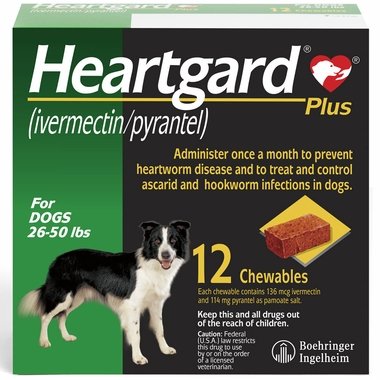
Stop Heartworm Before It Starts
Heartworm disease can be life-threatening for dogs and is transmitted through mosquito bites. Heartgard Plus provides monthly protection that helps prevent heartworm infection while also treating and controlling common intestinal worms.
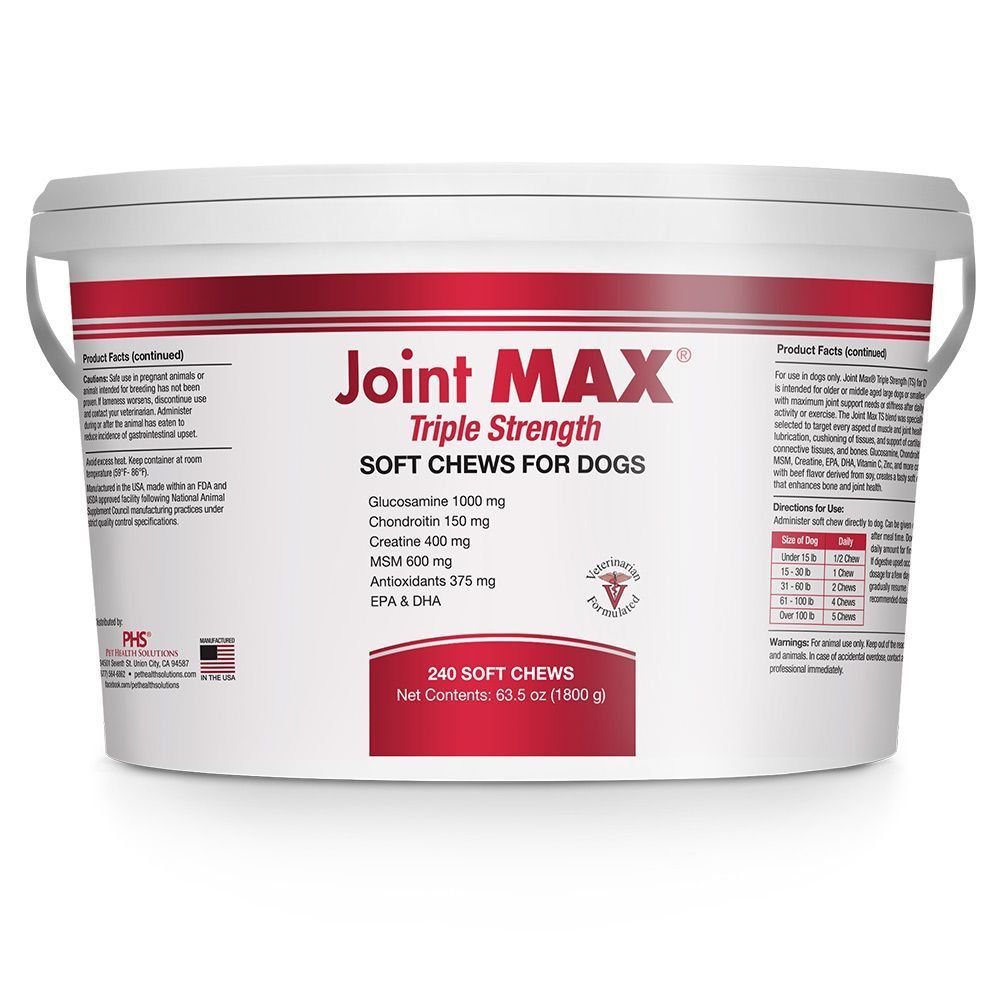
Joint MAX provides an advanced formula
with Glucosamine, Chondroitin, and MSM, designed to lubricate joints and improve overall mobility.
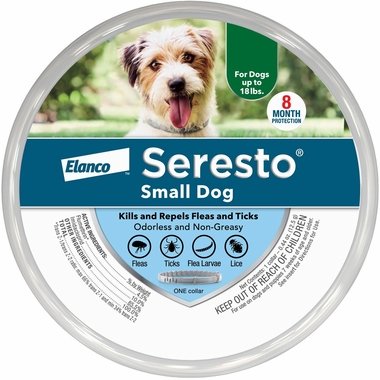
8 Months of Flea & Tick Defense
Fleas and ticks can cause skin problems and transmit diseases. Seresto provides continuous protection for up to 8 months, helping repel and kill parasites without messy monthly treatments.
Crave provides essential vitamins, minerals, and proteins
to boost energy levels and support a strong immune system.

Conclusion
Your hard work in keeping pets safe makes your home a peaceful place for everyone. To stop coyote attacks on dogs, you need to use physical barriers, smart habits, and stay alert to your surroundings.
You have the tools to make your home a safe haven. Making small changes in your daily life can greatly help in keeping dogs safe from coyotes. Every step you take helps lower the chance of wildlife problems in your area.
Teach these safety tips to your neighbors to make your community safer. Working together helps everyone stay updated on local wildlife. Your efforts are the best way to protect your loyal pet.
Be careful during evening walks and keep your backyard safe. Your dedication to these steps ensures your pet lives a long, happy life. Begin making these changes today to safeguard your dog from dangers.
FAQ
Why is coyote safety for dogs a growing concern in suburban neighborhoods?
How can I begin coyote-proofing your yard for dogs effectively?
What are the most important coyote safety measures for dogs regarding property infrastructure?
How does a zero-food policy help in preventing coyote attacks on dogs?
What protective gear do experts suggest for how to protect dogs from coyotes?
What is the best coyote deterrent for dogs to carry during daily walks?
How can I improve my coyote awareness for pet owners when walking at dawn or dusk?
What should I do if I find myself in a face-to-face encounter with a coyote?
Are there specific coyote safety tips for pets that change with the seasons?
Why is community cooperation essential for keeping dogs safe from coyotes?

References:
This article was created based on information from the following authoritative sources: American Society for the Prevention of Cruelty to Animals (ASPCA), ASPCA Animal Poison Control Center, and Merck Veterinary Manual.