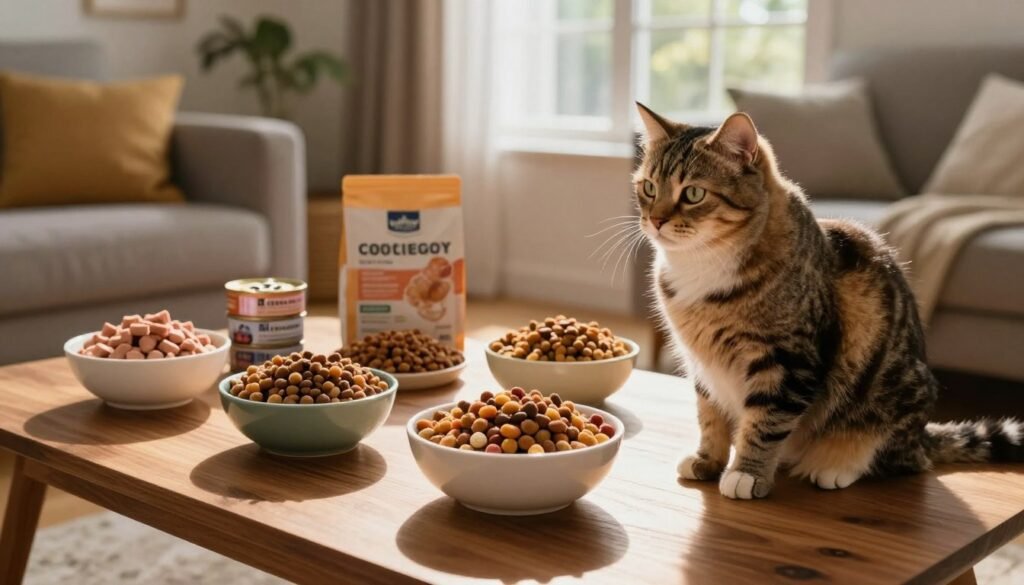
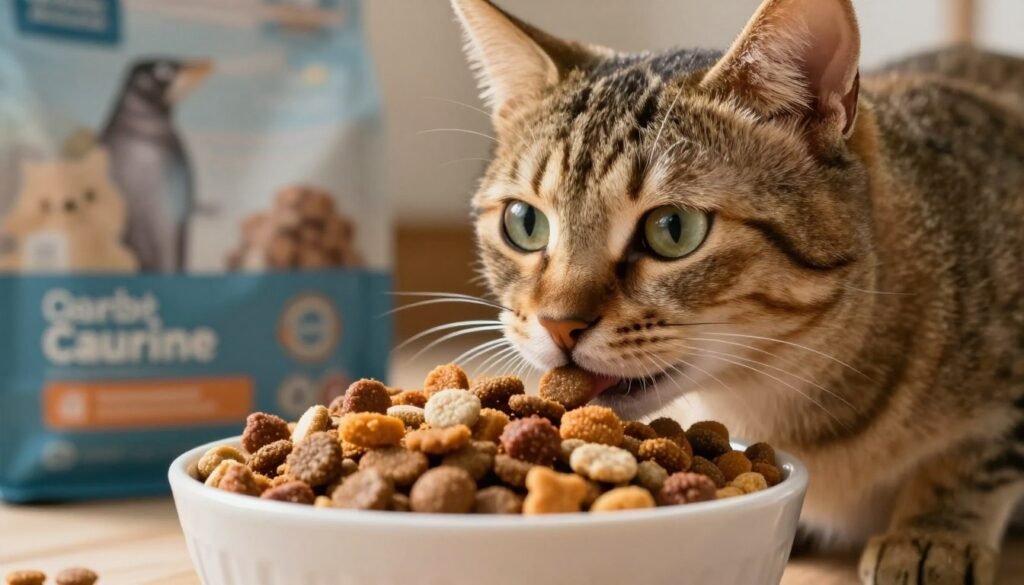
Ever wondered why your cat’s fur loses shine, even with regular grooming? Many owners miss the fact that true beauty comes from within, not just on the surface.
Right nutrients are key for a vibrant, healthy look. Essential fatty acids are like building blocks for skin, keeping it moist and reducing dryness. By choosing top-notch cat coat supplements, you nourish your pet deeply.
Good nutrition is crucial for your pet’s looks. When you focus on healthy fats, you help your cat have a shiny coat that’s soft and strong. Knowing this helps you improve your pet’s health and vitality for years to come.
Key Takeaways
- Omega fatty acids are essential for maintaining healthy skin and fur.
- Proper nutrition helps prevent dryness and irritation in your pet.
- Internal health is the primary driver of a vibrant, glossy appearance.
- Targeted dietary additions can significantly improve your pet’s comfort.
- Consistent care leads to long-term improvements in skin resilience.
Understanding Cat Coat Supplements
If your pet’s fur has lost its shine, you might want to add special nutrients. Regular food might not have all the needed nutrients for skin and hair health. Cat coat supplements fill this gap with key compounds.
What are Cat Coat Supplements?
These supplements are nutritional boosters for your pet’s skin and hair. They help keep the skin healthy against outside stress. Regular use can make your pet’s fur softer and stronger.
These supplements do more than just make your pet look good. They help your pet stay healthy overall. The right nutrients make your cat’s skin less dry and less likely to get irritated. Choosing natural remedies for cat fur is a gentle way to keep your cat well.
Key Ingredients to Look For
Look for supplements with good fatty acids and minerals. Omega-3 and Omega-6 fatty acids keep the skin moist and shiny. Biotin and Vitamin E help hair stay strong.
The table below shows important ingredients in supplements and their benefits for your cat:IngredientPrimary BenefitTarget Area
Knowing about these ingredients helps you choose the right supplements for your cat. Always check the label for quality and avoid fillers or artificial additives. Good supplements keep your cat comfortable and looking great.
Benefits of Omega Fatty Acids
Learning about omega fatty acids is key to good cat skin and coat care. These nutrients are crucial for your pet’s health, supporting more than just basic nutrition. They help keep your cat’s skin strong and healthy.
Skin Health Improvements
Omega fatty acids keep the skin’s moisture balance right. When your cat gets enough of these, their skin can fight off stress better. Proper hydration at the skin level stops dryness and flaking, common in indoor cats.
Promoting a Shiny Coat
Seeing your pet’s coat improve is very rewarding. Omega fatty acids make the fur soft, easy to manage, and shiny. They help the skin produce natural oils, giving a noticeably healthier sheen.
Regularly giving your cat these fatty acids boosts their feline fur health. Their coat will feel thicker and more luxurious. This makes grooming easier, as the fur is less likely to tangle or break.
Reducing Allergies and Inflammation
Systemic inflammation can cause itchy, red, or irritated skin in cats. Omega fatty acids help control the immune response, easing discomfort from common allergens. They reduce inflammation, stopping your cat from scratching too much.
These nutrients are a natural way to handle sensitivity without harsh meds. Supporting your cat’s internal health builds a strong foundation for long-term comfort. This keeps your pet happy, healthy, and full of life.
Types of Omega Fatty Acids
Knowing the difference between omega-3 and omega-6 fatty acids is key to your cat’s health. These nutrients are natural remedies for cat fur, improving their look from the inside. Topical solutions can’t compare to the benefits of eating the right foods.
Omega-3 Fatty Acids
Omega-3 fatty acids are known for their powerful anti-inflammatory properties. They help calm irritated skin and lessen redness from allergies. Adding these to your cat’s diet helps build a strong skin barrier.
Fish oils are a great source of omega-3s, packed with EPA and DHA. These are key for healthy skin cells and less inflammation. Your cat’s coat will likely become softer and shinier with enough omega-3s.
Omega-6 Fatty Acids
Omega-6 fatty acids are also crucial for your cat’s health. They help with skin growth and wound healing. Without enough, your cat might have dry, flaky skin or a dull coat.
While some look into essential oils for cat fur, they can be harmful. It’s safer to focus on dietary fatty acids for internal health. Always aim for a balanced mix of these nutrients for your cat’s well-being.
How to Choose the Right Supplement
Choosing the right supplement for your cat is important. Each cat is unique, and a one-size-fits-all approach doesn’t work well. By understanding your cat’s needs, you can find a safe and effective solution for cat skin and coat care.
Consider Your Cat’s Specific Needs
Start by thinking about your cat’s age, breed, and health. Kittens, adults, and seniors need different nutrients. Always consult with your veterinarian to see if your cat needs special care.
Some breeds have dry skin or shed a lot. Knowing this helps you pick natural remedies for cat fur that really help. Choosing the right supplement for your cat saves money and keeps them healthy.
Quality Over Quantity
When looking for best vitamins for cat coat health, don’t just look at the packaging. Good supplements are pure and easy for your cat to use. Stay away from products with lots of fillers or low-quality oils.
Reading the label is key. Look for clear ingredients, third-party tests, and open manufacturing. Investing in premium products means you can use less and get better results. Quality is more important than how much you use.
Incorporating Supplements into Diet
Adding supplements to your cat’s diet doesn’t have to be hard. It’s important to choose safe, high-quality additives. These are made to be tasty and safe for cats.
Mixing with Food
The best way to add cat coat supplements is by mixing them into wet food. Start with a little to see if your cat likes it. Consistency is key to make it a habit.
If your cat is finicky, mix a small amount of supplement into a bit of food. Then, give them the rest of their meal. This way, they get all the nutrients without refusing their food.
Using Treats to Administer
If your cat likes dry food or doesn’t want additives in their meals, treats are a great option. Many cat grooming supplements come in forms that can be hidden in treats. This makes giving them supplements a positive reward.
You can also use lickable liquid treats as a base for the supplement. Cats love these treats, making it easy to hide the supplement’s taste. This keeps the experience stress-free and makes your cat look forward to their daily health boost.
Common Myths About Cat Coat Supplements
Dealing with pet wellness can be confusing because of myths about cat nutrition. It’s key to know the truth to give your pet the best care. Understanding these myths helps you choose the right products for your cat’s health.
“Cats Don’t Need Supplements”
Many think that good cat food has all the nutrients a cat needs. But, every cat is different, and some may need extra help. Individual health needs like skin issues or seasonal changes might require special support.
Just relying on regular food might not give your cat the fatty acids they need for a shiny coat. Targeted supplementation can fill this gap. It ensures your cat gets the right nutrients for their life.
“All Supplements Are the Same”
Not all supplements are created equal. Quality and effectiveness vary greatly between brands. Choosing a reputable source is crucial to avoid harmful ingredients.
Some people think using essential oils on their cat’s fur is safe. But, many essential oils are toxic to cats. Always go for safe, vet-approved supplements instead of untested home remedies to keep your pet safe.
Signs Your Cat May Need a Supplement
Watching for small changes in your cat’s fur can alert you to nutritional needs. Their skin and coat show their internal health. If they’re missing key nutrients, you’ll see signs first on the outside.
Dull or Flaky Coat
A healthy cat’s fur should be soft and shiny. If your cat’s fur looks dull, it might need better nutrition. A dry, brittle, or flaky coat often means they lack essential fatty acids.
These fats are crucial for keeping the skin moist. Without them, the skin can get irritated. This leads to discomfort and dander. Giving your cat the best vitamins for cat coat health can help restore their natural oils.
Excessive Shedding
Every cat sheds, but some more than others. If you’re always cleaning up a lot of fur, it could be a sign of a problem. Shedding that doesn’t stop with the seasons often means the skin isn’t getting enough nutrients.
Look out for these signs that your cat might need a supplement:
- Visible dander or white flakes on the fur.
- Fur that feels coarse or brittle to the touch.
- Bald patches or thinning areas that were not previously there.
- Constant scratching or irritation of the skin.
By spotting these signs early, you can keep your cat’s coat shiny. This proactive care helps your pet stay comfortable and healthy for years.
What Veterinarians Say
Getting advice from a vet is key for your cat’s fur health. Many products are out there, but your vet knows what’s best for your pet. They understand your cat’s needs better than anyone.
Vets can guide you through the world of supplements. They make sure your cat gets the right nutrients. This way, you avoid products that might not be good for your cat.
Recommendations for Cat Owners
Experts say to choose high-quality, tested supplements for safety. Good cat skin and coat care means picking ingredients that are easy for your cat to digest.
It’s important to watch your cat for any changes after starting a new supplement. If you see any bad reactions, stop the supplement right away. Then, call your vet for what to do next.
Consulting Before Starting
Always talk to your vet before adding a new supplement to your cat’s diet. They’ll check if the supplement is safe with your cat’s health history. This is key for keeping your cat’s skin and coat healthy.
Your vet will also tell you how much to give your cat. They consider your cat’s weight, age, and current feline fur health status. This ensures your cat stays healthy and well.
| Consideration | Professional Advice | Owner Action |
|---|---|---|
| Medical History | Review for contraindications | Provide full health records |
| Dosage | Calculate based on weight | Follow label and vet guidance |
| Product Quality | Recommend reputable brands | Verify third-party testing |
| Monitoring | Assess progress at checkups | Track skin and coat changes |
Conclusion: The Value of Omega Fatty Acids
Omega fatty acids are key for your pet’s health. They offer deep support, not just for looks.
Choosing the right food is crucial for your cat’s comfort. Using top-notch grooming supplements makes a big difference in how your pet feels and moves.
Supporting Vitality Through Nutrition
Good internal health shows in your cat’s looks. You’ll see their coat improve when you give them the right nutrients for skin cells.
Brands like Nordic Naturals or Grizzly Pet Products are great for your cat. They keep your cat’s coat soft and strong, protecting them all year.
Establishing a Sustainable Care Routine
Adding these nutrients to your daily routine makes caring for your cat special. You can mix them into their food or give them as treats during play.
By paying attention to your cat’s needs, you ensure their happiness and comfort for life. Small steps today lead to a brighter future for your pet.