Did you know hairless cats need up to 20% more calories than furry cats? This is because they don’t have fur to keep warm. So, their bodies work harder to stay at a good temperature.
Choosing the right sphynx cat diet is key to their health. Without fur, their skin is more exposed to the environment. This makes their diet even more important.
Good nutrition for hairless cats helps protect their skin from problems. High-quality food supports their skin and keeps them healthy. Knowing what they need helps keep them warm and well all year.
Key Takeaways
- Hairless breeds have a faster metabolism due to constant heat loss.
- Specialized food helps maintain healthy skin and natural oil production.
- High-protein meals are essential for supporting their active energy levels.
- Proper hydration is critical to prevent dry or flaky skin conditions.
- Consulting a veterinarian ensures your feeding plan meets specific health needs.
Understanding the Sphynx Cat’s Nutritional Needs
Learning about the sphynx cat diet starts with their unique body. They don’t just lack fur; their body works differently. Knowing this helps you keep your pet healthy and full of life.
Unique Features of Sphynx Cats
Sphynx cats stand out because they don’t have fur. This means they lose heat faster than other cats. They work hard all day to keep their body warm.
Because they lose heat quickly, their diet needs to be special. Their skin is like an organ that needs the right food to stay healthy. Without fur, their skin faces more challenges from the environment.
High Energy Requirements
These cats burn calories fast to stay warm. They often eat a lot to keep their energy up. A calorie-dense diet is key to keeping them at a good weight.
When planning their meals, remember:
- Higher caloric density helps with heat loss.
- Small meals often keep their energy steady.
- Good proteins support their active lifestyle.
Essential Nutrients for Healthy Skin
Without fur, their skin can get dry or oily. A good sphynx cat diet includes nutrients for healthy skin. This helps prevent skin problems, even without fur.
Make sure their meals have:
- Omega-3 and Omega-6 fatty acids for skin health.
- Vitamin A and E for skin repair.
- Enough water to keep their skin moist.
Proper nutrition for hairless cats is crucial. It keeps them warm, comfortable, and healthy every day.
The Importance of a Balanced Diet
It’s crucial to give your hairless cat a top-notch diet. They don’t have fur to keep their skin safe. So, they need a diet that keeps their skin healthy.
A balanced diet helps fight off problems like too much oil or upset stomachs. It’s their main defense.
Benefits of Proper Nutrition
Feeding your sphynx cat a balanced diet does more than just keep them alive. It helps control their skin’s oil, so they don’t leave greasy marks everywhere. Good food also keeps their energy up all day.
Also, the right mix of proteins and fats keeps their metabolism healthy. This is important because they burn calories fast. Quality food means a happy, healthy cat for a long time.
Common Nutritional Deficiencies
Hairless cats are very sensitive to diet problems. If they don’t get enough fatty acids or vitamins, their skin can get dry and flaky. This shows they need more moisture or fats.
Feeling tired is another sign they’re not getting the right food. Without the right calories, they might not be as playful. Watching for these signs is important for their health.
Signs of Poor Diet in Cats
Spotting diet problems early can help avoid bigger health issues. Look for changes in their skin, like it becoming dull or losing its bounce. Also, watch their weight closely.
Big changes in weight, either up or down, mean their diet is off. If they seem less playful or look dull, it’s time to change their food. Choosing nutrient-rich meals is key to keeping them healthy and happy.
Recommended Food Types for Sphynx Cats
Choosing the right food is key for your cat’s skin health and energy. Without fur, they need good hydration and nutrients to keep their skin oily. Finding the best food for sphynx cat wellness means balancing convenience with their special needs.
Dry vs Wet Cat Food
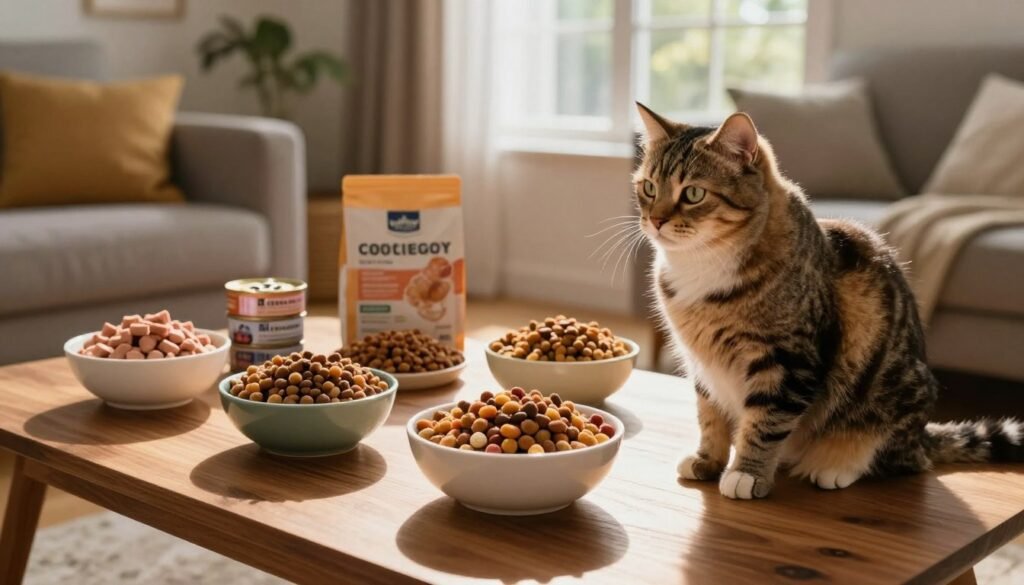
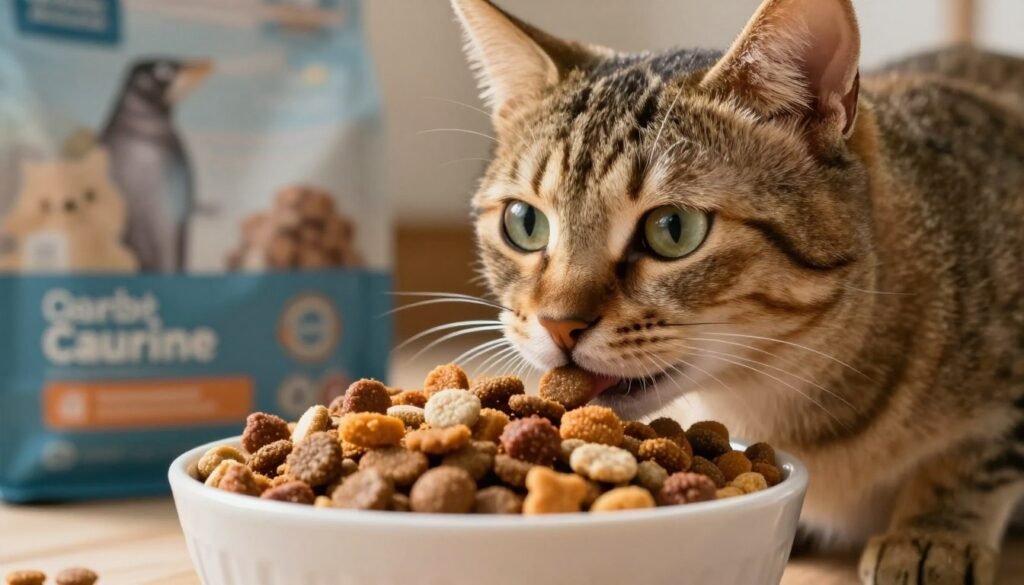
Many owners wonder if kibble or canned food is better. Kibble is easy to use and good for teeth, but it’s not as moist as canned food.
Canned food is better for Sphynx cats because it keeps them hydrated. Consistent moisture intake helps their skin stay flexible and keeps them full of energy.
Whole Foods and Raw Diet
Whole foods or a raw diet can be very good for your cat. These diets have high-quality proteins and fats that are easy for your cat to digest.
Feeding your healthy diet for sphynx kittens helps their immune system grow strong. Many owners see softer skin and less waste with raw diets compared to processed foods.
- High Protein: Essential for muscle maintenance and growth.
- Natural Fats: Crucial for maintaining healthy skin oils.
- Minimal Fillers: Reduces the risk of digestive upset and skin irritation.
Commercial vs Homemade Diet Options
Choosing between store-bought and homemade meals depends on your lifestyle and budget. Store-bought foods are made by experts to meet nutritional needs, saving you time and ensuring consistency.
Homemade diets let you control every ingredient, which is great if your cat has allergies. But, you need a vet to make sure it’s healthy. Making a healthy diet for sphynx kittens at home needs careful planning to avoid missing nutrients.
Key Nutrients for Skin Health
Feeding your best food for a Sphynx cat is key to their skin health. Since they don’t have fur, their skin depends on your food choices. It helps control their natural oil production.
Omega Fatty Acids
Omega-3 and Omega-6 fatty acids are essential for cats. They help reduce inflammation and keep the skin soft and supple.
Adding high-quality fish oils or plant-based fats to their diet is important. It helps keep their skin barrier strong. This prevents flakiness and oil buildup that can cause discomfort.
Vitamins and Minerals
A healthy diet for sphynx kittens needs the right mix of vitamins and minerals. Vitamins A and E are crucial for skin cell growth and protection. They help fight off environmental stressors.
Minerals like zinc are also important for skin health. Making sure your pet gets these nutrients early helps their skin stay healthy for a long time.
Hydration and its Role
Drinking enough water is vital for skin health. It helps prevent dry skin and keeps the kidneys working well. This is important for overall health.
When looking for the best food for a Sphynx cat, choose options that encourage water intake. A healthy diet for sphynx kittens and adults should always focus on moisture. This keeps their skin hydrated from the inside out.
Special Dietary Considerations
Sphynx cats need a diet that’s just right for them. You’ll need to watch how they react to different foods. This way, you can stop problems before they start.
Allergies and Food Sensitivities
Sphynx cats often have sensitive stomachs. They can get sick from bad fillers or additives. Look out for vomiting, diarrhea, or too much scratching.
If you see these signs, try a simple diet. This can help find out what’s causing the problem. Always talk to your vet about these issues. They can help find safe foods for your cat.
Weight Management Tips
Keeping your Sphynx cat at a good weight is important. Too much weight can hurt their joints. It also makes skin problems worse.
Use a digital scale to measure food. Regular exercise is also key. If your cat starts to get too heavy, change their food right away.
Age-Specific Dietary Needs
Kittens need lots of calories and nutrients for growth. They should eat often to stay full of energy. As they get older, their diet needs to change to prevent weight gain.
Older cats need food that’s easy on their joints and stomach. You might need to switch to a lower-calorie, higher-fiber food. Choosing the right food is important for your cat’s health at every stage of life.
Feeding Frequency and Portion Control
Keeping your hairless cat healthy starts with a routine. These cats burn energy fast, so they need a steady food supply. A feeding guide for sphynx cats helps ensure they get enough energy all day.
How Much to Feed a Sphynx Cat
Figuring out how much food your cat needs depends on their age, weight, and health. Kittens need more food because they grow fast.
Adult cats need food to stay warm since they don’t have fur. Always check with your vet to find out how many calories your cat needs.
Ideal Feeding Schedule
Feeding your cat the same amount at the same time is key. Most experts say to feed them three or four times a day. This helps keep their blood sugar stable and prevents them from feeling hungry too often.
Sticking to a schedule helps your cat’s body clock and stops them from begging for food. It’s a good way to keep them happy and healthy.
Adjusting Portions for Activity Levels
Your cat’s diet needs to change based on how active they are and the temperature in your home. A balanced diet for sphynx cats should be flexible to meet these needs.
If your cat is very active or it’s cold outside, they might need more food to stay warm. But if they’re not very active, watch their food intake to avoid weight gain.
Watching your cat closely helps you adjust their food. Check their body shape to see if you need to change their food portions to keep them in top shape.
Supplements for Sphynx Cats
Even with a perfect diet, some Sphynx cats need extra help. A good meal plan is key, but this feeding guide for sphynx cats shows how certain supplements can help. They support their special skin and joint needs.
When to Consider Supplements
Introduce supplements only if your cat shows signs of needing extra help. Look for dry or flaky skin, less mobility, or a dull coat. Always observe your cat closely before making any changes.
Think about supplements during big life changes, like growing up or getting older. These times can be tough on a cat’s immune system and joints.
Recommended Supplements
Choose supplements that fit well with a balanced diet for sphynx cats. High-quality ingredients can really help your cat feel better and more energetic.
- Omega-3 Fatty Acids: Essential for keeping skin healthy and reducing inflammation.
- Glucosamine and Chondroitin: Great for supporting joints as your cat gets older.
- Probiotics: Good for cats with sensitive stomachs or digestive issues.
“The goal of supplementation is to fill nutritional gaps, not to replace the essential nutrients found in a complete, high-quality commercial diet.”
Consulting with a Vet
Always talk to your vet before adding new supplements to your cat’s diet. They can tell you if supplements are needed and how much is safe for your cat’s size and age.
Adding supplements without a vet’s advice can be risky. It could lead to toxicity or an imbalance of nutrients. A professional consultation keeps your efforts safe and effective for your cat’s health.
Reading Pet Food Labels Effectively
Learning to read pet food labels is key to your cat’s health. It’s crucial for any pet owner who wants their cat to stay healthy for years. By ignoring fancy marketing, you can make sure your cat gets a balanced diet for sphynx cats that fits their needs.
Understanding Ingredients
The ingredient list is the most critical part of any label. Look for a named protein source like chicken, turkey, or salmon as the first ingredient. Stay away from vague terms like “meat by-products” or “animal digest,” as they don’t offer the quality nutrition your cat needs.
Following this feeding guide for sphynx cats, remember that ingredient order is key. Ingredients are listed by weight, so the first ones are the main part of the food. Make sure carbs like corn or wheat aren’t the main ingredients.
Recognizing Quality Brands
Not all pet food companies put your cat’s health first. High-quality brands are transparent about their ingredients and how they make their food. They often do feeding trials to make sure their food is safe and nutritious for the long term.
When looking for a balanced diet for sphynx cats, find companies with veterinary nutritionists. These experts create recipes that support your cat’s skin and energy. A good brand will answer your questions about their ingredients and safety.
Avoiding Harmful Additives
Many commercial foods have artificial colors, flavors, and preservatives that can harm your cat’s skin. Since your cat has special needs, it’s best to avoid ingredients like BHA, BHT, and ethoxyquin. These additives don’t add nutritional value and can harm your cat’s health over time.
Choose foods with natural preservatives like mixed tocopherols or vitamin E instead. By picking products without unnecessary fillers, you’re better protecting your pet’s health. This feeding guide for sphynx cats encourages you to read labels carefully to avoid hidden dangers.
Homemade Diet Recipes for Sphynx Cats
Making a balanced diet for your Sphynx cat at home needs careful planning. It’s better than commercial food because you can control every ingredient. This is great for cats with special needs or skin issues.
Nutritional Recipe Ideas
Use high-quality, lean proteins like cooked chicken, turkey, or rabbit. These give your cat the amino acids they need. Add small amounts of cooked veggies like carrots or green beans for fiber and vitamins.
Make sure the protein is fully cooked and without bones, skin, or seasonings. A bit of fish oil adds omega fatty acids for healthy skin. Following these diet tips for sphynx cats makes meals that are good for them and tasty too.
| Feature | Homemade Diet | Commercial Diet |
|---|---|---|
| Ingredient Control | Complete | Limited |
| Preparation Time | High | Low |
| Nutrient Precision | Requires Expert Input | Standardized |
| Cost Efficiency | Variable | Consistent |
Important Safety Reminders
When preparing meals at home, safety is key. Avoid toxic foods like onions, garlic, grapes, and chocolate. Also, make sure the meal is complete to avoid deficiencies.
“Proper feline nutrition is not just about filling the bowl; it is about providing the precise building blocks for a long and healthy life.”
It’s wise to talk to a vet nutritionist before starting a new diet. They can ensure the right amounts of calcium, phosphorus, and taurine for your cat. Without these, your cat could face health problems.
How to Transition to Homemade Food
Don’t switch your cat’s diet suddenly. It can upset their stomach. Start by mixing a little homemade food with their current food. Gradually increase the homemade food over seven to ten days.
Watch your cat for signs of upset stomach, vomiting, or changes in stool. If you see any problems, go back to their old diet and talk to your vet. These diet tips for sphynx cats help make the switch to homemade food smooth and safe.
Monitoring Your Sphynx Cat’s Weight
Keeping your Sphynx cat at a healthy weight is key to their happiness and health. Watching their body closely helps catch health issues early. This is crucial for their skin and mobility.
Ideal Weight Ranges
Adult Sphynx cats usually weigh between 6 and 12 pounds. But, the right weight depends on their body shape and muscle. Focus on their body condition score, not just the weight.
A healthy cat should have a clear waistline when seen from above. You should be able to feel their ribs without a lot of fat. If your cat seems tired or can’t groom well, it’s time to check their diet.
Tips for Weight Management
Start with diet tips for sphynx cats by controlling portions. Avoid free-feeding to prevent weight gain. Use a digital scale for every meal to ensure the right amount.
Choose high-protein, low-carb meals to keep your cat full. Interactive play also burns calories and keeps their mind sharp. Always talk to your vet before changing their diet.
Benefits of Regular Weigh-Ins
Regular weighing is key for a balanced diet for sphynx cats. Weigh your cat every two weeks to catch weight changes early. This lets you adjust their food right away.
Regular checks give you peace of mind and help keep your cat’s diet balanced. Use the table below to check your cat’s health at home.
| Score | Physical Description | Action Required |
|---|---|---|
| 1-3 (Underweight) | Ribs and spine are clearly visible. | Increase caloric intake. |
| 4-5 (Ideal) | Ribs felt with light touch; waist visible. | Maintain current routine. |
| 6-9 (Overweight) | Ribs difficult to feel; no visible waist. | Consult vet for diet tips for sphynx cats. |
Working with Your Veterinarian for Optimal Diet
Your vet is your key partner in keeping your hairless cat healthy. A strong bond with a clinic like VCA Animal Hospitals or Banfield Pet Hospital is crucial. They offer expert advice based on your cat’s needs, thanks to clinical data and physical exams.
Regular Health Check-Ups
Make sure to schedule regular vet visits. These check-ups help track how your cat’s food affects its skin and energy. A vet can spot changes you might not see at home, keeping your pet healthy.
Discussing Dietary Changes
Always talk to your vet before changing your cat’s food. This prevents upset stomachs and ensures a balanced diet. Your vet can guide you through choosing the right food for your cat’s metabolism.
Keeping Up with Ongoing Nutritional Education
Pet nutrition is always changing, so stay informed. Keeping up with new research and health trends is important. This way, you can adjust your cat’s diet as it grows older, providing the best care at every stage.
FAQ
Why does a Sphynx cat require more calories than other feline breeds?
What is the best food for sphynx cat skin health to prevent excessive oiliness?
Is it better to feed my hairless cat wet food or dry kibble?
How often should I follow a feeding guide for sphynx cats to maintain their energy?
What specific nutrients are essential for a healthy diet for sphynx kittens?
What are the most important diet tips for sphynx cats with sensitive stomachs?
Can a balanced diet for sphynx cats include raw or homemade food?
How can I tell if my Sphynx cat is at a healthy weight?
When should I consider adding supplements to my cat’s nutrition plan?
References:
This article was created based on information from the following authoritative sources: American Society for the Prevention of Cruelty to Animals (ASPCA) and American Veterinary Medical Association