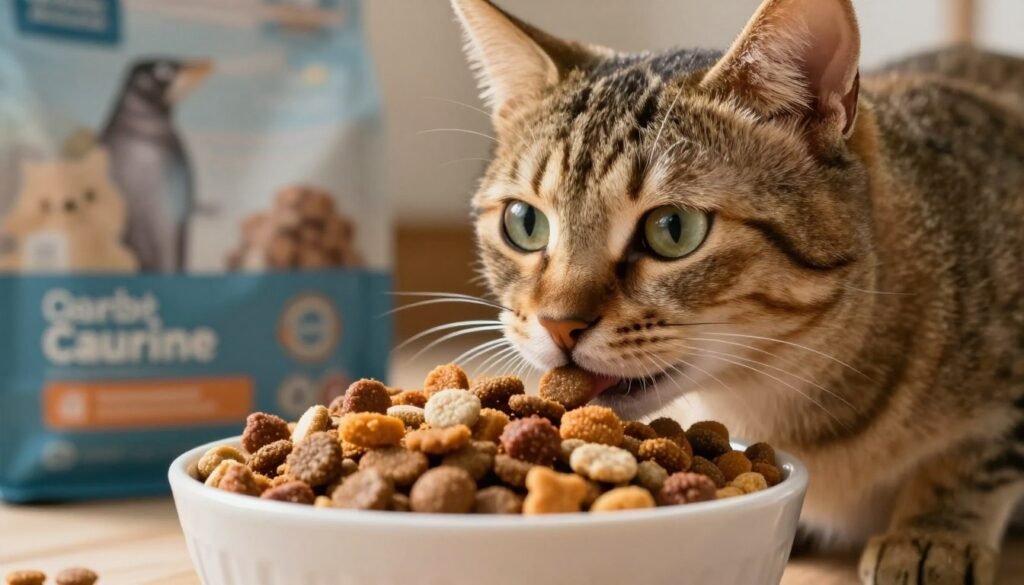
Ever thought about how your pet’s food could affect their life? Many pet owners don’t realize how important good nutrition is for their cat’s bladder and kidneys.
Choosing the right cat urinary health food is key to keeping your pet comfortable. By making smart food choices, you can help your pet live a happier, healthier life.
Proper hydration and balanced minerals are essential for a healthy pet. Knowing these needs helps you take charge of your pet’s health with confidence.
Key Takeaways
- Diet serves as the first line of defense for bladder wellness.
- Proactive nutrition choices prevent common feline discomforts.
- Hydration plays a critical role in supporting kidney function.
- Quality ingredients directly impact your pet’s long-term quality of life.
- Small dietary adjustments lead to significant improvements in daily comfort.
Understanding Feline Urinary Health Needs
Your cat’s urinary system is complex and needs special nutrients to work well. Cats, being desert animals, don’t drink much water. This makes their kidneys and bladder very sensitive to what they eat. The right cat urinary health food can help manage these needs and prevent problems.
Common Urinary Tract Issues in Cats
Feline Lower Urinary Tract Disease (FLUTD) covers many issues in the bladder and urethra. Cats often get struvite or calcium oxalate crystals that cause pain. These problems can come from genetics, stress, and not enough water.
To keep your cat’s urinary system healthy, watch their diet closely. If their urine is too concentrated, minerals can form stones. These stones are painful and can be deadly if not treated.
Signs Your Cat May Have a Problem
Spotting early signs of trouble can help your cat avoid a lot of pain. Keep an eye on how often your cat uses the litter box. If they go more often or take a long time, see a vet.
Other signs include meowing while in the litter box, excessive licking, or blood in the urine. If your cat starts to pee outside the box, it’s a sign of extreme discomfort. Watching for these signs is key to keeping your cat’s urinary system healthy.
Why Urinary Health Matters for Cats
Keeping your cat’s bladder healthy is crucial for their well-being. Chronic problems can lead to infections and kidney stress, which can be costly. By choosing good cat urinary health food, you’re helping your cat live a longer, more comfortable life.
| Symptom Category | Healthy Behavior | Warning Sign |
|---|---|---|
| Litter Box Frequency | Consistent, 1-2 times daily | Frequent, unproductive trips |
| Urination Effort | Relaxed and quiet | Straining or vocalizing |
| Urine Appearance | Clear or pale yellow | Cloudy or blood-tinged |
| Grooming Habits | Normal routine | Excessive genital licking |
Key Nutrients for Urinary Health in Cats
For your cat’s urinary health, it’s key to focus on their diet. The right mix of nutrients helps keep their urine pH balanced. This balance is crucial to prevent crystals and other issues.
Importance of Moisture in Your Cat’s Diet
Water is essential for urinary tract health for cats. It dilutes urine, stopping minerals from forming stones. Since cats don’t drink much, adding wet food helps keep them hydrated.
Role of Protein and Amino Acids
Quality protein is vital for your cat’s health. It includes taurine, which is good for the heart and bladder. A balanced diet helps your cat process waste without straining their urinary system.
“Proper nutrition acts as the first line of defense against chronic health issues, ensuring that the body’s internal systems function in harmony.”
Benefits of Omega Fatty Acids
Omega-3 and Omega-6 fatty acids fight inflammation in the bladder. They soothe sensitive areas and boost the immune system. These fats are crucial for your cat’s urinary health and overall well-being.
| Nutrient | Primary Benefit | Impact on Urinary System |
|---|---|---|
| Moisture | Hydration | Dilutes urine concentration |
| Taurine | Organ Support | Maintains healthy bladder function |
| Omega Fatty Acids | Anti-inflammatory | Reduces bladder wall irritation |
| High-Quality Protein | Tissue Repair | Supports overall metabolic health |
By focusing on these nutrients, you can help your cat live comfortably. Always talk to your vet to make sure your cat gets the right nutrients.
Types of Cat Foods for Urinary Health
Finding the right cat urinary health food can be tough. It’s key to pick the best food for your cat’s bladder health. Knowing the different types helps you choose what’s best for your cat.
Dry vs. Wet Food: What’s Best?
When looking for the best cat food for urinary health, think about moisture. Wet food has more water than dry kibble. This helps dilute urine and lowers mineral concentration.
Increased hydration is crucial for a clean bladder. Dry food is easy, but it might not keep your cat hydrated enough. Vets often suggest wet food to keep your cat hydrated all day.
Prescription Diets for Urinary Issues
If your vet finds crystals or stones, they might suggest a special cat food for urinary issues. These foods are made to change your cat’s urine pH. This helps dissolve struvite crystals.
These diets control minerals like magnesium and calcium. Consistency is key with these foods. They’re meant to be a complete treatment. Don’t mix them with other treats without your vet’s okay.
Grain-Free and Natural Options
Many look for urinary health cat food reviews for natural or grain-free options. But, grain-free doesn’t always mean better urinary health. Focus on the food’s nutrient profile and protein quality.
Natural foods often have better protein and fewer fillers. They support overall health. But, check the mineral content is right for your cat’s needs before switching.
| Food Category | Primary Benefit | Best For |
|---|---|---|
| Wet Maintenance | High Moisture | Preventative Care |
| Prescription Diet | pH Balancing | Active Crystal Issues |
| Natural/Grain-Free | High Protein | General Wellness |
Choosing the top urinary health cat foods means balancing your cat’s needs and preferences. Always talk to your vet to make sure the food is right for your cat’s health and lifestyle.
Choosing the Right Cat Food
Finding the best cat food for urinary health needs careful attention and some knowledge of nutrition. When you’re in the pet food aisle, the many choices can be confusing. But, by learning to read labels well, you can pick foods that help your cat stay healthy.
Reading Labels: What to Look For
First, check the ingredient list, which lists items by weight. Look for a named animal protein like chicken, turkey, or salmon as the first item. This ensures your cat gets the amino acids needed for a healthy bladder.
Also, look at the moisture content in the guaranteed analysis. Hydration is key for a clean urinary tract. Choose wet foods with at least 75% moisture to keep your cat hydrated all day.
Recognizing High-Quality Ingredients
Good nutrition is more than just the first ingredient. You should see healthy fats like fish oil or flaxseed for omega-3 fatty acids. These are essential for reducing inflammation and helping with urinary issues.
Also, check for taurine and minerals in balanced amounts. A good diet will clearly list its ingredients, avoiding vague terms. Choosing brands that are open about their ingredients is key for the best cat food for urinary health.
Avoiding Common Additives and Fillers
Many commercial diets have fillers that don’t offer much nutrition and can harm health. To pick top urinary health cat foods, learn to spot bad ingredients. These can make urine more alkaline, raising the risk of crystals.
Avoid products with:
- Artificial colors and dyes, which are useless for your cat.
- Excessive plant-based fillers like corn, wheat, or soy.
- Chemical preservatives such as BHA, BHT, or ethoxyquin.
- Added sugars or syrups that can cause weight gain.
By avoiding these additives, you help your cat’s health. Focus on foods with clean, whole ingredients for a healthy urinary tract.
Homemade Diets for Cat Urinary Health
Exploring homemade cat nutrition for urinary health can be rewarding for owners. Cooking at home lets you control what your pet eats. But, it needs a deep understanding of cats to ensure they get all nutrients.
Benefits of Home-Cooked Meals
Cooking for your cat means focusing on high moisture. Using fresh foods helps keep urine dilute. This lowers the risk of bladder problems.
With homemade meals, you choose the quality of proteins and fats. Avoiding bad fillers and preservatives improves digestion. Fresh ingredients boost the immune system, key for health.
Essential Ingredients for Urinary Health
A good diet includes high-quality proteins like chicken or turkey. These provide amino acids for a healthy urinary tract. Healthy fats are also important for skin and coat.
Drinking enough water is crucial for cat urinary health diet. Add water-rich veggies or broth to meals. Always check with a vet to make sure your cat gets the right minerals.
Recipes for a Balanced Diet
Making a balanced meal is more than mixing meat and water. You need to add the right amounts of calcium and vitamins. Nutritional balance is non-negotiable when you feed your cat yourself.
Begin by working with a vet to create a recipe for your cat. Use different proteins to get a wide range of nutrients. Consistency and precision are key to managing your cat’s health with homemade meals.
Hydration’s Role in Urinary Health
Keeping your cat hydrated is key to avoiding painful urinary issues. Drinking enough water makes their urine dilute. This helps flush out minerals that could cause harm. Consistent hydration protects the whole urinary tract.
Best Practices to Encourage Drinking
Place water stations around your home to boost your cat’s water intake. Cats like to drink in quiet spots where they feel safe. Try placing bowls in different rooms to make it easy for them to find water.
Some cats prefer certain bowl materials. You might want to try ceramic, glass, or stainless steel. Adding tuna juice or low-sodium broth can also make water more appealing. Variety is key in changing your cat’s habits.
Importance of Fresh Water Sources
Cats are very sensitive to their water’s quality and taste. Change their water often to keep it fresh and clean. A dirty bowl can scare your cat away from drinking.
Regularly clean the bowl with mild soap and hot water. This stops bacteria and keeps the water tasting good. Cleanliness is essential for your cat’s hydration.
Cat Water Fountains: Do They Help?
Many cat owners find water fountains helpful. Cats are drawn to moving water, just like in the wild. This makes the water more appealing and refreshing.
Fountains need more care than bowls, but they’re worth it for urinary health. Clean the pump and replace filters often. Investing in a high-quality fountain supports your cat’s health.
Signs of Improvement after Dietary Changes
Watching your cat after changing their diet is key to knowing they’re getting better. Switching to cat food for urinary issues is a big step towards making them more comfortable. Remember, these changes might take some time to show up in your cat’s daily life.
Monitoring Your Cat’s Health and Behavior
The first signs of getting better often show up in the litter box. Look for consistent urination and no straining. If your cat seems happier and less stressed when using the box, it’s a good sign the new cat urinary health diet is working.
- Increased playfulness and higher energy levels.
- More frequent and comfortable trips to the litter box.
- Improved appetite and overall mood.
- Clearer, more concentrated urine output.
Importance of Regular Vet Check-Ups
While you might see changes at home, don’t skip vet visits. Your vet can do tests like urinalysis and blood work to check if your cat’s health is improving. These tests are crucial to make sure the cat food for urinary issues is stopping crystals from forming.
Your vet can also adjust the diet as needed. Don’t miss these appointments, as they help keep your cat healthy in the long run. Regular visits ensure your cat urinary health diet stays right for your cat’s needs.
What to Expect from a Dietary Adjustment
Remember, changing a cat’s diet isn’t a quick fix. It usually takes weeks to see real improvements in their health. You might notice small changes in behavior before the big health results show up.
“Patience is the most important ingredient when transitioning a cat to a specialized diet, as the body needs time to adjust to new nutrient profiles.”
Keep going and keep track of any changes. This info helps your vet fine-tune your cat’s care plan. With patience and consistency, you’ll likely see a happier, healthier cat.
Common Misconceptions about Cat Diets
Exploring cat food can be tricky, filled with false claims and old advice. Many owners use urinary health cat food reviews to pick food, but these can spread myths. By ignoring trends, you can keep your pet safe.
Myths Surrounding Grain-Free Foods
Many think grain-free foods solve all urinary problems. But, no scientific evidence backs this up. What really matters is the protein quality and moisture, not carbs.
Don’t choose grain-free just for the label. Focus on balanced nutrition over marketing. Your vet can tell if your cat needs a special diet.
The Truth About Treats and Snacks
It’s tempting to give your cat treats, but they can mess up their diet. Many treats have too much magnesium or phosphorus. Even a little can change your cat’s urine pH.
Use small kibble pieces to reward your cat instead of treats. This keeps their diet balanced and their health goals in check. Keeping things consistent is key for long-term health.
Clarifying Urinary Food Stereotypes
Many think all “urinary” foods are the same, but they’re not. Some prevent problems, while others help dissolve stones under vet care. Using generic urinary health cat food reviews without knowing the differences can be ineffective.
Always talk to your vet to pick the right food for your cat. Evidence-based nutrition is more important than trends or social media tips. This way, you give your cat the best care.
The Importance of Consultations with Vets
Getting advice from a vet is key to helping your cat with chronic urinary issues. There are many foods out there, but your vet knows what’s best for your cat. They help you choose based on science, not just marketing.
How Vets Can Assist in Choosing Diet
Your vet uses tests to figure out what’s wrong with your cat. They look at urine and blood samples to see if your cat needs special cat food for urinary issues. This way, you don’t have to guess what to buy.
They also think about your cat’s health history and how active they are. Your vet will suggest the best cat food for urinary health that fits your cat’s needs. This is much better than just picking something off the shelf.
The Role of Nutritional Counseling
Regular talks with your vet about food are important. As your cat gets older, their diet needs to change. Regular check-ins help your vet keep your cat’s diet right for their health.
These talks also teach you how to watch for signs that your cat might need a diet change. You’ll learn how to spot when your cat needs more water or if they’re acting differently. This helps keep your cat healthy and happy.
Tailoring Diets to Your Cat’s Specific Needs
Every cat is different, and one diet doesn’t fit all. Your vet can help you find the right balance of food for your cat. They’ll work with you to find a diet that your cat will eat and that meets their health needs.
| Approach | Focus | Outcome |
|---|---|---|
| General Retail Diet | Maintenance | Basic nutrition for healthy cats |
| Veterinary Guidance | Clinical Management | Targeted relief for urinary issues |
| Nutritional Counseling | Long-term Wellness | Adaptive plans for aging pets |
Working with your vet helps you find the best cat food for urinary health for your cat. This team effort is the best way to keep your pet happy and healthy. Always get your vet’s advice when choosing a cat urinary health diet for long-term success.
Regular Maintenance for Healthy Urinary Tracts
Improving your cat’s life is easy with a few simple steps. Regular care is the best defense against common problems. It keeps your pet happy and healthy for years.
Focus on proactive habits to keep your cat’s urinary tract healthy at all life stages.
Importance of Routine Health Checks
Regular vet visits are key to your cat’s health. These visits help catch health issues early. Early detection is crucial for managing problems and keeping your cat comfortable.
Your vet might do tests like urinalysis or blood work during these visits. Also, watch your cat’s litter box habits at home. Noticing small shifts can help your vet during your next visit.
Supplements for Urinary Wellness
When diet isn’t enough, supplements can help. Quality urinary health supplements support the bladder and maintain pH balance. They often include ingredients like glucosamine or cranberry extract.
Always talk to your vet before adding supplements to your cat’s routine. While natural remedies are popular, make sure they’re safe and effective for your cat. Professional guidance helps choose the right supplements for your cat’s needs.
Lifestyle Changes that Promote Urinary Health
Environmental factors greatly impact your cat’s daily life. Stress can lead to health issues, so a calm home is essential. Simple adjustments, like vertical space or quiet spots, can reduce stress.
Encourage physical activity to support your cat’s health. Interactive play keeps your cat engaged and fit. A nutritious diet and a stress-free lifestyle create the best environment for your cat to thrive.
Conclusion: Taking Control of Your Cat’s Urinary Health
Keeping your pet healthy is a big job. It needs constant care and attention every day. By choosing the right food and environment, you can greatly improve your cat’s life.
Prioritizing Proper Nutrition
Good nutrition is key for your cat’s health. High-quality food gives them the nutrients they need. Make sure their diet is rich in moisture to help their kidneys and bladder.
Building Lifelong Healthy Habits
Being consistent is crucial. Adding urinary health supplements to your cat’s daily routine can help. Look for brands like Royal Canin or Hill’s Science Diet for the best ingredients.
Accessing Reliable Resources
Stay up-to-date with the Cornell Feline Health Center or the American Association of Feline Practitioners. They have the latest on cat health and diet. Regular vet visits are also important to keep your cat’s care plan on track.