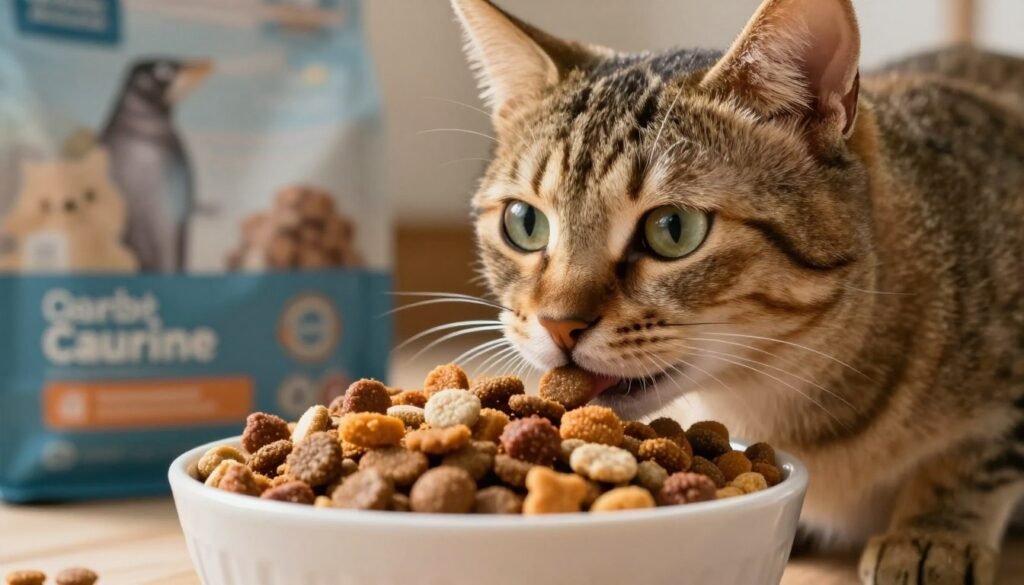
Ever wonder if your pet is getting enough fuel for a great day? Knowing cat calorie requirements is key to a long, happy life. It’s not just about filling a bowl.
Many owners don’t realize how important the right amount of food is. Learning about these needs helps avoid health problems and keeps your pet active.
Proactive care begins with knowing what your cat eats. Balanced nutrition is the base for their health. By understanding cat calorie requirements, you can manage their health with confidence.
Key Takeaways
- Proper energy management is vital for your pet’s longevity.
- Individual needs vary based on age, activity level, and health status.
- Preventing obesity starts with accurate portion control.
- Consulting a veterinarian helps tailor a specific nutritional plan.
- Monitoring weight changes is a key indicator of dietary success.
Understanding Your Cat’s Caloric Needs
Every cat is unique, and their diet needs reflect that. Many owners use generic feeding charts, but these don’t always fit their cat’s specific needs. A personalized nutrition plan is the best way to keep your cat at the right weight and energy level.
What are Cat Calorie Requirements?
Cat calorie requirements are the total energy your pet needs for daily activities. This energy supports basic functions like breathing and digestion, as well as play. Giving your cat the right amount of energy helps them stay healthy.
Too much energy leads to fat storage, while too little causes muscle loss and tiredness. Knowing these energy dynamics helps you provide the exact nutrition your cat needs.
Factors Influencing Caloric Needs
Several things affect your cat’s feline diet needs. Age is a big factor, as kittens need more energy for growth and senior cats have slower metabolisms. Your cat’s environment and activity level also impact their daily calorie burn.
The table below shows how different life stages and lifestyles affect your cat’s energy needs:
| Life Stage/Activity | Metabolic Demand | Primary Focus |
|---|---|---|
| Kitten (Growth) | Very High | Development |
| Adult (Sedentary) | Low | Weight Control |
| Adult (Active/Outdoor) | High | Energy Maintenance |
| Senior (Reduced Activity) | Lower | Joint/Organ Health |
By considering these factors, you can tailor your cat’s diet to their needs. Remember, your cat’s needs change as they age or change their habits. Watching for these changes helps keep your feeding strategy on track for their health.
Daily Caloric Intake Recommendations for Cats
Your cat’s daily calories are key to their health and energy. By following pet nutrition guidelines, you can give them the right amount of energy. This helps avoid overfeeding or underfeeding your pet.
Guidelines Based on Age
Kittens need lots of calories for fast growth. As they get older, they need less to avoid gaining weight. This change is important for their health.
Guidelines Based on Weight
Weight is a big clue for your cat’s calorie needs. Bigger cats need more calories, but focus on their ideal body weight. Talk to your vet to find the right weight for your cat.
Guidelines Based on Activity Level
Your cat’s lifestyle affects how much energy they use. Active cats need more food than lazy ones. Adjusting their diet based on activity keeps them healthy.
| Life Stage | Activity Level | Caloric Focus |
|---|---|---|
| Kitten | High | Growth & Development |
| Adult | Moderate | Maintenance |
| Senior | Low | Weight Management |
| Active Adult | Very High | Performance Support |
How to Calculate Your Cat’s Ideal Caloric Intake
Figuring out the right amount of food for your cat is key. By calculating cat energy intake, you avoid guessing. This method helps keep your pet healthy for a long time.
Using the Body Condition Score (BCS)
Before changing your cat’s diet, check their body condition. The Body Condition Score (BCS) is a tool vets use to check body fat. It’s like a guide for your cat’s weight management.
Here’s how to check your cat’s BCS at home:
- Visual Check: Look at your cat from above to see if there is a visible waistline behind the ribs.
- Tactile Assessment: Gently run your hands along their ribcage; you should feel the ribs without needing to press hard.
- Profile View: Observe your cat from the side to ensure there is a slight abdominal tuck rather than a sagging belly.
“A healthy cat should have a palpable ribcage and a clear waistline when viewed from above, serving as the primary indicator of ideal weight.”
Caloric Needs Formulas Explained
After checking your cat’s condition, you can calculate their daily needs. The Resting Energy Requirement (RER) is the calories a cat burns at rest. Calculating cat energy intake involves multiplying this RER by a specific factor based on your cat’s lifestyle and health status.
To find the Maintenance Energy Requirement (MER), you multiply the RER by a factor from 0.8 to 1.2. This helps you find the ideal cat food portions for your pet. By using these formulas, you make sure your cat gets the right amount of energy for their activities.
Keep in mind, these numbers are just a starting point. Watch your cat’s weight for weeks and adjust the ideal cat food portions if needed. Being precise today means a healthier, more energetic cat tomorrow.
Signs Your Cat May Be Over or Underweight
Your cat’s look can tell you if they need a diet change. Regular checks can spot health issues early. These checks are key healthy cat feeding tips for every owner.
Recognizing Obesity in Cats
Obesity can cause diabetes and joint pain. You should easily feel your cat’s ribs without extra fat. Look out for these signs of extra weight:
- The loss of a defined waistline when viewed from above.
- A rounded or sagging abdomen that swings when they walk.
- Difficulty feeling the ribs or spine under a layer of padding.
- Reluctance to jump or play as much as they used to.
Identifying Underweight Cats
An underweight cat needs quick attention for proper nutrition. Watch their body condition to avoid muscle or fat loss. Look for these signs:
- Prominent, visible spine or hip bones that feel sharp to the touch.
- A noticeable tuck in the abdomen that looks extreme.
- Loss of muscle definition around the shoulders and legs.
- A dull or unkempt coat that may indicate poor nutrient absorption.
If you see these signs, it’s time to rethink your cat’s diet. Adjusting food portions or switching to a better food can help. Always talk to your vet to make sure your healthy cat feeding tips meet your cat’s needs.
The Role of Activity Levels in Caloric Needs
Every cat is different, and their activity level affects their diet. If your cat is always on the move, they need more food. On the other hand, a cat that loves to sleep needs less.
Comparing Indoor vs. Outdoor Cats
Indoor cats tend to be less active and might gain weight if they eat too much. They need you to keep them active. Outdoor cats, on the other hand, are always on the go, hunting and exploring.
Outdoor cats need more food to keep their energy up. If you move an outdoor cat inside, you must change their diet quickly. If not, they can gain weight fast because they’re not burning as many calories.
The Importance of Playtime for Active Cats
Playtime can help indoor cats stay healthy. Use toys like feather wands or laser pointers to get them moving. This intentional exercise helps with their energy needs.
Playing with your cat regularly burns calories and keeps their mind sharp. Try to play with them for at least 30 minutes a day. Watching how they react to play can help you adjust their food to keep them at a good weight.
| Activity Level | Typical Behavior | Caloric Impact |
|---|---|---|
| Sedentary | Mostly sleeping/lounging | Low energy requirement |
| Moderate | Daily play/indoor roaming | Standard maintenance needs |
| Highly Active | Outdoor hunting/climbing | High energy requirement |
The Impact of Diet on Cat Calorie Requirements
Not all calories are the same for cats. The quality of what they eat affects how well their bodies use energy. Choosing high-quality food helps manage cat calorie requirements without using empty fillers.
Selecting Energy-Dense Cat Foods
Energy-dense foods pack more nutrients in smaller amounts. This is great for cats with low appetites or those needing to stay at a certain weight. These foods help provide ideal cat food portions that keep hunger at bay without overfeeding.
Many cat foods have too many carbs or fillers that don’t offer much nutrition. These can cause weight gain because they don’t give cats the energy they need. Always look for foods where the first ingredient is a high-quality animal protein.
The Benefits of High-Protein Diets
A diet rich in animal protein is key for keeping your cat’s muscles strong. Protein helps your cat’s metabolism work better, burning energy all day. This meets your cat’s natural needs as a meat-eater.
High-protein meals have many benefits for your cat’s health:
- Improved muscle tone and strength.
- Better blood sugar control.
- More fullness, helping with ideal cat food portions.
- Better metabolism for weight control.
Choosing meals rich in protein ensures your cat calorie requirements are met with quality fuel. This makes feeding time easier and helps your cat stay healthy and active.
Adjusting Calories for Special Health Conditions
As your feline friend gets older or faces health issues, their diet needs change. It’s important to notice these changes to keep them healthy and comfortable. By being proactive, you can make sure your pet gets the right food for their needs.
Considerations for Senior Cats
Senior cats need fewer calories because their metabolism slows down. Reduced activity levels in older pets can lead to weight gain if they eat too much. It’s crucial to watch their weight to avoid obesity, which can hurt their joints.
When looking at feline diet needs for your senior cat, consider these changes:
- Switch to a formula designed for senior cats that supports joint health.
- Measure food portions precisely to avoid overfeeding.
- Increase the frequency of small meals to aid digestion.
Adjusting Calories for Cats with Medical Issues
Chronic health conditions require a strict diet to manage symptoms. Cats with diabetes need a steady amount of calories to keep their blood sugar in check. Cats with kidney disease may need a diet low in phosphorus to ease the load on their kidneys.
“Proper nutrition is not just about feeding; it is a fundamental pillar of medical management for cats with chronic illnesses.”
Always talk to your vet before changing your cat’s diet. They can help figure out the right amount of calories for your pet’s condition. Consistency is key in managing health issues, as small changes can affect your cat’s health and recovery.
Monitoring Your Cat’s Weight
Watching your cat’s weight closely is key for their health. Small changes in weight can signal health issues early. This simple step is vital for keeping your cat healthy.
Regular Weigh-Ins: When and How
It’s best to weigh your cat every two weeks. A digital baby scale is the most accurate for home use. Just put your cat on the scale and write down the weight in a notebook or app.
If your cat doesn’t like the scale, use a carrier first. Then, subtract the carrier’s weight. Consistency is key for accurate tracking. Weigh your cat at the same time each day, before a meal, for consistent results.
Keeping Track of Diet Changes
Keeping a log of your cat’s food is as important as weighing them. Note any new foods or changes in portion sizes. This helps you track their calorie intake over time.
Looking back at your notes can show how changes affect your cat’s weight. If you see weight changes, you can adjust their diet. Using these cat weight management strategies helps you manage their calories carefully.
| Metric | Frequency | Goal |
|---|---|---|
| Body Weight | Bi-weekly | Maintain stability |
| Food Intake | Daily | Track consumption |
| Activity Level | Weekly | Monitor energy |
| BCS Score | Monthly | Assess body fat |
The Benefits of Consulting with a Veterinarian
Your cat’s health journey is unique, and getting professional advice is key. While you might manage daily meals well, expert veterinary input is crucial for long-term health. By following these feline diet essentials, you ensure your cat gets the best care.
When to Seek Professional Advice
If your cat suddenly loses weight or eats less, see your vet. These signs can mean serious health issues. Proactive communication with your vet can catch problems early.
Also, if your cat seems tired or drinks more water, talk to your vet. They can tell if these changes are diet-related or a sign of illness. Getting advice from a vet is safer than guessing online.
Tailoring Diet Plans with Veterinary Guidance
Every cat is different, needing a diet that fits their unique needs. A vet can make a customized nutrition plan for your cat. This ensures they get the right nutrients for their age and health.
Working with your vet helps you learn the feline diet essentials for your cat’s health. They can adjust food amounts based on your cat’s activity and health. Following these pet nutrition guidelines gives you peace of mind and keeps your cat healthy for years.
Maintaining a Healthy Weight for Your Cat
Your dedication to your pet sets the stage for a long, happy life. Watching your cat’s health closely is key to their well-being.
Using healthy feeding tips helps keep your pet’s energy in balance every day. Changing portion sizes a little can stop weight gain early on.
Seeing these strategies as a long-term commitment to your cat is important. Being patient with diet changes helps your cat get used to new habits.
Playing with your cat every day keeps their muscles strong and their mind sharp. These activities make caring for your cat a special time for both of you.
Regular check-ups help you understand your cat’s specific needs. You have the power to ensure your pet’s future is filled with energy and happiness.