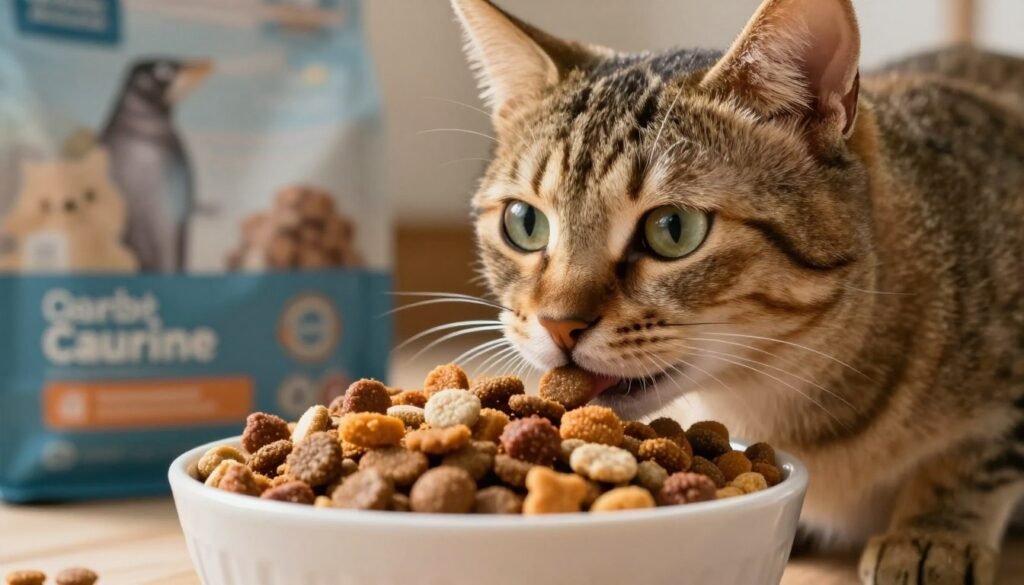
Ever thought about how simple kibble could help your pet live longer and happier? Many owners don’t realize how daily food affects their pets’ organs as they get older.
Starting with a cat kidney health diet is key for long-term health. Choosing the right food early can greatly improve your pet’s life quality.
Consistent dietary choices are a strong tool for keeping kidneys healthy over your pet’s life. Knowing what your pet needs helps you care for them at every stage.
Key Takeaways
- Early nutritional intervention is vital for maintaining long-term organ function.
- A tailored feeding plan helps manage symptoms in aging pets.
- Quality protein sources play a significant role in reducing renal stress.
- Hydration remains a critical component of any effective wellness strategy.
- Consulting with a veterinarian ensures your approach meets specific needs.
Understanding Cat Kidney Health
Your cat’s kidneys work hard to keep their body balanced. These bean-shaped organs filter waste and keep electrolyte levels right. Giving them the right feline renal support helps them work well for your pet’s whole life.
Common Kidney Issues in Cats
As cats get older, their kidneys start to work less well. This can lead to chronic kidney disease, where kidneys can’t filter properly over time. Many owners don’t see changes until it’s too late.
Other problems include sudden kidney injury from toxins or infections. Catching these early is key to helping your cat live better. Keeping a close eye on your cat’s health is crucial for feline renal support.
Importance of Kidney Function in Cats
Kidneys do more than just filter. They help control blood pressure, which is good for the heart and eyes. Without healthy kidneys, your cat’s body can’t stay balanced.
They also help make red blood cells. When kidneys fail, cats can get anemia, leading to tiredness and weakness. Making sure your cat gets the right feline renal support keeps them active and full of life.
Signs of Kidney Problems in Cats
Spotting kidney issues early can greatly improve your pet’s life. By keeping an eye out, you can tell when your cat needs a kidney disease in cats diet. This diet helps support their health for a long time.
Recognizing Early Symptoms
One key sign of kidney trouble is a big increase in thirst. You might need to refill the water bowl more often. This is often paired with frequent urination.
Another warning sign is unexplained weight loss. Even if your cat eats well, losing weight can mean their kidneys are not working right.
“The eyes are useless when the mind is blind to the subtle changes in our pets’ daily routines.”
Behavioral Changes to Watch For
Look out for changes in your cat’s mood or energy. Lethargy often means they’re not feeling well. They might need a special kidney disease in cats diet.
If your cat suddenly loses interest in food, it’s a big warning sign. It’s time to talk to your vet about a kidney disease in cats diet.
Watch these changes closely to make sure your cat gets the care they need. Early action is the best strategy for kidney health.

Extra 40% Discount on All Orders
Why pay full price for quality? Want the VIP treatment for your pet? Join PetCare+ now to solve the problem of recurring costs with a massive 40% OFF, plus exclusive free gifts and free shipping on every order.
Pet Care Supplies
Mon-Fri 9 AM – 5 PM CST
Key Nutrients for Kidney Health
Managing your cat’s diet is key to slowing kidney disease. When kidneys can’t filter waste, certain foods help. A renal diet for cats reduces harmful waste in the blood.
Essential Proteins and Their Benefits
Protein is crucial for your cat, but the quality is more important than the amount when kidneys are failing. High-quality proteins give your cat the amino acids they need without overloading their system. This helps keep their muscles strong and kidneys working less hard.
It’s also vital to feed a low phosphorus cat food. Phosphorus is hard for damaged kidneys to filter, leading to dangerous blood levels. Limiting phosphorus is a key part of modern cat nutrition.
The Role of Omega-3 Fatty Acids
Omega-3 fatty acids, like EPA and DHA in fish oil, are also important. They have strong anti-inflammatory effects. These fats help reduce inflammation in the kidneys, which can slow damage.
Choosing the right foods requires looking at labels and ingredients carefully. The table below shows the main nutrients for kidney health in cats.
| Nutrient | Primary Benefit | Goal for Kidney Health |
|---|---|---|
| High-Quality Protein | Muscle maintenance | Reduce nitrogenous waste |
| Phosphorus | Bone health | Limit intake to prevent damage |
| Omega-3 Fatty Acids | Anti-inflammatory | Protect renal tissue |
| Sodium | Electrolyte balance | Maintain moderate levels |
Talking to your vet is the best way to find the right low phosphorus cat food for your pet. Every cat is different, and a custom diet is best. Focusing on these nutrients helps your cat stay healthy for a long time.
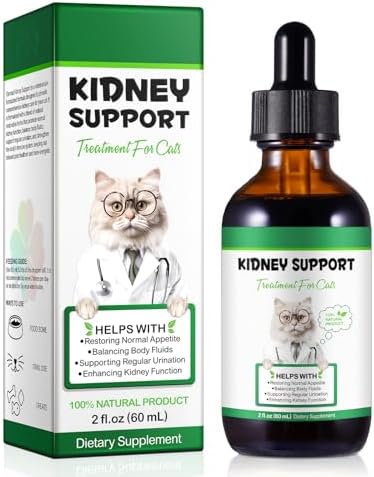

Choosing the Right Diet for Your Cat
Choosing the best cat food for kidney health is key to your pet’s long-term health. The pet food aisle can be confusing, but focusing on nutritional needs makes it easier. A well-thought-out cat kidney health diet is crucial for your cat’s well-being.
Commercial vs. Homemade Diets
Deciding between store-bought and homemade meals depends on your lifestyle and vet’s advice. Commercial foods are convenient and meet strict nutritional standards. But, a homemade cat kidney diet lets you control every ingredient.
“Always consult with a veterinary nutritionist before transitioning your cat to a homemade diet to ensure all essential micronutrients are balanced correctly.”
Think about these points when making your choice:
- Commercial Diets: They have precise nutrient ratios and are easy to find.
- Homemade Diets: They use fresh ingredients but need careful nutrient balancing.
- Veterinary Guidance: Crucial for both to support kidney health.
Reading Pet Food Labels for Kidney Health
Understanding labels is essential for finding kidney-friendly cat food. Look for high moisture content to help with hydration. Also, check for controlled mineral levels, aiming for a low phosphorus cat food profile.
When looking at ingredients, choose high-quality proteins that are easy for your cat to digest. Avoid foods with too many additives or fillers. By carefully reading labels, you make sure each meal helps your cat’s health and kidney function.
Hydration and Its Importance
Cats often drink less water than they need because of their desert-dwelling ancestors. They get most of their moisture from their prey. In today’s homes, this can lead to dehydration, harming their organs.
Keeping your cat hydrated is key to supporting their kidneys. It helps prevent toxins from building up. When they drink enough water, their kidneys work better, keeping urine healthy.
How Water Intake Affects Kidney Function
The kidneys filter waste from the blood. Dehydration makes this harder, as blood volume goes down. This can damage the kidneys over time.
Staying hydrated helps the kidneys work right. It prevents waste buildup and keeps urine healthy. Drinking water is like a daily detox for your cat.
Tips to Encourage Drinking
Getting your cat to drink more water can be tricky. But, with a few changes, you can help a lot. Adjusting their environment and diet can make a big difference.
Here are some tips to keep your cat hydrated:
- Use water fountains: Cats like running water better than still water. It tastes fresher to them.
- Add water to wet food: Mixing a bit of warm water into their canned food increases moisture.
- Create multiple water stations: Place several bowls around the house. This makes it easier for your cat to find water.
- Keep bowls clean: Cats don’t like dirty smells. Clean their water bowls daily to keep them fresh.
These simple changes can greatly help your cat’s kidney health. Small, consistent efforts in hydration can make a big difference in their life.
The Role of Prescription Diets
When your cat has kidney problems, regular food might not be enough. These special diets are made to give feline renal support. They help manage the work on your cat’s kidneys. By changing certain nutrients, these diets aim to slow disease and improve your pet’s life.
When to Consider a Prescription Diet
Your vet might suggest a renal diet for cats if blood tests show kidney decline. These diets are for cats with chronic kidney disease, not healthy ones. They have less phosphorus and easy-to-digest proteins to help your cat’s blood stay clean.
“Therapeutic nutrition is a cornerstone of managing chronic kidney disease, as it directly influences the metabolic stress placed on the kidneys.”
Popular Prescription Diet Brands
Many trusted brands make a top-notch renal cat diet backed by research. These diets focus on the right nutrients for hydration and muscle health. Always check with your vet before changing brands to make sure it’s right for your cat.
| Brand Name | Key Benefit | Texture Options |
|---|---|---|
| Hill’s Prescription Diet | Controlled Phosphorus | Wet and Dry |
| Royal Canin Veterinary | Aromatic Profile | Wet and Dry |
| Purina Pro Plan Veterinary | High Palatability | Wet and Dry |
Picking the right diet depends on your cat’s taste and health needs. Consistency is key in managing these conditions. Make sure your cat always has fresh water with their new diet. Your dedication to these changes can greatly improve your cat’s comfort.
Foods to Avoid for Kidney Health
Keeping your cat safe from bad foods is crucial for their health. Make sure they only eat kidney-friendly cat food. Avoid giving them harmful things, even a little bit, as it can harm their organs.
Toxic Foods and Their Effects
Some foods that people eat are very bad for cats. Onions, garlic, chives, and leeks can hurt their blood cells. This can lead to anemia and kidney problems. Never give these to your cat, no matter how small the amount.
Grapes and raisins can also cause kidney failure in cats. The exact reason is still being studied. But the risk is too high to ignore. Watch what your cat eats to keep them safe.
Harmful Additives in Pet Foods
Some pet foods have bad additives that can make kidney problems worse. Foods with too much sodium and phosphorus are a big problem. These minerals make the kidneys work too hard, which can make the illness worse.
Also, avoid foods with artificial preservatives and fillers. They don’t give your cat any good nutrients. They can cause inflammation and stress the kidneys. Always check the labels to make sure you’re getting a good kidney disease in cats diet.
Choosing the right kidney-friendly cat food means avoiding these dangers. Stay informed and watch what your cat eats. This way, you can help them live a happy and healthy life. Consistency is key for their health.
Regular Veterinary Check-Ups
Proactive medical care is key for your cat’s health. Regular visits help spot problems early. This way, small issues don’t turn into big ones.
These check-ups let your vet track your cat’s health over time. This data helps manage chronic conditions. It ensures your cat gets the best care.
Importance of Routine Health Checks
Routine exams are crucial for kidney health monitoring. Your vet uses special tools to see changes in blood chemistry. These changes are not always visible to the eye.
Early detection is very powerful. Catching changes early means you can make changes. This might include switching to the best cat food for kidney health to slow disease.
Regular checks also help your vet see if treatments are working. They compare new results to old ones. This helps tailor a plan that meets your cat’s unique needs.
What to Expect During Kidney Health Assessments
During an assessment, your vet will do a full physical exam and run specific tests. These tests include a complete blood count and urinalysis. They check for protein loss or concentration issues.
The blood work looks at creatinine and symmetric dimethylarginine (SDMA). These markers show how well the kidneys filter waste.
Your vet might suggest dietary changes based on these results. They might recommend a special diet to ease kidney work. Always follow these recommendations to give your pet the best cat food for kidney health.
Additional Tips for Maintaining Kidney Health
Your cat does best when you mix medical care with a healthy lifestyle. Taking care of your pet’s daily habits is key to their long-term health. Whether you pick a special renal cat diet or make a homemade kidney diet, exercise is crucial.
Encouraging Movement for Vitality
Playtime that’s easy on the joints helps your cat keep their muscles strong and their metabolism healthy. Use toys like feather wands or laser pointers to keep them active without tiring them out. Regular movement boosts blood flow and keeps your cat interested in their surroundings.
Managing Stress for Better Health
A peaceful home environment helps protect your cat from stress that can harm their immune system. Offer places like cat trees or quiet spots for them to hide and feel safe. A regular daily routine helps reduce stress and makes your cat feel secure.
By making these simple changes, you can greatly improve your cat’s life. Watch how these changes affect their energy levels. Working with your vet ensures your cat’s diet meets their needs. Your commitment to these small habits can make a big difference in your cat’s happiness.
FAQ
Why is a specialized cat kidney health diet essential for my pet’s longevity?
What early symptoms suggest my pet might benefit from feline renal support?
How do specific nutrients in a kidney-friendly cat food help manage renal issues?
Why is low phosphorus cat food critical for cats with renal concerns?
Can I prepare a homemade cat kidney diet myself?
Which brands offer the best cat food for kidney health?
When will my veterinarian recommend a transition to a renal diet for cats?
How does hydration complement a kidney disease in cats diet?
What should I look for on labels when choosing a renal cat diet?
References:
This article was created based on information from the following authoritative sources: American Society for the Prevention of Cruelty to Animals (ASPCA) and American Veterinary Medical Association