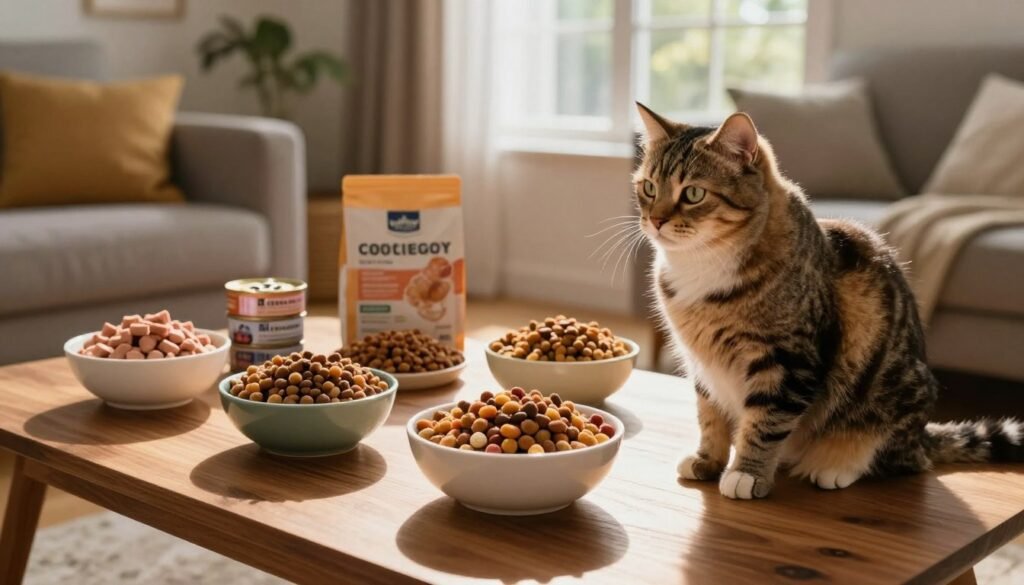
Ever wondered why your cat has constant tummy troubles? Many pet owners see their cats suffer from nausea and irregular digestion. It’s heartbreaking.
Choosing the best cat food for sensitive stomach is key to helping your pet feel better. Good nutrition is crucial for your cat’s happiness and health.
By picking the right ingredients, you can make your pet’s life much better. Knowing how certain proteins and fibers affect your pet is very important. It can change everything for a caring owner. Let’s look at how the right cat food can make your pet happier and healthier.
Key Takeaways
- Digestive issues often stem from specific dietary triggers.
- High-quality proteins are vital for feline gut health.
- Identifying problematic ingredients reduces chronic discomfort.
- Proper nutrition directly impacts your pet’s energy levels.
- Consulting a veterinarian helps tailor your approach to wellness.
Understanding Sensitive Stomachs in Cats
Knowing the signs of a sensitive stomach is key to improving your cat’s life. It’s heartbreaking to see them struggle with digestion. The right cat food for sensitive stomach is often the solution.
Common Symptoms of Sensitive Stomachs
Digestive issues in cats show up in certain ways. You might see them vomiting a lot after eating or having diarrhea that won’t go away. Lethargy and not wanting to eat are also signs they’re not digesting food right.
Some cats may also have a lot of gas or feel bloated after eating. If you see these signs, watch them closely. Keeping a log of these episodes can help figure out if they need a special cat food for sensitive stomach.
Potential Causes of Sensitivity
Many things can upset a cat’s stomach. Food allergies or sensitivities to certain proteins or additives are common. Medical issues like inflammatory bowel disease or parasites can also cause similar symptoms.
Stress or sudden diet changes can also upset a cat’s stomach. Finding the exact cause might take some trial and error. Below is a summary of common indicators and their potential triggers to help you navigate these challenges.
| Symptom | Potential Trigger | Action Required |
|---|---|---|
| Frequent Vomiting | Food Intolerance | Consult Vet |
| Loose Stools | Dietary Change | Monitor Diet |
| Weight Loss | Medical Condition | Immediate Exam |
| Bloating | Low-Quality Fillers | Switch Food |
When to Consult a Veterinarian
While minor stomach issues can be managed at home, professional advice is essential for your cat’s health. See a vet if symptoms last more than 48 hours. Signs of rapid weight loss or dehydration are serious and need immediate help.
Your vet can do tests to check for serious illnesses. They might suggest a cat food for sensitive stomach that fits your cat’s needs. Always seek expert advice when your pet’s health is at risk.
Key Ingredients to Look For in Cat Food
When your cat has digestion issues, the food they eat is crucial. Picking the right cat food for sensitive stomach is important. Look for specific nutrients to help soothe your pet’s digestive system and improve their health.
High-quality Protein Sources
Protein is key for a healthy cat diet. But, not all proteins are the same. For cats with sensitive stomachs, choose proteins like chicken, turkey, or rabbit. These are easier for your cat’s body to digest.
When looking for the top cat food for sensitive stomach, make sure a named meat is the first ingredient. Avoid “meat meal” as it can be of poor quality. High-quality proteins give your cat the amino acids they need without upsetting their stomach.
Digestible Carbohydrates
Cats are meat-eaters, but some foods include carbs for energy and texture. For cats with sensitive stomachs, choose carbs that are easy to digest. Sweet potatoes, peas, or a little brown rice are good choices. Avoid corn or wheat.
Choosing a high quality cat food for sensitive stomach means finding carbs that support energy without upsetting the stomach. These carbs give your cat steady energy all day. Watch how your pet reacts to new carbs to keep them comfortable.
Added Probiotics and Prebiotics
A healthy gut is key for a happy cat. Many premium cat food for sensitive stomach formulas include probiotics and prebiotics. Probiotics are good bacteria that help the digestive system. Prebiotics feed these good bacteria.
These additives help your cat’s digestive system stay healthy. They support a balanced gut environment, helping your cat digest food better. Consistency is key when adding these ingredients to your cat’s diet.
Avoiding Harmful Ingredients
Keeping your cat’s stomach happy means avoiding bad ingredients in their food. When looking for the top cat food for sensitive stomach, don’t just look at the front of the bag. Many foods have ingredients that can upset a cat’s sensitive stomach.
Fillers and Artificial Additives
Fillers are often used to make food seem fuller without adding nutrients. Ingredients like corn gluten meal, soy, and wheat middlings are hard for cats to digest. They’re often used as cheap substitutes for real meat.
Artificial colors, flavors, and preservatives are also bad for sensitive pets. Chemicals like BHA, BHT, and ethoxyquin can cause problems. It’s important to choose sensitive stomach cat food options without these additives for your cat’s health.
Common Allergens to Watch Out For
Some proteins and grains can cause food sensitivities in cats. Beef, dairy, and certain fish can lead to immune reactions. If your cat has ongoing vomiting or diarrhea, these might be the culprits.
Tracking what proteins your cat eats can help find what they can handle. Try different, simple diets to see what works best. Always choose sensitive stomach cat food options with unique proteins like duck, rabbit, or venison.
Understanding Ingredient Labels
Reading pet food labels is crucial for every owner. The first few ingredients listed are key, as they make up most of the food. Look for named meat sources instead of vague terms like “meat by-products” or “animal digest.”
Watch out for labels with many grains or plant-based proteins at the start. A good top cat food for sensitive stomach will list the main protein first. Paying close attention to these details helps avoid ingredients that can make your cat’s condition worse.
Recommended Brands for Sensitive Stomachs
When your cat has a sensitive stomach, picking the right food is crucial. Finding the best cat food for sensitive stomach can take time. But, starting with well-known brands can make things easier. These brands focus on creating formulas that help with digestion.
Hill’s Science Diet
Hill’s Science Diet is known for its clinically proven nutrition. Many sensitive stomach cat food reviews praise their use of easy-to-digest ingredients. These ingredients help reduce stomach upset and support a healthy gut.
Royal Canin
Royal Canin uses science to create special diets for different needs. As a top cat food for sensitive stomach, their food is designed to be easy to chew. This helps cats digest their food better.
Blue Buffalo
Blue Buffalo is great for those who want natural ingredients. Their recommended cat food for sensitive stomach is made with fewer ingredients. This helps find out what might be upsetting your cat’s stomach.
| Brand | Primary Focus | Best For |
|---|---|---|
| Hill’s Science Diet | Clinical Nutrition | Digestive Balance |
| Royal Canin | Tailored Formulas | Specific Sensitivities |
| Blue Buffalo | Natural Ingredients | Allergy Management |
| Generic Brands | Budget-Friendly | Affordable cat food for sensitive stomach |
Grain-Free vs. Grain-Inclusive Diets
Looking for the best cat food for sensitive stomach? You might be torn between grain-free and grain-inclusive diets. It’s about whether cats do better on diets like their wild ancestors or those with extra carbs. The right choice depends on how your cat reacts to different foods.
Pros and Cons of Grain-Free Options
Grain-free diets avoid wheat, corn, and soy, common allergy culprits in cats. Many cats see less inflammation and better poop with these diets. But, remember, grain-free doesn’t mean no carbs. Foods use peas or lentils as fillers instead.
Some cats love grain-free, but others might miss out on grain fiber. Watch your cat’s energy when switching. Make sure the main ingredient is protein to keep muscles strong.
Best Grains for Digestibility
Not all grains are good for cats. Oats, brown rice, and barley are top picks because they’re easy to digest. They offer energy and fiber without causing allergies. These grains are processed to be gentle on your cat’s stomach.
Cooked grains are easy for your pet to use. They help with digestion and give a steady energy boost. If your cat doesn’t have grain allergies, these can be great for their diet.
What to Choose for Your Cat
Choosing depends on your cat’s digestive history. If they have a grain allergy, go grain-free. But, if they just have a sensitive stomach, try sensitive stomach cat food options with gentle grains.
Watch how your cat reacts to their food. If problems persist, talk to your vet about trying grain-free. The best cat food for sensitive stomach is one that’s nutritious and keeps your cat feeling good.
The Role of Fat in Cat Food
Managing a sensitive stomach means focusing on the fat in your cat’s food. Fat is a concentrated energy source that’s vital for your cat’s health. Choosing a high quality cat food for sensitive stomach means checking the fat content carefully. This ensures it helps, not hurts, your cat’s digestive system.
Healthy Fats for Cats
Not all fats are good for cats. Animal-based fats like chicken fat or salmon oil are best. They’re easy for cats to digest and provide essential fatty acids for healthy skin and coat.
These nutrients also help reduce body inflammation. When picking a diet, look for specific fats on the label. This ensures your pet gets clean, nutrient-rich ingredients.
How Fat Affects Digestion
Fat is both good and bad for cats with sensitive stomachs. It’s needed for energy but too much can cause digestive issues. It’s key to find the right balance to keep your cat’s pancreas and gut healthy.
Looking for affordable cat food for sensitive stomach? Check the fat-to-protein ratio. A balanced mix gives your cat energy without upsetting their stomach. Here’s a table showing different fats and their effects on digestion.
| Fat Source | Digestibility | Primary Benefit |
|---|---|---|
| Salmon Oil | High | Reduces inflammation |
| Chicken Fat | High | Excellent energy source |
| Beef Tallow | Moderate | Palatability |
| Vegetable Oil | Low | Poorly absorbed |
Homemade Diets for Sensitive Cats
Some people find the answer to their cat’s digestive problems in their own kitchen. Making food at home lets you control every part of your cat’s diet.
Benefits of Homemade Cat Food
One big plus of making food at home is the absolute control over what goes into it. You can avoid certain proteins or fillers that upset your cat. This is often easier than with even the best high quality cat food for sensitive stomach brands.
Choosing fresh, whole foods means your cat won’t get hidden additives or preservatives. This gives owners peace of mind, knowing their cat is safe from severe food intolerances.
Essential Ingredients to Include
Making a balanced meal isn’t just about serving plain chicken or fish. Cats need specific nutrients to stay healthy and avoid long-term problems.
- High-quality animal protein: Essential for muscle maintenance and overall health.
- Taurine supplements: A critical amino acid that cats cannot produce on their own.
- Calcium and phosphorus balance: Necessary for bone health and metabolic function.
- Essential fatty acids: Important for skin, coat, and digestive health.
“Nutrition is the foundation of feline health; when you control the ingredients, you control the outcome of your cat’s well-being.”
Consulting with a Veterinarian
Before starting to cook, you must talk to a vet. Trying to make a diet without help can lead to severe nutritional deficiencies. These are worse than the original sensitivity.
A vet will help figure out your cat’s exact nutritional needs. Even if you use a premium cat food for sensitive stomach, switching to homemade needs careful planning. This ensures your cat stays healthy.
Remember, your vet is your best ally for safe and complete homemade recipes. Never take chances with your cat’s health.
Transitioning to New Cat Food
Switching your cat to a new food should be done slowly. Even the best recommended cat food for sensitive stomach can upset their stomach if changed too fast. A gradual transition helps avoid discomfort and ensures your cat gets used to the new food.
Steps for a Smooth Transition
The best way to introduce new food is through a slow mixing method. Start by mixing a little of the new food with their current food. Gradually add more new food and less old food over several days.
This method lets your cat’s gut adjust to the new food. If your cat seems hesitant, slow down the transition even more. Finding the right recommended cat food for sensitive stomach is all about being consistent.
Signs of Adjustment in Your Cat
Watch your cat closely during the transition. Look for positive indicators like energy and a good appetite. If your cat is eating well and active, they’re adjusting well.
But, be alert for signs of upset stomach like vomiting or diarrhea. If these happen, you’re moving too fast. Make sure the recommended cat food for sensitive stomach is right for your cat.
How Long to Transition
Vets usually recommend a seven to ten day transition period. This gives your cat’s system time to adjust without shock. Cats with sensitive stomachs might need up to two weeks.
Don’t rush the transition. Patience is key for your cat’s long-term health. A structured schedule helps your cat smoothly adapt to their new food.
Feeding Habits and Routines
Creating a regular feeding schedule is key for your cat’s sensitive stomach. The quality of food is important, but how you feed it matters too. Consistency helps your cat’s body get ready for digestion, making it less likely to upset.
Best Feeding Practices for Sensitive Cats
It’s crucial to control the amount of food for cats with sensitive stomachs. Too much food can cause bloating and discomfort. Always stick to the feeding guidelines on your recommended cat food for sensitive stomach package. Using a slow-feeder bowl can also help prevent your cat from eating too fast, which often leads to vomiting.
Keeping the eating area calm is also important. Cats like to eat in quiet spots away from busy areas. This lets them focus on their food, helping them absorb nutrients better.
Importance of Consistent Meal Times
Keeping a regular feeding schedule helps your cat’s body clock. Feeding at the same time every day helps their digestive system get into a rhythm. This is very helpful for cats with ongoing sensitivities.
If you’re looking for affordable cat food for sensitive stomach, remember that a good routine is just as important. Even the best food can cause problems if you don’t feed it regularly. Consistency is the foundation of a healthy digestive system for your cat.
Understanding Cat Food Labels
Learning to read cat food labels helps you make better choices for your pet. The pet food aisle can be overwhelming. But, breaking down labels makes it easier to find the right food for your cat.
Decoding Ingredients and Nutritional Information
The ingredient list shows the main parts of the food. Look for named protein sources like chicken or salmon. This is better than “meat by-products.” Experts say single-source proteins are best for sensitive stomachs.
The Guaranteed Analysis panel is also important. It shows the percentages of protein, fat, fiber, and moisture. Knowing these numbers helps you compare different foods and find the right balance for your cat.
What Certifications to Look For
Not all labels are the same. Look for certifications like the Association of American Feed Control Officials (AAFCO). This means the food is complete and balanced. It’s key for sensitive stomach health.
Here are some quality indicators:
- AAFCO Statement: Shows the food meets nutritional standards.
- Third-Party Testing: Means the brand checks for safety.
- Manufacturing Transparency: Brands that list their sources often have higher standards.
By focusing on these details, you can choose better. Reading labels carefully supports your cat’s health.
Resources for Further Information
Keeping your pet’s digestive health in check is a big job. It needs constant care and the right information. Look into websites and platforms focused on cat health and nutrition to learn more.
Online Communities and Forums
Joining groups like The Cat Site can be very helpful. You can swap stories with other cat owners. These forums offer real feedback on cat food, helping you see what works best.
Trusted Websites and Publications
The Cornell Feline Health Center has articles backed by science. The Pet Nutrition Alliance also has unbiased info on pet food. These resources help you cut through the marketing to find the best food for your cat.
Professional Organizations for Pet Nutrition
The American College of Veterinary Nutrition sets high standards for pet food. Talking to these experts ensures your choices are based on the latest research. By staying updated, you can make better decisions for your cat’s diet.