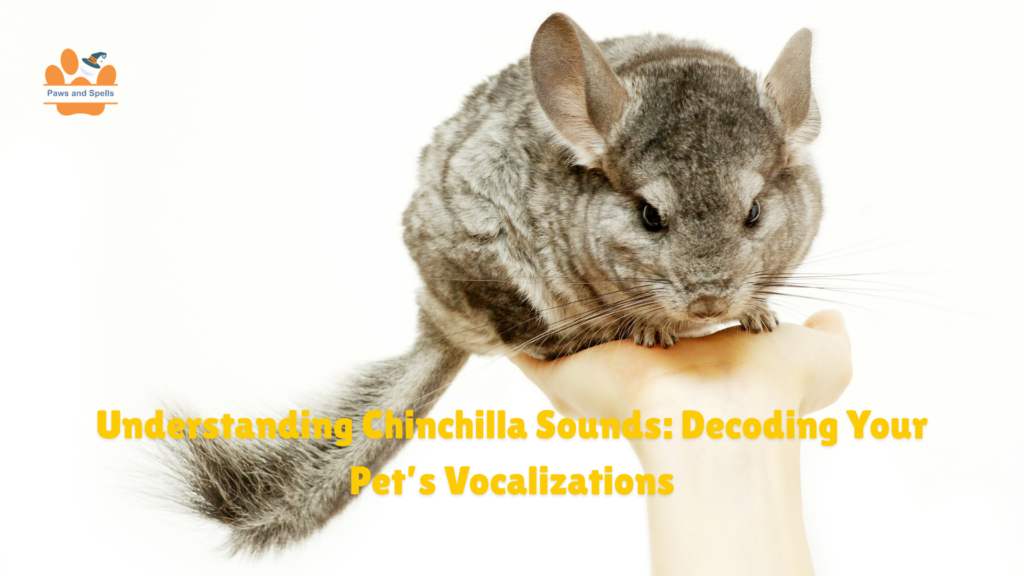
Ever pondered the impact of that small fruit piece on your pet’s health? As a devoted owner, your primary concern is your companion’s well-being.
The American Pet Products Association (APPA) underscores the significance of tailored diets for long-term health. Offering the correct healthy treats for chinchillas enhances your bond and supports their sensitive digestive systems.
Identifying suitable chinchilla snacks can be challenging. The realm of nutrition demands meticulous scrutiny of ingredients.
This guide delves into safe treats for chinchillas, aiming to equip you with knowledge for better choices. By focusing on quality, you guarantee your pet’s well-being under your care.
Key Takeaways
- Proper nutrition is essential for the longevity and happiness of your pet.
- The American Pet Products Association (APPA) emphasizes the importance of understanding specific dietary requirements.
- Not all store-bought items are suitable for sensitive digestive systems.
- Choosing high-quality, natural options helps prevent common health issues.
- Building a bond through mindful feeding creates a trusting relationship with your animal.
Understanding Chinchilla Dietary Needs
A chinchilla’s diet is crucial for their health, necessitating a deep understanding of their nutritional requirements. These animals thrive on a diet rich in fiber and low in protein and fat. This balance is essential for their well-being.
The Importance of a Balanced Diet
A balanced diet is vital for chinchillas to maintain their health, including their digestive system. The ASPCA recommends a balanced diet rich in fiber and low in protein for chinchillas. This balance helps prevent digestive problems and obesity.
Timothy hay should be the main staple of a chinchilla’s diet, supplemented with limited amounts of pellets formulated for chinchillas. This ensures they receive the necessary nutrients without overloading on protein or fat.
Main Nutritional Requirements
Chinchillas have specific nutritional requirements that need to be met to keep them healthy. Their diet should be high in fiber, which aids in maintaining their digestive health, and low in protein and fat to prevent obesity and other health issues.
The main nutritional requirements for chinchillas include:
- High-quality hay, such as Timothy hay, as the main component of their diet
- Limited amounts of chinchilla-specific pellets to supplement their nutritional needs
- Avoidance of high-protein and high-fat foods
Safe Treats for Chinchillas
Understanding the right treats for chinchillas is crucial for their well-being. They need a diet rich in fiber and low in sugar. This includes hay, grass, and specific chinchilla pellets. Treats should enhance their diet without upsetting its balance.
Common Healthy Treat Options
Hay-based products, like hay cubes or cookies, are excellent for chinchillas. They support their natural urge to nibble and maintain dental health. Dried fruits, such as apple or pineapple, should be given sparingly due to their sugar content. Fresh veggies, like carrots or lettuce, can also be healthy, but introduce them slowly to avoid digestive issues.
The Best Friends Animal Society advises introducing new treats gradually. This approach helps monitor your chinchilla’s reaction and prevents digestive problems.
Natural Treats From Your Kitchen
Using natural kitchen treats can be both healthy and economical for your chinchilla. Timothy hay-based snacks, dried fruits, and certain vegetables are good choices. Avoid foods high in sugar, fat, or salt. For instance, a small piece of dried apple or a few kale leaves can be a nutritious treat.
- Dried fruits (in moderation)
- Fresh veggies (introduced gradually)
- Hay-based snacks
Store-Bought Treats: What to Look For
When choosing store-bought treats, always read the labels. Look for products low in sugar, made from natural ingredients, and designed for chinchillas. Avoid those with artificial preservatives, colors, or additives. Reputable brands offer safe chinchilla treats, making them a convenient option.
| Treat Type | Characteristics to Look For | Examples |
|---|---|---|
| Hay-based Treats | High in fiber, low in sugar | Hay cubes, hay cookies |
| Dried Fruits | Low in added sugars, no preservatives | Dried apple, dried pineapple |
| Store-Bought Treats | Natural ingredients, chinchilla-specific | Oxbow, Kaytee chinchilla treats |
“The key to a healthy chinchilla is a balanced diet with high-quality hay as the main staple, complemented by limited amounts of nutritious treats.”
Foods to Avoid Giving Your Chinchilla
As a responsible chinchilla owner, it’s crucial to know which foods to avoid giving your pet to ensure their health and well-being. Chinchillas have sensitive digestive systems, and certain foods can cause serious health issues. According to organizations like Rescue Me and Save-A-Pet USA, it’s advised to avoid giving chinchillas high-protein or high-sugar foods.
Harmful Fruits and Vegetables
Some fruits and vegetables are toxic to chinchillas and should be avoided entirely. For example, avocado, onions, and potatoes are harmful. These foods can cause a range of health problems, from digestive issues to more severe conditions.
It’s also important to limit or avoid giving chinchillas fruits that are high in sugar, as they can lead to obesity and other health issues. A balanced diet that focuses on hay, grass, and limited amounts of chinchilla-safe vegetables is recommended.
Processed Treats and Sugary Snacks
Processed treats and sugary snacks are harmful to chinchillas. These foods can lead to health issues such as obesity and dental problems. Chinchillas have a natural diet that is high in fiber and low in sugar, so foods that deviate from this can cause significant health issues.
When choosing treats, it’s essential to opt for natural, unsweetened options that are safe for chinchillas. Always read the ingredient list and avoid any products with added sugars or artificial ingredients.
How to Introduce New Treats Safely
To maintain your chinchilla’s health and happiness, understanding how to introduce new treats is crucial. Chinchillas possess sensitive digestive systems. Sudden dietary changes can precipitate health problems.
Gradually Adding New Treats
Initiating new treats with small portions is advisable. This method prevents digestive disturbances. Begin with a minuscule piece of the new treat. Incrementally increase the quantity if no adverse reactions occur.
Key steps to follow:
- Start with a small amount of the new treat.
- Monitor your chinchilla’s reaction closely.
- Gradually increase the amount if no adverse effects are seen.
Observing Your Chinchilla’s Reaction
It is imperative to observe your chinchilla’s response to new treats. Look for signs of digestive upset, such as diarrhea or lethargy. If adverse effects are noted, cease the new treat immediately to avert further distress.
By gradually introducing new treats and closely monitoring your chinchilla’s reaction, you can ensure their diet remains varied and healthy. This approach safeguards their well-being.
The Role of Hay in a Chinchilla’s Diet
Hay is a crucial component in a chinchilla’s diet, playing a significant role in their digestive and dental health. The American Society for the Prevention of Cruelty to Animals (ASPCA) underscores the importance of hay. It highlights its role in maintaining their overall health.
Types of Hay Beneficial for Chinchillas
Chinchillas benefit from various types of hay, with Timothy hay being a recommended staple. This is due to its high fiber content. Other types, such as alfalfa hay, can be given in moderation. This is because of their higher protein content.
- Timothy hay is ideal for daily consumption due to its nutritional balance.
- Alfalfa hay, rich in protein and calcium, is better suited as an occasional treat.
How Much Hay Should Be Provided?
Providing unlimited hay ensures that your chinchilla stays healthy. It supports their digestive health and dental wear. It’s essential to have hay available at all times.
The Benefits of Foraging for Chinchillas
In their natural habitat, chinchillas engage in extensive foraging, a behavior that can be emulated in domestic settings. Foraging transcends mere food acquisition; it stimulates their cognitive faculties and promotes physical activity. By integrating foraging into their daily lives, chinchilla owners can dramatically elevate their pets’ well-being.
Foraging Toys and Activities
Foraging toys and activities are crafted to emulate the natural foraging habits of chinchillas. These include puzzle toys filled with hay or treats, hiding food within their enclosures, or employing foraging balls. Such endeavors challenge the chinchillas, fostering engagement and reducing boredom and stress.
Safe Natural Foraging Options
It is imperative to select safe, natural foraging options for chinchillas. Utilizing untreated woods such as apple or willow branches for foraging toys is advisable. Hay-filled toys or cardboard rolls filled with hay also stimulate natural foraging instincts. It is crucial to verify that any material employed is devoid of pesticides or chemicals.
| Foraging Option | Description | Safety Considerations |
|---|---|---|
| Untreated Wood Toys | Made from safe, untreated woods like apple or willow | Ensure the wood is free from pesticides and chemicals |
| Hay-Filled Toys | Toys filled with hay to encourage foraging | Use high-quality hay that is fresh and dry |
| Cardboard Rolls | Cardboard rolls filled with hay or treats | Ensure the cardboard is clean and free from ink or glue |
By offering chinchillas opportunities to forage, owners can significantly enhance their pets’ mental and physical health. This simple yet effective strategy enriches their environment and encourages natural behavior.
Homemade Treat Recipes for Chinchillas
Preparing homemade treats for chinchillas is an excellent way to provide them with healthy snacks. This approach avoids harmful additives found in some commercial products. By choosing the right ingredients, you can create treats that are not only delicious but also beneficial for your pet’s health.
Simple and Healthy Recipes
Creating simple and healthy recipes for your chinchilla can be both fun and rewarding. Here are a few ideas to get you started:
- Hay-Based Cookies: Mix hay with a small amount of water to form a dough. Shape into cookies and dry them thoroughly.
- Dried Fruit Mix: Dry fruits like apples and bananas, then mix them with hay or other safe dried fruits.
- Chinchilla-Safe Granola: Prepare a granola mix using ingredients like oats, hay, and dried fruits, ensuring all components are safe for chinchillas.
Ingredients to Avoid in Homemade Treats
When making homemade treats for your chinchilla, it’s crucial to avoid certain ingredients that can be harmful. Some of the key ingredients to avoid include:
- Chocolate: Contains theobromine, which is toxic to chinchillas.
- Caffeine: Can cause serious health issues, including heart problems and seizures.
- High-Sugar Foods: Can lead to digestive issues and obesity.
- Processed Meats: High in salt and unhealthy fats, which can be detrimental to a chinchilla’s health.
Always research any new ingredient thoroughly to ensure it’s safe for your chinchilla. Consulting with a veterinarian can also provide additional guidance on creating healthy homemade treats.
Treat Portion Control and Frequency
Mastering treat portion control is essential for your chinchilla’s health and happiness. Treats should be given sparingly as part of a well-rounded diet. Excessive feeding can cause obesity and other health problems, emphasizing the need for owners to monitor treat quantities and frequency.
Recommended Treat Quantity
The ideal treat quantity for chinchillas varies, but a common guideline is to restrict treats to a few per week. This approach ensures treats do not dominate their diet, which should mainly consist of high-quality hay, grass, and limited pellets.
It’s advisable to offer treats no larger than a chinchilla’s paw. This size guideline helps avoid overfeeding and ensures a balanced diet. For instance, when giving dried fruit or root vegetables as treats, a few small pieces are enough.
Daily vs. Weekly Treat Limits
Chinchilla owners often debate the difference between daily and weekly treat limits. The essence lies in recognizing treats as an occasional supplement, not a daily necessity.
For chinchillas, it’s generally recommended to limit treats to 2-3 times a week. This frequency allows for variety without risking dietary imbalances. Daily treats can lead to excessive calorie intake and nutrient imbalances not balanced with their regular diet.
- Daily treats can disrupt the nutritional balance of a chinchilla’s diet.
- Weekly treats allow for variety and can be a fun way to enrich your chinchilla’s environment.
- Always choose treats that are safe and healthy for chinchillas.
By controlling treat portion and frequency, chinchilla owners can help maintain their pet’s overall health and well-being. It’s about finding a balance that works for both you and your pet, ensuring that treats remain a positive and healthy experience.
Recognizing Allergies and Sensitivities
As a responsible chinchilla owner, it is vital to recognize the signs of allergies and sensitivities to ensure your pet’s health. Chinchillas may react adversely to specific foods, ingredients, or environmental factors. These reactions can significantly affect their well-being.
Symptoms to Watch For
Identifying symptoms of allergies or sensitivities in chinchillas is the initial step towards appropriate care. Common indicators include:
- Skin irritation, such as redness, itching, or rashes
- Digestive issues, including diarrhea or constipation
- Respiratory problems, like sneezing or difficulty breathing
Observing any of these symptoms necessitates close monitoring of your chinchilla’s condition. If symptoms persist or worsen, consulting a veterinarian is imperative.
Steps to Take if Allergic Reactions Occur
If you suspect an allergic reaction in your chinchilla, the first action is to remove the suspected allergen. This might involve changing their food, avoiding certain bedding types, or removing potential allergens from their environment.
Consulting a veterinarian is crucial for obtaining professional advice tailored to your chinchilla’s specific situation. They can help determine the cause of the allergic reaction and recommend the best course of action.
By being vigilant and taking prompt action, you can help ensure your chinchilla leads a healthy and comfortable life, free from the discomfort of allergies and sensitivities.
Maintaining Good Dental Health
Maintaining good dental health is crucial for chinchillas due to their unique dental anatomy. Their teeth grow continuously throughout their lives. This necessitates a diet that helps wear down their teeth naturally. Preventing overgrowth and associated health issues is essential.
The right treats can play a significant role in maintaining their dental health. Treats that are high in fiber and require chewing can help keep their teeth trimmed.
Treats That Promote Dental Care
Treats made from hay or wood are excellent options for promoting dental care in chinchillas. These types of treats encourage chewing. This is essential for wearing down their continuously growing teeth.
- Hay-based treats: These are not only good for their teeth but also provide essential fiber.
- Wooden chew toys: Certain types of untreated wood are safe and beneficial for chinchillas to chew on.
Avoiding Tooth Problems with Proper Treats
Avoiding treats that are high in sugar or low in fiber is crucial. Such treats can lead to tooth decay and other dental problems.
| Treat Type | Dental Benefit | Recommendation |
|---|---|---|
| Hay-based | High in fiber, promotes natural teeth wear | Recommended |
| Sugary treats | Can cause tooth decay | Avoid |
| Wooden chews | Encourages chewing, helps wear down teeth | Recommended |
By choosing the right treats and avoiding harmful ones, chinchilla owners can significantly contribute to their pet’s dental health and overall well-being.
Frequently Asked Questions About Chinchilla Treats
Chinchilla owners frequently seek guidance on the most suitable treats for their pets. It is vital to understand what is safe and healthy to ensure their overall well-being. Factors such as avoiding allergies and maintaining dental health are crucial when selecting treats for your chinchilla.
Common Concerns Among Chinchilla Owners
Many owners are concerned about the safety of certain foods and the appropriate frequency of treats. The American Society for the Prevention of Cruelty to Animals (ASPCA) advises introducing new foods and treats gradually to prevent digestive issues. Chinchilla treat FAQs often address the role of hay and the benefits of foraging activities.
Expert Tips for Treating Your Pet Right
Experts suggest opting for high-fiber treats and limiting their frequency to maintain a balanced diet. The Best Friends Animal Society stresses the importance of monitoring your pet’s health and adjusting their diet as needed. By selecting safe treats for chinchillas and controlling treat portions, you can ensure your pet’s health and happiness.
FAQ
What are the safest treats for chinchillas to ensure long-term health?
How often can I offer chinchilla snacks without disrupting their nutritional balance?
Are there any healthy treats for chinchillas that I can prepare at home?
What should I look for when shopping for safe chinchilla treats at a pet store?
Can you provide some creative chinchilla treat ideas to help with mental stimulation?
How do I safely introduce a new item into my pet’s chinchilla diet?
Which chinchilla food options are best for maintaining dental health?
What common foods are toxic or dangerous for chinchillas?
References:
This article was created based on information from the following authoritative sources: American Society for the Prevention of Cruelty to Animals (ASPCA) and Royal Society for the Prevention of Cruelty to Animals (RSPCA).