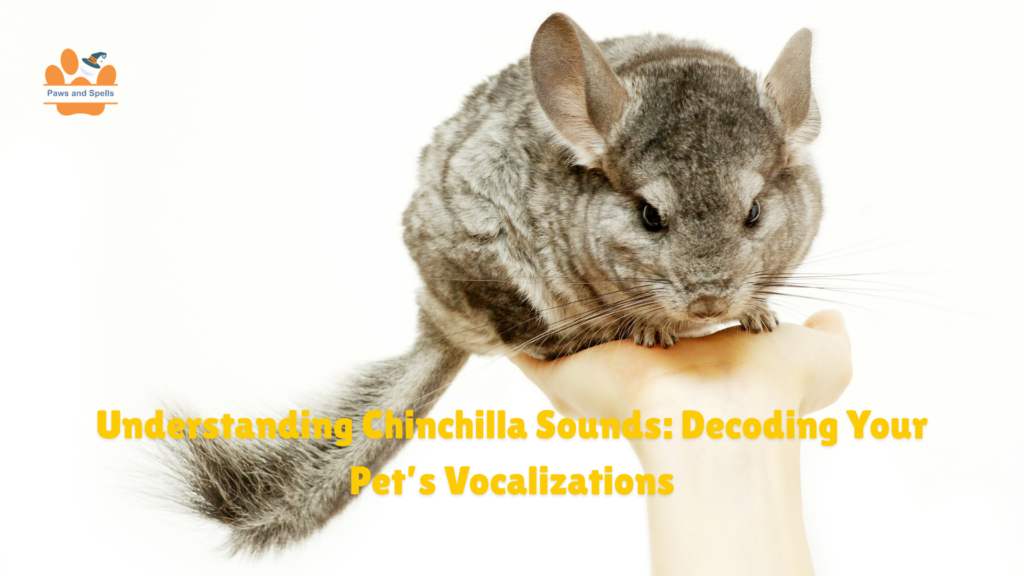
Ever ponder if your small, lively pet truly acknowledges the love and effort you dedicate to its daily existence? Many owners discover that these soft, nocturnal creatures have a complex personality. This personality rewards those who invest time in understanding them.
Bonding with a chinchilla necessitates a gentle approach, based on patience and consistent observation. These animals are naturally cautious, making it essential to earn their trust gradually. Rushing this process is not advisable.
According to the American Pet Products Association (APPA), success starts with prioritizing high-quality chinchilla care. By learning to interpret their unique behaviors and respecting their boundaries, you create a secure environment. Here, affection can flourish. Building a meaningful relationship transcends mere feeding; it involves becoming a trusted companion in their world.
Key Takeaways
- Trust is earned through consistent, calm interactions rather than forced handling.
- Understanding natural behaviors helps you interpret your pet’s comfort levels.
- Proper nutrition and a clean habitat form the foundation of a healthy relationship.
- Patience remains the most important tool for any owner seeking a deeper connection.
- Observing your pet’s body language allows for more effective and stress-free communication.
Understanding Your Chinchilla’s Nature
To bond effectively with your chinchilla, it’s crucial to grasp their natural behaviors and habitat. This comprehension significantly enhances your ability to create a suitable environment. Such an environment fosters a stronger bond between you and your pet.
The Natural Habitat of Chinchillas
Chinchillas hail from the Andes mountains in South America. They thrive in cool, dry climates. This adaptation makes them most comfortable in temperatures between 55°F and 75°F (13°C and 24°C). They are also sensitive to high humidity.
Chinchilla Behavior: What to Expect
Chinchillas are crepuscular, meaning they are most active at dawn and dusk. Initially, they may seem skittish due to their prey animal nature. The American Society for the Prevention of Cruelty to Animals (ASPCA) advises creating an environment that mirrors their natural habitat. This can help reduce stress.
| Aspect | Description | Implication for Care |
|---|---|---|
| Native Habitat | Andes mountains, cool and dry | Provide a cool, dry environment |
| Activity Pattern | Crepuscular (active at dawn and dusk) | Plan interaction during active hours |
| Initial Behavior | Skittish due to being prey animals | Approach gently and patiently |
Setting Up a Comfortable Environment
A well-designed living space is crucial for your chinchilla’s well-being and enhances bonding. Chinchillas need a specific environment to thrive. As a responsible pet owner, understanding and meeting these needs is essential.
The American Society for the Prevention of Cruelty to Animals (ASPCA) emphasizes the importance of a suitable environment. It reduces stress and promotes health. A comfortable environment ensures your chinchilla’s physical health and strengthens your bond.
Choosing the Right Cage
The cage is the cornerstone of your chinchilla’s living space. When choosing a cage, size, ventilation, and safety are key. A spacious cage is vital for physical and mental health. The ASPCA suggests a cage of at least 2x4x4 feet in size.
Ventilation is critical due to chinchillas’ sensitivity to temperature and humidity. A well-ventilated cage maintains a healthy environment. Ensure the cage is protected from direct sunlight and placed in a quiet area to reduce stress.
Essential Cage Accessories for Bonding
To create a nurturing environment, the right accessories are necessary. Hiding places are crucial for your chinchilla’s security. Wooden houses or tunnels provide excellent hiding spots.
Toys are essential for keeping your chinchilla engaged and stimulated. Choose safe, durable toys like wooden or untreated wicker toys. Avoid toys with small parts that can be ingested.
A solid-bottom cage is recommended to prevent foot injuries from wire mesh. Line the cage with safe bedding like wood shavings or another recommended material.
By selecting the right cage and accessories, you create a comfortable and safe space. This lays the foundation for a strong and healthy bond with your chinchilla.
Building Trust Through Interaction
Creating a robust bond with your chinchilla hinges on trust, which can be fostered through consistent, gentle interaction. This approach not only ensures your chinchilla’s security but also deepens the connection between you and your pet.
The Importance of Patience
Patience is crucial in building trust with your chinchilla. These animals, by nature, are cautious and may require time to adjust to new settings and individuals. Rushing the process can cause undue stress, hindering the trust-building endeavor.
Key aspects of patience in chinchilla trust building include:
- Allowing your chinchilla to approach you on their terms
- Avoiding sudden movements or loud noises
- Gradually increasing interaction time
Daily Interaction Routines
Daily interaction routines are pivotal in forging a strong bond with your chinchilla. Consistency in interactions fosters a sense of security and clarity in your pet’s expectations.
Effective daily routines include:
- Feeding times: Regular feeding schedules help your chinchilla associate you with positive experiences.
- Cage cleaning: Performing cage cleaning at the same time each day can become a predictable and less stressful experience for your chinchilla.
- Playtime: Engaging in play with your chinchilla daily can significantly enhance your bond. Activities such as providing safe toys or simply letting them explore a safe, chinchilla-proof area under supervision can be very beneficial.
According to the Best Friends Animal Society, regular, gentle interaction can significantly enhance the trust between you and your pet. By incorporating these routines into your daily schedule, you can create a strong foundation for a lasting and meaningful relationship with your chinchilla.
Positive Reinforcement Techniques
To foster a deep and meaningful connection with your chinchilla, consider employing positive reinforcement techniques. This approach not only strengthens your bond but also provides mental stimulation for your pet. Positive reinforcement is a powerful tool in encouraging desired behaviors in chinchillas.
By using rewards such as treats and playtime, you can motivate your chinchilla to engage in behaviors that are beneficial for their well-being and your relationship. Chinchillas are known to respond well to positive reinforcement, making it an effective method for training and bonding.
Treats That Chinchillas Love
Chinchillas have a distinct preference for certain treats that can be used to reward good behavior. Some of their favorite treats include hay, fruits such as apples and bananas, and specific chinchilla-safe foods. It’s essential to choose treats that are safe and healthy for your chinchilla to ensure their well-being.
- Hay: A staple in a chinchilla’s diet, hay is a great treat that they love.
- Fruits: Apples, bananas, and other fruits are enjoyed by chinchillas in moderation.
- Chinchilla-safe foods: There are specific foods formulated for chinchillas that can be used as treats.
Using Playtime as Motivation
Playtime is another effective way to motivate your chinchilla and strengthen your bond. Engaging in play with toys or simply letting them explore under supervision can be very motivating for chinchillas. This not only provides them with the necessary mental and physical stimulation but also creates opportunities for positive interaction.
Some ideas for playtime activities include providing a variety of toys, creating a safe environment for exploration, and spending quality time with your chinchilla. By incorporating playtime into your daily routine, you can enhance your chinchilla’s quality of life and deepen your bond.
Recognizing and Respecting Boundaries
To forge a lasting bond with your chinchilla, acknowledging and respecting their boundaries is essential. Chinchillas, as prey animals, instinctively defend themselves when threatened or scared. It’s crucial to understand and respect these boundaries to create a safe, nurturing environment.
Understanding Body Language
Chinchillas predominantly communicate through body language. Observing their posture, facial expressions, and behavioral changes offers insights into their emotional state. For example, a chinchilla with its ears laid back or fur standing on end may be anxious or threatened. In contrast, a relaxed chinchilla displays an open, calm demeanor.
Recognizing comfort and discomfort signs is also vital. A chinchilla at ease will approach willingly and interact positively. On the other hand, a stressed or fearful chinchilla may hide, avoid interaction, or exhibit aggressive behavior.
Signs of Stress in Chinchillas
Chinchillas show stress in various ways, and identifying these signs is crucial for a stress-free environment. Common stress indicators include:
- Fur chewing or barbering
- Reduced appetite
- Hyperactivity or restlessness
- Hiding or avoidance behaviors
Recognizing these signs early enables you to take corrective measures. This may involve adjusting their environment, providing more hiding places, or modifying your interaction techniques.
| Signs of Stress | Possible Causes | Corrective Actions |
|---|---|---|
| Fur chewing | Boredom, stress, or environmental factors | Provide more toys, reduce stressors, ensure adequate hiding places |
| Reduced appetite | Stress, health issues, or dietary changes | Consult a veterinarian, review diet, minimize stress |
| Hyperactivity | Overstimulation, lack of exercise, or stress | Provide more space for exercise, reduce stimulation, ensure adequate rest |
Creating a Safe and Stimulating Space
To ensure your chinchilla’s happiness and engagement, a safe, stimulating environment is crucial. A well-designed space not only improves their quality of life but also plays a significant role in chinchilla socialization and chinchilla care.
A safe environment is foundational for your chinchilla’s well-being. This involves ensuring their cage is secure, well-ventilated, and free from hazards. Regular checks for any potential risks, such as loose wires or toxic substances, are crucial.
Enrichment Activities for Chinchillas
Enrichment activities are vital for stimulating your chinchilla’s natural curiosity and encouraging active behavior. Some effective enrichment strategies include:
- Providing new toys and accessories on a regular basis to keep the environment interesting.
- Rotating cage accessories to create a new environment periodically.
- Creating hiding places or tunnels using cardboard boxes or PVC pipes.
- Offering opportunities for exploration outside of their cage in a safe, chinchilla-proofed area.
These activities not only keep your chinchilla engaged but also contribute to their physical and mental health. According to the American Society for the Prevention of Cruelty to Animals (ASPCA), environmental enrichment is a critical component of animal care, as it helps reduce stress and promotes well-being.
Safe Toys That Enhance Bonding
Toys play a significant role in enhancing the bond between you and your chinchilla. Safe toys made from untreated wood or hay are excellent options. These materials are not only safe for your chinchilla to chew on but also encourage natural foraging behavior.
Some examples of safe toys include:
- Wooden chew toys, such as untreated pine or apple wood.
- Hay-based toys, like hay balls or hay-filled puzzle toys.
- Tunnels and tents made from safe, non-toxic materials.
Engaging with your chinchilla through play with these toys can significantly enhance your bond. It allows for interaction and creates positive associations, which are key to building trust and a strong relationship.
The Role of Consistency in Bonding
Creating a strong bond with your chinchilla necessitates a consistent approach. This fosters an environment of trust and reliability. Consistency is pivotal in bonding, as it ensures your pet feels secure and understands your expectations.
The American Society for the Prevention of Cruelty to Animals (ASPCA) emphasizes the importance of establishing a routine for pets. This routine provides stability and reduces stress. For chinchillas, a consistent daily schedule for feeding, cleaning, and interaction is crucial.
Establishing a Schedule
To forge a strong bond with your chinchilla, creating a daily schedule is essential. This schedule should include regular times for feeding, exercise, and interaction. Such predictability fosters a sense of security and builds trust. For instance, feeding your chinchilla at the same time daily establishes a routine they can rely on.
Key components of a chinchilla care schedule include:
- Feeding times
- Cage cleaning
- Playtime and exercise
- Interaction and socialization
The Impact of Routine on Trust
A consistent routine profoundly impacts trust building between you and your chinchilla. When your pet knows what to expect, they feel more comfortable and secure. Experts note that a routine gives pets a sense of control and reduces anxiety, which is vital for chinchilla trust building.
Maintaining a consistent routine demonstrates to your chinchilla that you are a reliable caregiver. This strengthens your bond and enhances chinchilla interaction. As the bond grows, your chinchilla becomes more receptive to interaction, leading to a more fulfilling relationship.
Consistency is the foundation upon which trust is built, and trust is the cornerstone of a strong human-animal bond.”
By prioritizing consistency and establishing a clear routine, you can foster a deep and lasting connection with your chinchilla. This connection is built on trust, reliability, and mutual understanding.
Socializing with Other Pets
Introducing your chinchilla to other pets requires a cautious and monitored approach. This guide will help you through the steps of introducing your chinchilla to other animals. It will also cover how to monitor their interactions for safety.
Introducing Chinchillas to Other Animals
Gradual and controlled introduction is key when introducing chinchillas to other animals. Begin by keeping them separated and allowing them to get familiar with each other’s scents and sounds.
Swap their bedding or place their cages near each other for a gradual introduction. This method helps reduce stress and anxiety during their first face-to-face encounter.
Monitoring Interactions for Safety
When it’s time for a face-to-face introduction, monitor their behavior closely. Look for signs of stress or aggression, such as fur standing on end, growling, or hiding.
It’s crucial to intervene if you notice any adverse reactions. Ensure the first few interactions are short and in a neutral area where neither pet feels territorial.
To ensure a smooth socialization process, consider the following tips:
- Start with visual introductions before moving to supervised face-to-face interactions.
- Monitor the body language of both pets closely.
- Reward calm behavior with treats.
| Socialization Step | Description | Tips for Success |
|---|---|---|
| Visual Introduction | Allow pets to see and smell each other without direct contact. | Swap bedding or place cages near each other. |
| Supervised Interaction | Monitor pets during their first face-to-face encounters. | Choose a neutral area and keep interactions short. |
| Rewarding Calm Behavior | Positive reinforcement encourages good behavior. | Use treats and praise to reinforce calm interactions. |
Troubleshooting Common Bonding Issues
Addressing common bonding issues is essential for a harmonious relationship with your chinchilla. Bonding requires patience, understanding of their behavior, and tackling specific challenges. These challenges can arise during the bonding process.
Addressing Fear and Anxiety
Fear and anxiety often hinder bonding between a chinchilla and its owner. These feelings can result from improper handling or environmental factors. To overcome fear and anxiety, start with gentle, small interactions. Gradually increase bonding activities. A calm and safe environment is also crucial.
Effective ways to reduce fear and anxiety include:
- Moving slowly and calmly around your chinchilla to avoid startling them
- Letting your chinchilla come to you, rather than forcing interaction
- Using positive reinforcement techniques, such as offering treats
Tips for Timid Chinchillas
Timid chinchillas need extra care and patience for bonding. Begin with short interaction sessions and gradually increase the duration to build trust. Providing a variety of enrichment activities is also beneficial. It keeps your chinchilla stimulated and engaged.
| Activity | Description | Benefits |
|---|---|---|
| Providing Hiding Places | Include tunnels and boxes in the cage | Reduces stress, makes the chinchilla feel secure |
| Gentle Handling | Handle the chinchilla carefully and gently | Builds trust, reduces fear |
| Offering Treats | Use healthy treats like hay or limited amounts of fruit | Positive reinforcement, encourages interaction |
Seeking advice from a veterinarian or a pet care professional can be beneficial. They can offer personalized guidance based on your chinchilla’s unique needs and behavior.
Celebrating Your Bond
As you and your chinchilla grow closer, you’ll find joy in the simple moments you share. Bonding with a chinchilla is a rewarding experience that enriches both your lives. By understanding their nature and providing proper chinchilla care, you’ve laid the foundation for a lifelong friendship.
Shared Moments of Joy
Engage in activities that stimulate your chinchilla’s natural curiosity, such as providing puzzle toys or exploring new environments together under close supervision. These interactions not only entertain but also strengthen your bond.
Nurturing a Lasting Relationship
Long-term care and affection strategies are crucial for maintaining a healthy and loving relationship with your chinchilla. Continue to educate yourself on the best practices for chinchilla care, and be prepared to adapt your approach as your pet ages. Organizations like the American Society for the Prevention of Cruelty to Animals (ASPCA) offer valuable resources on animal care.
By following these guidelines and dedicating time to your chinchilla, you’ll enjoy a deep and meaningful bond that brings happiness and fulfillment to both you and your pet.
FAQ
How long does it typically take to begin bonding with a chinchilla?
What are the best chinchilla bonding activities for new owners?
How can I interpret chinchilla behavior to know if they are comfortable?
What role does the environment play in chinchilla care and trust?
Are there specific chinchilla handling techniques that prevent stress?
Can I use treats to speed up the chinchilla socialization process?
How does a daily routine impact bonding with a chinchilla?
Is it safe to introduce my chinchilla to other household pets?

References:
This article was created based on information from the following authoritative sources: American Society for the Prevention of Cruelty to Animals (ASPCA) and Royal Society for the Prevention of Cruelty to Animals (RSPCA).