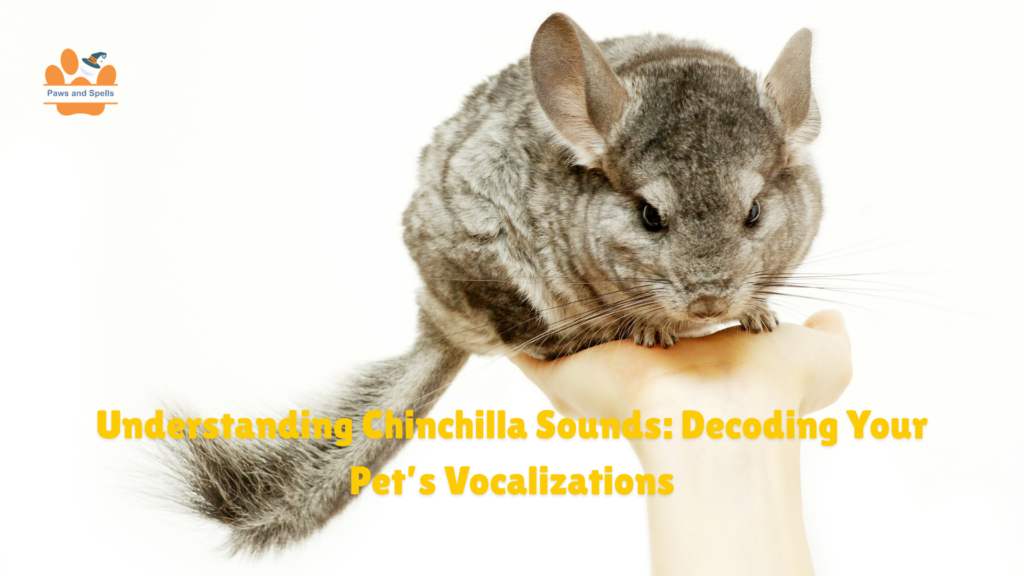
Have you ever pondered why your furry friend spends considerable time in a small container? This activity, though seemingly playful, is a vital grooming ritual crucial for their chinchilla health.
In their natural habitat, chinchillas employ volcanic ash to maintain their dense fur’s cleanliness and oil-free state. As a devoted owner, mimicking this environment is fundamental to proper chinchilla care. The American Pet Products Association (APPA) underscores that the right habitat is paramount for your pet’s well-being.
Grasping the subtleties of a proper chinchilla sand bath is essential to ward off skin problems and ensure your pet’s contentment. This guide will elucidate the best practices for material selection and establishing a safe routine for your furry companion.
Key Takeaways
- Regular grooming sessions are critical for maintaining healthy fur and skin.
- Always use specialized volcanic dust rather than common play sand.
- Proper hygiene prevents moisture buildup that can lead to fungal infections.
- Consistency in your routine helps reduce stress for your pet.
- Consulting with experts ensures you follow the highest standards of animal welfare.
What is a Chinchilla Sand Bath?
A chinchilla sand bath is a critical grooming element, differing from traditional bathing methods. Chinchillas need sand to clean their fur, absorbing moisture and oils that could cause skin issues if not managed correctly.
Definition and Purpose
A chinchilla sand bath is a container filled with a specific type of chinchilla sand or chinchilla bathing sand. Chinchillas use it to groom themselves, unlike many other animals that bathe in water. Instead, they rely on sand to keep their fur clean and healthy.
The sand absorbs natural oils and moisture from their fur, essential for their chinchilla grooming needs. This unique grooming method is crucial for preventing skin issues and maintaining their fur in optimal condition.
Importance for Chinchillas
The significance of sand baths for chinchillas is immense. The sand keeps their fur clean and dry, preventing skin problems caused by excessive moisture. As highlighted by the
American Society for the Prevention of Cruelty to Animals (ASPCA)
, proper grooming is vital for the health and well-being of pets, including chinchillas.
- Prevents skin problems by absorbing excess moisture
- Maintains the health and integrity of their fur
- Supports overall chinchilla grooming and hygiene
How Often Should They Bathe?
Chinchillas typically need to bathe in sand several times a week. The exact frequency depends on various factors, including the individual chinchilla’s health, environment, and fur condition. Owners must observe their pets and adjust the bathing schedule as needed.
For instance, some chinchillas may require more frequent sand baths during hotter months or if they are highly active. It’s crucial to monitor their condition and adjust their chinchilla sand bathing schedule as necessary.
Benefits of Sand Baths for Chinchillas
Sand baths are a critical component of chinchilla care, offering numerous benefits for their health and wellbeing. By integrating sand baths into their routine, chinchilla owners can significantly elevate their pet’s quality of life.
Promotes Healthy Fur
Sand baths are essential for maintaining a chinchilla’s fur health and integrity. The sand absorbs excess oils and dirt, preventing matting and tangling. This keeps their fur clean and healthy, reducing fur-related problems. The American Pet Products Association (APPA) stresses the importance of regular grooming, including sand baths, for small pets like chinchillas.
Prevents Skin Issues
Chinchillas are susceptible to skin issues if their fur and skin are not properly maintained. Sand baths prevent these issues by removing moisture from their coat, reducing fungal and bacterial infections. The dryness from the sand is crucial in preventing skin conditions that thrive in moist environments. The ASPCA emphasizes the importance of proper hygiene practices in preventing health issues in pets.
Provides Mental Stimulation
Sand baths also offer chinchillas mental stimulation. The act of bathing in sand allows them to engage in natural behaviors, such as rolling and digging. These behaviors are essential for their mental wellbeing. This stimulation is crucial for reducing stress and preventing boredom, as highlighted by chinchilla rescue organizations like Rescue Me and Save-A-Pet USA.
In conclusion, sand baths are not just a luxury for chinchillas but a necessity that contributes to their overall health, hygiene, and behavioral wellbeing. By understanding and implementing sand baths correctly, owners can significantly enhance their chinchilla’s life.
Types of Sand for Chinchilla Baths
The selection of sand for chinchilla baths is paramount for their health and well-being. Chinchillas necessitate a specific sand type that is both safe and effective for their grooming and overall health.
Safe Sand Options
Chinchillas require sand that is fine, dust-free, and designed for small animals. Some safe options include:
- Chinchilla-specific sand: This sand is crafted to meet chinchillas’ unique needs, being fine to avoid irritation and dust-free to prevent respiratory issues.
- Blue cloud sand: A favored choice among chinchilla owners, this sand boasts a fine texture and low dust content.
Safe Sand Characteristics:
| Characteristic | Description | Importance |
|---|---|---|
| Fine Texture | The sand should be finely granulated to prevent irritation. | High |
| Dust-Free | The sand should have minimal to no dust to prevent respiratory issues. | High |
| Specifically Designed for Small Animals | The sand should be formulated for use with small animals like chinchillas. | High |
Risks of Unsafe Sand
Utilizing the wrong sand can lead to severe health issues in chinchillas, including respiratory problems and skin irritation. Unsafe sand may contain:
- High dust content: Sand with high dust can cause respiratory issues when inhaled.
- Coarse texture: Coarse sand can irritate the chinchilla’s skin and eyes.
How to Choose the Right Sand
When selecting sand for your chinchilla’s bath, seek products labeled as safe for chinchillas. Adherence to the manufacturer’s guidelines is also crucial. Here are some tips:
- Read labels carefully: Ensure the sand is designed for chinchillas or small animals.
- Check for dust content: Opt for sand that is known to be dust-free or has low dust content.
- Consult with a veterinarian: If unsure, consult with a veterinarian for recommendations on the best sand to use.
How to Set Up a Chinchilla Sand Bath
Establishing a chinchilla sand bath is a simple yet critical task. It necessitates careful consideration to guarantee your pet’s comfort and safety. A properly set sand bath is essential for your chinchilla’s grooming and overall health.
Suitable Container Choices
The sand bath container must be sufficiently large for your chinchilla to comfortably roll around. Opt for a sturdy, heavy container to prevent tipping. A container made from a material that is easy to clean, such as plastic or metal, is advisable.
- Opt for a container with a diameter of at least 12 inches to ensure ample space for your chinchilla.
- The container should be deep enough to hold 2-3 inches of sand, yet not so deep as to pose a challenge for your chinchilla’s entry or exit.
- Steer clear of containers with sharp edges or points that could potentially harm your pet.
Recommended Sand Depth
The sand depth is paramount for your chinchilla’s safety and enjoyment. A depth of 2-3 inches is advisable. This depth allows your chinchilla to fully immerse in the sand without risking escape or injury.
Bathing Location Tips
The location of the sand bath is as crucial as the container and sand. Opt for a quiet, draft-free spot where your chinchilla feels secure and at ease.
- Position the sand bath in a location that is away from direct sunlight and heat sources.
- Ensure the area is free from drafts to prevent your chinchilla from getting chilled.
- Keep the sand bath away from your chinchilla’s food and water to prevent contamination.
By adhering to these guidelines, you can establish a safe and enjoyable sand bathing experience for your chinchilla. This supports their overall chinchilla care and chinchilla grooming needs.
How to Introduce Sand Baths to Your Chinchilla
Introducing sand baths to your chinchilla requires a gradual approach. This method not only reduces stress but also enhances their enjoyment. Chinchillas naturally gravitate towards sand baths, which are essential for maintaining their fur’s cleanliness and health.
Signs of Readiness
Before introducing sand baths, it’s crucial to gauge your chinchilla’s readiness. Look for signs of curiosity towards the sand bath or an interest in new environments. Some chinchillas may exhibit caution, necessitating patience.
Observing your chinchilla’s behavior is essential. If they appear stressed or avoid the sand bath, slow down the introduction process. The American Society for the Prevention of Cruelty to Animals (ASPCA) emphasizes the importance of respecting your pet’s boundaries for their well-being.
Step-by-Step Introduction
Here’s a step-by-step guide to introducing sand baths to your chinchilla:
- Place the sand bath near your chinchilla’s cage to allow them to become familiar with it.
- Once they seem comfortable with the presence of the sand bath, you can start placing them gently into it.
- Begin with short sessions and gradually increase the duration as your chinchilla becomes more comfortable.
Experts in chinchilla care agree that a gradual introduction is key to a positive sand bath experience for the pet.
Positive Reinforcement Techniques
Positive reinforcement can significantly enhance your chinchilla’s experience with sand baths. Offering treats during or after the bath can help them associate the sand bath with positive outcomes.
A table summarizing the key points for introducing sand baths to your chinchilla is provided below:
| Introduction Step | Description | Tips |
|---|---|---|
| 1. Familiarization | Place sand bath near the cage | Allow your chinchilla to explore at their own pace |
| 2. First Bath | Gently place your chinchilla in the sand bath | Start with short sessions |
| 3. Positive Reinforcement | Offer treats during or after the bath | Use their favorite treats for better results |
The ASPCA recommends positive reinforcement as a powerful tool in pet training and care. By following these steps and tips, you can ensure a smooth and enjoyable introduction to sand baths for your chinchilla.
Monitoring your chinchilla’s behavior and reactions during this introduction phase is crucial. It helps in identifying any potential issues early on and making necessary adjustments to ensure the sand bath experience remains positive.
Chinchillas have a natural inclination towards sand baths, which help in keeping their fur clean and healthy.”
Common Mistakes to Avoid with Sand Baths
To ensure your chinchilla enjoys the full benefits of sand baths, it’s essential to be aware of common mistakes. Sand baths are a vital component of chinchilla care and chinchilla grooming. Certain errors can lead to health issues and negate their benefits.
Over-bathing Concerns
One of the most common mistakes chinchilla owners make is over-bathing their pets. While sand baths are crucial for chinchilla grooming, excessive bathing can lead to dry skin and other health problems. Chinchillas have a natural oil balance that can be disrupted by too frequent sand baths.
It’s recommended to limit sand baths to 2-3 times a week, depending on the individual chinchilla’s needs and environmental conditions. Monitoring your chinchilla’s response to sand baths and adjusting the frequency is key to avoiding over-bathing concerns.
Using the Wrong Type of Sand
Another critical mistake is using the wrong type of sand for bathing. Not all sands are created equal, and some can be harmful to your chinchilla’s health. Sands that are too fine or contain harmful additives can cause respiratory issues or skin irritation.
When selecting sand for your chinchilla’s bath, opt for a high-quality, chinchilla-safe sand that is designed for small animals. Avoid using playground sand or construction sand, as these can contain contaminants and be harmful to your pet.
Neglecting Bathing Supplies
Neglecting to properly clean and maintain the sand bath and its supplies is another common mistake. Failing to regularly change the sand and clean the bathing container can lead to the accumulation of bacteria and fungi, posing health risks to your chinchilla.
To avoid this, ensure that you regularly clean the bathing container with pet-safe cleaning products and completely replace the sand as needed. This will help maintain a clean and healthy environment for your chinchilla’s sand baths.
Cleaning and Maintaining Sand Baths
Ensuring a clean sand bath is vital for your chinchilla’s health and hygiene. A well-kept sand bath not only maintains your pet’s cleanliness but also prevents bacterial and odor buildup. Such conditions can lead to health problems.
Frequency of Sand Changes
The sand change frequency in your chinchilla’s bath varies based on usage and shared usage. Typically, a full sand change is advised every 1-2 weeks. Yet, if the sand appears soiled or emits a strong odor, more frequent changes may be necessary.
Daily spot cleaning is also beneficial. Daily removal of visible waste or debris helps in preventing bacterial accumulation.
Cleaning Supplies Needed
To clean the sand bath container, mild detergents and warm water are required. Harsh chemicals or abrasive cleaners can harm your chinchilla’s skin. A soft-bristled brush is handy for removing stubborn dirt or stains.
- Mild detergent
- Warm water
- Soft-bristled brush
How to Properly Store Sand
Storing sand for your chinchilla’s bath requires a dry, clean environment. Moisture can make the sand clumpy or develop mold, posing a risk to your pet. Use an airtight container to keep the sand dry and prevent moisture absorption and contamination.
Proper storage ensures the sand remains dry and free from bacteria or pests.
Signs Your Chinchilla is Enjoying Their Bath
Chinchillas exhibit unique behaviors when they enjoy their sand baths, making it essential to recognize these signs for their well-being. Understanding these indicators not only enhances your bond with your pet but also ensures that they are comfortable and happy during bath time.
Behavioral Indicators
Chinchillas display several behaviors when they are enjoying their sand baths. These include:
- Rolling and flipping in the sand
- Digging and burrowing
- Relaxed postures, such as lying down or stretching
These actions indicate that the chinchilla feels secure and is enjoying the experience.
Physical Signs of Relaxation
Apart from behavioral cues, there are physical signs that suggest a chinchilla is relaxed and enjoying their bath. These include:
- A calm demeanor
- Smooth, clean fur
- Contented vocalizations, such as soft chirping or sighs
The Importance of Monitoring
Monitoring your chinchilla’s behavior and physical condition during sand baths is crucial. It allows you to:
- Identify any signs of distress or discomfort
- Adjust the sand bath setup or frequency as needed
- Ensure the overall health and happiness of your pet
| Signs of Enjoyment | Implications |
|---|---|
| Rolling, digging, relaxed postures | Indicates happiness and comfort |
| Calm demeanor, clean fur, contented vocalizations | Suggests relaxation and enjoyment |
| Monitoring behavior and condition | Ensures health, happiness, and necessary adjustments |
Conclusion: Making the Most of Sand Baths
Chinchilla sand baths are essential for your pet’s health and hygiene. They significantly improve their well-being, leading to a happier, stress-free life. By integrating sand baths into their routine, you can greatly enhance their chinchilla health.
Key Considerations
Choosing the right sand and maintaining a clean bathing environment are crucial. This ensures your chinchilla’s hygiene and prevents health issues. Selecting the appropriate sand and keeping the area clean are key steps.
Tips for a Positive Experience
Creating a positive association with sand baths is vital. Gradually introduce your pet to the sand bath, allowing them to become comfortable. The American Society for the Prevention of Cruelty to Animals (ASPCA) emphasizes the importance of a safe, enjoyable environment for your pet’s well-being.
Making Bath Time Fun
To ensure a fun experience, make the bathing area safe and distraction-free. This approach fosters a strong bond between you and your chinchilla. It makes the sand baths a relaxing, enjoyable activity for your pet.
FAQ
Why do chinchillas need a chinchilla sand bath instead of using water?
How often should I provide chinchilla bathing sand for my pet?
What is the difference between chinchilla sand and chinchilla dust bath products?
What are the risks of using the wrong type of sand for my chinchilla?
How can I tell if my pet’s chinchilla behavior indicates they are enjoying the bath?
How should I maintain the chinchilla sand to ensure proper hygiene?
What is the best container to use for a chinchilla sand bath?
References:
This article was created based on information from the following authoritative sources: American Society for the Prevention of Cruelty to Animals (ASPCA) and Royal Society for the Prevention of Cruelty to Animals (RSPCA).