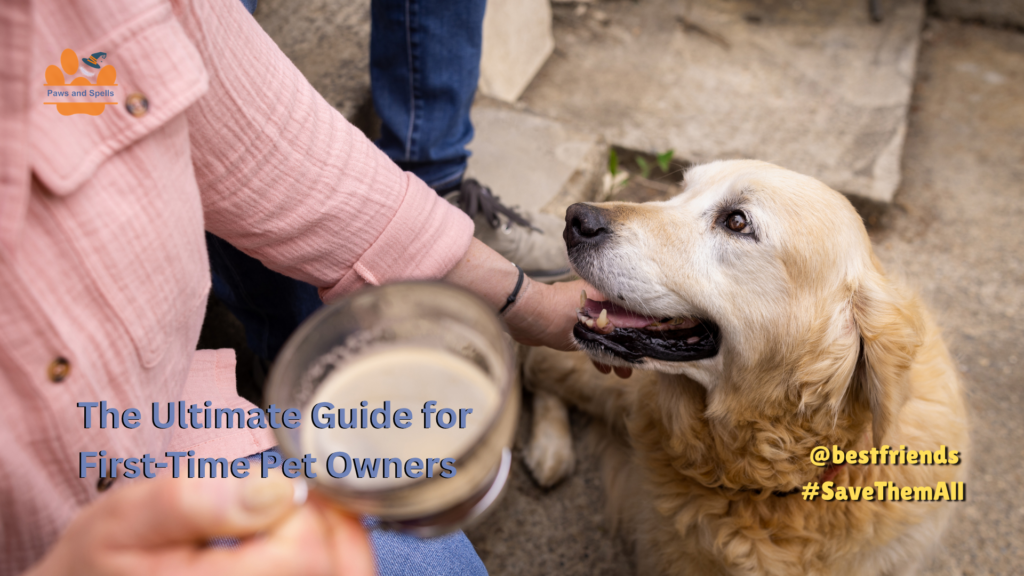
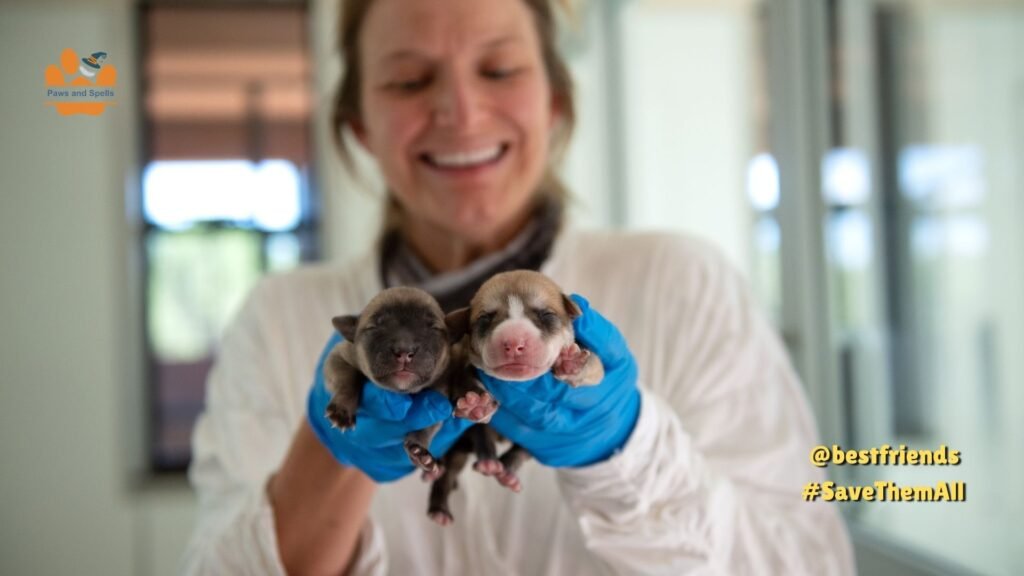
As a new pet adopter, ensuring your furry companion’s well-being is a top priority. One critical aspect to consider is pet insurance. It offers financial protection against unexpected veterinary costs.
The American Pet Products Association (APPA) reports a rise in pet owners investing in pet insurance. This trend highlights the growing recognition of the importance of financial planning for pet care.
By considering pet insurance, new adopters can safeguard their financial stability. This ensures their pets receive the necessary care.
Key Takeaways
- Pet insurance provides financial protection against unexpected veterinary costs.
- The number of pet owners investing in pet insurance is increasing.
- Financial planning is critical for ensuring pets receive necessary care.
- Pet insurance can help new adopters safeguard their financial stability.
- Organizations like the ASPCA and Best Friends Animal Society support responsible pet ownership.
Understanding Pet Insurance Basics
As a pet owner, grasping the fundamentals of pet insurance can significantly alter how you manage veterinary costs. This type of insurance is crafted to mitigate the financial burden of unexpected veterinary expenses. It offers a layer of protection, ensuring your pet receives the necessary care without straining your finances.
What is Pet Insurance?
Pet insurance mirrors human health insurance, providing financial support for your pet’s veterinary needs. By paying a premium, you secure reimbursement for eligible health care expenses. The American Pet Products Association (APPA) notes a rising trend among pet owners in the U.S. opting for insurance to safeguard their pets’ health without financial worry.
Pet insurance transcends mere cost savings; it’s about ensuring your pet’s health and well-being,” emphasizes a representative from the American Society for the Prevention of Cruelty to Animals (ASPCA).
How Pet Insurance Works
The process of pet insurance is uncomplicated. First, you select a policy that aligns with your financial situation and your pet’s health requirements. Next, you pay a premium, which can be monthly or annually. When your pet requires medical attention, you incur the costs upfront. Subsequently, you file a claim with your insurer, who then reimburses you for the covered expenses.
- You choose a pet insurance policy that aligns with your budget and meets your pet’s health needs.
- You pay a monthly or annual premium to maintain the coverage.
- When your pet needs veterinary care, you pay for the services upfront.
- You then submit a claim to your insurance provider, along with the necessary documentation.
- The insurer processes your claim and reimburses you for the covered expenses.
Comprehending these basics is essential for making informed decisions regarding your pet’s health coverage. By selecting the appropriate pet insurance, you can guarantee your pet receives the care they need without financial distress.
The Benefits of Pet Insurance
Investing in pet insurance can be transformative for pet owners, providing financial security and peace of mind. It offers numerous benefits that can significantly enhance your pet’s life.
Financial Protection Against High Costs
One of the primary advantages of pet insurance is financial protection against high veterinary costs. Veterinary care can be prohibitively expensive, often due to emergencies or chronic conditions. The American Pet Products Association (APPA) reports that the average annual cost for dog veterinary care exceeds $1,000. Pet insurance mitigates these costs, ensuring your pet receives necessary care without financial strain.
A study by the ASPCA reveals that unexpected veterinary expenses are a significant concern for many pet owners. Pet insurance acts as a safety net, covering costs for accidents, illnesses, and sometimes routine care.
| Condition | Average Cost | Insurance Coverage |
|---|---|---|
| Cancer Treatment | $5,000 – $10,000 | Up to 90% coverage |
| Emergency Surgery | $1,000 – $3,000 | Up to 80% coverage |
| Chronic Condition Management | $500 – $2,000 annually | Up to 70% coverage |
Access to a Wide Range of Veterinary Services
Pet insurance not only provides financial protection but also grants access to a wide range of veterinary services. Many plans cover various treatments and services, from routine check-ups and vaccinations to advanced diagnostic procedures and surgeries.
“With pet insurance, pet owners can make decisions based on what’s best for their pet, without being limited by financial constraints.” –
This access ensures your pet can receive complete care, improving their quality of life and potentially extending their lifespan.
Peace of Mind for Pet Owners
Lastly, pet insurance offers peace of mind for pet owners. Knowing you have financial support for your pet’s medical needs can significantly reduce stress and anxiety. This peace of mind allows you to focus on providing the best possible care for your pet.
As noted by Save-A-Pet USA, “Pet insurance provides reassurance that you’re prepared for any unexpected veterinary expenses, allowing you to focus on your pet’s health and wellbeing.”
Common Misconceptions About Pet Insurance
Pet insurance is often misunderstood, with several myths surrounding its cost and necessity. Many pet owners are deterred from purchasing pet insurance due to preconceived notions that are not entirely accurate.
One of the primary concerns is the perceived expense of pet insurance. According to the American Pet Products Association (APPA), the average annual premium for pet insurance in the United States is competitive with other common insurance types. Let’s examine some of these misconceptions more closely.
“It’s Too Expensive”
The notion that pet insurance is too expensive is a common myth. In reality, numerous providers offer a range of plans to fit different budgets. For instance, the ASPCA notes that some basic plans can start as low as $20 per month. The key is to find a plan that balances cost with coverage.
When evaluating the cost, it’s essential to consider the financial protection against unexpected veterinary expenses without insurance. A single emergency vet visit can cost hundreds or even thousands of dollars. Pet insurance can provide financial protection against these unexpected costs, making it a valuable investment for many pet owners.
“My Pet is Too Young or Healthy”
Another misconception is that pet insurance is unnecessary for young or healthy pets. Accidents and illnesses can occur regardless of a pet’s age or health status. Enrolling in pet insurance early can lock in lower premiums and provide coverage for unexpected conditions that may arise.
Organizations like Rescue Me and Save-A-Pet USA emphasize the importance of preparing for the unexpected. Even healthy pets can benefit from insurance, as it covers not just chronic conditions but also accidents. By investing in pet insurance, owners can ensure they are prepared for any situation.
Types of Pet Insurance Plans
Understanding the various pet insurance plans is essential for informed pet health coverage decisions. Pet owners face numerous options, tailored to their pet’s specific needs and budget constraints.
Accident-Only Plans
Accident-only plans are crafted to address unexpected injuries or accidents. These include broken bones, ingestion of foreign objects, and other unforeseen events. Such plans are often more budget-friendly, serving as a foundational layer for pet owners seeking emergency protection.
Comprehensive Insurance
Comprehensive insurance plans extend coverage beyond accidents to include illnesses. They address a wide spectrum of conditions, from chronic diseases like arthritis to acute infections. Ideal for pet owners desiring extensive health coverage, these plans are a cornerstone for maintaining pets’ overall well-being.
Wellness Coverage
Wellness coverage focuses on preventive care, encompassing routine check-ups, vaccinations, and dental care. It is instrumental in maintaining your pet’s health and early detection of issues. Some providers offer wellness coverage as an add-on to their accident or more extensive plans.
When selecting a pet insurance plan, consider your pet’s age, breed, and health status. Certain breeds are more susceptible to specific health issues, and older pets may necessitate more in-depth coverage.
| Plan Type | Coverage | Cost |
|---|---|---|
| Accident-Only | Unexpected injuries or accidents | Lower premiums |
| Comprehensive | Accidents and illnesses | Higher premiums, broader coverage |
| Wellness | Preventive care, routine check-ups | Variable costs, often as an add-on |
Resources from organizations like the American Pet Products Association (APPA) and the American Society for the Prevention of Cruelty to Animals (ASPCA) are invaluable for pet owners. They help understand insurance options better. By evaluating your pet’s needs against the available plans, you can choose the best care for your pet.
Factors to Consider When Choosing a Policy
Selecting a suitable pet insurance policy necessitates a detailed examination of several factors. Pet owners must assess various aspects to ensure the chosen policy adequately covers their pet’s needs.
Breed-Specific Health Issues
Diverse breeds are susceptible to unique health problems. For example, larger breeds such as Great Danes are more prone to hip dysplasia. In contrast, smaller breeds like Poodles are more likely to suffer from eye issues. The American Society for the Prevention of Cruelty to Animals (ASPCA) emphasizes the importance of understanding these breed-specific health issues when selecting the right coverage.
“Breed-specific health issues can significantly impact the type of coverage you should look for in a pet insurance policy.” –
It is imperative to verify if the policy covers the specific health issues related to your pet’s breed when making a selection.
Age of Your Pet
The age of your pet is a critical factor. Puppies and kittens require different coverage compared to older pets. As pets age, they are more likely to develop chronic conditions that may not be covered by all policies.
- Puppies and kittens may need coverage for initial vaccinations and check-ups.
- Older pets may require coverage for age-related conditions such as arthritis.
Coverage Limits and Exclusions
Understanding the coverage limits and exclusions of a pet insurance policy is vital. These details can significantly impact the effectiveness of the coverage.
| Policy Feature | Description | Importance |
|---|---|---|
| Coverage Limits | The maximum amount the insurer will pay for a claim. | High |
| Exclusions | Conditions or treatments not covered by the policy. | High |
| Deductibles | The amount the pet owner must pay out-of-pocket before the insurance kicks in. | Medium |
By carefully evaluating these factors, pet owners can make an informed decision when selecting a pet insurance policy that meets their pet’s specific needs.
The Role of Pre-Existing Conditions
In the realm of pet insurance, pre-existing conditions play a significant role in determining policy approval. Pet owners must grasp the implications of these conditions on their ability to obtain coverage for their pets.
What are Pre-Existing Conditions?
Pre-existing conditions encompass any health issues or injuries a pet may have prior to purchasing insurance or during the insurer’s specified waiting period. These can include chronic conditions such as arthritis or diabetes, as well as acute injuries or illnesses.
Examples of pre-existing conditions include:
- Cancer
- Chronic allergies
- Orthopedic issues
- Previous surgeries or injuries
How They Affect Policy Approval
Pre-existing conditions can profoundly influence whether a pet insurance policy is approved and what it covers. Insurers often exclude these conditions to prevent adverse selection, where only pets with existing health issues are insured.
The American Pet Products Association (APPA) emphasizes the importance of understanding the terms and conditions regarding pre-existing conditions. This knowledge is critical for pet owners to make informed decisions about their pet insurance.

Change a Shelter Pet’s Future
Thousands of pets are waiting for their second chance. Your donation helps them find forever homes.
| Insurer’s Action | Impact on Pet Owner |
|---|---|
| Excluding pre-existing conditions | Limited coverage for new conditions only |
| Higher premiums | Increased cost for the pet owner |
| Policy denial | No insurance coverage available |
The ASPCA notes that “pet insurance can help cover the costs of unexpected veterinary care. It’s essential to understand what is covered and what is not, with a focus on pre-existing conditions.”
“Pet insurance is designed to help manage the costs of veterinary care. Yet, pre-existing conditions can complicate coverage. It’s critical for pet owners to carefully review policy terms.”
By comprehending the role of pre-existing conditions in pet insurance, pet owners can make more informed choices when selecting a policy. It is imperative to thoroughly review policy terms and inquire about how pre-existing conditions are addressed.
Costs Associated with Pet Ownership
For those considering pet adoption, grasping the financial aspects is essential. Pet ownership encompasses various expenses, with veterinary costs being a significant and unpredictable factor.
The American Pet Products Association (APPA) reveals that pet ownership costs in the U.S. can fluctuate. This variation is influenced by the pet’s type, age, and health status. Veterinary care is a major contributor to these expenses.
Average Veterinary Costs in the U.S.
Recent statistics indicate that dog owners in the U.S. spend about $1,200 annually on veterinary care. Cat owners, on the other hand, allocate around $900. These figures encompass routine check-ups, vaccinations, and preventative measures.
Routine veterinary care is vital for pets’ health. It includes annual check-ups, vaccinations, and treatments for parasites. The cost can differ based on the pet’s size, age, and health.
Long-Term Health Care Expenses
Long-term health care for pets can be costly, escalating with age. Conditions like arthritis, diabetes, and heart disease necessitate continuous management and treatment. This can significantly increase veterinary expenses.
Pet owners must also consider emergency veterinary expenses. These can arise from accidents or sudden illnesses. Such costs can be high and may necessitate financial planning or insurance to manage effectively.
By comprehending these costs, pet owners can better plan financially for their pets’ care. This ensures they provide the necessary care throughout their pets’ lives.
The Importance of Early Enrollment
Enrolling your pet in insurance early is a strategic move to safeguard their health and your financial well-being. This proactive step allows you to capitalize on benefits that may not be accessible later in your pet’s life.
Locking in Lower Premiums
One key benefit of early enrollment is securing lower premiums. The younger your pet, the lower the premiums tend to be. This is due to the lower risk of pre-existing conditions in younger pets, making them more attractive to insurance providers.
For example, the American Pet Products Association (APPA) notes that annual premiums can vary from $200 to $500, influenced by coverage and pet age. Early enrollment can significantly reduce these costs over your pet’s lifetime.
| Age of Pet at Enrollment | Average Annual Premium |
|---|---|
| 0-2 years | $250 |
| 2-5 years | $300 |
| 5+ years | $450 |
Adjusting Coverage as Your Pet Ages
As your pet ages, their health requirements evolve. Early enrollment enables you to modify coverage to align with these changing needs. For instance, starting with a basic plan and upgrading as your pet’s medical needs intensify is feasible.
This adaptability is vital for managing your pet’s care without financial burden. Insurance providers often offer wellness packages and add-ons tailored to your pet’s evolving needs.
By enrolling early and adjusting coverage as necessary, you can ensure your pet remains protected against age-related conditions. This approach helps maintain their health without compromising your financial stability.

Extra 40% Discount on All Orders
Why pay full price for quality? Want the VIP treatment for your pet? Join PetCare+ now to solve the problem of recurring costs with a massive 40% OFF, plus exclusive free gifts and free shipping on every order.
Pet Care Supplies
Mon-Fri 9 AM – 5 PM CST
Comparing Different Providers
The pet insurance market is teeming with various providers, each with unique plans and coverage options. It is imperative to compare these offerings to identify the most suitable option for your pet’s health needs.
Reviewing Coverage Options
When examining coverage options, it is important to consider the types of plans available. These include accident-only, comprehensive, and wellness coverage. Accident-only plans cover unexpected injuries, while comprehensive plans encompass both accidents and illnesses. On the other hand, wellness coverage pertains to routine care, such as vaccinations and dental cleaning.
Assessing the coverage limits, deductibles, and co-payments is also critical. Some providers offer customizable plans, enabling you to tailor the coverage to your pet’s specific requirements.
Understanding Claim Processes
Grasping the claim process is essential for a seamless experience when filing a claim. Providers differ in their procedures, necessitating a thorough understanding of the requirements.
- Verify if the provider necessitates pre-approval for specific treatments or procedures.
- Understand the documentation required for a claim, including veterinary records and invoices.
- Review the reimbursement timeframe and the available payment methods.
By meticulously reviewing coverage options and comprehending claim processes, you can make an informed choice. This ensures the selection of a pet insurance provider that aligns with your needs and provides optimal care for your pet.
Customer Reviews and Ratings
When contemplating pet insurance, a critical step is to research customer reviews and ratings. This ensures you make an informed choice. It offers insights into the reliability, coverage, and customer service of various providers.
Importance of Research
Researching customer reviews is vital. It reveals the experiences of other pet owners with different insurance providers. This knowledge is key to making a decision that offers peace of mind. By examining reviews, you can discern patterns in service quality, claim processing, and overall satisfaction.
Key aspects to look for in customer reviews include:
- Reliability of the insurance provider
- Efficiency of the claims process
- Quality of customer service
- Coverage options and flexibility
Where to Find Trustworthy Reviews
To uncover trustworthy reviews, various online platforms and resources are available. Some of the most reliable sources include:
- Independent review websites
- Consumer advocacy groups, such as the American Society for the Prevention of Cruelty to Animals (ASPCA)
- Online forums and communities where pet owners share their experiences
Checking the insurance provider’s rating with the Better Business Bureau or other consumer protection agencies is also beneficial. By gathering information from multiple sources, you can gain a well-rounded view of a provider’s strengths and weaknesses.
In conclusion, dedicating time to research and understand customer reviews and ratings is essential. It significantly influences your decision-making process. This helps you select a pet insurance provider that meets your needs and offers peace of mind.
The Claims Process Explained
Understanding the claims process is critical for pet owners, affecting their financial planning. It’s essential to know how to initiate a claim and anticipate reimbursement timelines. This knowledge helps manage veterinary expenses more effectively.
Filing a Claim
The process of filing a claim is straightforward. Begin by collecting all necessary documents, such as your pet’s medical records and your insurance policy details. Insurance providers offer various methods to submit claims, including online portals, mobile apps, and mail. It’s vital to verify the specific requirements with your provider.
- Gather all required documents, including invoices and medical records.
- Fill out the claim form accurately, ensuring all details are correct.
- Submit the claim through the designated channel.
Typical Timeframes for Reimbursement
Reimbursement times can differ greatly among insurance providers. Typically, most insurers handle claims within a few days to a couple of weeks. The complexity of the claim and the provider’s efficiency can influence these times.
- Simple claims are usually processed within 3-5 business days.
- Complex claims may take longer, typically up to 2 weeks or more.
Tips for a Smooth Claims Process:
- Keep detailed records of your pet’s medical history.
- Understand your policy’s coverage and exclusions.
- Submit claims promptly to avoid delays.
Customizing Policies for Unique Needs
Pet owners can now tailor their insurance policies to fit the unique requirements of their pets, thanks to customizable pet insurance plans. This flexibility is essential in ensuring that pets receive the most appropriate care. Whether they are prone to specific health issues or require specialized treatments, customization is key.
Customization in pet insurance allows owners to address the distinct needs of their pets. For instance, certain breeds are more susceptible to particular health conditions. Insurance policies can be adjusted to meet these needs.
Tailoring for Specific Breeds
Different breeds have different health predispositions. For example, Bulldogs are more likely to experience respiratory issues, while German Shepherds might be prone to hip dysplasia. By tailoring insurance coverage to these breed-specific conditions, owners can ensure their pets receive the necessary care. This approach prevents unexpected expenses.
According to the American Pet Products Association (APPA), understanding the specific health needs associated with your pet’s breed is essential. This knowledge helps in selecting the most appropriate insurance coverage. Such proactive measures enhance the pet’s quality of life and provide financial protection against breed-related health issues.
Add-on Services and Coverage
Beyond the standard coverage, many pet insurance providers offer add-on services that can be included in a policy. These add-ons might include coverage for alternative therapies, dental care, or even travel insurance for pets.
- Alternative Therapies: Some policies cover alternative treatments such as acupuncture or physical therapy. These treatments can be beneficial for pets with chronic conditions.
- Dental Care: Including dental care in a pet insurance policy can help cover the costs of dental cleanings, extractions, and other oral health issues.
- Travel Insurance: For pet owners who travel with their pets, this add-on can provide coverage for veterinary expenses incurred while abroad.
By incorporating these add-on services, pet owners can create a more complete insurance plan. This plan addresses all aspects of their pet’s health and well-being. As emphasized by the American Society for the Prevention of Cruelty to Animals (ASPCA), having the right insurance coverage is a critical component of responsible pet ownership.
Maintaining Pet Health for Insurance Benefits
To maximize your pet insurance benefits, it’s vital to prioritize your pet’s health through regular care and check-ups. This not only enhances their quality of life but also significantly impacts your insurance benefits. By focusing on preventative care and regular veterinary visits, you can prevent costly health issues from arising.
Routine Vet Check-Ups
Regular veterinary check-ups are fundamental to maintaining your pet’s health. These visits enable early detection of health issues, ensuring timely and effective treatment for your pet.
- Annual Check-Ups: Most veterinarians advocate for at least annual check-ups for pets.
- Vaccinations and Boosters: Keeping your pet current on vaccinations and boosters is essential for disease prevention.
- Health Screenings: Regular health screenings can identify issues before they become severe.
Importance of Preventative Care
Preventative care is a proactive strategy for maintaining your pet’s health, focusing on measures that prevent disease and promote well-being.
Preventative care encompasses:
- Diet and nutrition planning
- Parasite control (e.g., flea, tick, and heartworm prevention)
- Dental care
Preventative care is key to keeping your pet healthy and happy. – American Society for the Prevention of Cruelty to Animals (ASPCA)
Regular preventative care can significantly reduce the risk of costly medical issues, maximizing your pet insurance benefits.
| Care Aspect | Benefits |
|---|---|
| Regular Vet Check-Ups | Early detection of health issues, timely treatment |
| Preventative Care | Disease prevention, reduced risk of costly issues |
Legislative Considerations
The legislative environment surrounding pet insurance is complex, with significant implications for both pet owners and insurers. As the industry evolves, understanding the regulatory landscape is critical for making informed decisions.
State Regulations on Pet Insurance
Pet insurance regulations vary significantly from state to state, impacting coverage, costs, and policy availability. For instance, some states require insurers to cover certain conditions or treatments, while others may have more lenient regulations.
The American Pet Products Association (APPA) highlights the growing need for standardized regulations to ensure consistency across the industry. Currently, states like California and New York have implemented specific laws governing pet insurance. These laws can affect policyholders’ benefits and premiums.
| State | Regulatory Requirement | Impact on Policyholders |
|---|---|---|
| California | Mandatory coverage for certain conditions | Increased benefits for policyholders |
| New York | Strict guidelines on policy terms | Enhanced transparency for consumers |
| Florida | Regulations on pre-existing conditions | Potential for higher premiums |
Future Trends in Pet Insurance
The future of pet insurance is likely to be shaped by technological advancements, changing consumer expectations, and evolving regulatory frameworks. Trends such as personalized policies, telemedicine, and wellness programs are becoming increasingly popular.
Personalized Policies: Insurers are moving towards more customizable plans that cater to the specific needs of pets, based on factors like breed, age, and health conditions.
As the industry continues to evolve, it’s essential for pet owners to stay informed about legislative changes and emerging trends that could impact their pet insurance choices.
What to Do After Enrolling
Enrolling your pet in an insurance plan marks the start of a journey. It’s a time to navigate the post-enrollment process. The American Society for the Prevention of Cruelty to Animals (ASPCA) emphasizes that responsible pet ownership transcends love and care. It also entails financial readiness for pet ownership’s responsibilities.
Keeping Track of Documentation
Post-enrollment, it’s vital to manage all relevant documentation. This encompasses policy documents, veterinary visit receipts, and communications with your insurance provider. Efficiently organizing these documents simplifies the claims process. It ensures easy access to necessary information when required.
It’s wise to maintain both physical and digital copies of your documents. Cloud storage can be a lifesaver for keeping your files safe and accessible. As Best Friends Animal Society advises, proactive record-keeping can greatly reduce stress during emergencies.
Understanding Policy Updates
Insurance policies evolve, with changes in coverage, premiums, or terms and conditions. It’s imperative to stay abreast of these updates. Regularly reviewing your policy and communicating with your insurance provider is essential. This ensures you’re aware of any coverage changes or modifications.
According to
“Pet insurance is a vital tool for pet owners, providing financial protection and peace of mind. Staying on top of policy updates is key to maximizing its benefits.” – Rescue Me
By diligently tracking documentation and understanding policy updates, pet owners can maximize their pet insurance benefits. This approach not only streamlines the claims process but also empowers informed decisions about their pet’s health care.
The Future of Pet Insurance
Emerging trends are poised to revolutionize the pet insurance sector. The relentless march of technology and the increasing pet owner awareness are driving demand for cutting-edge, all-encompassing pet insurance solutions.
Trends Shaping the Industry
Several critical trends are molding the pet insurance landscape. The growing pet health and wellness consciousness among owners is a notable trend. The American Pet Products Association (APPA) reports a surge in preventive care and holistic treatments for pets.
Another trend is the integration of technology in pet care. Telemedicine, wearable devices, and advanced diagnostic tools are gaining traction. They facilitate more efficient and effective pet care.
Technology and Pet Wellness
Technology is a cornerstone in shaping the future of pet insurance. Telemedicine allows pet owners to consult with vets remotely, reducing the need for in-person visits. This makes pet care more accessible.
Wearable devices and health monitoring systems are gaining popularity. They enable pet owners to track their pets’ health in real-time. This data can be used to tailor insurance plans to individual pets’ needs, making coverage more personalized and effective.
The advent of advanced diagnostic tools is another technological advancement impacting pet care. These tools enable veterinarians to diagnose conditions more accurately and quickly. This leads to better health outcomes for pets.
The future of pet insurance is inextricably linked to technological advancements and shifting consumer behaviors. As the industry evolves, we can anticipate the emergence of more innovative products and services. These will be designed to cater to the diverse needs of pet owners.
Conclusion: Making Informed Decisions
As a pet owner, it is essential to make informed decisions regarding pet insurance. This ensures the health and well-being of your furry companion. Understanding the basics, benefits, and types of plans available allows you to choose the best option for your pet’s needs.
Key Considerations
When selecting a pet insurance policy, several factors are critical. The American Pet Products Association (APPA) notes that veterinary care expenses are significant. Consider your pet’s breed, age, and health conditions. These factors greatly influence your insurance choices.
Exploring Your Options
Organizations like the American Society for the Prevention of Cruelty to Animals (ASPCA) and Best Friends Animal Society offer valuable resources. By examining different insurance providers and their offerings, you can identify a policy that meets your needs and budget. This enables you to make informed decisions about your pet’s care.
Pet insurance is a critical aspect of responsible pet ownership. By dedicating time to research and understand your options, you can ensure your pet receives top-notch care. This also safeguards your financial well-being.

Support a Shelter Today
Your contribution provides urgent medical care and safe shelter for animals in need.
FAQ
What is pet insurance, and how does it work?
Why do new pet adopters need pet insurance?
What are the benefits of pet insurance?
Is pet insurance too expensive?
What types of pet insurance plans are available?
How do pre-existing conditions affect pet insurance?
What factors should be considered when choosing a pet insurance policy?
How can pet owners maximize their pet insurance benefits?
What should pet owners do after enrolling in pet insurance?
How is the pet insurance industry evolving?

References:
This article was created based on information from the following authoritative sources: American Society for the Prevention of Cruelty to Animals (ASPCA), Best Friends Animal Society, and The Humane Society of the United States