In the southern United States, thousands of healthy pets are sadly euthanized due to overcrowding. At the same time, northern areas face a shortage of adoptable pets. This creates a big gap in pet welfare across the country.
This gap makes animal shelter transport logistics crucial for the No-Kill movement. It connects areas with too many pets to those needing them. This way, it saves countless lives every day.
Groups like Wings of Rescue do heroic work, flying dogs and cats to safety. They turn short chances into forever homes for animals. This essential infrastructure helps prevent the loss of life by linking pets with families.
Key Takeaways
- Southern regions currently struggle with severe pet overpopulation issues.
- Northern states maintain a high demand for adoptable companion animals.
- Professional movement networks act as a lifesaving bridge for pets.
- Wings of Rescue exemplifies how aviation saves hundreds of lives monthly.
- Strategic planning turns regional imbalances into successful adoption outcomes.
The Geographic Imbalance of Pet Overpopulation
Did you know the distance between a full shelter and a family wanting a pet is often small? In the U.S., the number of pets waiting for homes doesn’t always match the demand. This imbalance leads to some shelters being too full, while others have empty spaces.
By moving pets across states, groups can help balance this issue. This effort is more than just moving animals; it’s a mission to save lives across the country.
The Sun Belt Crisis
The southern U.S., known as the Sun Belt, has a big problem. Shelters there are often too full because of breeding all year and limited spay/neuter services. This means many animals are stuck in shelters, overwhelming staff.
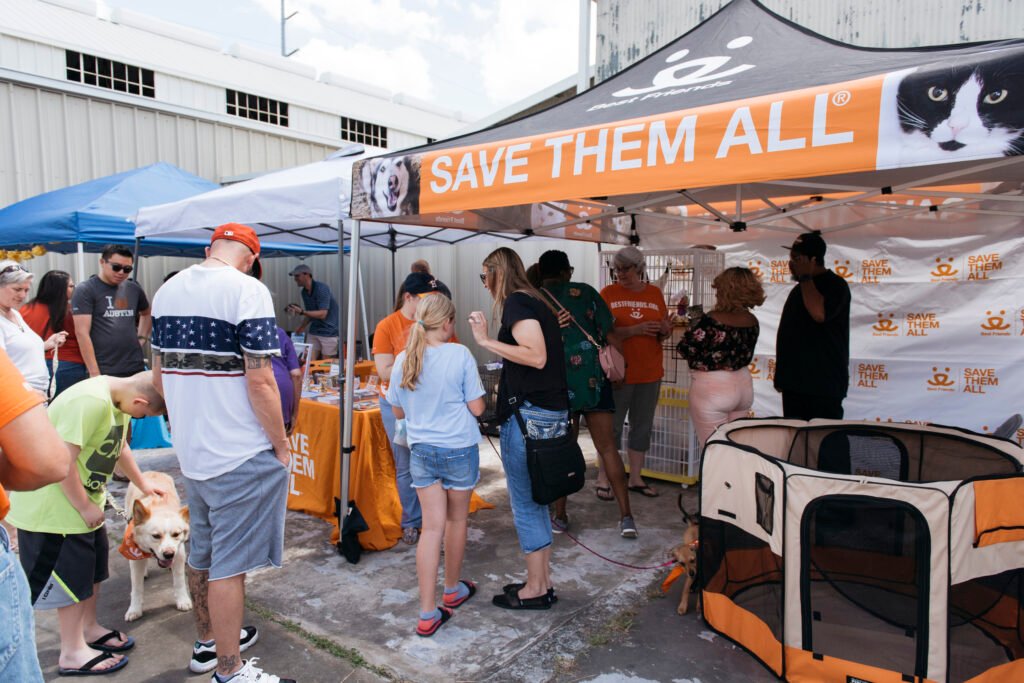
Large events, like one in Houston, Texas, are key to solving this. Best Friends helped host an event with over 1,000 pets. Such efforts show the need for new ways to find homes for these animals.
The Northern Demand Gap
In contrast, northern states have more people wanting pets than shelters can provide. These areas have good spay/neuter programs, reducing stray animals. This makes it easier to move pets from crowded shelters to homes where they’re wanted.
By moving pets from the south to the north, we’re not just changing locations. We’re giving pets a chance at a forever home. The table below shows how different these regions are.
| Regional Characteristic | Sun Belt Shelters | Northern Shelters |
|---|---|---|
| Primary Challenge | Extreme Overcrowding | High Adoption Demand |
| Intake Volume | Consistently High | Manageable/Low |
| Resource Availability | Limited/Strained | High/Supportive |
| Strategic Focus | Mass Relocation | Community Placement |
The Evolution of Animal Shelter Transport Logistics
The world of animal shelter transport logistics has changed a lot. It used to be small and informal. Now, it’s a big, organized system to save more lives.
From Grassroots to Professional Networks
At first, rescue efforts were small and local. Volunteers would drive animals to safety. These grassroots beginnings were the start, but they couldn’t solve the big problem of overpopulation.
Now, big organizations like Best Friends have stepped in. They send professional staff to help shelters. This team does everything from walking dogs to managing adoptions. They make sure every animal rescue transport network works well.
The Shift Toward Data-Driven Relocation
Today, shelter dog relocation programs use data to make decisions. They look at past trends to plan better. This way, they move animals where they are most needed.
They use data to plan the best routes for animals. This helps shelters work together better. Here’s how things have changed:
| Feature | Grassroots Era | Professional Era |
|---|---|---|
| Coordination | Informal/Ad-hoc | Centralized/Data-driven |
| Staffing | Volunteer-only | Integrated professional teams |
| Planning | Reactive | Predictive/Strategic |
| Outcome | Variable success | Consistent, measurable impact |
The No-Kill Movement as a Catalyst for Change
Transport logistics are key to the no-kill movement. They help save dogs and cats by moving them to places with more space. No-kill movement logistics are crucial for overcoming space limits.
Defining the Safety Valve Concept
In animal welfare, the safety valve concept is vital. It moves animals from crowded areas to places with more adoption chances. When shelters are full, they might have to euthanize animals. Strategic transport acts as a pressure release, keeping shelters focused on saving lives.
Shelter dog relocation programs help manage intake numbers. This stops animals from being stuck in overcrowded shelters. Instead, they go to places with more space and resources for adoption.
Scaling Rescue Capacity Through Mobility
Mobility is key for shelters to grow beyond their physical limits. A small rural shelter can save many more lives with a transport network. This changes rescue from a fixed model to a dynamic, interconnected system.
The table below shows how transport changes shelters:
| Feature | Traditional Shelter Model | No-Kill Transport Model |
|---|---|---|
| Capacity Limit | Fixed by physical kennel space | Flexible via regional networks |
| Adoption Focus | Local community only | National/Regional reach |
| Outcome Strategy | Euthanasia for space | Relocation for life-saving |
| Resource Usage | High local overhead | Shared network efficiency |
By using these logistics, you give every animal a chance at a home. This proactive approach is vital for the no-kill movement’s success in the U.S.
Navigating the Regulatory Landscape
To ensure the safety and legality of your rescue operations, you must understand the complex transport regulations. Moving animals across state lines is more than just planning a trip. It requires strict adherence to rules designed to protect public health. Not following these rules can lead to serious legal issues and harm the animals you care for.
USDA Licensing and Interstate Compliance
The Animal Welfare Act sets the foundation for USDA regulations for pet transport at the federal level. If you transport animals for a living, you need a valid USDA license. This license shows that your vehicles and how you handle animals meet federal safety standards.
Staying compliant means regular checks and keeping detailed records. You must show that your transport space is big enough, well-ventilated, and protects animals from extreme weather. Following these usda regulations for pet transport is crucial for professional rescue work.
The Critical Role of Interstate Health Certificates
Before an animal crosses state lines, it needs a valid Certificate of Veterinary Inspection (CVI). These interstate health certificates for pets prove a vet has checked the animal and it’s disease-free. This is key to stopping the spread of diseases between areas.
Make sure every animal in your transport has a current, signed certificate. Without these interstate health certificates for pets, you might be stopped at state lines or face big fines. Always check that the certificate is up to date for the destination state.
State-Specific Quarantine and Import Laws
There are also state-specific rules you must follow. Some states require certain vaccinations or a pre-entry permit for animals. It’s your critical responsibility to research these laws before each trip.
Some areas might require animals to stay in quarantine for a while. Knowing these details helps avoid delays and prepares your receiving partners. The table below shows the main compliance areas you need to focus on for each trip.
| Requirement Category | Primary Purpose | Compliance Frequency |
|---|---|---|
| USDA Licensing | Federal Operational Standards | Annual Renewal |
| Health Certificates | Disease Prevention | Per Individual Animal |
| Import Permits | State-Level Authorization | Per Shipment/Batch |
| Rabies Vaccination | Public Health Safety | Prior to Transit |
Operational Infrastructure for Long-Haul Transport
The success of long-distance pet relocation services relies on the transport fleet’s engineering. Moving animals across state lines means the vehicle becomes their temporary home. It must support their physical and emotional needs.
A well-designed transport unit is key to fighting the stresses of the road.
Vehicle Engineering and Climate Control Standards
Modern animal transport solutions need special climate control systems. These systems keep the environment stable. They prevent heatstroke in summer and hypothermia in winter.
Reliable temperature regulation is crucial for animal safety.
Engineers create these vehicles with airflow systems for fresh air. These systems work even when the main engine is off. This redundancy keeps the environment safe at all times.
Sanitation Protocols for Disease Prevention
Keeping the environment sterile is key to prevent illness in tight spaces. Professional teams use non-porous materials for easy cleaning. These materials resist fluids and odors, making cleaning simpler.
They use veterinary-grade disinfectants to fight common diseases. A strict cleaning cycle is followed, including deep cleaning of crates and floors. This proactive approach lowers disease risk, keeping transport safe for all animals.
Managing the Human Element in Rescue Transport
Logistics focus on fuel and timing, but the human element is key. Every animal rescue transport mission needs a dedicated team. They must handle high-pressure situations with care and precision.
Volunteer Driver Coordination and Training
Recruiting and managing volunteers is crucial for shelter animal transportation. You need to train them well. This includes animal handling and emergency roadside protocols.
When volunteers feel ready and supported, they become invaluable. They are the heart of your team.
Transport events serve as a significant morale booster for the animal welfare community.”
Building a sense of community is key for keeping volunteers. Clear communication and feedback make them feel important. This turns a long day into a rewarding experience for all.
The Professionalization of Transport Staff
The industry is moving toward professionalizing animal rescue transport staff. Relying on volunteers alone can lead to safety issues. Trained coordinators ensure care and safety during long trips.
Professional staff handle unexpected challenges well. They manage medical emergencies or severe weather calmly. Investing in them makes the rescue community more reliable and sustainable.
Mitigating Transit Stress in Shelter Animals
Keeping pets’ mental health safe during travel is key in today’s animal transport solutions. Moving animals across state lines requires focusing on their comfort. This ensures a smooth transition to their new home.
Behavioral Assessment Before Departure
Before animals travel, a detailed behavioral check is essential. This step helps find out which pets can handle long trips well. Others might need extra care or sedation.
Look for signs of stress or aggression that could worsen in a small space. Careful observation helps group animals based on their personalities. This way, they can travel together without conflict.
“The goal of pre-transport screening is not just to move animals, but to ensure they arrive at their destination ready to thrive in a new home.”
Environmental Enrichment During Transit
Once the trip starts, focus on keeping things calm. Good shelter animal transportation means creating a calm environment for all.
Here are ways to keep animals relaxed during the journey:
- Climate Control: Keep the temperature steady to avoid discomfort.
- Pheromone Therapy: Use calming sprays or diffusers for a soothing scent.
- Scheduled Breaks: Give regular breaks for exercise and relief.
- Soft Bedding: Offer familiar blankets or soft mats for comfort.
By using these proactive measures, you greatly reduce the chance of trauma. A stress-free trip is crucial for a successful adoption. This makes your animal transport solutions more effective and kinder.
Change a Shelter Pet’s Future
Thousands of pets are waiting for their second chance. Your donation helps them find forever homes.
The Economics of the Rescue Supply Chain
Every rescue mission has a complex financial side. It’s not just about saving animals; it’s about managing a professional supply chain. By understanding the financial side of pet relocation services, you can make sure resources are always ready when needed.
Funding Models for Sustainable Transport
Sustainable transport needs different income sources to cover costs. Organizations use donations, grants, and sponsorships to stay afloat. Diversifying your funding helps protect your mission from economic changes.
Some programs get help from receiving shelters. They provide money for fuel, maintenance, and staff. Treating these as part of your budget makes finances more stable for your team.
Cost-Benefit Analysis of Relocation Programs
Doing a cost-benefit analysis is key to knowing if transport efforts are worth it. For example, El Paso Animal Services drove a bus for 13 hours with 70 pets to a mega adoption event. This shows the commitment needed and the need for careful planning to keep costs low.
Tracking fuel, vehicle wear, and staff hours helps improve pet shipping logistics. By looking at these, you can find the most cost-effective routes. The table below shows common funding sources and their impact on keeping programs going.
| Funding Source | Reliability | Primary Use |
|---|---|---|
| Private Donations | Moderate | Emergency fuel and food |
| Municipal Grants | High | Vehicle maintenance and staff |
| Corporate Sponsorships | Variable | Equipment and technology |
| Receiving Stipends | High | Operational overhead |
The goal is to save as many lives as possible with each dollar spent. Applying economic principles to your transport strategy makes your system strong. This ensures your pet relocation services are a reliable help for animals in danger.
Technology and Tracking in Pet Relocation
Now, you can use advanced digital tools to keep pets safe and efficient during transport. As rescue operations get bigger, old tracking methods slow things down. Modern software can make your pet transportation logistics much better.
Real-Time Monitoring of Transit Conditions
Keeping animals comfortable during long trips is crucial. Today, GPS sensors give real-time data on temperature, humidity, and location. They alert drivers if conditions get too bad, so they can act fast.
This new way of tracking is a big help for animal shelter transport logistics. It lets you check on the transport vehicle from anywhere. This keeps animals calm and safe, reducing health risks during the trip.
Digital Documentation and Paperless Compliance
Handling animal moves across states can be a paperwork nightmare. Going digital makes it easy to share interstate health certificates for pets instantly. This cuts down on lost documents and makes sure shelters have what they need.
Digital systems also make it easier to follow rules. Cloud-based databases keep medical and legal info up to date. Using paperless solutions saves time and makes your rescue network more open.
Risk Management and Liability in Interstate Transport
Managing pet shipping logistics is more than just driving. It involves legal and operational challenges. It’s key to protect your team, volunteers, and the animals.
Following USDA regulations for pet transport is crucial. These rules ensure animals are cared for and documented properly. This helps avoid legal issues during transport.
Insurance Requirements for Transport Providers
Getting the right insurance is essential for interstate pet adoption. Regular auto policies don’t cover animal transport risks. You need specific animal mortality and liability coverage.
Good insurance protects your group from financial loss. It also reassures shelters and families. Talk to an agent who knows animal welfare to fill any gaps.
Emergency Protocols for Transit Incidents
Even with planning, accidents can happen. Having a clear emergency plan is crucial. Drivers should know where to find 24-hour vet clinics.
Your team must be ready to act fast in emergencies. Effective communication is key. This ensures safety and upholds interstate pet adoption standards.
Sticking to USDA regulations for pet transport prevents emergencies. Regular checks on vehicles and animals keep your supply chain safe. Risk management is vital for a strong rescue network.
The Role of Receiving Shelters in the Logistics Chain
Your facility’s ability to welcome new animals greatly impacts shelter dog relocation programs. The journey is just the beginning. It’s where the real change happens. Receiving shelters are the last, crucial step for pets in need.
Preparing for Intake and Quarantine
Before animals arrive, you need a clear plan for health and safety. Quarantine is essential to protect your pets from illness. It helps identify and treat any health issues before they spread.
The Katy Animal Shelter in Texas is a great example. With the right transport and care, they adopted out almost all pets. This shows how animal relocation services can help shelters succeed. Good intake procedures help your team meet each animal’s needs, preparing them for their new homes.
Integrating Transported Pets into Local Adoption Programs
After quarantine, focus on marketing and community outreach. Treat these animals as ambassadors for your shelter. Share their stories and personalities to connect them with potential adopters.
Effective integration needs a mix of behavioral checks and outreach. By explaining the benefits of these programs, you gain community trust and support. Here are the key steps for a successful intake process.
| Process Stage | Primary Objective | Key Action Item |
|---|---|---|
| Initial Intake | Health Screening | Vaccination and Deworming |
| Quarantine | Disease Control | 14-Day Isolation Period |
| Behavioral Review | Placement Matching | Personality Assessment |
| Adoption | Permanent Placement | Community Marketing |
By keeping these standards, animal relocation services stay ethical and sustainable. Your dedication turns transport challenges into rewarding success stories for all animals.
Addressing Ethical Concerns in Large-Scale Relocation
When you handle large-scale animal relocation services, you must balance efficiency with animal welfare. Moving animals across states is complex and requires ethical standards. Prioritizing the life and comfort of each animal keeps your mission focused on compassion, not just numbers.
Ensuring Quality of Care at Origin and Destination
High standards of care are essential at every journey stage. You must check that both sending and receiving places follow strict health and safety rules. Transparency in medical records and behavioral assessments is key to avoid exploiting vulnerable animals during transport.
Good animal rescue transport needs clear communication between partners. Setting clear care expectations ensures no animal is left behind. Every pet deserves a safe transition, no matter the distance or operation size.
Preventing the Displacement of Local Animals
There’s a worry that too many transported pets might hurt local animals’ adoption chances. To avoid this, do thorough market research before any transfers. Strategic planning helps fill local pet gaps without overloading shelters.
Successful animal rescue transport programs are about teamwork, not competition. Working with local shelters ensures your animal relocation services support local efforts. Building a supportive network helps all animals find homes while keeping the local rescue scene strong.
The Future of Inter-Regional Rescue Collaboration
Looking ahead, the success of pet adoption depends on working together across regions. The animal rescue transport network needs to evolve from separate efforts to a single national plan. This way, every animal can find a home, no matter where they start.
Standardizing Best Practices Across State Lines
To work efficiently, the industry must agree on universal rules that go beyond state lines. Setting common standards for intake, medical checks, and transport documents will clear up confusion. This cohesive approach helps shelters talk clearly and share resources smoothly.
Setting these standards is key for the no-kill movement logistics to thrive. When everyone follows strict guidelines, the chance of disease spreading goes down. Expect better results when decisions are based on data, not guesses.
“Collaboration is the heartbeat of modern rescue; when we align our standards, we amplify our ability to save lives across every mile of the journey.”
Building Resilient Networks for Future Crises
Creating a strong system means being ready for surprises, like natural disasters or sudden animal overpopulation. A solid network acts as a backup, letting shelters move animals fast during tough times. This quick response is what makes a rescue system effective.
To make these networks stronger, focus on these key areas:
- Shared Digital Databases: Keep track of shelter space nationwide in real-time.
- Cross-Regional Partnerships: Make formal deals between areas with lots of animals and those that need them.
- Crisis Response Protocols: Have plans ready for moving animals quickly during emergencies.
Investing in these systems helps make no-kill movement logistics a reality, not just a dream. By building these connections, the animal rescue transport network will keep being a reliable help for pets in need for many years.
Overcoming Barriers to Efficient Animal Movement
Why do some places have too many pets while others don’t have enough? The problem lies in outdated laws and a lack of a unified system. We need to tackle these issues to make a real change.
Legislative Advocacy for Transport Reform
Old laws often slow down efforts to save pets. Many states have rules from years ago that don’t fit today’s interstate pet adoption needs. By pushing for new laws, we can make it easier and safer to move pets.
Changing these laws is key. It helps rescue groups focus more on helping animals and less on paperwork. This is a big step towards solving the problem of too many pets in shelters.
Bridging the Gap Between Rural and Urban Shelters
Rural shelters face big challenges with little money and many animals. Urban areas, on the other hand, have more resources but need more pets. We need to work together to share resources and improve logistics.
By working together, we can help pets in danger find new homes. This collaborative model aims to use professional transport networks to move pets where they are needed most. Below is a table showing the main problems and how to solve them.
| Challenge | Systemic Barrier | Strategic Solution |
|---|---|---|
| Regulatory Friction | Inconsistent state laws | Standardized interstate protocols |
| Resource Inequality | Rural funding deficits | Public-private partnership grants |
| Logistical Gaps | Lack of transport hubs | Regional consolidation centers |
| Data Silos | Fragmented tracking systems | Unified digital reporting platforms |
Support a Shelter Today
Your contribution provides urgent medical care and safe shelter for animals in need.
Conclusion
The journey to a no-kill nation is strong because of us all. Modern shelter animal transport is key. It links animals in need with families ready to love them.
You are crucial in this effort. By backing groups that focus on safety and rules, you make a difference. Your support means every journey is a step towards a better life for animals.
Thanks to new tech and smart planning, moving animals is now more precise. This means less stress for the animals and more joy for the families they join. Your support helps make sure every pet finds a forever home.
Your help keeps the rescue networks strong, even in tough times. You make adoption a reality for many animals every day. Together, we can keep this vital work going for years.
FAQ
How does animal shelter transport logistics bridge the gap between overcrowded shelters and eager adopters?
Why is an interstate pet adoption framework necessary for shelters in the Sun Belt?
How have animal rescue transport networks evolved from grassroots efforts to professional systems?
In what way does an animal rescue transport system serve as a safety valve for the no-kill movement?
What are the primary USDA regulations for pet transport and health requirements you must follow?
What standards define modern pet transportation logistics for long-haul animal relocation services?
Why is the professionalization of staff critical for animal shelter transportation?
How can pet shipping logistics minimize stress for animals during transit?
How are large-scale animal relocation services funded to ensure sustainability?
How does technology improve the efficiency of shelter animal transport?
What risk management protocols are essential for an animal transport solutions provider?
What role do receiving organizations play in the animal relocation services chain?
How do transport programs ensure they don’t displace local animals at the destination?
What is the future of inter-regional rescue collaboration and standardization?
How can legislative advocacy help overcome barriers in rural animal rescue transport?
References:
This article was created based on information from the following authoritative sources: American Society for the Prevention of Cruelty to Animals (ASPCA), Best Friends Animal Society, and The Humane Society of the United States