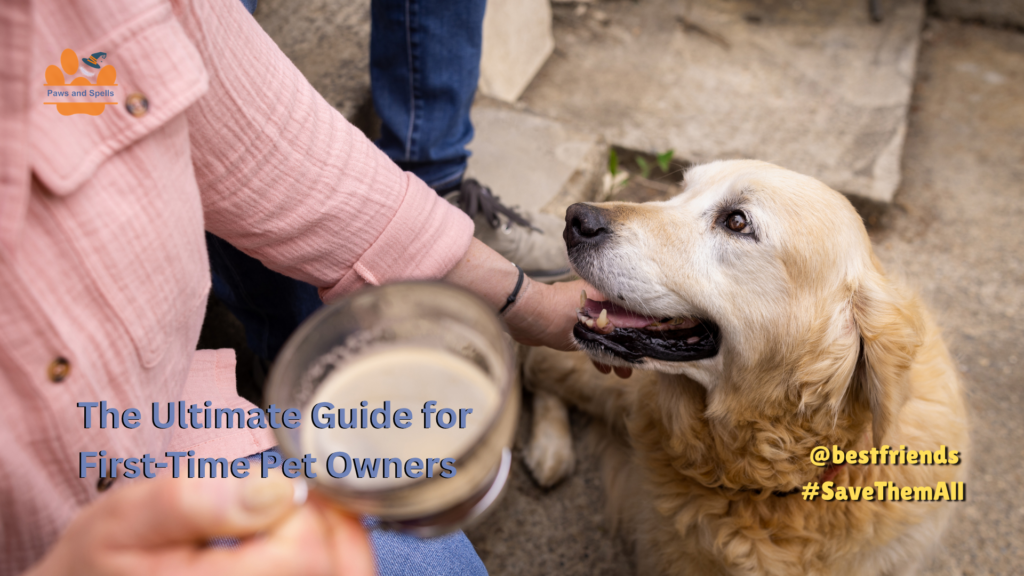
Last July, my golden retriever, Max, suddenly slowed down during our afternoon outing. His tongue hung low, and he seemed unusually lethargic under the intense heat. That scary moment taught me that proactive fluid management is the foundation of a safe outdoor experience.
Keeping your furry friend cool is vital when temperatures rise. Proper dog hydration tips summer walks are essential for preventing heat-related illnesses in active pets. By following these simple guidelines, you ensure your companion remains healthy and energized.
Managing water intake helps your pet thrive even on the hottest days. You can easily protect your animal by staying prepared before you head out the door.
Key Takeaways
- Carry a portable bowl to provide fresh water frequently.
- Monitor your pet for signs of fatigue or heavy panting.
- Choose shaded paths to reduce direct sun exposure.
- Avoid peak heat hours during the middle of the day.
- Offer cool water breaks every fifteen minutes of activity.
Importance of Hydration for Dogs in Summer
Keeping your dog hydrated is key for safe summer walks. As temperatures go up, your dog needs your help to cool down. Following dog hydration tips summer walks can greatly improve your pet’s health during hot months.
Benefits of Staying Hydrated
Water helps your dog cool down by regulating their body temperature. When they drink enough, their organs work better. This keeps blood flowing well, even when it’s hot. Maintaining proper fluid levels is the best way to avoid heat exhaustion and other heat-related illnesses.
Drinking water regularly helps with digestion and keeps joints lubricated. This is important for dogs that are active. By focusing on hydration, your pet will stay energized and happy during your walks. Remember, consistent access to fresh water is essential for pet care.
Signs of Dehydration in Dogs
It’s important to know the signs of dehydration in dogs. If your dog seems very tired or sluggish, they might be losing too much water. Always check your dog’s physical cues during and after walks to see if they’re okay.
One good way to check if your dog is dehydrated is to look at their mouth. If their gums are dry, sticky, or pale, they need water right away. Other signs include sunken eyes, skin that doesn’t snap back, and panting that doesn’t stop. Watching for these signs helps you act fast to prevent a serious medical emergency.
Choosing the Right Time for Walks
Choosing the best time for walks is key to keeping your dog hydrated and comfy. Walking during cooler parts of the day helps keep your pet’s body temperature safe. This simple change greatly improves your dog’s comfort in summer heat.
Morning vs. Evening Strolls
Early morning and late evening are the best times for walks. The sun is lower, and the pavement is cooler. This helps your pet stay hydrated and comfortable.
Here are some benefits of walking during these cooler times:
- Lower ground temperatures protect sensitive paw pads from burns.
- Increased air circulation helps your dog stay cool naturally.
- Reduced physical stress allows for a more enjoyable and relaxed walk.
Avoiding Peak Sun Hours
It’s important to avoid walking between 10:00 AM and 4:00 PM. The sun’s intensity is highest during these hours, leading to dehydration and heat exhaustion. Even a short walk can be risky for your dog.
Plan your walks during cooler times to keep your dog hydrated and safe. Always check the weather forecast before walking. If it’s hot, skip the walk or play indoors instead.
Providing Fresh Water Before Walks
Starting with a drink before walks is key to keeping your pet safe from the heat. It helps proactively keep your dog hydrated during your outdoor time.
How Much Water to Offer
You don’t need to make your dog drink a lot of water. This can be uncomfortable for them. Instead, give a small amount, like a few ounces, to make sure they’re ready for exercise.
Keep an eye on how interested your dog is in drinking. If they want to drink, let them. But don’t let them drink too much right before they start moving. Moderation is key to keep them comfortable.
Best Containers for Water
The container you use is important too. Stainless steel bowls are great because they’re tough, easy to clean, and keep water cool.
If you want something portable, look for BPA-free plastic containers made for pets. These are safe and light, perfect for keeping your dog hydrated on the go. Make sure the container is clean for your pet’s best experience.
Carrying Water on Walks
One of the best summer walking safety tips is to carry water for your dog. It’s key to keep your pet hydrated and comfortable. The right gear makes sure your dog stays cool on hot days.
Types of Portable Water Bowls
Collapsible silicone bowls are great for pet owners on the go. They’re incredibly lightweight and easy to attach to your leash. They’re perfect for quick water breaks, keeping your dog happy and hydrated.
Choose bowls that are tough and easy to clean. A sturdy base keeps the bowl steady while your dog drinks. This small choice helps a lot in keeping your dog hydrated during long walks.
Water Bottles for Dogs
Integrated water bottle systems are a handy all-in-one option. They have a bottle and a trough, making it easy to give water with one hand. It’s important to pick a leak-proof design to keep your supplies safe.
These systems are made for dogs, ensuring water flows well and without spills. Keeping these tools with you helps you quickly give water if your dog gets thirsty. By following these summer walking safety tips, you can keep your dog happy and healthy all summer.
Recognizing When Your Dog Needs a Break
Knowing how to read your dog’s body language is key to avoiding heat emergencies on walks. Using summer walking safety tips helps keep your dog cool when it’s hot. Always check how they’re doing during your walk.
Walking Pace and Temperature Awareness
Make sure your walk’s pace fits the weather. High humidity makes the air feel hotter to dogs than it really is. Slow down or take a shorter path when it’s very sunny.
If your dog is having trouble keeping up, stop right away. Breaks in the shade help their body cool down. Always put your dog’s comfort first, not how far you can walk.
Signs Your Dog Is Overheated
Knowing the signs of heat exhaustion is crucial for summer walking safety tips. Look for excessive panting that doesn’t stop, even after resting. Also, watch for bright red or purple gums and a very dry tongue.
If your dog moves clumsily or seems confused, they might have heatstroke. This is a serious emergency that needs quick help. Here’s a guide to help you adjust your walk based on the weather:
| Temperature Range | Activity Level | Recommended Action |
|---|---|---|
| Below 70°F | Normal | Standard exercise routine |
| 70°F – 80°F | Moderate | Monitor for heavy panting |
| Above 85°F | Low | Limit to short, shaded walks |
Learning to observe these signs helps keep your walks safe and fun for your dog. Stay alert to ensure every walk is a good experience for them.
Using Cooling Gear for Your Dog
Cooling accessories are key for a good canine hydration guide. They help manage your dog’s heat when it’s hot outside. These tools draw heat away from your dog’s body, keeping them cool and active.
Cooling Vests and Bandanas
Cooling vests and bandanas use evaporative technology to keep your dog cool. Soak them in cold water, wring them out, and put them on your dog. As the water evaporates, it cools your dog down.
These items are great for dogs that get hot easily. They keep the chest and neck cool, stopping the body from getting too hot. Make sure they fit well but not too tight.
Effectiveness of Cooling Mats
Cooling mats are great for post-walk recovery in a cool spot. They have a gel that takes heat from your dog’s body. This makes your dog feel better after a walk.
Using these tools with fresh water helps manage heat well. When your dog rests on a cool surface, they can drink water better. This is a key part of any good canine hydration guide for active dogs.
| Gear Type | Primary Benefit | Best Use Case |
|---|---|---|
| Cooling Vest | Core temperature regulation | Active walking |
| Cooling Bandana | Neck and pulse cooling | Short, casual strolls |
| Cooling Mat | Rapid heat dissipation | Post-walk recovery |
Finding Shaded Areas During Walks
Every good canine hydration guide stresses the need to avoid direct sunlight. When it’s hot, the ground can get too hot for your dog’s paws. Looking for shade helps keep your pet cool during walks.
Benefits of Natural Shade
Walking under dense trees can make it cooler. Shaded paths are cooler than hot sidewalks. This makes walking easier for your dog.
Cooling Advantages
Shade protects your dog from harmful UV rays. When your dog stays in the shade, it doesn’t have to work as hard to stay cool. This is key for keeping your dog hydrated, as it helps prevent losing too much water.
Planning Route with Shade in Mind
Plan your walks to be safer by choosing shaded paths. Before you go, look for shaded areas in your neighborhood or park. Here are some tips:
- Map your route to include parks with lots of trees instead of open paths.
- Check when the sun is highest to plan your walk when it’s cooler.
- Find “green corridors” or trails that are always covered.
- Stay away from asphalt, as it stays hot for a long time.
By making these small changes, you can make walks better for your pet. A good canine hydration guide helps make walks safe and fun for your dog.
Hydration Options Beyond Water
When it gets hot, you need more than just water to keep your dog safe. Water is good, but it might not keep your dog’s minerals balanced during hard play. It’s key to prevent heatstroke in dogs when it’s really hot.
Electrolyte Solutions for Dogs
Dogs lose important minerals like sodium and potassium when they pant a lot. Use canine-specific electrolyte solutions to quickly replace these lost nutrients. Make sure the product is made for pets, as human versions can be harmful.
These solutions are a powerful tool for keeping your dog’s balance. Adding a bit to their water bowl helps protect them on very hot days.
Introducing Hydrating Treats
Give your dog water-rich snacks to make drinking water fun. Frozen broth cubes and watermelon or cucumber are great. They’re cool, tasty, and low in calories.
Adding these snacks to your routine is easy to prevent heatstroke in dogs. They make drinking water a treat, keeping your pet happy and healthy.
| Hydration Option | Primary Benefit | Best Usage |
|---|---|---|
| Electrolyte Water | Mineral Replacement | During long, active hikes |
| Frozen Broth Cubes | Cooling & Hydration | Post-walk recovery |
| Watermelon Slices | High Water Content | Mid-walk snack |
Monitoring Your Dog’s Behavior
Watching your dog closely during walks is crucial. It helps you spot signs of heatstroke early. This way, you can act fast to keep them safe.
Changes in Energy Levels
If your dog seems less energetic, it’s a warning sign. They might be struggling with the heat. Never force them to keep walking if they seem tired or unwilling to move.
When your dog stops often or sits down, they’re telling you they’re too hot. These signs mean it’s time to stop and let them cool down. Keeping them comfortable is essential to prevent heatstroke.
The most important part of a walk is not the distance covered, but the well-being of the animal at the end of the leash.
Cues Your Dog Gives During Walks
Look for physical signs of distress, like seeking cool spots. If your dog pants a lot or can’t find a comfy spot, they might be overheating.
Here’s a table to help you know when to give your dog a break:
| Behavioral Sign | What It Means | Recommended Action |
|---|---|---|
| Excessive Panting | Body is struggling to cool down | Stop and find shade |
| Seeking Shade | Dog is feeling the heat intensity | End the walk early |
| Refusing to Move | Physical exhaustion or heat stress | Carry or rest in cool area |
| Bright Red Gums | Potential early heatstroke | Seek veterinary care |
By watching for these signs, you can prevent heatstroke. Always trust your instincts. If your dog seems off, it’s best to head home early.
Understanding Weather Conditions
Did you know air temperature is just half the story for your dog’s comfort? While many owners focus on the heat, humidity is key for staying hydrated on dog walks. Knowing these factors helps you decide when it’s safe to go outside.
How Humidity Affects Hydration Needs
Dogs don’t sweat like we do. They cool down by panting. When it’s humid, their breath can’t evaporate well. This makes it hard for them to cool down, even if it’s not that hot.
High humidity is risky for heat-related illness. Since they can’t cool down, dogs lose fluids fast through panting. It’s crucial to keep them hydrated on hot, humid days to avoid exhaustion.
Adjusting for Different Temperatures
Check the heat index before you go for a walk. It combines temperature and humidity to show how hot it really feels. If it’s high, take shorter walks or go at a different time.
Adjust your walk’s intensity based on the weather. On very hot days, choose shorter, slower walks with breaks in the shade. Staying hydrated on dog walks is easier when you match the activity to the temperature.
Training Your Dog to Drink on Walks
Teaching your dog to drink on walks is crucial for every dog owner. It helps prevent heat exhaustion. Training them to accept water breaks is a smart move for their safety in hot weather.
Teaching Commands for Water Breaks
Consistency is key when teaching your dog to drink. Pick a specific word or phrase, like “water time” or “drink up,” to signal a drink break. Use this command every time you offer water at home and outdoors.
Here’s how to make it a habit:
- Start in a quiet environment: Practice the command in your backyard with fewer distractions.
- Use a portable bowl: Introduce the bowl you’ll use on walks to help your dog recognize it.
- Reward the behavior: Give praise or a small treat right after your dog drinks when you say the command.
Making Water Time Enjoyable
Make drinking water a rewarding experience for your dog. If they’re hesitant, add a splash of low-sodium chicken broth to their water. This trick often makes even the most stubborn dogs eager for a drink.
Keep things light and positive to keep your dog calm. Forcing them to drink can make them anxious. By making it fun, your dog will happily stay hydrated on walks, even when they’re excited about being outside.
Know Your Dog’s Breed Needs
Your dog’s breed is key to good summer dog care tips. Each dog handles heat differently. Knowing this helps keep them safe from the sun.
Breeds That are More Susceptible to Heat
Some dogs get hotter faster because of how they’re built. Bulldogs, Pugs, and Boxers have short airways. This makes it hard for them to cool down.
Dogs with thick fur, like Huskies or Malamutes, also get hot easily. They were made for cold, not heat. So, they need short walks and lots of shade.
Hydration Tips for Active Breeds
Active dogs, like Border Collies or Vizslas, can hide how tired they are. They might keep going even when they should stop. Make sure they drink water often.
Always have water ready and give it to them every 15 to 20 minutes. Watch for signs they need to rest. This keeps them safe from heat sickness.
| Breed Category | Primary Risk Factor | Hydration Strategy |
|---|---|---|
| Brachycephalic | Restricted Airflow | Frequent, short breaks |
| Double-Coated | Heat Retention | Cool water misting |
| High-Energy | Overexertion | Scheduled intake |
Post-Walk Hydration Routines
After a sunny walk, your pet’s hydration needs don’t stop. The recovery period is key to summer dog care tips. A calm home helps your dog cool down and settle.
Replenishing Water After Walks
Give your dog fresh, cool water right away. Don’t use ice-cold water, as it might upset their stomach. Encourage them to drink slowly to avoid drinking too much air.
Place the water bowl in a quiet, shaded spot. If your dog doesn’t want to drink, try adding a bit of low-sodium broth. Having clean water always is crucial for your pet’s health.
Signs Your Dog Needs More Water
Watch for signs of dehydration even after rest. Look for sunken eyes or a lack of appetite. Also, check their gums; if they’re dry or sticky, your dog needs more water.
If your dog seems tired or has trouble standing, give them water and call the vet. Watching for these signs is important. It helps your pet recover fast and stay comfortable all summer.
Importance of Vet Check-Ups
Your dog’s health is key to safe summer fun. While you pack water and find shade, don’t forget professional medical oversight is crucial. A healthy dog handles heat better than one with hidden health issues.
Regular Check-Ups for Hydration Issues
Regular vet visits help spot issues that affect your dog’s fluid balance. Problems like kidney or heart issues can make it hard for dogs to stay cool. Identifying these risks early helps avoid emergencies.
Here are the main benefits of a pre-summer wellness exam:
- Early detection of underlying health conditions.
- Personalized advice on fluid intake based on your dog’s weight and breed.
- Assessment of current medications that might affect hydration.
- Professional guidance on recognizing early signs of heat exhaustion.
Discussing Hydration with Your Veterinarian
Book a vet visit before summer hits to talk about your exercise plans. Your vet can create a hydration plan for your dog, considering their age and activity level. This makes your summer workouts medically sound and safe for your pet.
Ask about electrolyte balance or water needs for your breed. Clear communication with your vet helps you make smart choices. Together, you can enjoy the sunshine, knowing your dog is well cared for.
Utilizing Technology
Now, you can use advanced digital tools to keep your dog safe and cool outside. Modern tech offers new ways to hydrate your pet in hot weather with real-time data. These tools help you make better choices about when to go outside.
Apps for Monitoring Weather
Knowing the local weather is key to keeping your dog safe from heat. Apps like AccuWeather or Weather Underground give you detailed forecasts. They show “feels like” temperatures and humidity levels.
These apps also warn you about extreme heat and UV indexes. This helps you plan your dog’s outdoor time for cooler hours. It’s a smart way to hydrate your pet in hot weather.
Gadgets to Track Hydration Levels
There are also gadgets to watch your dog’s health. Smart water bowls and activity trackers show how much water and energy your dog uses. They connect to your phone for easy tracking.
Some smart collars even track activity and suggest water breaks. Using these gadgets helps keep your dog hydrated. Here’s a table of some tech options for dog owners.
| Technology Type | Primary Benefit | Best For |
|---|---|---|
| Weather Apps | Real-time heat alerts | Planning walk times |
| Smart Water Bowls | Tracks intake volume | Monitoring hydration |
| Activity Trackers | Measures exertion levels | Preventing overheating |
| UV Index Monitors | Sun exposure warnings | Skin and eye safety |
Engaging with Community Resources
Learning from others in your neighborhood is a smart strategy for managing outdoor hydration for dogs during the summer. Connecting with fellow pet owners gives you access to local knowledge you can’t find in general guidebooks.
Building a network of support makes it easier to handle the challenges of warm-weather exercise. Together, you and your neighbors can keep every pup safe and healthy while enjoying the sunshine.
Local Dog Groups and Their Tips
Joining local dog groups is a great way to find the best spots for walks. Members share important info about shaded trails and parks with reliable water stations.
Here are some benefits of joining your local pet community:
- Get updates on trail conditions and heat levels.
- Find the best water-friendly parks in your area.
- Get advice on keeping dogs hydrated during summer.
- Plan group walks during cooler hours.
Sharing Your Experiences
Your journey as a dog owner is valuable to others in your community. When you find a shaded path or a park with clean water, share it with your group.
Sharing your experiences helps keep pets safe and comfortable. Your tips create a caring culture that benefits all dogs in your neighborhood. A strong community is the best defense against heat exhaustion.
Preparing for Vacation Walks
When you take your dog on a trip, you need to plan carefully. Look up local water sources and weather before you get there. These steps help keep your dog cool, no matter where you are.
Traveling With Hydration Needs in Mind
Bring a portable kit with a collapsible bowl from brands like Ruffwear or Dexas. Pack extra water bottles for long walks or beach days. Always check the terrain for dangers that could raise your pet’s temperature.
Hydration Rules for Different Locations
Different places need different plans for your pet’s water needs. Places at high altitudes or humid coasts make your dog lose water faster. Use these tips to adjust your walks and breaks. This way, every vacation moment will be happy and healthy for your dog.