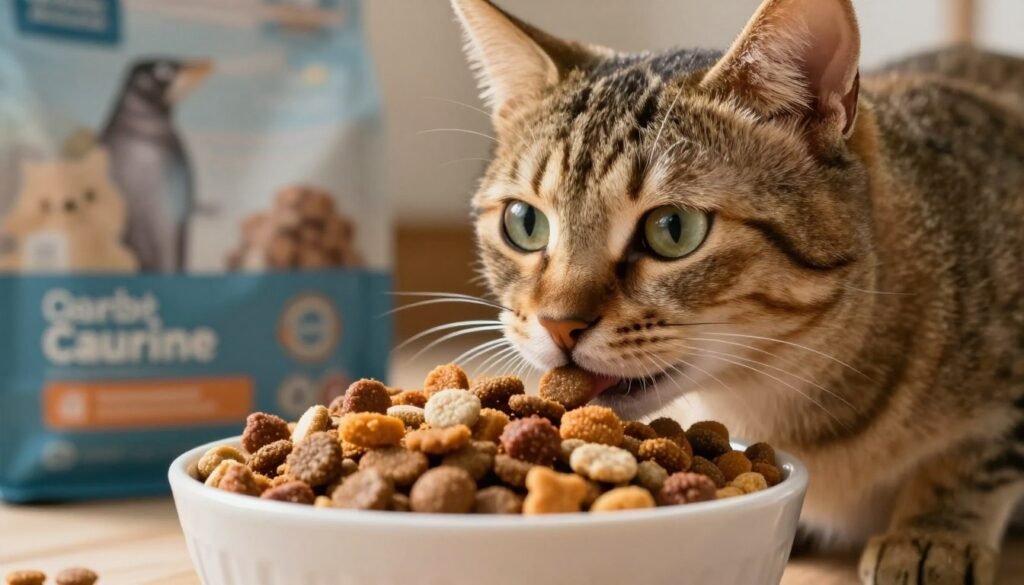
Ever thought if your cat really needs fish in their diet? Many pet owners think fish is great because cats love its smell. But, is fish good for cats really? We need to look deeper than their happy purrs.
For a long time, people thought cats and seafood went together. But, this is more of a cultural idea than a real need. Cats might like the taste, but eating fish every day can cause nutritional imbalances. It’s important to know what your pet really needs for their health.
By learning about their metabolism, you can choose better for their meals. Let’s uncover the truth to make sure your cat gets the balanced nutrition they need every day.
Key Takeaways
- Seafood is not a natural primary food source for felines in the wild.
- Daily consumption of certain seafood can lead to specific vitamin deficiencies.
- Mercury levels in some ocean life may pose risks to your pet over time.
- Balanced commercial diets are generally safer than home-prepared seafood meals.
- Consulting your veterinarian is essential before making major changes to their menu.
The Nutritional Benefits of Fish for Cats
Fish is full of nutrients that are great for cats. Many people wonder, is fish good for cats? The answer is yes, because of the important compounds it has for their health and energy.
Essential Omega-3 Fatty Acids
Fish is a top source of Omega-3 fatty acids, like EPA and DHA. These fats are key for a shiny coat and healthy skin. They also help reduce inflammation, keeping your cat active and comfortable.
Protein Sources in Fish
Cats need animal protein to stay healthy, and fish is full of it. It has amino acids that cats can easily digest. This high-quality protein helps build strong muscles, keeping your cat agile and full of energy.
Vitamins and Minerals
Seafood also has important vitamins and minerals. Fish is rich in Vitamin D, B12, and minerals like selenium and iodine. These nutrients are vital for a strong immune system and good metabolism. Adding them to your cat’s diet ensures they get all the nutrients they need to thrive.
Risks of Feeding Fish to Cats
It’s key for pet owners to know how fish affects their cat’s health. Many cats like seafood, but it shouldn’t be their main food. Feeding fish to cats needs to be done carefully to keep them healthy.
Mercury and Other Toxins
Big fish can have a lot of mercury. Eating these fish often can harm your cat. Mercury can hurt your cat’s nervous system, making them tired or even sicker.
Allergies and Sensitivities
Many cats are allergic to fish. This can cause skin problems or upset stomachs. Watch your cat for signs of allergy, like scratching or vomiting after eating fish.
Potential for Imbalance
Eating too much fish can be bad for your cat’s health. Fish doesn’t have all the vitamins and minerals cats need. This can harm their bones and skin.
| Risk Factor | Potential Consequence | Severity Level |
|---|---|---|
| Mercury Accumulation | Neurological damage | High |
| Food Allergies | Skin and gut issues | Moderate |
| Nutritional Imbalance | Weakened immune system | Moderate |
| Thiaminase Presence | Vitamin B1 deficiency | High |
Knowing these risks helps you keep your cat healthy. Make sure their diet is varied. Learning about feeding fish to cats can prevent these problems.
Types of Fish Safe for Cats
Shopping for seafood for your pet needs careful thought. Not all fish are good for cats. Knowing the types of fish safe for cats helps keep your pet healthy and happy.
Choosing the best fish for cats means looking at quality and how it’s prepared. Opt for wild-caught fish to reduce contaminants. Freshness is key for your pet’s health, just like it is for yours.
Salmon
Salmon is a great choice because it’s full of omega-3 fatty acids. These fats are good for your cat’s skin, coat, and joints. Make sure the salmon is cooked well to kill off any harmful parasites.
Tuna
Tuna is a favorite for many cats because of its strong smell. But, it should be given in small amounts because of its mercury content. Choose tuna packed in water, not oil or brine, to avoid too much salt.
“The quality of the protein you provide determines the long-term vitality of your feline companion.”
Sardines
Sardines are packed with nutrients and are considered among the best fish for cats. They are small and have fewer toxins than big fish. Look for them in water for a healthy snack.
Knowing which types of fish safe for cats helps you make better choices. By picking these specific fish, you give your pet the nutrients they need while keeping them safe.
How Often Should Cats Eat Fish?
Knowing how much seafood is safe for your cat is key to their health. Many cats love the taste of fish. But, it’s important to feed it in the right amounts to keep them well-nourished.
Recommended Portions
When giving seafood, make sure it’s just a little bit. Aim for no more than one or two small servings a week. Consistency is key to make sure your cat gets all the nutrients they need.
Fish as an Occasional Treat
Think of fish as cat food that’s a treat, not the main course. Eating too much fish can upset the balance of vitamins and minerals. Use it as a special reward or to get finicky eaters to eat.
Signs of Overconsumption
Watch your cat closely after they eat fish. If they seem tired or have stomach problems, they might be eating too much. Always consult your veterinarian if you see any lasting changes in their behavior or health.
| Frequency | Portion Size | Purpose |
|---|---|---|
| Weekly | 1-2 small servings | Occasional treat |
| Monthly | Limited intake | Dietary variety |
| Daily | Not recommended | Avoid imbalance |
Preparing Fish for Your Cat
When you decide to serve fish to your cat, the preparation process is key. It ensures your pet gets the nutrients they need without getting sick. By following a few simple steps, you can make a meal safe and healthy for your cat.
Cooking vs. Raw Fish
Many owners wonder if raw fish is better for their pets. But, cooking fish thoroughly is the only way to kill harmful parasites and bacteria. These can make your cat very sick or cause long-term health problems.
Always steam, bake, or poach the fish until it’s fully cooked. Avoid frying because it adds oils and fats that can make your cat gain weight or get pancreatitis. Always ensure the fish is plain and free from any seasonings or coatings.
“Cooking seafood is a non-negotiable step for feline safety. Heat effectively neutralizes the risks associated with raw proteins, ensuring your cat stays healthy and happy.”
Avoiding Toxic Ingredients
When preparing fish, you must be very careful about the ingredients you use. Many human-grade fish products contain additives that are highly toxic to cats. You should strictly avoid the following:
- Onions and Garlic: These can damage a cat’s red blood cells, leading to anemia.
- Excessive Salt: High sodium levels can cause dehydration and kidney strain.
- Spices and Herbs: Many common kitchen seasonings are not safe for feline consumption.
Always check the labels on canned fish to ensure it is packed in water rather than oil or brine. If you are preparing fresh fish, keep it completely plain. Even small amounts of onion powder or garlic salt can be dangerous for your pet.
Serving Size Tips
Even when prepared safely, fish should be served in moderation. Fish is rich in nutrients, so it’s best used as an occasional treat. Use the following table to help guide your portioning efforts:
| Cat Size | Recommended Portion | Frequency |
|---|---|---|
| Small (under 8 lbs) | 1/2 tablespoon | Once weekly |
| Medium (8-12 lbs) | 1 tablespoon | Once weekly |
| Large (over 12 lbs) | 1.5 tablespoons | Once weekly |
Remember, your cat’s main diet should be balanced, complete cat food. Monitor your cat’s weight and overall health after introducing fish to their routine. If you notice any changes in their appetite or energy levels, consult your veterinarian immediately.
Importance of a Balanced Diet
Even the best seafood can’t be the only food for your cat. While treats are fun, fish in a feline diet alone isn’t enough. Cats need a mix of nutrients that no single food can give.
Role of Meat and Other Proteins
Cats need animal proteins to stay healthy. Fish is good, but it’s not enough. Adding poultry, rabbit, or beef helps with taurine and arachidonic acid.
These proteins keep muscles strong and organs working well. Mixing proteins gives your cat all the amino acids they need.
Vegetables and Grains for Cats
Cats can also eat small amounts of veggies and grains. They help with digestion and give vitamins and minerals. These foods are important for a balanced diet.
- Fiber: Helps with digestion and prevents hairballs.
- Antioxidants: Boosts immune health.
- Complex Carbohydrates: Gives energy all day.
Importance of Variety
Feeding your cat different foods is key. It prevents nutritional problems and keeps meals exciting. Rotating proteins helps avoid sensitivities and ensures a wide range of nutrients.
Consistency in quality is crucial. Choose trusted brands for whole food ingredients. This ensures your cat gets the balanced diet they need for a long, happy life.
Signs of Fish Allergies in Cats
The impact of fish on cat health is mostly good. But, some cats can have bad reactions. These reactions can make your pet uncomfortable and unhealthy.
Common Symptoms to Watch For
Food allergies can show up in unexpected ways. Look for signs like too much scratching, biting, or hair loss. These are signs your cat might be allergic to their food.
Stomach problems are another sign. Watch for vomiting, diarrhea, or changes in stool. Also, chronic ear infections that don’t get better could mean a food allergy.
True food allergies in cats are immune-mediated responses that require careful management and dietary elimination to resolve effectively.
When to Consult a Vet
If you see these symptoms for more than a few days, call your vet. They can tell if it’s an allergy or just a stomach bug. They might suggest a special diet to find out what’s causing the problem.
Don’t try to figure it out yourself. Other health issues can look like allergies. A vet can do tests to find out if fish is the problem. Starting treatment early can prevent long-term health issues.
Alternative Protein Choices
If your cat has a fish allergy, you need to switch to a different protein. There are many good commercial diets for sensitive cats. Try different ones to see what works best:
- Chicken: Easy to digest and common.
- Turkey: Good for cats with mild allergies.
- Rabbit: Great for cats with severe allergies.
- Duck: Nutritious and has a different amino acid mix.
Fish in Commercial Cat Food
It’s important to know how to check if commercial cat food with fish is good for your cat. Many foods have seafood, but the quality can differ a lot. Always read the label to make sure the first ingredients are high-quality proteins.
Popular Brands Containing Fish
Many trusted brands offer fish as cat food. Tiki Cat, Wellness, and Weruva are known for using sustainable seafood. They avoid fillers and use whole foods for optimal nutrition.
When picking a brand, look for “wild-caught” or “sustainably sourced” labels. These show the company cares about the fish quality. Choosing the best fish for cats means picking products that are clear and safe.
Nutritional Value Comparison
Looking at different products’ nutritional values helps find the right food for your cat. The table below shows key differences in commercial labels.
| Product Type | Primary Protein | Omega-3 Content | Best For |
|---|---|---|---|
| Premium Canned | Wild Salmon | High | Skin & Coat Health |
| Standard Kibble | Whitefish Meal | Moderate | Daily Maintenance |
| Limited Ingredient | Single-Source Tuna | Low to Moderate | Sensitive Stomachs |
Benefits of Using Fish-Based Diets
Fish-based diets have clear benefits for cats when done right. Seafood is full of fatty acids for a shiny coat and healthy skin. Many cats love the smell of fish, making it great for picky eaters.
Adding high-quality seafood to your cat’s diet can offer a variety of amino acids. This supports your cat’s immune system and overall health. Remember, the best fish for cats is part of a balanced diet, not the only food.
Using fish as cat food can be rewarding for both you and your cat. By being informed and checking labels, you ensure your cat gets the best ingredients.
Myths About Fish and Cats
Many people think cats need fish to stay healthy. But this is a big misunderstanding. Cats might like the smell of seafood, but it’s not their main food. Eating too much fish can cause health problems.
Misconceptions About Fish as a Primary Food
Some believe cats need fish to be healthy at home. But cats are obligate carnivores. They evolved to hunt small land animals, not fish. So, their bodies aren’t made for eating a lot of seafood every day.
Feeding your cat only fish can cause a nutrient imbalance. Fish-based diets often lack the amino acids found in meat. This can make your cat miss out on important nutrients.
The Reality of Fish vs. Other Proteins
Comparing fish to chicken, turkey, or beef shows big differences. Poultry and red meats give cats the minerals and fats they need. High-quality animal proteins from land are easier for cats to digest and less likely to cause allergies.
Fish can be a tasty treat, but it shouldn’t be the main part of your cat’s diet. Think of fish as a special treat instead of a main food. This way, your cat gets a variety of nutrients.
Transitioning Your Cat’s Diet
If your cat eats a lot of fish, it’s time to mix things up. Start by adding a meat-based food to their meals slowly. Slow changes help your cat get used to new tastes without upset stomachs.
Watch your cat closely when you change their diet. If they seem tired or eat less, talk to your vet. They can help make a diet plan that’s just right for your cat. A balanced diet means a happier and healthier life for your cat.
Veterinary Opinions on Fish in Cat Diets
Understanding what vets say about fish in a feline diet helps you choose better for your cat. Many cats love seafood, but vets say it shouldn’t be their main food. It’s important to balance their diet so they get all the nutrients they need.
Expert Recommendations
Vets usually say fish should be an occasional treat, not a daily food. They point out that cat foods are made to be complete and balanced. Adding extra fish can upset this balance. If you do give seafood, make it a small amount, once or twice a week, to keep a healthy fish in a feline diet balance.
Factors Influencing Dietary Choices
Your vet will look at several things before suggesting diet changes. These factors help decide if seafood is right for your cat:
- Age: Kittens and senior cats have different needs.
- Activity Level: Active cats might need different nutrients than lazy ones.
- Health Status: Cats with kidney problems or allergies need special diets.
Always talk to your local vet to see how these factors affect your pet. A tailored plan is key to your cat’s long-term health.
Myths vs. Science
Many think cats crave fish because they’re predators. But science says it’s not true. In the wild, most cats live in deserts and don’t often find fish. Modern research shows fish is good protein, but not essential for a healthy fish in a feline diet.
The goal of any feline diet is to provide complete nutrition that supports the animal’s specific biological needs, rather than relying on human-centric food preferences.
By knowing the difference between myths and science, you can make better choices. Stick to high-quality, meat-based proteins that fit your cat’s natural needs for the best health.
Final Thoughts on Fish in a Cat’s Diet
Feeding your cat is more than just giving them food. It’s about making sure they get the nutrients they need. Seafood can be a great addition to their diet, but it should not be the only thing they eat.
As a pet owner, you have a big role in keeping your cat healthy. Watch for any changes in how they act or digest food when you try new things. Even small changes can make a big difference in how they feel.
Companies like Purina Pro Plan and Royal Canin are great resources for cat food. They can help you create a diet plan that meets your cat’s needs. By choosing high-quality food, you’re helping your cat live a happy and healthy life.
Share your experiences with different foods in the comments below. Talking with other pet owners can help everyone make better choices for their cats. Your stories might help someone else make a better choice for their cat today.