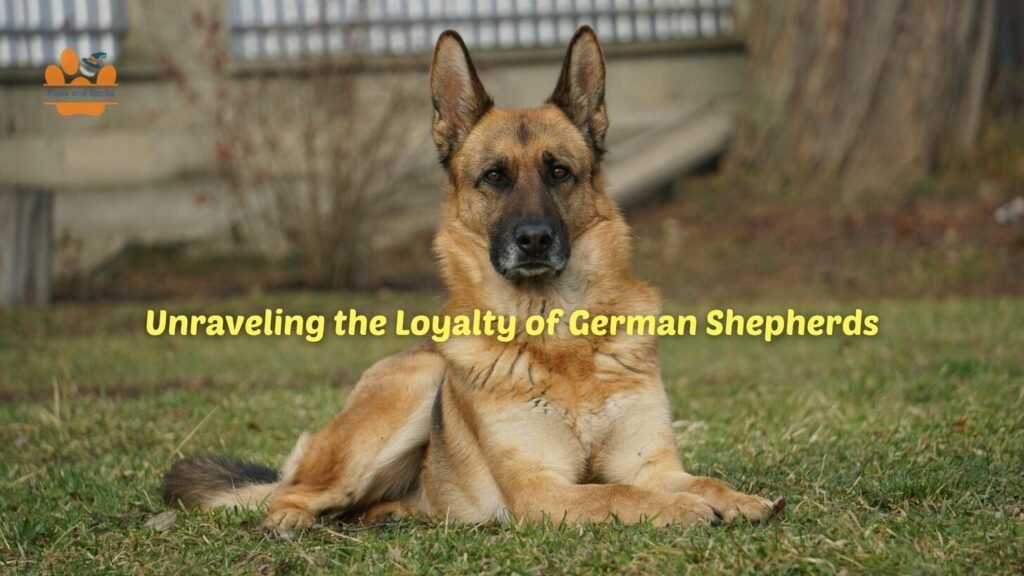
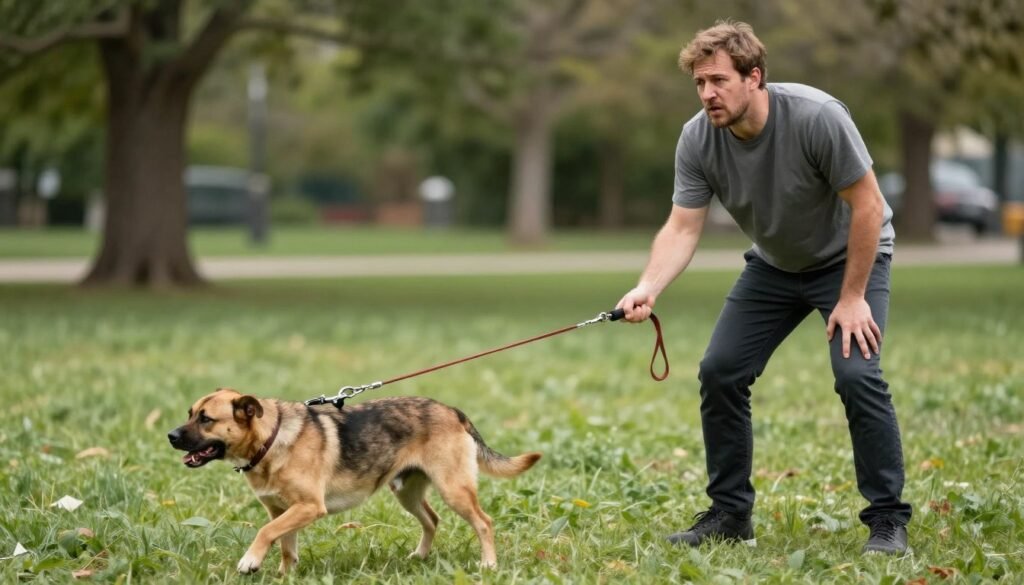
Have you ever seen your dog finish their business and then kick the ground with their back paws? It’s a common sight, but many owners find it puzzling. They might think it’s just to cover their tracks, but there’s more to it.
This kicking is actually a way for dogs to communicate. By kicking the ground, they leave behind signs for other animals. It’s a natural way for them to mark their territory, based on their ancestors’ instincts.
Understanding this habit shows how complex our pets’ world is. Let’s dive into the secret messages behind this interesting behavior.
Key Takeaways
- Ground scratching is a natural method for pets to leave scent markers.
- This behavior acts as a visual signal to other animals in the vicinity.
- It is deeply rooted in ancestral instincts rather than just hygiene.
- The action helps establish territory and communicate presence.
- Observing these habits provides insight into your pet’s social nature.
Understanding Canine Behavior
Your dog’s post-bathroom routine is more than a quirky habit. It’s a peek into their ancient past. Watching canine behavior after defecation shows how pets still use old traits to understand their world.
The Role of Instincts in Dogs
Deep in your dog’s genes is a drive to interact with their world in certain ways. When they scratch the ground, they’re not just cleaning up. They’re activating scent glands in their paw pads.
These glands release special pheromones that mark the earth. This instinctual action lets your pet claim their space in a way humans can’t see but other animals understand.
Social Communication Among Dogs
Ever wonder why dogs kick after pooping? It’s not just about the task at hand. This behavior is like a social mailbox, leaving a lasting message for other dogs to find.
By spreading their scent, dogs share important info about themselves and their health. This chemical signaling is key to their social network and understanding their place in the pack.
The Science Behind Kicking
Dogs’ rhythmic kicking is more than a quirky habit. It’s a complex display of natural instincts. When you see your pet kick, you’re witnessing a biological process. It’s a way for them to communicate with their environment.
The Mechanism of the Behavior
The act involves backward, rhythmic scratches against the ground. It’s not random; it’s a way to spread scent markers. Dogs drag their paws, creating visible marks in the dirt.
This canine behavior after defecation helps spread their scent. The friction breaks up the soil, letting pheromones stay in the air longer. It’s a message for other dogs that might come by later.
What Happens Physically When Dogs Kick
When dogs kick, they use special glands in their paw pads. These glands release pheromones unique to each dog. As they kick, these chemical signals are pressed into the ground, creating a long-lasting territorial marker.
The kicking also helps clear away debris. This makes sure the scent is clear. It might look like a mess, but it’s a way for dogs to communicate.
| Action | Primary Purpose | Scent Impact |
|---|---|---|
| Ground Scratching | Visual and Olfactory | High |
| Urine Marking | Chemical Signaling | Very High |
| Body Rubbing | Scent Exchange | Moderate |
The kicking behavior in dogs shows their evolutionary history. Understanding this behavior helps us appreciate how they interact with their world. It’s a natural, healthy, and essential part of their daily life.
Territorial Marking Explained
Your dog’s post-poop ritual is more than just a simple act. It’s a way for them to mark their territory. Many owners wonder why dogs kick after pooping, not realizing it’s about setting boundaries.
This behavior is a way for your pet to claim their space. It’s a sophisticated method to show they are present in a shared area.
How Dogs Use Scent to Mark Territory
Your dog has special scent glands in their paw pads. When they scratch the ground, they deposit pheromones into the soil. This chemical message is sent to other animals.
By leaving these markers, your dog creates a scent map. This kicking behavior in dogs tells others the territory is taken. It’s a natural way of communication passed down through generations.
The Importance of Scent in Dog Behavior
Scent is key in the canine world, more important than visual cues. When a dog scratches, they spread their scent further. This is crucial in areas where many dogs meet.
The instinct to cover waste is to keep predators away. By leaving their scent, your dog feels safer. Understanding this helps you see the depth of your pet’s outdoor routine.
Dysfunctional Factors Affecting Behavior
Ever wonder if your dog’s post-bathroom ritual is a worry? Most reasons for dogs kicking after pooping are natural. But sometimes, it could mean there’s a problem. Watching your pet closely can tell you if it’s just a habit or a sign of trouble.
Possible Medical Conditions
A change in dog bathroom habits might mean your dog is uncomfortable. If they scratch the ground a lot, they might be trying to ease pain. Issues like anal gland problems or skin allergies can really bother them.
If your dog seems in pain or shows irritation, see a vet. They can check for infections or parasites causing the behavior. Catching these problems early keeps your dog happy and healthy.
When Kicking Becomes Excessive
Behavioral issues can show up as constant scratching. If dog bathroom habits turn into digging that harms your lawn, it’s a sign of anxiety. Some dogs scratch to calm down when they’re stressed.
Keep an eye on your dog’s paws for signs of injury. If they’re raw, cracked, or bleeding, it’s time to stop. Redirecting your dog’s attention with a toy or command can prevent harm.
Environmental Influences on Kicking
It’s important to understand how the world around your dog affects their behavior. The setting where your dog goes to the bathroom can change how they act. By understanding dog body language, you can see how the environment affects their behavior.
The Impact of Surroundings
Your dog’s decision to kick can depend on where they are. In a safe place like home, they might not feel the need to leave a strong scent. But in a busy park, they might kick more to mark their territory.
This kicking is like a signpost for other dogs. When they find a place with many scents, they want to leave their own mark. It’s their way of saying, “I’m here too.”
Dogs and Their Reaction to Other Animals
Seeing other dogs can make your pet kick more. They might kick to show they’re there or to claim territory. It’s not aggression, but a way to interact with their world.
Stress from other animals can make your dog kick more. By watching for these signs, you can guess when they’ll kick. The table below shows how different things can make your dog kick more.
| Environmental Factor | Behavioral Intensity | Primary Motivation |
|---|---|---|
| Familiar Backyard | Low | Routine maintenance |
| Public Dog Park | High | Social signaling |
| New Walking Route | Moderate | Territorial exploration |
| Presence of Rivals | Very High | Status communication |
Your pet is always taking in information from their surroundings. Knowing these patterns helps you understand their happiness and comfort. Watching them closely is the best way to understand their natural behaviors.
Training and Behavior Modification
Learning to redirect your dog’s behavior is crucial to stop unwanted post-poop behavior in dogs. This natural instinct can damage your lawn or be annoying on walks. By understanding dog body language, you can catch the moment they’re about to scratch and stop it.
Techniques to Discourage Unwanted Kicking
Teaching your dog an incompatible behavior is a good method. When they finish their business, ask them to “sit” or “heel.” Since they can’t scratch while sitting, this command stops the action.
Consider enrolling your dog in the Canine Good Citizen program. This training improves impulse control and focus in public. Regular practice helps your dog learn to follow your commands over their urge to mark.
Positive Reinforcement Strategies
Success in changing behavior comes from positive reinforcement. Carry treats on walks to reward your dog for not scratching. Timing is key; reward them immediately for following your lead.
Consistency is key in training. If you sometimes allow and sometimes discourage the behavior, your dog gets confused. Stay patient and calm to help your pet feel secure while learning new rules.
| Training Method | Primary Goal | Effectiveness |
|---|---|---|
| Redirection | Distract with commands | High |
| Incompatible Behavior | Prevent physical action | Very High |
| Positive Reinforcement | Reward desired choices | High |
| Impulse Control Training | Improve focus | Moderate |
Conclusion: Embracing Your Dog’s Nature
Watching your pet scratch the ground after a bathroom break shows a deep connection to their wild ancestors. This behavior is a silent language that links your pet to the environment. It gives you a better view of their world, showing these movements as a normal part of their day.
Accepting Natural Habits
You play a key role in understanding the signals your pet sends. Every scratch and scent mark is a form of communication that has lasted for generations. By embracing these traits, you show respect for your pet’s heritage while keeping your home clean.
Celebrating Canine Diversity
Every breed has unique quirks that make them special. Keep a close eye on your pet to ensure their health is a top priority. Enjoy the fascinating ways your dog interacts with nature during walks. Your patience and observation strengthen your bond with your loyal companion.
FAQ
Is the kicking behavior in dogs a sign that they are angry or aggressive?
Why do some dogs kick more than others when it comes to their dog bathroom habits?
Does canine behavior after defecation serve a hygienic purpose?
Can I stop my dog from kicking the grass without hurting our bond?
Is ground-scratching the only way dogs use their paws for scent?
References:
This article was created based on information from the following authoritative sources: American Society for the Prevention of Cruelty to Animals (ASPCA)and Association of Professional Dog Trainers (APDT).