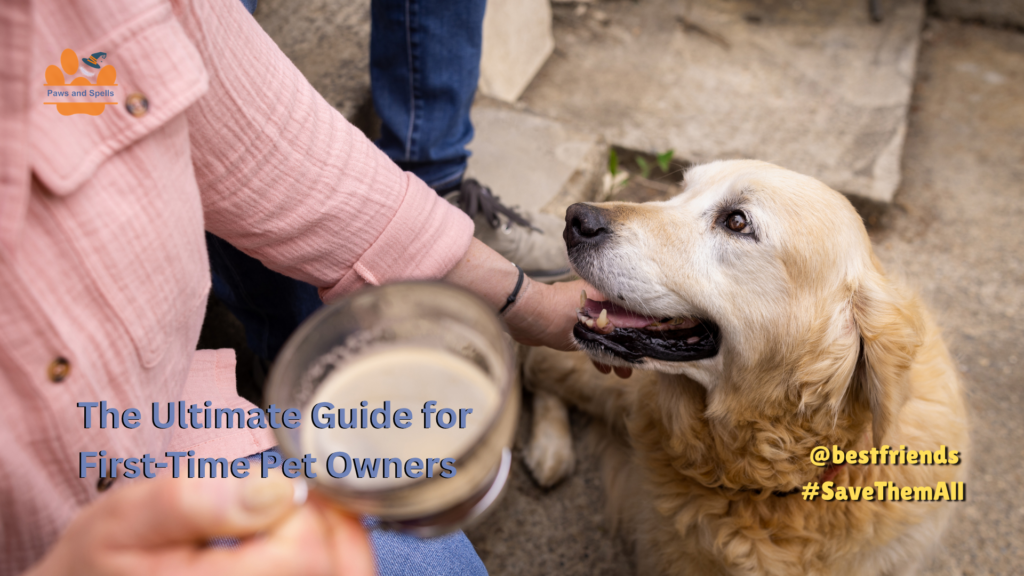
Last July, I watched my golden retriever, Cooper, run to the grass with excitement. Soon, he was panting and looking for shade under the porch. This moment taught me that enjoying the sunshine needs careful planning to avoid heat exhaustion.
Keeping pets safe outdoors in summer is crucial for every owner. You need to mix playtime with cooling breaks to keep your pets healthy. Simple steps can help create a safe space, even when it’s hot.
Key Takeaways
- Provide constant access to fresh, cool water throughout the day.
- Create shaded zones to protect animals from direct sunlight.
- Limit intense exercise during the middle of the afternoon.
- Check pavement temperatures to prevent painful paw burns.
- Recognize early signs of heat stress like excessive panting or lethargy.
Understanding the Risks of Heat Exposure for Pets
When the sun hits your backyard, pets face dangers you can’t see. Keeping your outdoor space safe for pets means knowing they cool differently than humans. They pant and sweat through their paw pads, but it’s not enough in extreme heat.
Signs of Heat Stress in Pets
Act quickly if your pet seems to be struggling with the heat. Catching the problem early can save their life. Watch for these common warning signs:
- Excessive or heavy panting that does not stop.
- Drooling more than usual or thick, sticky saliva.
- Lethargy, weakness, or an inability to stand.
- Bright red or purple gums and tongue.
Common Heat-Related Conditions
Ignoring these signs can lead to serious health issues. Heat exhaustion is the first sign, where the body can’t cool down. If not treated, it can turn into heat stroke, where organs start to fail.
Keeping your pet safe in hot weather means knowing these dangers can strike fast. Even a short time in the sun can cause dehydration or heat cramps. Make sure your pet has a cool place to go before they show signs of distress.
How Temperature Affects Different Breeds
Not all pets handle the sun the same way. Your pet’s breed, age, and coat type affect how they handle heat. For example, brachycephalic breeds like Pugs or Bulldogs have a harder time because their airways are shorter.
Long-haired or double-coated breeds can also get hotter faster because their fur traps heat. Always tailor your safety approach to your pet’s needs. Knowing what your pet can handle helps make outdoor time safer during summer.
Preparing Your Backyard for Hot Weather
Keeping your yard cool is key for outdoor pet safety hot backyard conditions. When it gets hot, your yard should be a cool spot for your pets. By planning ahead, you can keep your pets happy and healthy all summer.
Providing Shade Solutions
Planting trees or tall shrubs is a great way to keep pets cool. They create a refreshing canopy that blocks sunlight. If you don’t have trees, here are some pet-friendly backyard tips to help:
- Install heavy-duty shade sails over your pet’s favorite lounging spots.
- Use portable umbrellas to create movable shade zones.
- Construct a wooden pergola or a simple canopy to provide consistent protection.
Water Sources for Hydration
Having fresh, cool water is crucial when it’s hot. Place water stations around your yard so your pet can drink easily. Adding pet-friendly landscaping ideas like decorative water features can also help keep your pet cool.
Keep water sources in the shade to prevent them from warming up. Cleanliness is vital, so clean bowls daily to prevent algae and bacteria. Having cool water available is the best way to prevent heat exhaustion.
Cooling Products for Outdoor Use
There are many tools to help your pets stay cool. Cooling mats, filled with gel, provide a cool surface for your pet. You can also set up a small kiddie pool for your pet to cool off.
| Cooling Product | Primary Benefit | Best Use Case |
|---|---|---|
| Gel Cooling Mat | Surface temperature reduction | Shaded patio or deck |
| Kiddie Pool | Full body immersion | Open grassy areas |
| Misting Fan | Air temperature cooling | Small, enclosed spaces |
| Elevated Cot | Airflow circulation | Direct sunlight prevention |
Choosing the right cooling products depends on your pet’s size and activity level. Always watch your pets when they use water-based cooling products. With these simple steps, your backyard will be a safe and enjoyable space for your pets all summer.
Monitoring Your Pet’s Activity Levels
Knowing how to pace your pet’s exercise is crucial for summer pet safety precautions. When it’s hot, your pet works harder to stay cool. Adjust your daily routines to keep them from getting too tired and uncomfortable.
Safe Exercise Times
To keep pets safe outdoors, avoid the hottest part of the day. Walk and play with your pet in the early morning or late evening. This helps prevent burns on their paws and keeps them safe from heat-related illnesses.
Before going out, check the pavement temperature with your hand. If it’s too hot for you, it’s definitely too hot for your pet. Choose grassy areas for walking to keep their paws cool.
Fun Cool-Down Games
Choose low-impact activities to keep your pet engaged without overdoing it. Water games are great for cooling down and keeping their mind active. Use a shallow kiddie pool or a gentle sprinkler to keep them entertained in the shade.
Interactive toys that can be frozen, like rubber treat-dispensers, are perfect for indoor or shaded backyard play. These games help your pet burn energy without the need for intense sun exposure.
Recognizing Overheating Symptoms
Constant outdoor pet supervision is key to spotting distress signs early. Look for excessive panting, drooling, or bright red gums. If your pet seems very tired or stumbles, get them to a cool spot right away.
| Temperature Range | Activity Level | Safety Recommendation |
|---|---|---|
| Below 70°F | Normal Play | Safe for all activities |
| 70°F – 80°F | Moderate | Monitor for fatigue |
| Above 85°F | Restricted | Indoor play only |
Always prioritize your pet’s comfort over your plans. If you see signs of heat stress, stop all activity and give them fresh water. These steps will help keep your pet happy and healthy all season.
Appropriate Breed Considerations
Knowing your pet’s special traits is key to keeping them safe in summer. Not all pets handle heat the same way. It’s important to know these differences to keep them healthy.
Adjusting your care to fit your pet’s needs helps them stay cool on hot days. Proactive adjustments to your daily routine can greatly improve their health.
Breeds Prone to Heat Exhaustion
Some breeds, like brachycephalic dogs, have a hard time in the heat. Pugs, Bulldogs, and French Bulldogs have short airways that make it hard for them to cool down.
These dogs can’t cool themselves as well, so they’re at high risk for heatstroke. When it’s hot, keep them in cool places, like air-conditioned rooms.
Managing Senior Pets in Heat
Older pets have a harder time keeping cool because their bodies don’t regulate temperature as well. They might also have health issues that make them more sensitive to heat.
Watch your older pets for signs of tiredness or heavy breathing. For them, summer pet safety precautions mean lots of shade and cool water all the time.
Young and Active Breeds
Young, high-energy pets often don’t know when to stop playing, even when it’s too hot. They might get too tired without realizing the danger of the sun.
It’s up to you to make sure they stay safe. Schedule playtime when it’s cooler, like in the morning or evening. Make sure they get breaks and rest to stay safe and happy.
Hydration: Keeping Your Pet Watered
When the sun is strong, water is key to keeping pets safe outdoors in the heat. It helps prevent heat-related illnesses. Keeping water available helps your pet stay cool.
Importance of Fresh Water
Fresh, cool water is crucial. It replaces lost fluids from panting and sweating. Stagnant or warm water might not attract pets, leading to dehydration.
Make sure the water is clean and free of dirt. Change it often to encourage your pet to drink. This simple step is vital for keeping pets safe outdoors in hot weather.
Signs Your Pet Needs More Water
Spotting dehydration early is crucial. Look for dry or sticky gums and a lack of energy. These signs mean your pet needs more water.
Severe dehydration shows in sunken eyes and loose skin. Move your pet to a cool spot and give them water. Always check with your vet if you think your pet is dehydrated.
Water Dispensers and Bowls
The right equipment is as important as the water. Stainless steel bowls are best because they stay cool and are easy to clean. Avoid plastic bowls that can harbor bacteria or leach chemicals in sunlight.
Think about automatic water dispensers for big backyards or multiple pets. They keep water flowing, which is vital for keeping pets safe outdoors. Place them in shaded spots to keep the water cool for your pet all day.
Safe Outdoor Spaces for Pets
Your backyard should be a safe haven for your pet. Use pet-friendly backyard tips to keep them happy and healthy. A safe space needs physical barriers and careful management of the environment.
Fencing and Enclosures
Having a strong backyard pet containment system is key. Check your fence often for gaps or weak spots. Even a small hole can lead to an escape or a run-in with wildlife.
Choose the right fence height and material for your pet’s size and energy level. For high-energy dogs, add a dig-proof barrier at the fence base. Make sure gates close and latch securely to avoid accidents.
Avoiding Toxic Plants and Materials
Many garden items can be harmful to pets. Check the safety of plants before planting. Avoid toxic plants like lilies and sago palms.
Watch out for hot surfaces in your yard. Dark asphalt or metal can burn your pet’s paws. Use grass, wood chips, or stone paths to keep them cool.
Creating a Controlled Environment
Use pet-friendly landscaping ideas to design a safe and beautiful yard. Create areas for play, rest, and shade. Always supervise your pet outside.
Watching your pet closely helps prevent accidents. A controlled environment lets them explore safely while you watch over them.
| Hazard Type | Potential Risk | Safety Solution |
|---|---|---|
| Toxic Plants | Ingestion poisoning | Replace with pet-safe flora |
| Hot Paving | Paw pad burns | Use shade or cool mats |
| Fence Gaps | Escape or injury | Install dig-proof barriers |
| Chemicals | Skin or gut irritation | Use organic fertilizers |
Pet Clothing and Accessories for Hot Days
When it gets really hot, special accessories can help keep your pet safe. Some animals do fine on their own, but certain items can offer extra comfort. Picking the right ones helps your pet stay cool without getting too hot.
Choosing Breathable Fabrics
Choosing the right fabric is key to keeping your pet cool. Look for lightweight, moisture-wicking fabrics that let air flow. Cotton or athletic mesh are great because they don’t trap heat.
Stay away from heavy fabrics like polyester or thick fleece. They can make your pet hotter. If you dress your pet, make sure the clothes are loose. This lets air move around and keeps them cool.
Pros and Cons of Cooling Vests
Cooling vests are a good way to keep pets safe in the heat. They use water to cool down the body. But, they’re not a replacement for shade or rest.
“The best way to keep a pet cool is to limit exposure during peak hours, but cooling gear can offer a helpful buffer when you are on the go.”
These vests work well, but they can get heavy when wet. This might be hard for small or older pets. Always watch your pet to make sure the vest stays wet. A dry vest can actually make them hotter.
Foot Protection on Hot Surfaces
Pet paw pads are very sensitive to heat. Asphalt and concrete can burn them in seconds. To keep your pet safe, test the ground with your hand first.
If it’s too hot for your hand, it’s definitely too hot for their paws. Use protective booties or paw wax to protect them. These steps help prevent injuries and keep your pet safe while walking.
Grooming Tips for Hot Weather
Your pet’s coat is more than fur; it’s a cooling system. It needs careful attention in summer. Keeping it clean is key to hot weather pet safety, as it protects the skin and keeps it cool.
Proper Coat Maintenance
Many think cutting all hair makes pets cooler. But, their coat keeps them warm in winter and cool in summer. Proper maintenance means keeping it clean and free of mats to let the skin breathe.
“A dog’s coat is designed to regulate temperature; shaving it can actually expose the skin to sunburn and disrupt their natural cooling mechanism.”
When to Shave Your Pet
Shaving your pet is usually a bad idea, except for surgery or mats. Shaving double-coated breeds can harm their coat and heat management. If worried about hot weather pet safety, talk to your vet before shaving.
Regular Brushing Benefits
Brushing regularly helps pets stay cool. It removes dead undercoat, letting air circulate and cool the body. This simple act is crucial for hot weather pet safety.
| Coat Type | Brushing Frequency | Cooling Benefit |
|---|---|---|
| Short/Smooth | Weekly | Removes dander and debris |
| Double Coat | Daily | Maximizes airflow |
| Long/Silky | Every 2 days | Prevents heat-trapping mats |
| Wire-Haired | Twice weekly | Maintains skin health |
First Aid Tips for Heat-Related Issues
When it gets hot, knowing how to handle a medical emergency can save your pet’s life. Knowing summer pet safety precautions helps you act fast if your pet shows heatstroke signs. Quick, calm action is key to keeping your pet stable until help arrives.
What to Do in an Emergency
If you think your pet has heatstroke, move them to a cooler spot right away. Don’t use ice-cold water because it can cause shock or keep heat in. Here’s what to do:
- Move the pet to a shaded or air-conditioned area.
- Apply cool, room-temperature water to their paws, ears, and belly.
- Use a fan to help air circulate over their fur to aid in evaporation.
- Give small amounts of cool water if they can swallow and are awake.
Home Remedies for Minor Symptoms
For mild overheating, like heavy panting or feeling tired, you can help at home. Make sure your pet rests in a cool, dark place away from sunlight. You can use a damp towel under them, but not too thick to keep heat in.
Watch their breathing closely during this time. If they don’t get better in ten to fifteen minutes, you need to get more help. Don’t give them human medicine, as it can be harmful.
Consulting with a Veterinarian
Even if your pet seems okay, call your vet to talk about what happened. Some backyard pet hazards can cause hidden damage. A vet check ensures there’s no hidden harm from the heat.
“Always err on the side of caution when your pet shows signs of distress. A quick call to your veterinarian can provide peace of mind and potentially prevent a life-threatening situation.”
Get emergency vet care right away if your pet vomits, has seizures, or loses consciousness. These are serious signs that need more help than you can give at home.
Signs Your Pet Needs to Stay Indoors
Keeping your pet indoors can be the most loving choice sometimes. While fresh air is great, harsh environments can harm them. It’s key to spot these moments to avoid backyard pet hazards and health problems.
Understanding Your Pet’s Comfort Zone
Every pet has a heat tolerance limit. Watch how they act when it gets hot. If they seek cool spots or won’t move, they’re too hot.
Pay close attention to their body language. Panting and seeming tired means they’re too hot. Move them to a cool place right away.
Weather Factors to Consider
Temperature isn’t the only thing to watch. High humidity makes it hard for pets to cool down. Also, check the UV index and sunlight intensity in your yard.
- Humidity: High moisture traps heat against the body.
- Direct Sunlight: Surfaces like asphalt get very hot.
- Wind Speed: No breeze means no cooling airflow.
Personal Abilities and Limitations
Your pet’s age, breed, and health affect their heat tolerance. Senior pets or those with health issues can’t handle heat well. Watching them closely helps catch problems early.
Think about your pet’s physical limits before going outside. Overweight or thick-coated pets get hot faster. Putting their safety first makes for a better summer for all.
Fun Activities to Keep Pets Cool
Turn your backyard into a cool spot for your pets this summer. You don’t need intense exercise to keep them happy in the heat. Use pet-friendly backyard tips to keep them mentally and physically cool and safe.
DIY Water Games
Water is the best way to fight summer heat. Set up a shallow kiddie pool or a gentle sprinkler system for fun play. These activities help keep your pet’s body temperature down and entertain them for hours.
Always watch your pet during water play to keep them safe. For bigger spaces, add pet-friendly landscaping ideas like misting stations or shallow stone basins. These make your yard a cool haven during the hottest months.
Interactive Toys for Hot Days
Mental games are as tiring as physical ones, perfect for hot afternoons. Use puzzle toys filled with frozen treats or low-sodium broth. This keeps your pet focused and calm while they get their reward.
“Mental stimulation is a vital component of pet health, even when physical activity is limited due to extreme temperatures.”
Try cooling mats or durable rubber toys that can be chilled in the freezer. These provide a cool feeling against your pet’s skin while they play. These activities keep your pet engaged without the need for sun exposure.
Indoor Alternatives
When it’s too hot outside, bring the fun indoors. Organize games like hide-and-seek or practice new tricks in a cool room. These activities help burn off energy while keeping your pet safe and cool.
| Activity Type | Cooling Level | Effort Required | Best Environment |
|---|---|---|---|
| Sprinkler Play | High | Low | Backyard |
| Frozen Puzzle Toys | Medium | Low | Indoor/Outdoor |
| Indoor Training | Low | Medium | Indoor |
| Kiddie Pool | High | Low | Backyard |
The Importance of Regular Veterinary Checkups
Proactive medical care is the foundation for every responsible pet owner’s safety strategy. By keeping a regular vet visit schedule, you help your pet stay strong against environmental stressors.
Keeping Your Pet Healthy Year-Round
Routine wellness exams help your vet set a health baseline for your pet. These visits catch small changes in weight, energy, or organ function early. Consistency is key to spotting issues early, which is crucial for the warmer months.
Vaccinations and Preventative Care
Keeping vaccinations up to date is crucial for a strong immune system. Your vet also guides on year-round parasite control, vital for pets that spend a lot of time outside. Preventative care helps your pet fight off hidden illnesses while staying cool in the heat.
Discussing Heat Safety with Your Vet
At your next vet visit, talk about specific risks for your pet’s breed and age. Ask about the best backyard pet containment strategies to keep your outdoor space safe and cool. They can advise on safe exercise levels for your pet in hot weather.
Your vet can also check if your setup protects your pet from the sun. Together, you can create a plan that keeps your pet safe, happy, and healthy, no matter the weather.
Additional Resources for Pet Owners
Keeping your pets safe during hot months is key. Learn how to make your backyard a cool haven. Use expert tips for long-term pet care and safe outdoor spaces.
Educational Platforms and Digital Guides
The American Kennel Club has online courses on dog health and safety in the heat. These courses teach you how to keep your outdoor area safe. You’ll learn to create a cool, safe spot for your pets.
Local Support and Community Engagement
Your local ASPCA chapter is a great place for pet safety tips. They host workshops on dealing with local weather. These events connect you with experts who know your area’s weather best.
Building a Safer Future
Joining local pet safety efforts helps your pets live better. You’ll meet people who care about animals as much as you do. Learning together keeps your backyard a safe haven for your pets, no matter the weather.