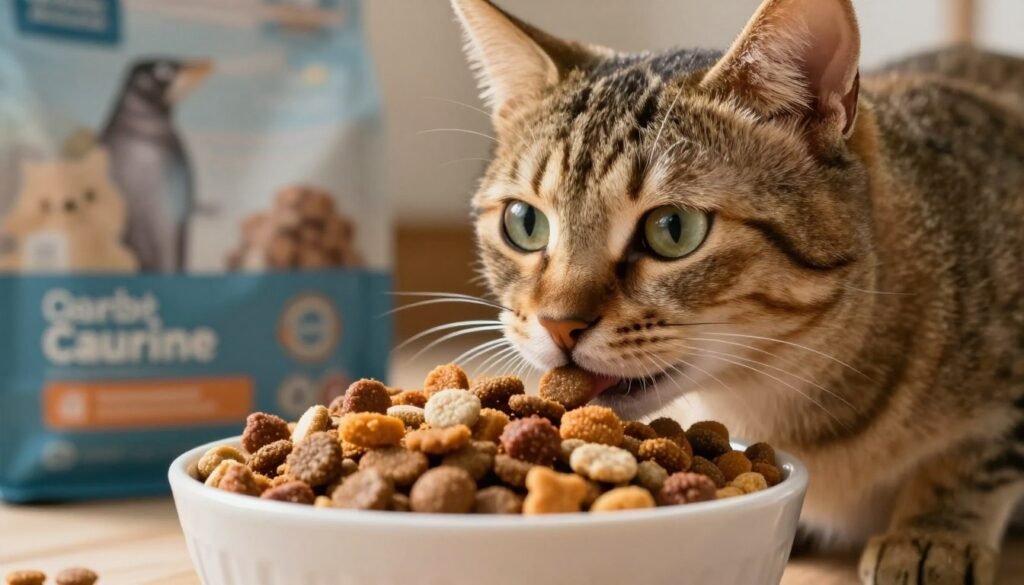
Ever thought a cat could act like a dog without a tail? These unique pets are becoming a hit in energetic homes across the U.S.
Explore the world of Manx cats and why they’re different. We dive into their Manx cat traits and why they’re special. Their playful and sturdy nature makes them great for adventures.
Key Takeaways
- These felines are famous for their dog-like loyalty and high energy levels.
- The absence of a tail is a natural genetic feature, not a result of injury.
- They possess a unique, hopping gait that sets them apart from other breeds.
- Their affectionate temperament makes them excellent companions for active families.
- Proper care and understanding of their history help them thrive in your home.
Introduction to Manx Cats: Origins and Overview
Ever wondered why some cats don’t have tails? It’s because of the Isle of Man cat‘s unique history. This breed developed in isolation, making their traits special. Today, the Manx cat breed is loved worldwide for its looks and personality.
Historical Background of the Manx Cat
The Manx cat comes from the Isle of Man in the Irish Sea. Cats were brought there to fight rodents on ships. Over time, these cats became tailless, a trait that stuck.
“The Manx cat is a testament to the power of island evolution, where isolation creates beauty in the most unexpected ways.”
Local stories say these cats were last on Noah’s Ark, losing their tails. While these tales are fun, the real reason is natural selection. This has made the Isle of Man cat a symbol of the area.
The Genetic Mutation Behind Taillessness
The lack of a tail comes from a genetic change. This change affects the spine’s development. It’s not a flaw, but a special trait.
Cats are grouped by their tail length, from none to full. Here’s a table showing these variations:
| Tail Type | Description | Vertebrae Presence |
|---|---|---|
| Rumpy | Completely tailless | None |
| Rumpy-riser | Small cartilage bump | Minimal |
| Stumpy | Short, stubby tail | Partial |
| Longy | Near-normal tail | Full |
Knowing about these genetic traits helps us see the breed’s diversity. Whether your cat is a rumpy or a longy, they share the resilient spirit of their ancestors.
Unique Physical Traits of Manx Cats
The Manx cat’s physical traits are as captivating as their history. They have a unique shape that makes them stand out from other breeds.
Body Structure and Size
The Manx cat’s body is robust and rounded. They are described as having a “cobby” build. This makes them look compact but also strong and powerful.
Their back legs are longer than their front legs. This gives them a special, slightly hunched walk. Their sturdy body is key to their agility and active lifestyle.
Coat Colors and Patterns
Manx cats come in many colors and patterns. You can find them in solid shades or intricate tabby designs. They suit every taste, whether you like a sleek, short-haired cat or a fluffier one.
The long-haired version is called the Cymric cat. Both types have dense, double-layered fur. This makes their fur soft and plush, a joy to touch.
Eye Colors and Expressions
The Manx cat’s face is as captivating as its body. They have large, round, and expressive eyes. These eyes seem to follow you everywhere with curiosity.
These eyes can be gold, copper, green, or blue. Such Manx cat characteristics make their expressions both endearing and intelligent. Their gaze often shows a playful spirit, inviting you to play every day.
Behavior Traits of the Manx Cat
The Manx cat characteristics are more than just their tail. They have a lively spirit that makes them special. They can run fast or snuggle up in your lap, always making their presence known.
Playfulness and Energy Levels
The Manx cat traits show their high energy right away. They don’t like to sleep all day. Instead, they love to join in on the fun, playing fast games.
These cats love to play games that keep them active. Here are some things they might enjoy:
- Playing a spirited game of fetch with small toys.
- Chasing shadows or laser pointers across the floor.
- Exploring high perches to survey their kingdom.
Affectionate Nature and Social Behavior
The Manx cat personality is known for being loyal and dog-like. They bond strongly with their family and follow them everywhere. They love to be part of the action, not left alone.
They notice how you’re feeling and will try to comfort you. Their love and attention make them great pets for families.
Intelligence and Trainability
Manx cats are also very smart. They can learn tricks and routines easily. They’re eager to please, making training fun for both of you.
They can learn to come when called or even walk on a leash. Their problem-solving skills, like opening cabinets, show their intelligence. Training your cat keeps them sharp and strengthens your bond.
The Tailless Phenomenon: Understanding Taillessness
The lack of a tail in these cats is more than just looks. It’s a complex genetic issue. Many think of them as Isle of Man cats, but their tail length varies. This natural variation has shaped the breed for centuries.
Types of Taillessness in Manx Cats
People group these tailless cats based on their tail bone length. This helps owners understand their pets better. The main groups are:
| Tail Type | Description | Physical Feature |
|---|---|---|
| Rumpy | Complete absence of tail | Smooth indentation at the base |
| Rumpy-riser | Small cartilage bump | Visible when the cat is excited |
| Stumpy | Short, fused tail | Small stub of bone |
| Longy | Near-normal tail length | Visible tail structure |
How Taillessness Affects Mobility
Does the lack of a tail slow down an Isle of Man cat? Actually, these cats are very agile and balanced. Their bodies have adapted to the missing tail over time, making their hind legs strong.
These cats are expert jumpers and climbers. They easily climb high shelves and furniture. Their natural grace shows how well they adapt to different environments.
Health Considerations for Manx Cats
Manx cats are generally healthy, but they have special health needs. Knowing about your cat’s unique biology is key to a long, happy life together. By staying informed, you can create the best environment for your cat.
Common Health Issues
The genetic mutation that makes Manx cats tailless is a big health concern. This gene can sometimes cause Manx syndrome, affecting the spine and nerves. Look out for signs of mobility problems or issues with bladder and bowel control.
Spotting these issues early is very important. Not every cat will face these problems, but being alert to changes helps. If you see sudden changes in your cat’s behavior or comfort, see a vet right away.
Regular Vet Check-ups and Care
Regular Manx cat care is essential for a healthy life. Regular vet visits help keep an eye on your cat’s spine and overall health. These visits are crucial for staying ahead of health issues.
Your daily routine also plays a big role in your cat’s health. A balanced diet, keeping your cat at a healthy weight, and gentle exercise are all important. By being proactive, you help your cat live a long, happy life.
Grooming Needs for Manx Cats
Setting up a grooming schedule is a great way to bond with your cat. It’s not just about looks; it keeps your cat’s skin healthy and comfy all year. Regular Manx cat care is key.
Coat Care: Short-hair vs. Long-hair
The grooming needs of your cat depend on their fur length. The standard Manx has a thick, double coat. Brushing it weekly keeps it shiny and healthy.
For a Cymric cat, which has long fur, grooming is more critical. Their fur can get tangled and matted, so brush them three times a week. This prevents painful knots.
Nail Trimming and Ear Cleaning Tips
Don’t forget about nail trimming and ear cleaning. Trim your cat’s nails every two to three weeks. This stops them from getting too long or catching on things. Use sharp, high-quality clippers for a clean cut.
Ear cleaning is also crucial to avoid wax buildup and infections. Use a soft, damp cloth or a vet-approved solution to clean the outer ear. Never put anything deep into the ear canal to avoid injury.
| Grooming Task | Short-haired Manx | Cymric Cat |
|---|---|---|
| Brushing Frequency | Once Weekly | Three Times Weekly |
| Nail Trimming | Every 2-3 Weeks | Every 2-3 Weeks |
| Ear Cleaning | Monthly Check | Monthly Check |
| Mat Prevention | Low Effort | High Effort |
By sticking to these grooming tasks, your cat will stay happy and healthy. Proper Manx cat care shows your love and keeps your cat in great shape.
Ideal Home Environment for Manx Cats
Creating the perfect home for your Manx cat is all about creativity and safety. They are naturally active and curious. So, they need a place that keeps their minds and bodies active. Providing the right setup keeps them happy and stops them from getting bored and destructive.
Space Requirements for Play
Manx cats love to climb and jump. They need vertical territory like cat trees, wall-mounted shelves, or window perches. These spots let them look over their territory, which is natural for them.
Interactive play is also key for their happiness. Puzzle feeders and feather wands are great for their natural urge to hunt. Changing toys often keeps play exciting for your pet.
The Importance of Safe Indoor Exploration
While Manx cats are adventurous, the outdoors can be dangerous. Keeping them indoors protects them from traffic, predators, and diseases. You can create a secure indoor playground that’s as exciting as the outdoors.
It’s important to cat-proof your home. Remove toxic plants and keep small objects out of reach. This lets your cat explore safely without getting hurt.
| Enrichment Tool | Primary Benefit | Frequency of Use |
|---|---|---|
| Cat Trees | Vertical exercise | Daily |
| Puzzle Feeders | Mental stimulation | Every meal |
| Window Perches | Visual engagement | Constant |
| Interactive Wands | Bonding and cardio | Twice daily |
Manx Cats and Other Pets
Manx cats are known for their social nature. They make great pets for homes with other animals. Patience is your greatest tool when adding more pets to your family.
Introducing Manx Cats to Dogs
When introducing a new cat to a dog, do it slowly. Start by keeping them in separate rooms. This lets them get used to each other’s scent without stress.
When they seem calm, let them see each other through a baby gate. Reward them with treats for calm behavior. Never force an interaction, as it can cause fear or aggression.
Socializing with Other Cats
Adding a Manx cat to a home with other cats is usually easy. They need plenty of vertical space, like cat trees. This helps prevent fights over resources.
Watch their first meetings closely. If you see hissing or growling, separate them and try again later. Over time, most Manx cats will play and bond with other cats.
| Pet Type | Compatibility Level | Key Success Factor |
|---|---|---|
| Dogs | High | Gradual scent introduction |
| Other Cats | Very High | Vertical space availability |
| Small Pets | Moderate | Constant supervision |
Training Your Manx: Tips and Tricks
Many people are surprised to learn that Manx cat personality is great for training. Unlike other breeds, Manx cats are curious and love to solve problems. They enjoy spending time with their owners.
Spending a few minutes each day on training can really help. It makes your cat more focused and obedient. Plus, it strengthens your bond with them.
Utilizing Positive Reinforcement
The best way to teach your cat is through positive reinforcement. This means rewarding them right after they do something good. It helps them connect the action with a positive outcome.
Using a clicker can be a big help. When your cat hears the click, they know a treat is coming. This makes it easier to see when they get it right.
Always have tasty treats ready to keep them interested. Consistency is key. Reward them every time they do something right when they’re learning.
Teaching Basic Commands and Tricks
When your cat gets the hang of rewards, you can start teaching them simple commands. They might even enjoy learning new things because of their curious Manx cat personality.
You can teach them fun tricks like jumping through a hoop or fetching toys. Keep these sessions short and fun. This keeps your cat interested and happy.
Remember, patience is important when training your cat. If they seem tired or not focused, stop and try again later. Always end on a positive note.
Finding a Manx Cat: Adoption vs. Breeders
Getting a new pet is an exciting first step. You might want a rescue or a breeder. Knowing about the Manx cat breed helps you choose what’s right for you.
Benefits of Adopting
Adopting from a shelter is a kind choice. It gives a cat a second chance at a happy life. Shelters have many animals, including Manx cats, waiting for homes.
Adoption has many benefits:
- Cost-effectiveness: Fees often include vaccinations, spaying, and microchipping.
- Support for rescue efforts: Your choice helps other animals too.
- Personality insights: Shelter staff know a lot about the cats, helping you find the right one.
What to Look for in a Responsible Breeder
Choosing a professional breeder is key for your pet’s health. A good breeder of the Manx cat breed cares more about the cat’s health than money.
Look for these important signs in a breeder:
- Health Testing: They should show proof of health screenings for breed-related issues.
- Transparency: A good breeder will answer your questions and let you see where kittens are raised.
- Socialization: Kittens should be raised in a clean, home-like setting to be well-adjusted and social.
Watch out for red flags like breeders who won’t let you visit or offer kittens too cheaply. Your careful choice supports ethical breeding and brings you a healthy, happy pet.
Conclusion: Embracing Life with a Manx Cat
Getting a Manx cat is a special experience. They are smart and fun, always ready to play. They also show deep loyalty to their families.
The Joys of Having a Playful Companion
The bond with a Manx cat grows stronger every day. They are like dogs, loving to be active. Keeping them healthy is key to their happiness.
Final Thoughts on Manx Cats as Family Pets
Bringing a Manx cat into your home is a big decision. They need regular vet visits to stay healthy. A loving home makes them a devoted friend.
Look for local shelters or good breeders to find your Manx cat. Your life with them will be filled with love and joy.