Are you prepared to respond when your pet needs help the most? The American Pet Products Association (APPA) reveals that millions of pets are involved in accidents or suffer from health emergencies each year. Acquiring the basics of pet emergency care can significantly impact the outcome of such situations, potentially saving lives.
Understanding the importance of dog first aid is critical for every pet owner. By possessing the right knowledge, you can provide immediate care until professional help is available. This not only enhances your pet’s chances of recovery but also strengthens the bond between you and your pet.
Key Takeaways
- Understanding the importance of dog first aid can save lives.
- Pet owners should be equipped with basic first aid knowledge.
- The APPA reports millions of pet accidents or health emergencies annually.
- Immediate care can significantly impact the outcome of emergencies.
- Knowing pet emergency care basics is essential for pet owners.
Understanding Canine Anatomy and Health
To administer first aid effectively, dog owners must grasp their dog’s anatomy and common health indicators. This knowledge enables early identification of health issues and appropriate care.
Basic Dog Anatomy
Canine anatomy encompasses several key components that owners should familiarize themselves with. The skeletal system, circulatory system, and nervous system are critical areas of understanding. Recognizing signs of distress or injury becomes easier with this knowledge.
Common Health Indicators
Monitoring your dog’s health indicators is essential for early detection of issues. Key indicators include:
- Respiratory rate: Normal range is 10-30 breaths per minute.
- Heart rate: Normal range is 70-120 beats per minute.
- Body temperature: Normal range is 100-102.5°F (37.8-39.1°C).
| Health Indicator | Normal Range |
|---|---|
| Respiratory Rate | 10-30 breaths/minute |
| Heart Rate | 70-120 beats/minute |
| Body Temperature | 100-102.5°F (37.8-39.1°C) |

Recognizing Pain in Dogs
Dogs often hide pain, making detection challenging. Yet, several signs can indicate distress or pain. The ASPCA emphasizes the importance of understanding canine behavior and body language in recognizing these signs.
Common indicators of pain in dogs include:
- Whining or whimpering
- Changes in posture or gait
- Avoiding certain activities
By recognizing these signs and understanding canine anatomy, dog owners can provide more effective care during health emergencies.
Essential First Aid Supplies for Dog Owners
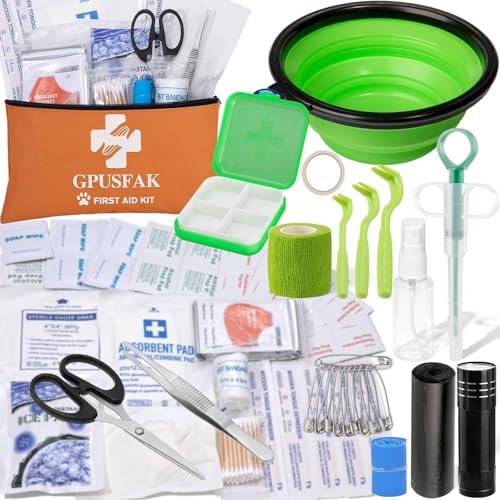
As the Best Friends Animal Society advises, a well-stocked first aid kit is critical for pet emergency preparedness. Having the right dog first aid supplies can significantly impact your pet’s health in emergencies.
Must-Have Items for Your First Aid Kit
Creating a thorough first aid kit for your dog requires several essential items. These items are vital for addressing minor injuries and preventing more severe conditions.
- Bandages and Wound Care: Include a variety of bandages, gauze pads, and rolls to cover different types of wounds.
- Antiseptic Wipes and Sprays: Use antiseptic wipes or sprays to clean wounds and prevent infection.
- Tweezers and Scissors: Tweezers are useful for removing splinters or ticks, while scissors can be used to cut bandages or clothing.
- Medical Tape: Secure bandages or dressings in place with medical tape.
- First Aid Guide: Include a first aid guide specific to dogs to help you through emergency procedures.

Recommended Brands and Products
Choosing products for your dog’s first aid kit from reputable brands is essential. Quality and effectiveness are key. Here are some recommended products:
| Product | Brand | Description |
|---|---|---|
| Antiseptic Wipes | PetsFirst | Effective against a broad spectrum of bacteria and viruses. |
| Gauze Pads | MedVet | Highly absorbent and suitable for various wound sizes. |
| First Aid Guide | ASPCA | A detailed guide to dog first aid, covering common emergencies. |
By stocking your first aid kit with these essentials and recommended products, you’ll be better equipped to handle emergencies. This ensures your dog receives the care they need.
Assessing Your Dog’s Condition
Assessing your dog’s condition promptly is essential for providing the right first aid response. During a dog health emergency, every minute counts. Understanding the severity of your dog’s condition can significantly impact the outcome.
Signs of Distress to Look For
Dogs often exhibit specific behaviors when they are in distress. Recognizing these signs early can help you take appropriate action. Common indicators include:
- Vomiting or diarrhea
- Lethargy or depression
- Loss of appetite
- Difficulty breathing
- Unusual vocalization
According to the American Society for the Prevention of Cruelty to Animals (ASPCA), monitoring these signs can help you identify when your dog needs immediate care.

How to Check Vital Signs
Checking your dog’s vital signs is a critical step in assessing their condition. The three main vital signs to check are:
- Respiratory Rate: Count the number of breaths your dog takes in one minute. A normal rate is between 10 to 30 breaths per minute.
- Heart Rate: Feel your dog’s pulse by placing your fingers on their femoral artery, located on the inner thigh. A normal heart rate ranges from 70 to 120 beats per minute.
- Capillary Refill Time (CRT): Press on your dog’s gum until it turns white, then release. The gum should return to its normal color within two seconds.
These checks can provide valuable information about your dog’s health status during an emergency.
When to Seek Professional Help
Knowing when to seek emergency veterinary care for dogs is critical. If your dog exhibits severe symptoms such as:
- Severe bleeding
- Seizures
- Broken bones
- Severe burns
- Difficulty breathing
you should seek immediate veterinary attention. Organizations like Save-A-Pet USA stress the importance of timely veterinary care, as delays can worsen outcomes.
In conclusion, assessing your dog’s condition during an emergency involves recognizing signs of distress, checking vital signs, and knowing when to seek professional help. By being informed and prepared, you can make a significant difference in your dog’s health outcome.

- PREPARED HERO PEACE OF MIND – Pets are pets. They get into things, especially when you’re not looking. Be ready when you…
- GET THE RIGHT AMOUNT FOR YOUR PET – One tube covers dogs & cats up to 30 lbs. Dog weighs 31-60 lbs? Get 2 tubes. Dog wei…
- BROAD SPECTRUM ABSORPTION – PawMergency absorbs most common household items such as chocolate, grapes, raisins, onions, …
Managing Cuts and Scrapes
Minor cuts and scrapes are common in dogs, and with the right care, you can help prevent infection and promote healing. As a dog owner, it’s essential to understand the basics of first aid for these minor injuries.
Cleaning Wounds Effectively
Cleaning your dog’s wound is the first step in preventing infection. According to the ASPCA, it’s essential to flush the wound with cool or lukewarm water to remove debris. Avoid using harsh soap or other cleansers that can irritate the wound. Instead, use a mild soap or a saline solution. Gently pat the area dry with a clean towel.
It’s also important to examine the wound closely to determine its severity. If the cut is deep, large, or won’t stop bleeding, seek veterinary care immediately.
Applying Dressings
After cleaning the wound, apply a dressing to protect it from further irritation and infection. Use a non-stick dressing or bandage to cover the wound. Secure the dressing with medical tape, but avoid wrapping it too tightly, which can cut off circulation.
“Proper wound care is critical for preventing infection and promoting healing. Keeping the wound clean and dressed is a simple yet effective way to care for your dog’s minor injuries.”
Preventing Infection
Monitoring your dog’s wound for signs of infection is vital. Look for redness, swelling, increased pain, or discharge. If you notice any of these symptoms, consult your veterinarian. Keeping the wound clean and dressed will significantly reduce the risk of infection.
| Signs of Infection | Action to Take |
|---|---|
| Redness, Swelling | Monitor closely, consult vet if worsens |
| Increased Pain | Consult veterinarian |
| Discharge or Pus | Seek veterinary care immediately |
By following these steps and staying vigilant, you can help your dog recover from minor cuts and scrapes and prevent more serious complications.
Dealing with Burns and Scalds
Understanding the response to burns and scalds is critical for dog owners to prevent further injury. Burns and scalds are painful and dangerous for dogs, necessitating immediate action to minimize damage.
Types of Burns in Dogs
Dogs can suffer from various burns, including thermal, chemical, and electrical burns. Thermal burns are the most common, caused by hot surfaces, liquids, or flames. Chemical burns result from exposure to caustic substances, while electrical burns occur from contact with live electrical sources.
Thermal Burns: These are caused by hot surfaces or liquids and are the most common type of burn. Immediate cooling of the burn is essential to reduce the severity.
Chemical Burns: These occur when a dog comes into contact with caustic substances. It’s critical to identify the substance and rinse the area thoroughly.
First Aid for Burn Injuries
Administering first aid for burn injuries requires care and caution. The primary goal is to cool the burn and prevent infection.
- For thermal burns, immediately cool the area with cool (not cold) water for at least 10 minutes.
- For chemical burns, rinse the affected area with plenty of water to remove the chemical residue.
- Cover the burn with a non-stick, sterile dressing to protect it from infection.
As emphasized by the American Society for the Prevention of Cruelty to Animals (ASPCA), “Burns can be very painful and potentially serious, so it’s critical to seek veterinary care immediately after providing initial first aid.”
The key to managing burns effectively is prompt action and proper care. Dog owners should be prepared to respond quickly and appropriately.”
After providing first aid, it’s essential to monitor your dog’s condition closely and seek veterinary care as soon as possible. Burns can lead to complications, such as infection, and professional medical attention can significantly improve outcomes.
Handling Allergic Reactions
As a responsible dog owner, it is imperative to be well-versed in canine first aid for allergic reactions. These reactions can vary from mild to severe, necessitating prompt and accurate identification and response. Understanding how to manage these emergencies is critical for your pet’s health and safety.
Identifying Allergens
The initial step in managing allergic reactions involves identifying the allergens. Common culprits include certain foods, insect bites, and environmental factors such as pollen or dust mites. The American Pet Products Association (APPA) emphasizes the importance of vigilance due to the prevalence of allergies in pets.
- Foods: Beef, dairy, wheat, and soy are common culprits.
- Insect bites: Mosquito bites and bee stings can cause reactions.
- Environmental factors: Pollen, dust mites, and mold can trigger allergies.
Recognizing the signs of an allergic reaction is critical. Symptoms include itching, swelling, hives, and, in severe cases, difficulty breathing. If you suspect your dog is experiencing an allergic reaction, it is vital to remain calm and act swiftly.
Administering Antihistamines Safely
In cases of allergic reactions, antihistamines may be recommended. It is, though, essential to consult with a veterinarian before administering any medication. The American Society for the Prevention of Cruelty to Animals (ASPCA) provides guidance on the safe use of antihistamines for pets.
When administering antihistamines, adhere to these guidelines:

- Consult your veterinarian for the correct dosage and type of antihistamine.
- Monitor your dog for any adverse reactions to the medication.
- Keep a record of the dosage and time administered.
By being prepared and knowledgeable about handling allergic reactions, you can provide effective pet emergency care. This ensures your dog’s safety and well-being.
Responding to Choking Emergencies
When your dog chokes, every second is critical. Knowing how to respond can be the difference between life and death. Choking occurs when your dog’s airway is obstructed by an object, food, or other material.
Signs of Choking
Recognizing choking signs is essential for timely intervention. Common indicators include:
- Gagging or coughing
- Pawing at the mouth or throat
- Difficulty breathing or making choking sounds
- Blue-tinged gums or tongue (cyanosis)
- Collapse or loss of consciousness
First Aid Techniques for Choking
If your dog is choking, quick and careful action is necessary. Follow these steps:
- Stay Calm: Panicking can lead to poor decision-making. Remain calm to ensure you can help your dog effectively.
- Check the Mouth: Carefully inspect your dog’s mouth to see if the object is visible and easily removable.
- Remove the Object: If the object is visible and accessible, carefully try to remove it. Be cautious not to push it further into the throat.
- Perform the Heimlich Maneuver: For larger dogs, standing behind them and applying a quick upward thrust to the abdomen, just below the ribcage, can help dislodge the object. For smaller dogs, you can do this by holding them and applying the thrust.
The following table summarizes the key steps and considerations for responding to choking emergencies in dogs:
| Signs of Choking | First Aid Steps | Important Considerations |
|---|---|---|
| Gagging, coughing, pawing at mouth | Check mouth, remove object if visible | Stay calm, act quickly |
| Difficulty breathing, choking sounds | Perform Heimlich Maneuver | Be cautious not to push object further |
| Collapse, loss of consciousness | Seek immediate veterinary care | Monitor for signs of distress or complications |
According to the Best Friends Animal Society, knowing first aid techniques for choking can significantly improve outcomes in such emergencies. It’s vital for dog owners to be prepared and educated on how to handle such situations effectively.
Managing Poisoning or Toxic Ingestion
Dogs are naturally curious, often ingesting substances that can be harmful. As a responsible owner, it’s vital to recognize the common household toxins that can endanger your pet’s health.
Common Household Toxins
Many items in your home can be toxic to dogs. The ASPCA lists several common household toxins, including:
- Chocolate: Contains theobromine, which can be toxic to dogs.
- Xylitol: A sugar substitute found in sugar-free gum, candy, and baked goods.
- Medications: Human medications, including acetaminophen and ibuprofen, can be harmful.
- Cleaning Supplies: Many cleaning products contain chemicals that are toxic if ingested.
- Plants: Certain plants like lilies and sago palms are toxic to dogs.
What to Do if You Suspect Poisoning
If you suspect your dog has ingested something toxic, immediate action is necessary. Follow these steps:
- Remain Calm: Panicking can lead to poor decision-making. Stay calm to ensure you take the right steps.
- Identify the Toxin: If possible, identify what your dog has ingested and the amount.
- Contact a Veterinarian or Pet Poison Hotline: Reach out to your veterinarian or a pet poison hotline, such as the ASPCA’s Animal Poison Control Center (APCC), for guidance.
- Follow Advice: Follow the advice given by the professional you contact. This may include inducing vomiting or administering activated charcoal.
- Seek Emergency Veterinary Care: If advised, take your dog to the nearest veterinary clinic for emergency care.
In cases of poisoning, time is of the essence. Prompt action can significantly improve your dog’s chances of recovery. Always keep the contact information for your veterinarian and a pet poison hotline handy.
For more information on dog health emergencies and emergency veterinary care for dogs, consider visiting reputable sources like the ASPCA or the American Pet Products Association (APPA) for guidance and resources.
Recognizing and Treating Heatstroke

For dog owners, grasping the essence of heatstroke and its manifestations is imperative, ensuring the well-being of their pets amidst the warmth. Heatstroke, or hyperthermia, arises when a dog’s thermoregulatory mechanisms fail, leading to an alarming elevation in body temperature.
Causes and Symptoms
Several elements can precipitate heatstroke in canines, including being confined in a sweltering vehicle, engaging in strenuous activities under scorching conditions, or being subjected to direct sunlight without sufficient shade or hydration. Signs indicative of this condition include profuse panting, drooling, agitation, and, in extreme cases, collapse or seizures.
Save-A-Pet USA stresses the criticality of early detection of these symptoms to avert severe consequences. The American Society for the Prevention of Cruelty to Animals (ASPCA) also underlines the necessity of vigilant monitoring of your dog’s health during periods of elevated temperatures.
Cooling Methods for Your Dog
Upon suspicion of heatstroke in your dog, prompt intervention is essential. The initial step involves relocating your dog to a cooler environment. Subsequently, employ various cooling strategies, such as furnishing cool water for consumption or employing a wet towel to cool the body.
Effective Cooling Techniques:
- Utilize cool (not cold) water to circumvent the risk of shock.
- Apply cool water to the dog’s neck, armpits, and groin area.
- Provide a cool, shaded area for your dog to rest.
- Avoid using ice packs directly on the dog’s skin.
Being cognizant of risk factors and implementing preventive measures is also beneficial. Certain breeds, such as those with dense coats or brachycephalic varieties, are inherently more vulnerable to heatstroke.
| Risk Factors | Preventive Measures |
|---|---|
| Thick-coated breeds | Regular grooming to reduce coat thickness |
| Brachycephalic breeds | Avoid exercising in hot weather |
| Older dogs or dogs with health conditions | Limit exposure to heat, provide cool resting areas |
By comprehending the causes, identifying symptoms, and mastering heatstroke treatment, dog owners can significantly diminish the risk of this potentially fatal condition. For further insights into dog first aid basics and canine first aid tips, consulting resources like the American Pet Products Association (APPA) or the Best Friends Animal Society is advisable.
Addressing Common Injuries
Understanding how to manage common dog injuries is critical for their recovery and overall health. Dogs, being naturally active, are susceptible to various injuries, from minor sprains to severe fractures. As a responsible dog owner, grasping the basics of first aid for these injuries is essential. This ensures your pet receives the best care possible.
Sprains and Strains
Sprains and strains are prevalent in dogs, often caused by physical activities or accidents. A sprain involves a stretched or torn ligament, while a strain is a pulled or torn muscle. Recognizing the signs is vital: look for limping, swelling, or pain when touching the affected area.
To manage sprains and strains, apply the RICE principle: Rest, Ice, Compression, and Elevation. Provide a quiet space for your dog to rest. Use an ice pack wrapped in a towel for 10-15 minutes, several times a day. A compression bandage can help reduce swelling, but it should not be too tight. Elevating the injured limb above the heart is also beneficial.
Fractures and Broken Bones
Fractures or broken bones are severe injuries requiring immediate veterinary attention. Signs include intense pain, swelling, deformity, or an inability to move the affected limb. If you suspect a fracture, it’s critical to keep your dog as calm and as immobile as possible to prevent further injury.
For initial care, immobilize the affected area using a splint or a makeshift one from a piece of wood or a rolled-up newspaper. Be cautious not to cause more harm. Do not attempt to move or realign the bone; this should be done by a veterinarian. Seek veterinary care immediately, as fractures can lead to complications if not properly treated.
Understanding how to address common injuries such as sprains, strains, fractures, and broken bones is vital for dog owners. By knowing the appropriate first aid techniques, you can provide your dog with the care they need until professional veterinary help is available.
Understanding CPR for Dogs
Cardiopulmonary resuscitation (CPR) is a critical skill for dog owners to master, essential for responding to cardiac emergencies. The Best Friends Animal Society emphasizes the importance of CPR training for pet owners, highlighting its role in saving lives in critical situations.
Basics of Canine CPR
Canine CPR is a specialized version of human CPR, designed to meet the unique needs of dogs. It combines chest compressions and rescue breaths to ensure blood circulation and oxygenation to vital organs. This is until veterinary care can be secured.
Key Components of Canine CPR:
- Chest Compressions: These are vital for circulating blood throughout the body.
- Rescue Breaths: They provide oxygen to the lungs.
- Assessment: Regularly checking the dog’s airway, breathing, and circulation (ABCs) is essential.
Step-by-Step CPR Guide
Executing CPR on a dog necessitates precision and care. Below is a step-by-step guide:
- Check the Dog’s ABCs: Ensure the airway is clear, verify breathing, and assess for a pulse.
- Start Chest Compressions: For small dogs, use one hand to compress the chest. For larger dogs, employ both hands.
- Provide Rescue Breaths: After 30 compressions, administer two breaths by sealing the dog’s nose and mouth and blowing air into the lungs.
- Continue CPR: Alternate between compressions and breaths until veterinary assistance is available.
It is imperative for dog owners to acquire CPR skills through hands-on training. This ensures readiness in emergency situations. Resources from organizations like the American Society for the Prevention of Cruelty to Animals (ASPCA) and the American Pet Products Association (APPA) offer invaluable guidance.
By grasping and applying canine CPR, dog owners can significantly enhance their pet’s survival chances during cardiac emergencies.
Keeping Your Dog Calm During Emergencies
Canine first aid transcends mere injury treatment; it encompasses maintaining your dog’s composure. Emergencies can be profoundly distressing for dogs, potentially worsening their condition. The American Society for the Prevention of Cruelty to Animals (ASPCA) stresses the critical role of a calm demeanor in mitigating canine stress during crises.


Techniques to Reduce Stress
Several methods can alleviate your dog’s stress during emergencies. Initially, it’s imperative to communicate with your dog in a soft, gentle tone. Loud sounds should be avoided, as they can intensify the situation. Gentle caresses or strokes can be calming, provided your dog is receptive to touch during stressful periods.
Establishing a serene environment is equally important. This entails relocating to a quieter space, away from the commotion. At home, consider dimming the lights or playing soothing music. The objective is to reduce stimuli that could heighten your dog’s anxiety.
Importance of a Calm Presence
Your serene demeanor is essential in managing your dog’s stress levels. Dogs are acutely sensitive to their owner’s emotional state, picking up on anxiety or panic. By staying calm, you can instill a sense of security in your dog. This doesn’t require suppressing your emotions but managing them to prevent transferring anxiety to your pet.
A composed owner is more adept at delivering effective first aid and making sound decisions during emergencies. The ASPCA highlights that a calm, composed presence can greatly influence your dog’s ability to remain tranquil, ultimately improving the emergency’s outcome.
By integrating these strategies with a calm demeanor, you can effectively diminish your dog’s stress during emergencies. This facilitates the administration of canine first aid tips and the management of dog health crises.
Preparing for Pet Emergencies
Emergencies can strike at any moment, necessitating swift and effective care for your dog. A well-prepared plan, coupled with essential supplies, is vital for handling common emergencies.
Creating a Dog Emergency Plan
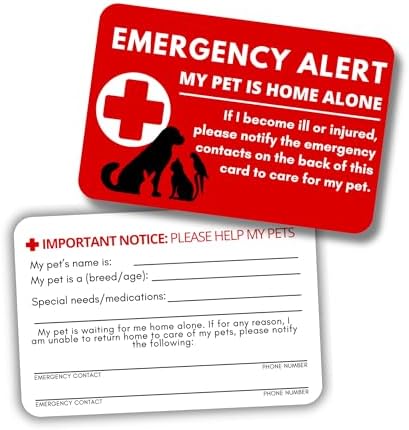
Developing a dog emergency plan is imperative. It should detail the nearest veterinary clinic’s location, list emergency contact numbers, and outline a rapid route to the vet. A pet first aid kit, equipped with dog first aid supplies like bandages and antiseptic wipes, is also critical. Include any medications your dog may require.
Organizations such as the American Society for the Prevention of Cruelty to Animals (ASPCA) underscore the importance of such a plan. It significantly enhances your ability to respond to emergencies. When crafting your plan, consider the following:
- Identify the nearest 24-hour veterinary clinic and keep their contact information handy.
- Compile a list of emergency contacts, including your regular vet and a nearby friend or family member.
- Prepare a pet emergency kit with essential supplies.
Importance of Regular Vet Visits
Regular veterinary visits are indispensable for your dog’s health and emergency prevention. These visits facilitate early health issue detection and ensure your dog’s vaccinations and preventatives are current.
The American Pet Products Association (APPA) highlights the significance of regular veterinary care in maintaining pet health. Regular check-ups can preempt emergencies, alleviating stress and potentially averting life-threatening situations for both you and your dog.
| Emergency Preparedness Measure | Description | Benefit |
|---|---|---|
| Having a Pet First Aid Kit | Stocked with dog first aid supplies like bandages and antiseptic wipes. | Immediate care for minor injuries. |
| Regular Vet Visits | Regular check-ups and vaccinations. | Early detection of health issues. |
| Emergency Contact List | List of emergency vet contacts and nearby helpers. | Quick response in emergencies. |
Educating Yourself and Your Family
Acquiring knowledge on dog first aid is essential for safeguarding your pet’s well-being. As a dog owner, being ready for emergencies can drastically alter outcomes. This readiness is a cornerstone of responsible pet care.
Resources for Learning Dog First Aid
Abundant resources exist for dog owners to grasp dog first aid fundamentals and canine first aid tips. The American Society for the Prevention of Cruelty to Animals (ASPCA) and the American Pet Products Association (APPA) advocate for first aid training and education. These organizations stress the significance of equipping oneself with the necessary skills.
- Online courses and tutorials
- First aid manuals and guides
- Workshops and training sessions
These resources offer detailed insights into managing various emergencies, ranging from minor injuries to critical situations. They are invaluable for pet owners seeking to enhance their care capabilities.
Importance of Training for Dog Owners
Training is imperative for dog owners, as it equips them to act swiftly and correctly in emergencies. The ASPCA and APPA underscore the critical role of education in pet care. This knowledge empowers owners to administer immediate care when emergencies arise.
| Training Benefits | Description |
|---|---|
| Enhanced Knowledge | Understanding dog first aid basics and canine first aid tips |
| Quick Response | Ability to respond promptly and effectively in emergencies |
| Family Preparedness | Ensuring all family members are informed and prepared |
By dedicating time to learning dog first aid, owners can markedly enhance their dog’s survival chances in emergencies. This proactive approach is a testament to the owner’s commitment to their pet’s health and well-being.
When to Call a Veterinarian
In the face of a dog health emergency, recognizing the need for immediate veterinary care is critical. As a dog owner, your ability to identify critical situations can greatly influence your pet’s outcome.
Situations That Require Immediate Attention
Certain conditions demand immediate veterinary intervention. Save-A-Pet USA highlights severe injuries, difficulty breathing, and poisoning signs as critical. If your dog displays symptoms such as severe bleeding, breathing difficulties, or signs of poisoning, swift action is imperative.
- Severe bleeding or trauma
- Difficulty breathing or rapid breathing
- Signs of pain or distress
- Vomiting or diarrhea that is severe or bloody
- Ingestion of toxic substances
Identifying these signs promptly can be the difference between life and death. The American Society for the Prevention of Cruelty to Animals (ASPCA) stresses the importance of immediate action in emergencies.
Making the Call: What to Expect
When you decide to contact a veterinarian, preparation can streamline the process. Ensure you have the following information at hand:
- Your dog’s symptoms and history
- Any recent changes in behavior or appetite
- Details of any substances ingested
- Your location and the nearest veterinary clinic
“Remaining calm and providing clear information to the veterinarian can ensure your dog receives optimal care.”
The veterinary team will direct you on the next steps during the call. This could involve bringing your dog in for an immediate visit or administering first aid at home.


Conclusion:
Gaining practical knowledge in dog first aid is essential to protecting your pet’s health and well-being. Recognizing warning signs, keeping a well-stocked first aid kit, and knowing how to respond in emergencies can make a critical difference when every second counts.
Throughout this article, we’ve covered the core principles of assessing your dog’s condition, handling common injuries, and responding to urgent situations such as choking or poisoning. These foundational skills allow you to act quickly, calmly, and effectively.
Continuing your education strengthens this preparedness. Reputable organizations like the American Society for the Prevention of Cruelty to Animals (ASPCA), the American Pet Products Association (APPA), and Best Friends Animal Society offer trusted guidance and training resources to help pet owners stay informed and confident.
By investing in ongoing learning, you not only improve your ability to handle emergencies but also reinforce the safety, trust, and long-term well-being that define a strong bond with your dog.
FAQ
What are the most essential items to include in a dog first aid kit?
How can I identify if my dog is in pain or distress?
What should I do if I suspect my dog has ingested something toxic?
How do I administer first aid for a dog with a cut or scrape?
What are the signs of heatstroke in dogs, and how can I treat it?
Can I give my dog antihistamines for an allergic reaction?
How do I perform CPR on my dog?
What should I do if my dog is choking?
How often should I check my dog’s vital signs during an emergency?
Why is it important to stay calm during a pet emergency?

References:
This article was created based on information from the following authoritative sources: American Society for the Prevention of Cruelty to Animals (ASPCA) and American Veterinary Medical Association