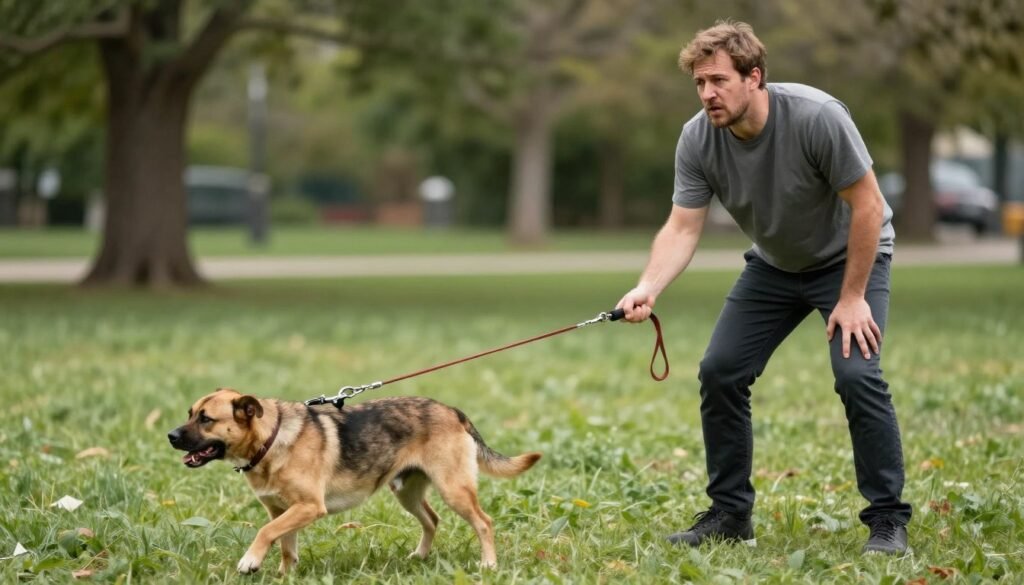
Did you know nearly one in four pet owners face a sudden digestive emergency with their pet each year? Seeing your pet struggle is stressful. But staying calm is the first step toward effective care. This dog health guide will help you navigate these scary moments with confidence.
Not every upset stomach needs an emergency clinic visit. But knowing the dog vomiting causes is key for your pet’s health. By learning to tell apart a minor upset from a serious issue, you can better care for your pet.
Your vigilance is the most powerful tool in your veterinary toolkit. Let’s explore how to spot warning signs and keep your companion safe.
Key Takeaways
- Recognize that not all stomach issues require urgent veterinary intervention.
- Learn to identify the difference between mild indigestion and life-threatening emergencies.
- Understand the importance of monitoring frequency and appearance of waste.
- Discover how dietary habits often trigger common digestive distress.
- Prioritize your pet’s safety by knowing when to seek professional help immediately.
Understanding the Physiology of Canine Vomiting
Vomiting is a complex reflex that protects your pet. When your dog faces canine health issues, their body may vomit to get rid of harmful substances. This involves the stomach and muscles working together to push out contents.
“The stomach is a highly sensitive organ that acts as the first line of defense against ingested toxins, making it a frequent site of distress for our canine companions.”
The Difference Between Vomiting and Regurgitation
It’s important to know the difference between vomiting and regurgitation. Vomiting is an active process with retching and effort. Your dog will look distressed before vomiting.
Regurgitation, on the other hand, is passive. It happens without warning and involves undigested food. Knowing this helps you tell your vet what’s happening.
Why Dogs Are Prone to Stomach Upset
Dogs are prone to stomach upset for many reasons. They are natural scavengers with a sensitive digestive system. Their anatomy lets them eat a lot quickly, which can be hard on their stomach.
Also, pet digestive issues can come from how their stomach reacts to irritants. Keeping an eye on their environment and diet is key. Understanding these issues helps you manage dog stomach upset and know when to get help.
Common Dog Vomiting Causes
Many things can cause pet digestive issues, from small diet mistakes to serious health problems. Knowing what makes dogs vomit is key to helping them feel better. Watching your pet closely can help you figure out if it’s just a minor issue or something more serious.
Acute Versus Chronic Vomiting
Vets often look at vomiting in dogs in two ways: acute and chronic. Acute vomiting happens suddenly and usually goes away quickly. It’s often caused by eating something bad or a sudden diet change.
Chronic vomiting lasts longer, sometimes for weeks or months. This suggests a bigger problem, like a disease or metabolic issue. Knowing how often and how long your dog vomits is very important for a vet to diagnose correctly.
| Feature | Acute Vomiting | Chronic Vomiting |
|---|---|---|
| Onset | Sudden and rapid | Gradual or recurring |
| Duration | Short-term (1-2 days) | Long-term (weeks/months) |
| Common Triggers | Dietary indiscretion | Systemic disease |
| Urgency | Usually self-limiting | Requires medical testing |
Canine Parvovirus
Canine Parvovirus is a very dangerous virus in veterinary medicine. It’s a significant threat to young, unvaccinated dogs in the United States. It spreads quickly through contact with contaminated places or infected dogs.
How Parvo Affects the Digestive Tract
The virus attacks cells that grow fast, found mainly in the digestive tract. It destroys these cells, causing severe inflammation and damage.
This damage stops the puppy from getting the nutrients and fluids it needs. As a result, the puppy has debilitating vomiting and bloody diarrhea. This can lead to severe dehydration.
Recognizing Early Symptoms in Puppies
It’s crucial to spot dog sickness symptoms early. Look for sudden tiredness, no appetite, and persistent vomiting.
If your puppy has severe diarrhea with a bad smell, get help right away. The condition can get worse fast, from mild to critical in hours.
The Importance of Vaccination
The best way to prevent dog illness is through vaccination. Vaccines help your puppy fight off the virus before it takes hold.
Make sure your pet gets all the core vaccinations. This keeps them safe from this devastating and preventable disease.
Intestinal Parasites
Keeping your dog healthy means fighting internal parasites. These tiny enemies hide in the environment, waiting to infect your pet. Once inside, they can upset your dog’s stomach and cause discomfort.
Common Worms That Trigger Vomiting
Intestinal worms are a big problem for dogs. Roundworms and hookworms are the most common ones found in vet clinics in the U.S.
- Roundworms: These worms look like spaghetti and can make puppies vomit.
- Hookworms: They attach to the stomach wall, causing blood loss and irritation.
- Tapeworms: While less common, they still upset the stomach.
How Parasites Irritate the Stomach Lining
Parasites harm your dog by attaching to the stomach lining. This irritation makes your dog want to vomit often.
These parasites also steal important nutrients from your dog. This can lead to weight loss, a dull coat, and a weak immune system. To stop this, it’s crucial to prevent illness in dogs.
Preventative Measures and Deworming Schedules
Keeping your pet safe from parasites requires consistency. Work with your vet to create a deworming plan that fits your dog’s needs and lifestyle.
| Parasite Type | Primary Symptom | Prevention Method |
|---|---|---|
| Roundworms | Vomiting/Bloating | Monthly Preventative |
| Hookworms | Diarrhea/Vomiting | Sanitation/Medication |
| Tapeworms | Weight Loss | Flea Control |
Regular fecal exams are key to preventing illness in dogs. Early detection helps keep your pet healthy and happy. Always follow your vet’s advice to keep your dog well and safe from parasites.
Gastritis
Many pet owners face the challenge of sudden stomach inflammation in their dogs. This is called gastritis. It happens when the stomach’s protective lining gets irritated or inflamed.
Causes of Stomach Inflammation
Gastritis often comes from dogs eating things that upset their stomach. Common culprits include spoiled or garbage food, chemical irritants, or bacterial infections.
These items upset the stomach’s balance. This leads to acute vomiting as the body tries to get rid of the harmful stuff fast.
Identifying Signs of Acute Gastritis
Spotting symptoms early is key to helping your pet. Look for signs like restlessness or a hunched posture, which can mean abdominal pain.
The biggest sign is sudden acute vomiting without warning. If your dog seems tired or won’t eat, it’s a sign the stomach is really upset.
When to Seek Veterinary Intervention
It’s important to know when to see a vet for your dog’s health. If vomiting lasts more than 24 hours or if there’s blood, call your vet right away.
Also, seek vet help if your dog seems very dehydrated or weak. Always check with a vet if you’re not sure about your dog’s condition.
Dietary Indiscretion
When your curious pup decides to snack on something questionable, the result is often an upset stomach. This behavior, known as dietary indiscretion, occurs when dogs consume items that are not part of their regular, healthy diet. Understanding these habits is essential for maintaining proper dog nutrition and preventing unnecessary illness.
The Dangers of Garbage and Fatty Foods
Many dogs are natural scavengers, but eating garbage can lead to severe gastrointestinal distress. Rotting food often contains harmful bacteria like Salmonella or E. coli, which trigger rapid vomiting. High-fat table scraps can cause inflammation of the pancreas, a painful condition that requires immediate veterinary attention.
The most common cause of acute vomiting in dogs is the ingestion of something they shouldn’t have eaten, ranging from spoiled leftovers to household trash.
Foreign Object Ingestion Risks
Beyond food, dogs often swallow indigestible items like socks, rocks, or small toy parts. These objects can cause a physical blockage in the digestive tract, which is a life-threatening emergency. If your dog vomits repeatedly after playing with small items, you must act quickly to ensure their pet safety.
| Scavenged Item | Primary Risk | Severity Level |
|---|---|---|
| Fatty Table Scraps | Pancreatitis | High |
| Rotten Garbage | Bacterial Infection | Moderate |
| Plastic/Fabric | Intestinal Blockage | Critical |
Managing Your Dog’s Access to Unsafe Items
Effective dog care tips focus on controlling your dog’s environment to prevent access to hazards. Always use secure, locking trash cans to keep garbage out of reach. Supervise your pet during playtime and remove any toys that show signs of wear or breakage.
Consistent training is another pillar of pet safety. Teaching your dog the “leave it” command can save them from consuming dangerous items during walks. By prioritizing high-quality dog nutrition and vigilant supervision, you provide the best dog care tips to keep your companion healthy and happy.
Kidney Disease
When your dog’s kidneys can’t filter waste, toxins build up. This can cause serious health problems. These organs filter out bad stuff from the blood. If they fail, your pet may feel very sick.
Toxin Buildup and Nausea
Waste products can upset the stomach. This often leads to chronic vomiting. Your dog might look sick or not want to eat.
Toxins make your dog uncomfortable. It’s sad to see them suffer from illness. Spotting these signs early is key to helping them.
Chronic Kidney Disease in Senior Dogs
Older dogs often get chronic kidney disease. The kidneys slowly lose their function. Owners might not see the signs until it’s too late.
Monitoring Hydration and Appetite
Keeping your dog hydrated is crucial for their kidneys. Watch how much water they drink. Changes in thirst can mean kidney problems.
Also, check if your dog is eating well. If they lose interest in food or lose weight, see a vet. Early detection helps manage kidney disease and keeps your dog happy.
Liver Disease
Liver disease is a complex condition that often shows up as digestive issues in dogs. The liver is the body’s main filter. Any drop in its function can cause illness and repeated vomiting. It’s crucial to watch for these signs early to avoid serious problems.
How Liver Dysfunction Impacts Digestion
The liver helps break down nutrients, filters toxins, and makes bile for fat digestion. If it can’t do these jobs, digestion problems arise. This can make your dog feel tired and lose their appetite.
Recognizing Jaundice and Other Indicators
Jaundice is a clear sign of liver trouble. You might see a yellowish tint on your dog’s skin, gums, or eyes. Other signs include drinking more water, going to the bathroom more, and a swollen belly.
Long-term Management Strategies
Managing liver disease needs a close partnership with your vet for pet safety. Treatment often includes special diets and regular blood tests. These help keep the liver healthy. Consistency is key in helping a dog with chronic liver issues.
Stress and Anxiety
It’s important to understand how your dog’s mood affects their stomach. Sometimes, emotional turmoil can harm their digestive system as much as bad food. When dogs feel stressed, they can get a sudden dog stomach upset that worries owners.
Environmental Triggers for Stomach Upset
Many things in your home can stress out your dog. Loud noises, like thunderstorms or fireworks, can upset their digestion. Even small changes, like moving furniture or having a new guest, can make them anxious and sometimes vomit.
Anxiety in dogs is not just a behavioral issue; it is a physiological state that affects every organ system, including the gastrointestinal tract.
To help, use dog care tips to make a safe space. A quiet, dark room during loud times can comfort your pet. Keeping a regular daily routine helps keep their digestion balanced.
Behavioral Signs of Canine Stress
Spotting stress signs early helps prevent physical problems. Look for pacing, panting without exercise, or hiding in small places. These signs show your pet is stressed.
The table below shows how stressors affect dogs:
| Stress Trigger | Behavioral Sign | Physical Reaction |
|---|---|---|
| Loud Noises | Excessive Panting | Nausea |
| New Environment | Pacing | Loss of Appetite |
| Separation | Whining | Occasional Vomiting |
By watching closely, you can use better dog care tips to calm your pet. If you see these signs, try calming pheromone diffusers or gentle play. Fixing the anxiety source is key to stopping dog stomach upset and keeping your pet happy and healthy.
Recognizing Emergency Warning Signs
Knowing the difference between a minor upset and a serious health issue is key for pet owners. Some digestive problems can fix themselves, but certain dog sickness symptoms mean your pet needs a vet. Being alert can help prevent serious problems.
When to Call Your Veterinarian Immediately
If your dog vomits a lot and is very tired or collapses, call a vet right away. If they can’t keep water down for hours, it’s time to act. Blood in vomit, a hard belly, and lots of pain are signs to see a vet.
“The bond between a person and their dog is a sacred trust, and protecting their health is the highest form of loyalty.”
Don’t wait if your dog eats something bad or a foreign object. Quick action can make a big difference. Always trust your gut if your pet acts strange.
The Danger of Dehydration
Keeping your dog hydrated is crucial for their health. Losing fluids fast can lead to dehydration. This is very dangerous for puppies, older dogs, and those with health problems.
To check for dehydration, gently pull the skin on your dog’s shoulders. If it doesn’t snap back fast or if their gums are dry, they need a vet. Keeping fluids balanced is key in treating any digestive issue.
Diagnostic Procedures at the Veterinary Clinic
Veterinarians use a detailed method to figure out why your dog is sick. When you get to the clinic, they focus on pet emergency care first. This is to help your dog if they seem very dehydrated or tired.
This first check helps the team get important info. Then, they can start more specific tests.
Physical Exams and Blood Work
The vet starts with a detailed physical check. They look at your dog’s hydration, belly tenderness, and heart rate. Next, they do blood tests to see how organs are working and if there’s infection or imbalance.
These tests give essential data to help find the cause of vomiting. By looking at blood counts and chemistry panels, the vet can tell if it’s a big problem or just a small issue. Getting dog medical advice from a pro is key to getting the right treatment.
Imaging Techniques for Internal Assessment
If blood tests don’t show what’s wrong, vets use special imaging. X-rays help find things like foreign objects, gas, or tumors in the gut. An ultrasound might be used to look at organs like the liver, kidneys, and stomach lining.
These tools are important for finding blockages or problems that need quick action. Here’s a table showing the main tools used:
| Diagnostic Tool | Primary Purpose | Key Benefit |
|---|---|---|
| Physical Exam | General health check | Identifies immediate distress |
| Blood Chemistry | Organ function analysis | Detects metabolic issues |
| Radiographs (X-rays) | Structural visualization | Locates foreign objects |
| Ultrasound | Soft tissue imaging | Evaluates organ health |
Home Care and When to Withhold Food
After getting the results from veterinary diagnostics, you can start caring for your dog at home. It’s important to give them the right care to help them get better from vomiting in dogs. Your vet might tell you to fast your dog for a bit. This lets their stomach lining rest before you start feeding them again.
Implementing a Bland Diet
After fasting, move your pet to a dog bland diet. This diet is gentle on their stomach and gives them the energy they need. A good mix is boiled, skinless chicken breast and plain white rice.
- Use a ratio of one part protein to two parts starch.
- Ensure the food is served at room temperature.
- Offer small, frequent meals rather than one large portion.
Don’t add any seasonings, oils, or fats to the mix. These can upset their stomach more and slow down healing. Consistency is key when feeding your pet during this time.
Monitoring Recovery Progress
Watch how your dog eats and their stool quality closely. They should start to feel better and want to eat more in a few days. If they keep vomiting, call your vet right away.
Keep a simple log of your pet’s progress to share with your vet if needed. Note the following indicators of recovery:
| Observation | Status | Action |
|---|---|---|
| Appetite | Returning | Continue bland diet |
| Energy | Increasing | Monitor activity |
| Stool | Firming | Gradual transition |
Once your dog is stable for 48 hours, you can start adding their regular food back in. Mix a little bit of their usual kibble with the bland food over a few days. Watch for any signs of recurrence during this time to make sure their stomach is fully healed.
Conclusion
Managing your pet’s digestive issues is all about watching closely and acting fast. Keeping your dog healthy starts with spotting the early signs they need a vet.
This guide helps you deal with common stomach problems in dogs. By watching for changes in behavior and appetite, you help your pet stay well.
For minor stomach issues, a bland diet can be a quick fix at home. But, if your dog’s symptoms don’t get better, it’s time to call the vet.
By keeping a close eye on your dog, you can improve their life a lot. Always be ready to call the vet if you notice any health problems.
FAQ
What is the main difference between vomiting and regurgitation in dogs?
How can I tell if my puppy’s vomiting is caused by Canine Parvovirus?
How do intestinal parasites like roundworms affect my dog’s health?
What is dietary indiscretion and how does it lead to stomach upset?
What are the clinical signs of kidney or liver disease in senior dogs?
Can stress or anxiety really cause my dog to vomit?
When should I consider dog vomiting a medical emergency?
What diagnostic procedures will my veterinarian use to find the cause of vomiting?
What is acute gastritis and how is it treated?
How should I manage my dog’s diet during recovery from vomiting?
References:
This article was created based on information from the following authoritative sources: American Society for the Prevention of Cruelty to Animals (ASPCA) and American Veterinary Medical Association