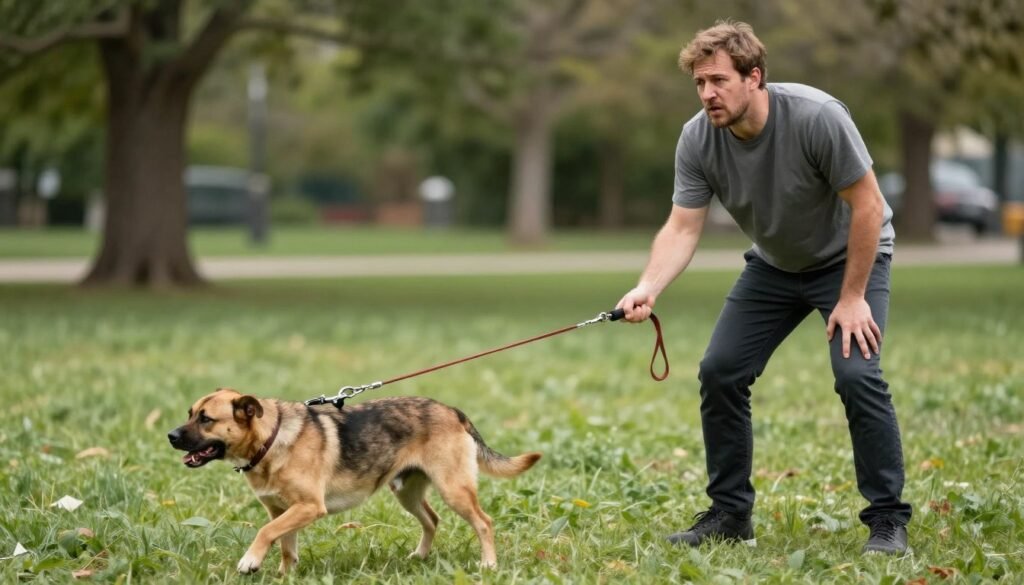
Adopting a new dog can profoundly alter one’s life, yet it introduces challenges, most prominently separation anxiety. The American Society for the Prevention of Cruelty to Animals (ASPCA) reports that millions of dogs are adopted annually, many struggling to adapt to their new environments.
Separation anxiety affects both the pet and the owner, causing significant distress. It is critical to tackle this issue to facilitate a seamless transition for the adopted pet. This article aims to shed light on managing separation anxiety, guiding you in creating a secure and welcoming space for your new companion.
Key Takeaways
- Understanding the causes of separation anxiety in newly adopted dogs
- Recognizing the signs and symptoms of separation anxiety
- Strategies for managing separation anxiety
- Creating a comfortable environment for your new pet
- Tips for a smooth transition for both you and your pet
Understanding Dog Anxiety: Key Concepts
For pet owners, grasping the essence of dog anxiety is imperative. It impacts a dog’s life quality and the bond shared with humans. Dog anxiety manifests in diverse ways, influencing both the pet’s well-being and the human-pet relationship.
What is Dog Anxiety?
Dog anxiety is a condition where dogs exhibit excessive fear, stress, or apprehension. This can be triggered by various stimuli or situations. Factors such as environmental changes, past traumas, or genetic predispositions play a role. The American Pet Products Association (APPA) emphasizes the importance of identifying the root cause for effective management.
Common Causes of Dog Anxiety
Dog anxiety can arise from multiple sources. Key causes include:
- Genetics: Certain breeds or individual dogs may be more susceptible to anxiety due to their genetic makeup.
- Environmental Factors: Changes in a dog’s environment, such as moving or introducing new pets or family members, can trigger anxiety.
- Past Experiences: Traumatic events or negative experiences can contribute to a dog’s anxiety.
The American Society for the Prevention of Cruelty to Animals (ASPCA) stresses the importance of identifying the specific cause of a dog’s anxiety. This is critical for implementing effective strategies to alleviate it.
Signs and Symptoms of Anxiety
Identifying the signs and symptoms of dog anxiety is essential for early intervention. Common indicators include:
- Destructive behavior, such as chewing furniture or digging.
- Vocalization, including barking or howling.
- Pacing or restlessness.
- Escape attempts or attempts to hide.
Training is a critical component in managing dog anxiety. Teaching dogs coping mechanisms and reinforcing calm behavior can significantly reduce anxiety levels. Organizations like Save-A-Pet USA and Best Friends Animal Society offer resources and guidance on training techniques to combat dog anxiety.
Recognizing Separation Anxiety in Dogs
Understanding the signs of separation anxiety is the first step towards helping your dog feel more secure. This common behavioral issue in dogs causes distress for both the dog and the owner. It’s a significant concern that impacts their well-being.
Differentiating Between Types of Anxiety
Dogs can experience various forms of anxiety, including separation anxiety, noise anxiety, and social anxiety. Separation anxiety refers to the distress a dog feels when left alone. It’s vital to differentiate between these types to provide the right support.
According to the Best Friends Animal Society, recognizing the specific type of anxiety your dog is experiencing is critical for effective intervention.
Typical Behaviors in Anxious Dogs
Dogs with separation anxiety often exhibit specific behaviors when left alone, such as:
- Destructive behavior, like chewing furniture or digging
- Excessive barking or howling
- Pacing or restlessness
- Escaping or attempting to escape
These behaviors are not just inconvenient; they are a sign of your dog’s distress.
When to Seek Professional Help
If your dog’s separation anxiety is severe or persistent, it’s essential to seek professional help. Organizations like the American Society for the Prevention of Cruelty to Animals (ASPCA) offer resources and guidance on finding the right professional.
A professional can help you develop a tailored plan to address your dog’s anxiety. This includes calming techniques and training strategies.
The Importance of Early Intervention
Addressing separation anxiety early is vital for your dog’s well-being. Early intervention can greatly enhance your dog’s ability to manage anxiety. It is a critical component of their care.
Impact of Delayed Action on Dog’s Well-being
Waiting too long to address separation anxiety can worsen symptoms and decrease your dog’s quality of life. Studies show that prolonged anxiety can lead to long-term behavioral problems and increased stress.
Consequences of delayed intervention may include:
- Increased destructive behavior
- Escalation of anxiety symptoms
- Development of secondary behavioral problems
Benefits of Early Training and Socialization
Early training and socialization are essential for managing separation anxiety. By exposing your dog to various environments, people, and animals, you can enhance their confidence and reduce anxiety.
“Socialization is key to helping your dog feel comfortable in new situations, reducing the likelihood of anxiety-related behaviors.” – American Society for the Prevention of Cruelty to Animals (ASPCA)
The benefits of early training and socialization include:
| Benefit | Description |
|---|---|
| Reduced Anxiety | Early exposure to various stimuli can reduce anxiety in new situations. |
| Increased Confidence | Socialization helps build confidence in dogs, making them less reactive to stressors. |
| Better Adaptability | Dogs that are socialized early tend to adapt better to new environments and situations. |
By focusing on early intervention, you can greatly improve your dog’s ability to handle separation anxiety. This leads to a happier, healthier pet.
Creating a Safe Space for Your Dog
A well-designed safe space can serve as a sanctuary for your dog, significantly reducing stress and anxiety. The ASPCA emphasizes the importance of creating a safe and comfortable environment for dogs to alleviate anxiety.
Designing a Comfortable Environment
Understanding your dog’s specific needs is critical in designing a comfortable environment. It involves providing a quiet retreat for your dog when they feel overwhelmed. The American Pet Products Association (APPA) highlights the significant impact a comfortable environment has on your dog’s well-being.
Key Elements of a Comfortable Environment:
- A quiet, cozy area for relaxation
- Familiar comforts such as favorite toys or blankets
- Adequate space for movement and exercise
Using Positive Reinforcement Techniques
Positive reinforcement is a potent tool in fostering your dog’s sense of security and confidence. By rewarding desired behaviors, you encourage your dog to link certain actions or environments with positive outcomes.
| Technique | Description | Benefit |
|---|---|---|
| Rewarding Calm Behavior | Give treats or praise when your dog is calm | Reduces anxiety and stress |
| Gradual Exposure | Gradually introduce your dog to the source of anxiety | Helps your dog become confident in new situations |
Establishing a routine is essential in instilling a sense of security in your dog. A consistent daily schedule can diminish uncertainty and anxiety.
“Consistency is key when it comes to establishing a routine that works for your dog.” – Best Friends Animal Society
Gradual Desensitization Strategies
Gradual desensitization is a potent technique for aiding dogs in overcoming separation anxiety. It involves incrementally increasing the time you spend away from your dog. This approach aids in their comfort with solitude.
Step-by-Step Approach to Leaving Your Dog Alone
To effectively employ gradual desensitization, adhere to a step-by-step methodology:
- Initiate by leaving your dog alone for brief intervals, such as 5-10 minutes.
- Progressively extend the duration over time, allowing your dog to acclimate.
- Observe your dog’s behavior and adjust the progression as necessary.
Practicing Short Departures
Short departures are essential in the gradual desensitization process. This entails:
- Departing the house or room without creating a commotion.
- Returning shortly, rewarding your dog for calm demeanor.
- Repeating this exercise to reassure your dog that your absence does not induce anxiety.
Consistency and patience are fundamental in gradual desensitization. It necessitates a prolonged training period and a deep understanding. By adhering to these guidelines and tailoring to your dog’s specific requirements, you can enhance their confidence when left alone.
Engaging Your Dog’s Mind
Keeping your dog mentally active is key to reducing separation anxiety. Mental stimulation is vital for dogs, as it keeps them engaged and lowers anxiety-related behaviors.
Organizations like Save-A-Pet USA recommend interactive toys and puzzle feeders for mental stimulation. These tools challenge your dog and give them a sense of accomplishment.
Interactive Toys and Puzzle Feeders
Interactive toys and puzzle feeders challenge your dog’s problem-solving skills. By filling puzzle feeders with treats, you encourage your dog to work for their food. This keeps them engaged for longer periods.
- Benefits of Interactive Toys: Reduces boredom and destructive behavior.
- Puzzle Feeders: Provides mental stimulation and slows down eating.
Mental Stimulation for Reducing Anxiety
Mental stimulation is a powerful tool against anxiety. Engaging your dog’s mind distracts them from stressors and provides calm.
Calming techniques, combined with mental stimulation, can significantly reduce separation anxiety. Tailoring these activities to your dog’s preferences and abilities is essential.
Physical Exercise: A Key Component
Regular physical exercise is a vital component in reducing dog anxiety, promoting both physical and mental health. The American Pet Products Association (APPA) stresses the significance of consistent exercise for dogs. It highlights the benefits for their physical and mental well-being.
Daily Exercise Routines for Your Dog
Creating a daily exercise routine is essential for managing dog anxiety. Activities such as walking, running, and playing fetch are beneficial. The goal is to select exercises that your dog finds enjoyable and helps in releasing their physical energy.
- Morning walks to start the day
- Playtime in the yard or park
- Interactive games like fetch or tug-of-war
Benefits of Outdoor Activities
Outdoor activities offer numerous advantages for dogs, including reduced anxiety and enhanced mental health. Being outdoors allows dogs to explore new environments, interact with various stimuli, and experience freedom.
| Outdoor Activity | Benefits |
|---|---|
| Walking | Reduces anxiety, improves cardiovascular health |
| Running | Expends energy, enhances mental stimulation |
| Playing Fetch | Promotes physical exercise, strengthens bond with owner |
Regular physical exercise is not only beneficial for a dog’s physical health but also plays a critical role in reducing anxiety. By integrating a variety of outdoor activities into their daily routine, dog owners can contribute to their pets’ happiness and well-being.
Utilizing Calming Products
Calming products have emerged as a vital resource for dog owners facing canine anxiety. These solutions span from anxiety wraps and vests to a variety of natural remedies. Each is crafted to ease stress and anxiety in dogs.
Overview of Anxiety Wraps and Vests
Anxiety wraps and vests are garments engineered to apply gentle pressure around a dog’s body. This can induce a calming effect. The underlying principle is deep pressure stimulation, a method proven to diminish anxiety in both humans and animals.
Key Features of Anxiety Wraps and Vests:
- Provide gentle, constant pressure
- Available in various sizes and styles
- Can be used in conjunction with other calming techniques
The efficacy of anxiety wraps and vests can differ among dogs. It’s critical to introduce these products gradually and in controlled settings. This allows for an accurate assessment of their impact on your dog.
Exploring Natural Remedies for Anxiety
Natural remedies present an alternative for managing dog anxiety. This category includes herbal supplements, pheromone diffusers, and calming treats.
| Remedy Type | Description | Potential Benefits |
|---|---|---|
| Herbal Supplements | Contain natural ingredients like chamomile or valerian root | Can promote relaxation and reduce anxiety |
| Pheromone Diffusers | Mimic calming pheromones mother dogs produce for their puppies | Can create a calming environment |
| Calming Treats | Often contain L-theanine or other calming ingredients | Can help reduce anxiety during stressful events |
Before adding any new supplements or remedies to your dog’s regimen, it’s imperative to consult with a veterinarian. They can provide guidance on the most suitable options and any possible interactions with existing treatments.
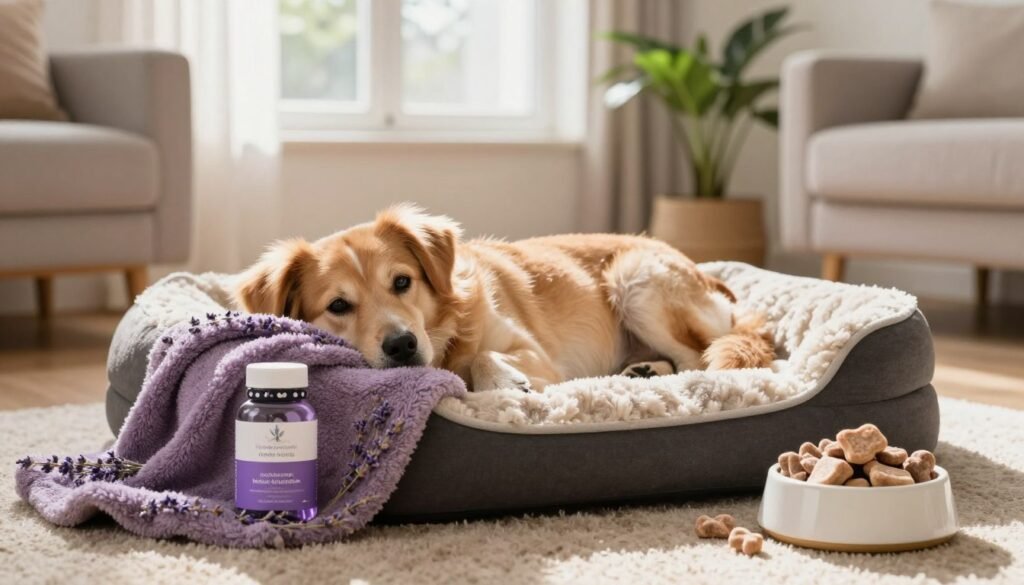
Exploring the array of calming products, from anxiety wraps to natural remedies, can help dog owners find effective solutions for their pet’s anxiety. Always seek professional advice to determine the most suitable approach for your dog’s specific needs.
Importance of Consistent Routine
Dogs benefit greatly from a predictable environment, making a consistent routine vital for their emotional health. A structured daily schedule can significantly reduce separation anxiety. It provides a sense of security and stability, essential for their well-being.
Establishing a Daily Schedule
Creating a daily routine involves setting regular times for feeding, exercise, play, and sleep. This predictability aids dogs in understanding their daily expectations, reducing uncertainty and anxiety.
- Feeding Times: Regular feeding times regulate a dog’s digestive system and offer a sense of security.
- Exercise and Play: Scheduled play and exercise sessions help burn off energy and reduce anxiety.
- Sleep Schedule: Maintaining a consistent sleep schedule is critical for a dog’s overall health and well-being.
Predictability and Comfort for Your Dog
A consistent routine offers comfort by making the environment feel more predictable and less intimidating. Dogs are creatures of habit, and a well-planned routine can significantly reduce their stress levels.
According to the American Society for the Prevention of Cruelty to Animals (ASPCA), a stable routine can help dogs feel more secure.
Some key benefits of a predictable routine include:
- Reduced anxiety due to known schedules
- Increased sense of security
- Better adjustment to new environments or changes
By incorporating a consistent daily schedule into your dog’s life, you can help mitigate separation anxiety and improve their overall quality of life.
Training Techniques to Mitigate Anxiety
Implementing specific training methods can dramatically decrease a dog’s anxiety. Training transcends mere command teaching; it cultivates a robust bond between dog and owner. It boosts the dog’s confidence and diminishes anxiety.
Obedience Training Essentials
Obedience training is fundamental in managing canine anxiety. It entails instructing basic commands to forge a clear communication channel between dog and owner. The American Society for the Prevention of Cruelty to Animals (ASPCA) affirms that obedience training profoundly influences a dog’s behavior and well-being.
Some critical obedience commands include:
- “Sit”: Facilitates calming the dog and asserts control.
- “Stay”: Promotes the dog’s calmness and patience.
- “Come”: Ensures the dog’s prompt return, mitigating separation anxiety.
Teaching Commands to Foster Confidence
Teaching commands not only manages anxiety but also enhances canine confidence. Dogs feel more secure when they comprehend their expectations. The learning process should be positive, utilizing treats and praise to affirm good behavior.
Professional dog trainers emphasize that a structured training regimen can transform an anxious dog into a confident companion. Below is a table detailing the advantages of key commands:
| Command | Benefit |
|---|---|
| “Sit” | Reduces anxiety by promoting calmness |
| “Stay” | Enhances patience and self-control |
| “Come” | Strengthens the bond between dog and owner, reducing separation anxiety |
Effective training methods, such as positive reinforcement and consistent practice, are essential in alleviating dog anxiety. By concentrating on obedience training and imparting commands that build confidence, owners can foster a more tranquil environment for their pets.
“Consistency and positive reinforcement are key to successful dog training. By establishing clear commands and rewarding good behavior, owners can significantly reduce their dog’s anxiety levels.” – Save-A-Pet USA
Socialization with Other Dogs
Socialization with other dogs is vital for a dog’s development, aiding in anxiety reduction and behavior improvement. Through interactions, your pet acquires essential social skills, lowering anxiety-related issues’ likelihood.
Organizing Playdates for New Experiences
Organizing playdates with other dogs is an effective socialization method. Arrange meetings with friends’ or family members’ dogs, or join local dog meet-up groups. Playdates offer a controlled setting for your dog to interact with others, boosting confidence and reducing anxiety.
When planning playdates, selecting dogs with compatible temperaments is key for a positive experience. Dogs of similar size and energy levels ensure harmonious interactions.
Benefits of Dog Parks and Group Classes
Dog parks and group training classes provide additional socialization opportunities. Dog parks allow dogs to interact freely, while group classes teach obedience and other skills in a social environment.
The advantages of dog parks include:
- Off-leash freedom for dogs to play and exercise
- Opportunities to meet new dogs and people
- Improved social skills through varied interactions
| Socialization Activity | Benefits |
|---|---|
| Playdates | Controlled environment for social interaction, builds confidence |
| Dog Parks | Off-leash freedom, varied social interactions |
| Group Classes | Teaches obedience, socialization in a structured setting |
Incorporating these socialization activities into your dog’s routine can reduce separation anxiety and enhance their well-being. The American Society for the Prevention of Cruelty to Animals (ASPCA) emphasizes socialization’s critical role in a dog’s development. Early exposure to various environments and dogs significantly influences their behavior.
Seeking Professional Help When Needed
Recognizing the need for professional assistance is essential in managing canine separation anxiety. This condition can be complex, necessitating expert guidance to safeguard your pet’s well-being.
When to Consult a Veterinarian
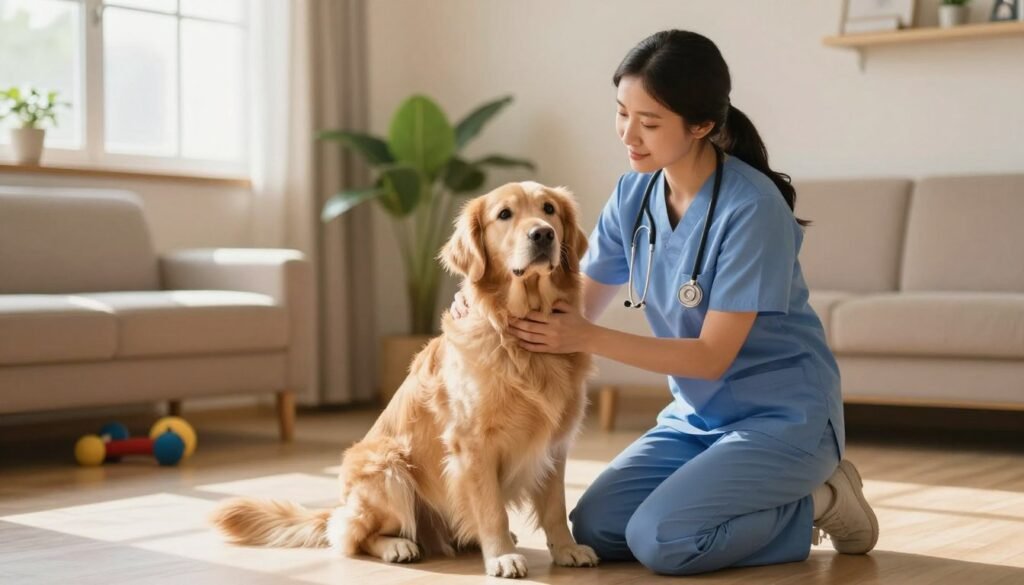
Severe or enduring separation anxiety in dogs warrants a veterinary consultation. A veterinarian can eliminate any underlying health issues contributing to the anxiety. They will advise on the most effective treatment, which might include behavior modification, medication, or a combination thereof.
Veterinarians are indispensable in addressing this issue. They offer personalized advice, tailored to your dog’s unique requirements. They may also recommend a certified animal behaviorist if additional expertise is required.
Types of Animal Behaviorists
Diverse animal behaviorists can assist with separation anxiety. A Certified Applied Animal Behaviorist (CAAB) possesses advanced knowledge in animal behavior, crafting a tailored behavior modification plan. A Certified Professional Animal Behaviorist (CPAB) also brings specialized expertise, guiding on behavioral issues.
Collaborating with an animal behaviorist equips you with the necessary strategies to alleviate your dog’s separation anxiety. They provide practical guidance on calming methods and behavior modification. This enables you to create a more tranquil and secure environment for your pet.
Real-Life Case Studies of Success
Real-life success stories provide invaluable insights into strategies for mitigating canine separation anxiety. Examining the experiences of seasoned dog owners and professional advice reveals effective approaches. These strategies lead to successful outcomes.
Successful Strategies from Experienced Owners
Many dog owners have successfully reduced their pets’ separation anxiety through gradual desensitization and counterconditioning techniques. For example, one owner might start by leaving their dog alone for short periods, gradually increasing the duration. Others use interactive toys filled with treats to keep their dogs occupied while they’re away.
Experienced owners also stress the importance of creating a safe and comfortable environment for their dogs. This involves setting up a quiet space with familiar comforts, such as a favorite blanket or toy. The American Society for the Prevention of Cruelty to Animals (ASPCA) notes that a stable and predictable environment can significantly reduce a dog’s stress levels.
Professional Insights and Recommendations
Professionals in animal behavior recommend a multi-faceted approach to address separation anxiety. This includes obedience training to enhance the dog-owner bond and reduce anxiety. It also involves environmental changes to minimize triggers that might exacerbate the condition.
Dog trainers and behaviorists, such as those from Rescue Me or Save-A-Pet USA, often suggest using positive reinforcement techniques to encourage calm behavior. They emphasize the importance of consistency and patience, as overcoming separation anxiety is a lengthy process.
By combining insights from experienced owners with professional recommendations, dog owners can develop effective strategies tailored to their pet’s specific needs. This holistic approach not only aids in reducing separation anxiety but also strengthens the bond between dog and owner.
Supporting Your Dog’s Emotional Health
Establishing a robust bond with your dog is essential for their emotional well-being. Positive interactions foster a sense of security, alleviating separation anxiety. This connection is foundational for their emotional health.
Trust Through Positive Reinforcement
Utilizing positive reinforcement, such as treats and praise, is key to building trust. This method encourages desirable behaviors, fortifying your bond. It is a cornerstone for supporting your dog’s emotional health.
Acknowledging Small Victories
It is imperative to recognize and celebrate small victories in your dog’s journey. Acknowledging these achievements reinforces positive behaviors and motivates further improvement. This approach is vital in helping your dog overcome separation anxiety.
Resources from organizations like the American Society for the Prevention of Cruelty to Animals (ASPCA) and Best Friends Animal Society are invaluable. They offer insights into promoting emotional health in dogs. By employing calming techniques and maintaining a consistent routine, you can enhance your dog’s sense of security. This, in turn, reduces anxiety.
FAQ
What is separation anxiety in dogs?
How can I recognize separation anxiety in my dog?
What are some effective calming techniques for dogs with separation anxiety?
How important is establishing a routine for my dog?
Can training help mitigate separation anxiety in dogs?
When should I seek professional help for my dog’s separation anxiety?
Are there any products that can help calm my dog?
How can I help my dog feel more comfortable when I’m away?
References:
This article was created based on information from the following authoritative sources: Best Friends Animal Society and the Humane Society of the United States.