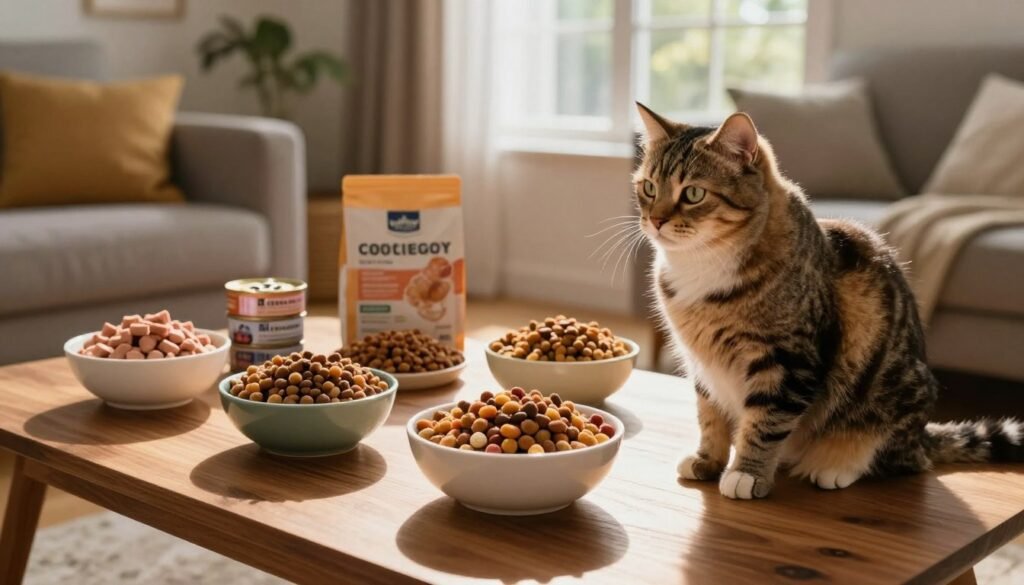
Did you know some common kitchen items can be deadly to cats? You might think you’re giving them a tasty treat. But, you could actually be risking their health.
Knowing what can cats not eat is key to being a good pet owner. Many foods we eat contain toxins that harm cats’ special metabolism.
Keeping your home safe is the best way to protect your pet. Spotting dangers early can prevent stressful vet visits.
By learning about these dangers, you can help your pet live a long, healthy life. Let’s look at how to make your kitchen safe for your furry friend.
Key Takeaways
- Many common human snacks are toxic to feline health.
- Cats have unique metabolic processes that struggle to break down certain substances.
- Proactive environment management prevents accidental ingestion of dangerous items.
- Early awareness of dietary risks saves you from costly emergency care.
- Responsible ownership starts with knowing exactly what your pet should avoid.
Understanding Cat Nutrition and Safety
Knowing what your cat needs to stay healthy is key to being a good pet owner. Many people accidentally give their cats harmful foods thinking they’re okay. Spotting these cat nutrition risks early can prevent a lot of pain and health problems for your pet.
Importance of a Balanced Diet
A balanced diet is crucial for your cat’s health and energy. Cats need certain nutrients from animal sources to keep their organs working right. Giving them the right food can help avoid chronic diseases.
Good nutrition helps your cat’s coat shine and keeps their heart strong. Skipping these needs can lead to serious cat nutrition risks like kidney or liver damage. Choosing high-quality protein sources keeps your cat lively and healthy for a long time.
Common Misconceptions About Cat Food
One big myth is that cats can eat human table scraps safely. Many foods we eat are actually harmful for cats, even a little bit. It’s important to know the truth to protect your cat from poisoning.
Another myth is that cats don’t need special food if it’s “natural.” While natural foods are good, they must be complete for cats’ special needs. Here’s a table to show the main differences in what cats and humans/dogs need to eat.
| Nutrient Category | Cat Requirement | Human/Dog Comparison |
|---|---|---|
| Protein Source | Strictly Animal-Based | Omnivorous/Flexible |
| Taurine Needs | Essential Supplement | Synthesized Naturally |
| Carbohydrate Tolerance | Very Low | High |
| Vitamin A | Must be Preformed | Can Convert Beta-Carotene |
Common Toxic Ingredients in Cat Food
Every pet parent should know what’s in their cat’s food. Look at labels for feline dietary dangers. Knowing these risks helps keep your cat healthy.
Artificial Preservatives
Chemicals like BHA and BHT make food last longer. But, they’re bad for cats. They can harm your cat over time.
These chemicals can upset sensitive pets. Always check for BHA and BHT. Opt for natural preservatives instead.
By-products and Fillers
Many cat foods have low-quality by-products and fillers. They don’t give cats the nutrients they need. This can cause nutritional deficiencies and stomach problems.
By-products are leftovers from human food. Too much can make your cat gain weight. Choose foods with real protein sources for better health.
Human Foods That Are Dangerous for Cats
Many everyday foods are toxic for cats. Sharing snacks can harm your pet. Knowing which foods are dangerous is crucial for safety.
Chocolate and Caffeine
Chocolate has theobromine, which is bad for cats. It can cause shakes, seizures, and heart problems. Caffeine in coffee and tea also raises a cat’s heart rate too high.
Onions and Garlic
Onions and garlic are very dangerous for cats. They have N-propyl disulfide, which harms red blood cells. This can lead to hemolytic anemia, where the body destroys blood cells too fast.
These dangers apply to all forms, including powdered or cooked. Always check food labels for hidden dangers.
Raisins and Grapes
Grapes and raisins can cause kidney failure in cats. They can make cats vomit, feel tired, and not make urine. If your cat eats these, get vet help right away.
Knowing what cats can’t eat helps keep them safe. Keep dangerous foods out of reach to protect your pet.
Unsafe Treats for Cats
Sharing snacks with your cat might seem nice, but some foods are harmful. Not all human food is safe for cats. It’s crucial to avoid feeding cats these foods to keep them healthy and safe.
Dairy Products
Many think cats love milk, but it’s not true. Adult cats are lactose intolerant, meaning they can’t digest dairy sugar well.
Feeding cats milk, cheese, or cream can upset their stomachs. They might get diarrhea, vomit, and feel bloated. These issues can cause dehydration, which is very dangerous for small pets.
“The best way to show your love is through healthy, species-appropriate nutrition rather than human snacks that can cause harm.”
Raw Dough
Raw bread dough is a hidden danger for pets. If a cat eats it, the dough expands in their stomach.
This can cause stomach pain and discomfort. The dough also makes ethanol as it ferments. This alcohol can be toxic to cats.
Since these foods are common toxic foods for cats, keep your kitchen clean. Store baking supplies safely to avoid accidents.
Symptoms of Food Poisoning in Cats
Your cat can’t tell you when they’re sick, so watch for physical signs. Being proactive about your pet’s health is key to keeping them safe from toxic foods for cats. Even a little bit of the wrong food can make your cat very sick.
Recognizing Warning Signs
Signs of poisoning can show up fast. You might see your cat acting unusually lethargic or hiding more than usual. If your cat is vomiting or having diarrhea a lot, it’s a sign they’ve eaten something bad.
Severe cases can include tremors, seizures, or trouble walking. If your cat is having trouble breathing or is panting a lot, it’s a critical emergency that needs help right away.
When to Seek Veterinary Help
Time is crucial when your cat might be poisoned. If you think your cat ate toxic foods for cats, don’t wait for things to get worse. Call your vet or an emergency animal clinic fast.
It’s always safer to err on the side of caution when your cat’s health is involved. Professional help can stop serious harm to your cat’s organs. Keep your local emergency vet’s number handy for quick calls.
Safe Alternatives to Toxic Foods
You can keep your cat happy by choosing safe, nutritious snacks. It’s important to avoid feeding cats these foods that are in your pantry but are harmful. By picking the right snacks, you keep your pet healthy and happy.
Cat-Safe Fruits and Vegetables
Cats are meat-eaters, but some plants can be healthy treats. You can give them small, cooked portions of certain veggies for extra fiber or water. Make sure these items are plain and don’t have salt or garlic.
Safe options for your cat include:
- Steamed carrots: A crunchy, vitamin-rich snack.
- Cooked pumpkin: Excellent for digestive health.
- Fresh cucumber: A hydrating treat for warm days.
- Steamed green beans: A low-calorie option for weight management.
Commercial Cat Treats
When buying treats, look for ones made for cats. High-quality treats should have a high-quality protein source as the first ingredient. Always check the label for no hidden additives or artificial preservatives.
Many Dangerous foods for cats are found in low-quality treats. So, it’s key to read the ingredient list. Choose reputable brands that care about animal health. Remember, treats should be a small part of your cat’s daily food.
| Snack Type | Safety Status | Nutritional Benefit |
|---|---|---|
| Steamed Carrots | Safe | High in Beta-Carotene |
| Commercial Meat Treats | Safe | High Protein Content |
| Onions or Garlic | Toxic | None (Causes Anemia) |
| Raw Dough | Toxic | None (Causes Bloating) |
How to Read Cat Food Labels
Learning to read labels is key to avoiding dangerous foods for cats when you shop. Many pet owners rely on what’s on the front of the bag. But the truth is in the fine print. By knowing how to scan these lists, you can keep your pet safe from health issues.
Identifying Harmful Ingredients
When checking the ingredient list, watch out for red flags. Stay away from vague terms like “meat by-products” or “animal fat” without a source. These often hide low-quality fillers that don’t offer much nutrition.
Also, steer clear of artificial preservatives like BHA, BHT, or ethoxyquin. These chemicals can pose cat nutrition risks. Choose foods with named protein sources, like chicken or salmon, as the first ingredient.
Understanding Nutritional Information
The “Guaranteed Analysis” section gives a quick look at the food’s nutrients. Look for a statement saying it meets AAFCO standards for a complete diet. This shows the manufacturer followed guidelines for feline health.
Knowing these numbers helps manage cat nutrition risks. By comparing protein, fat, and fiber percentages, you can pick a diet right for your cat’s life stage. Use the table below to quickly check a food’s quality.
| Feature | High-Quality Food | Low-Quality Food |
|---|---|---|
| Primary Ingredient | Named Meat (e.g., Turkey) | Meat By-products |
| Preservatives | Natural (e.g., Vitamin E) | Artificial (e.g., BHA/BHT) |
| Fillers | Minimal or None | Corn, Wheat, or Soy |
| AAFCO Status | Complete and Balanced | Not Specified |
Homemade Cat Food: What to Avoid
Many owners accidentally give their pets feline dietary dangers when making meals at home. You might want to use the freshest ingredients, but your kitchen can have hidden risks. Knowing these risks helps keep your cat healthy and safe.
Key Ingredients to Steer Clear Of
When making recipes, watch what you add to your bowl. Some common foods are dangerous for cats and should not be in homemade meals. For example, onions, garlic, chives, and leeks can harm your cat’s blood cells.
Also, avoid raw proteins that might have Salmonella or E. coli. Spices, salt, and too much oil are also bad for cats. Always check your ingredients against a list of safe foods for cats before cooking.
Safe Cooking Practices
How you prepare food is as important as what you use. Make sure all meats are cooked well to kill harmful bacteria. A food thermometer helps ensure the meat is safe to eat while keeping nutrients.
Keep your workspace clean to avoid mixing your food with your cat’s. Don’t use scratched non-stick pans, as they can release harmful fumes when hot. By following these steps, you can make sure your cat eats a healthy, balanced meal.
| Ingredient Category | Safe to Use | Avoid Completely |
|---|---|---|
| Proteins | Cooked chicken or turkey | Raw meat with bones |
| Vegetables | Steamed carrots or peas | Onions, garlic, or chives |
| Seasonings | None (keep it plain) | Salt, pepper, or spices |
| Fats | Small amounts of fish oil | Excessive butter or lard |
Preventing Access to Dangerous Foods
Keeping your home safe is the best way to stop your cat from eating harmful foods. Simple steps can help keep your pet away from harmful human foods for cats.
Securing Your Kitchen
The kitchen is a common place for dangers. Always keep human food in sealed containers or cabinets your cat can’t open. Locking your pantry doors or using child-proof latches keeps curious paws out.
Don’t forget about trash disposal. Use a heavy, lidded trash can to stop your cat from looking for scraps. This simple step helps avoid cat food to avoid in the trash.
Educating Family Members
Keeping your home safe is a team effort. Everyone needs to know the dangers of table scraps for pets. Consistency is key for a healthy diet.
Also, tell guests about your food rules. Accidental drops of harmful human foods for cats can happen. By setting clear rules, you keep your cat safe and healthy.
What to Do in Case of Ingestion
Accidents can happen, but being ready for poisoning is key for pet owners. If you think your cat ate something bad, stay calm first. Acting fast can really help your pet.
Immediate Actions to Take
Right away, take away anything bad your cat might have eaten. Don’t try to make them vomit unless a vet tells you to. Trying to make them vomit at home can sometimes make things worse, depending on what they ate.
Watch your cat closely for any odd behavior or signs of illness. Look at their breathing, energy, and any signs of trouble. Knowing which cat food to avoid helps you see how serious it is.
Contacting Animal Poison Control
When you call animal poison control, have all the info ready. Tell them what your cat ate, how much, and when. Giving them the right details helps them give you the best advice.
Keep the packaging of what your cat ate handy, if you can. Knowing about harmful human foods for cats helps you talk to the poison control expert. Always do what they say to make sure your cat gets the best care.
The Role of Your Vet in Cat Nutrition
Your vet is key to keeping your cat healthy and safe from bad foods. They have the knowledge to help with your cat’s diet. Starting early helps you know what foods are bad for cats.
Discussing Dietary Choices
It’s okay to bring a list of foods to your vet. They can check if they’re good for your cat. If your cat has food sensitivities, they can help change their diet safely.
Talking openly with your vet helps make a diet plan just for your cat. You’ll learn which human snacks are okay and which are not. This is better than just looking up things online.
Regular Health Check-ups
Regular vet visits are important. They help catch health problems early. Your vet checks your cat’s weight, coat, and organs.
These visits help keep track of your cat’s health. Your vet can do tests to make sure your cat is getting the right food. This helps prevent long-term health problems.
| Management Aspect | Independent Research | Veterinary Guidance |
|---|---|---|
| Nutritional Accuracy | Often inconsistent | Scientifically verified |
| Toxin Awareness | May miss hidden risks | Expert on foods poisonous to cats |
| Health Monitoring | Reactive only | Proactive and preventative |
Building a Healthy Diet for Your Cat
Your dedication to your cat’s health is key to a long, happy life. Focus on high-quality proteins and essential nutrients to keep them safe. Always watch out for foods that are bad for cats to make sure they stay healthy.
Meal Planning Tips
Choose top brands like Royal Canin or Hill’s Science Diet for your cat’s meals. Mix up the protein sources to give them a wide range of nutrients. Make sure to measure their food to avoid obesity and keep them happy.
Monitoring Weight and Health
Watch for changes in your cat’s energy or coat as they get older. Regular weigh-ins at home can spot small changes early. Keep a food diary to share with your vet. This helps keep your cat safe and healthy for many years.