Ever ponder if your furry friend is fully content in its current abode? Crafting the ideal chinchilla habitat transcends mere cage provision; it embodies a sanctuary fostering both physical vigor and mental acuity.
The American Society for the Prevention of Cruelty to Animals (ASPCA) underscores the environment’s pivotal role in pet welfare. Fulfilling chinchilla habitat requirements necessitates meticulous consideration of vertical dimensions, flooring, and enrichment avenues.
Attending to these critical aspects guarantees your pet’s daily security and activity. Let us dissect the process of metamorphosing your chinchilla habitat setup into an exemplary domicile.
Key Takeaways
- Vertical space is essential for exercise and natural climbing behaviors.
- Solid flooring prevents foot injuries common in wire-bottom cages.
- Environmental enrichment reduces stress and promotes long-term health.
- Temperature control is vital to prevent heatstroke in these sensitive animals.
- Regular cleaning routines maintain a hygienic and safe living area.
Importance of a Proper Chinchilla Habitat
The environment in which your chinchilla resides is pivotal for its health and longevity. A proper chinchilla habitat transcends mere cage provision; it entails crafting a space tailored to your pet’s specific needs.
A well-designed chinchilla cage environment is essential for your pet’s overall health and well-being. Chinchillas, being active, necessitate ample space for movement, exercise, and natural behavior engagement.
Why Habitat Matters for Chinchillas
Chinchillas have distinct habitat requirements that, when fulfilled, substantially enhance their quality of life. These needs encompass adequate ventilation, sufficient space for movement, and hiding spots to mitigate stress.
- Adequate space for exercise and movement
- Proper ventilation to prevent respiratory issues
- Hiding spots to reduce stress
- A temperature-controlled environment
Health Benefits of a Well-Designed Space
A well-designed chinchilla habitat confers numerous health benefits, including reduced stress, improved physical health, and enhanced mental well-being. By closely mimicking their natural environment, you can significantly enhance your chinchilla’s health and happiness.
Key health benefits include:
- Reduced risk of respiratory problems
- Less stress and anxiety
- Improved overall physical and mental health
Ideal Cage Size for Chinchillas
Chinchillas necessitate expansive cages for their well-being, making cage size paramount. A spacious cage allows for ample movement, exercise, and the inclusion of enrichment activities. This environment is crucial for their happiness and health.
The American Pet Products Association (APPA) and other animal welfare organizations underscore the significance of adequate space for pets. For chinchillas, this translates to cages that are not undersized.
Minimum Cage Dimensions for One Chinchilla
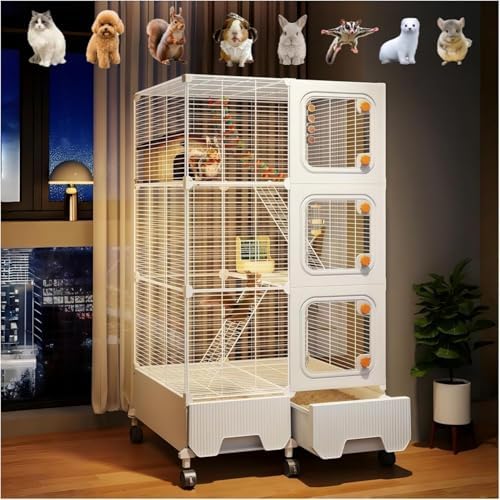
The minimum cage size for a single chinchilla is typically 2x4x4 feet. Yet, it’s vital to recognize that larger cages are preferable. A more extensive cage facilitates natural behaviors such as jumping and climbing.
When setting up a cage, the vertical space is also crucial. Chinchillas are adept climbers and benefit from multiple levels. This vertical dimension greatly improves their quality of life.
Space Requirements for Multi-Chinchilla Homes
For homes with multiple chinchillas, cage size must be increased. Overcrowding can cause stress and health problems. A common guideline is to add considerable space for each additional chinchilla.
For multiple chinchillas, opt for a cage that is at least 50% larger than the minimum for one. This ensures each chinchilla has sufficient space, preventing overcrowding.
By selecting the appropriate cage size and design, you can foster a harmonious and healthy environment for your chinchillas. Adequate cage size is essential for their overall well-being and happiness.


Cage Layout: Designing the Interior
A well-planned cage layout is essential for the overall well-being of your chinchilla. The interior design of the cage should prioritize the chinchilla’s natural behaviors and needs. This ensures a stimulating and safe environment.
Chinchillas are known to be excellent climbers and jumpers. Incorporating elements that maximize vertical space is crucial. According to the American Society for the Prevention of Cruelty to Animals (ASPCA), providing adequate space for exercise is vital for the health and happiness of pets.
Levels and Platforms: Maximizing Vertical Space
Incorporating multiple levels and platforms within the cage can significantly enhance the living space for your chinchilla. This not only encourages physical activity but also provides mental stimulation. Ideally, the cage should have at least two to three levels, connected by ladders or ramps that are safe and easy for the chinchilla to navigate.
The use of wooden or plastic platforms can add variety to the cage layout. It’s essential to ensure that all materials used are safe and non-toxic. As emphasized by Rescue Me, a reputable chinchilla rescue organization, providing a variety of textures and surfaces can help keep your chinchilla engaged.
| Material | Safety | Durability |
|---|---|---|
| Wood | Safe if untreated | Moderate |
| Plastic | Generally safe | High |
| Metal | Safe if rust-proof | High |
Hiding Spots: Creating Safe Spaces
Chinchillas often feel secure when they have places to hide. Providing hiding spots such as tunnels, boxes, or houses can help reduce stress and create a sense of security. It’s recommended to include at least one hiding spot per chinchilla in multi-chinchilla households.
“Providing hiding places and visual barriers can help reduce stress in chinchillas by giving them a sense of control over their environment.”
In addition to hiding spots, ensuring that the cage is well-ventilated and maintained at the right temperature is crucial. The cage layout should also allow for easy cleaning and access to food, water, and other essential areas.
By thoughtfully designing the cage layout, you can create a nurturing environment that supports the health and happiness of your chinchilla. Remember, a well-designed enclosure is key to creating a chinchilla essentials setup that meets all their needs.
Essential Cage Accessories for Chinchillas
A well-designed chinchilla cage must include essential accessories for health and well-being. The right accessories can greatly improve your pet’s quality of life. They provide comfort, stimulation, and safety.
Bedding Choices: What’s Safe and Comfortable?
Choosing the right bedding is crucial for your chinchilla’s health. Safe options include wood shavings, such as aspen or kiln-dried pine. These are gentle on their feet and absorbent. Avoid pine or cedar shavings that haven’t been kiln-dried, as they can cause respiratory issues. The Best Friends Animal Society advises ensuring the bedding is deep enough for burrowing.
Recommended Bedding Materials:
- Aspen shavings
- Kiln-dried pine shavings
- Recycled paper products
Toys and Chew Items: Keeping Them Engaged
Chinchillas need plenty of toys and chew items to stay engaged and prevent boredom. Providing a variety of toys made from safe materials like untreated wood, hay, and certain plastics can keep your chinchilla stimulated. The American Society for the Prevention of Cruelty to Animals (ASPCA) recommends rotating toys regularly to keep the environment interesting.
Safe Toy Options:
- Untreated wood toys
- Hay-based toys
- Chinchilla-safe plastic toys
By incorporating these essential cage accessories, you can create a comfortable and stimulating environment for your chinchilla. This promotes their overall health and happiness.



Temperature and Humidity Considerations
Creating a chinchilla habitat with the right temperature and humidity is essential. Chinchillas are highly sensitive to these factors, impacting their health significantly. Their environment is a critical determinant of their overall well-being.
Experts stress the importance of a cool, dry environment for chinchillas to thrive.
“Chinchillas are sensitive to heat and humidity, which can lead to serious health issues if not managed properly,” according to the American Society for the Prevention of Cruelty to Animals (ASPCA).
Optimal Temperature Range for Chinchillas
The ideal temperature for chinchillas ranges from 60°F to 75°F (15°C to 24°C). Temperatures exceeding 80°F (27°C) can cause heat stress. On the other hand, temperatures below 50°F (10°C) can chill them.
Humidity Levels: What’s Too High?
Chinchillas need humidity levels between 40% to 60%. High humidity can cause heat stress and health issues like fungal infections and respiratory problems. To keep humidity in check, use a hygrometer and a dehumidifier if needed.
By managing temperature and humidity, you can establish an ideal chinchilla habitat. This ensures your pet’s health and happiness, adhering to chinchilla housing tips from seasoned pet owners and experts.
Location of the Chinchilla Cage
Choosing the right location for your chinchilla’s cage is crucial for creating a comfortable and stress-free environment. The room where you place the cage should have stable temperatures, moderate light levels, and minimal noise to ensure your chinchilla’s well-being.
Ideal Room Conditions: Light and Noise Levels
Chinchillas are sensitive to light and noise. Direct sunlight can cause overheating, so it’s essential to place the cage in a spot that receives indirect natural light. They also prefer quiet environments. Avoid placing the cage in high-traffic areas or near noisy appliances to minimize stress.
Away from Drafts: Ensuring Comfort
Drafts can chill your chinchilla quickly, so it’s vital to position the cage away from windows, doors, and air vents. Ensure the room is well-ventilated but not drafty. This balance will help maintain a comfortable environment for your pet.
By carefully selecting the location of your chinchilla’s cage and considering factors like light, noise, and drafts, you can significantly enhance their quality of life. A well-placed cage is a fundamental aspect of setting up a chinchilla cage that supports the health and happiness of your pet.
Feeding Station Setup
The feeding station is a crucial part of a chinchilla’s enclosure, requiring thoughtful planning for their health and happiness. A well-organized feeding area streamlines mealtime and aids in maintaining the enclosure’s cleanliness.
Designing the feeding station involves focusing on the food container and water dispenser. These elements are vital for making feeding efficient and minimizing mess.
Food Container Options: Choosing the Right Type
Selecting the appropriate food container is key to keeping your chinchilla’s food fresh and accessible. Heavy ceramic dishes are recommended as they are hard for chinchillas to tip, reducing spill risk. You can also consider food hoppers or containers attached to the cage, which dispense food gradually and maintain cleanliness.
When picking a food container, consider your chinchilla’s meal size and the container’s ease of cleaning. A container that is simple to clean ensures your chinchilla’s food stays fresh and free from contamination.
Water Bottles vs. Bowls: Which is Better?
Choosing between water bottles and bowls for your chinchilla’s hydration is a decision. Water bottles are preferred for their spill prevention and water cleanliness. Chinchillas can easily drink from bottles with sipper tubes, and these can be securely attached to the cage.
Conversely, some chinchillas might prefer drinking from bowls. Yet, bowls are prone to being knocked over, leading to spills. If using a bowl, it should be heavy to prevent tipping.
The choice between water bottles and bowls hinges on your chinchilla’s preference and your ability to maintain cleanliness. Many owners favor water bottles for their ease of management and cleanliness.
Cleanliness and Maintenance Tips
Chinchillas necessitate a clean, hygienic habitat to flourish, emphasizing the importance of consistent upkeep. A meticulously maintained environment not only safeguards your chinchilla’s health but also averts the accumulation of harmful bacteria and odors.
Regular Cleaning Routines for Health
Adopting a routine that includes the removal of soiled bedding, the sanitization of food and water containers, and the disinfection of all surfaces is paramount. It is advisable to undertake a thorough cage cleaning once weekly, complemented by daily spot cleanings to eliminate any visible waste or uneaten food.
To uphold a pristine environment, adhere to these guidelines:
- Remove your chinchilla from the cage and place it in a secure, temporary enclosure.
- Dispose of all bedding material and replace it with fresh, clean bedding.
- Clean food and water containers with mild soap and warm water.
- Disinfect all surfaces with a pet-safe cleaning solution.
Best Products for Safe Cleaning
Utilizing products that are both safe and non-toxic is imperative when cleaning your chinchilla’s cage. Steer clear of harsh chemicals and strong-smelling cleaners, as they can be detrimental to your chinchilla’s health.
Safe alternatives include:
| Product Type | Description | Benefits |
|---|---|---|
| Mild Soap Solutions | Gentle on surfaces and safe for pets | Effective for cleaning food and water containers |
| Pet-Safe Disinfectants | Specifically designed for use around pets | Kills bacteria and viruses without harming chinchillas |
| Vinegar Solutions | Natural and non-toxic | Effective against many bacteria and safe for use around pets |
By adhering to these cleaning and maintenance guidelines, you can guarantee a healthy, comfortable living space for your chinchilla. The regular application of these practices, coupled with the utilization of safe cleaning products, is crucial in averting health problems and ensuring your pet’s well-being.
Enrichment and Socialization Elements
To ensure your chinchilla’s happiness and health, focus on creating a stimulating habitat. A well-designed environment is key to promoting natural behaviors and preventing boredom and stress. It’s essential to provide opportunities for enrichment and socialization.
How to Create a Stimulating Environment
Creating a stimulating environment involves introducing various elements that encourage exploration and play. Rotate toys regularly to keep the environment fresh and interesting. Incorporate hiding spots and tunnels to mimic their natural habitat. Provide safe, durable chew items to help keep their teeth trimmed.
Introduce new toys and accessories periodically to keep your chinchilla engaged. Consider wooden chew toys or tunnels made from safe, non-toxic materials. The American Society for the Prevention of Cruelty to Animals (ASPCA) suggests providing a variety of toys to keep pets stimulated.
Introducing Playtime: Interaction Ideas
Interacting with your chinchilla is crucial for their socialization. Allow supervised playtime outside of their cage in a safe, chinchilla-proofed area. Use puzzle toys filled with treats to challenge and engage them. Spend quiet time with your chinchilla, allowing them to become comfortable with your presence.
During playtime, ensure the area is free from hazards and escape routes. Use this time to bond with your pet, building trust and strengthening your relationship. According to the Best Friends Animal Society, positive interactions with pets can significantly enhance their quality of life.
No layout selected.Monitoring Health in the Habitat
The health of your chinchilla is directly tied to the quality of its living environment. A well-maintained habitat ensures both physical and mental well-being of your chinchilla.
Regular monitoring of your chinchilla’s behavior and physical condition is crucial. This involves observing signs of stress and knowing when to seek professional help.
Signs of Stress in Chinchillas
Chinchillas exhibit stress in various ways. Identifying these signs early can prevent serious health issues. Common indicators include:
- Fur loss or fur-chewing: This can be a sign of stress or boredom.
- Changes in appetite: A decrease or increase in food consumption can indicate health problems.
- Unusual behavior: Pacing, excessive hiding, or aggressive behavior can be signs of stress.
- Respiratory issues: Labored breathing or wheezing sounds are serious signs that require immediate attention.
Recognizing these signs early allows you to make necessary adjustments to your chinchilla’s habitat or seek veterinary care if needed.
Vet Visits: When to Seek Professional Help
Regular veterinary check-ups are essential for maintaining your chinchilla’s health. It’s recommended to schedule annual check-ups, but if you notice any unusual signs or symptoms, don’t hesitate to seek professional help.
Some situations that require immediate veterinary attention include:
- Persistent fur loss or skin issues
- Changes in eating or drinking habits
- Visible signs of injury or infection
- Unusual discharge from the eyes or nose
According to the American Society for the Prevention of Cruelty to Animals (ASPCA), regular veterinary care is crucial for preventing and treating health issues in pets.
By monitoring your chinchilla’s health and being proactive about its care, you can ensure a long, happy, and healthy life for your pet.
Final Thoughts on Chinchilla Habitat Setup
Creating an ideal environment for your chinchilla is crucial for their health and happiness. By carefully considering factors such as cage size, layout, temperature, and humidity, you can ensure your pet thrives.
Key Elements to Remember
When setting up a chinchilla cage, it’s essential to prioritize space, safety, and stimulation. A well-designed habitat should include adequate room for movement, hiding spots, and toys to keep your chinchilla engaged. The American Society for the Prevention of Cruelty to Animals (ASPCA) emphasizes the importance of providing a suitable environment for pets.
Tips for New Owners
For those new to chinchilla ownership, setting up the right habitat can seem daunting. Be patient and observant, and don’t hesitate to seek advice from experienced breeders or veterinarians. By following the guidelines outlined in this article and staying committed to providing a nurturing environment, you can build a strong bond with your chinchilla and ensure they lead a happy, healthy life. Properly setting up a chinchilla cage and meeting chinchilla habitat requirements will make a significant difference in your pet’s well-being.
FAQ
What are the minimum chinchilla habitat requirements regarding cage size?
How can I optimize my chinchilla cage design for better mobility?
What environmental conditions are necessary for an ideal chinchilla habitat?
What should be included in a chinchilla essentials setup to prevent boredom?
What are the most important chinchilla housing tips for cage placement?
When creating a chinchilla enclosure for multiple pets, what changes should I make?
Which bedding and floor options are best for a chinchilla habitat setup?
How does a feeding station impact the cleanliness of the chinchilla cage environment?
What are the signs that my chinchilla’s habitat needs adjustment?
References:
This article was created based on information from the following authoritative sources: American Society for the Prevention of Cruelty to Animals (ASPCA) and Royal Society for the Prevention of Cruelty to Animals (RSPCA).