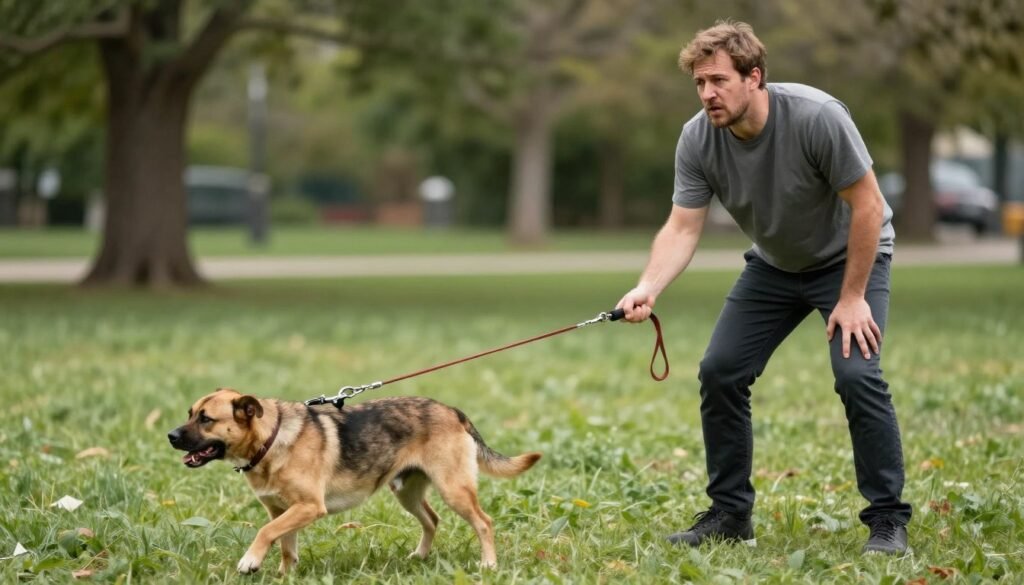
Have you ever pondered the need for a different approach to your loyal companion’s feeding as they enter their twilight years? Just as our bodies undergo changes with time, so do those of our furry friends. They experience significant shifts in metabolism and physical health.
The American Pet Products Association (APPA) notes a growing number of aging pets in the United States. This trend underscores the critical need to understand senior dog nutritional needs to ensure a high quality of life for them.
Adjusting your pet’s diet is more than just switching brands; it’s about supporting their longevity through science-backed care. By acknowledging these evolving needs, you can aid in keeping your companion comfortable and active for years ahead.
Key Takeaways
- Aging pets require specific dietary modifications to maintain optimal health.
- The American Pet Products Association (APPA) reports a significant rise in the aging pet population.
- Metabolic changes often dictate a shift in caloric intake and ingredient quality.
- Proactive adjustments help manage common age-related health conditions effectively.
- Consulting with a veterinarian ensures that dietary changes align with your pet’s unique medical history.
Understanding Senior Dog Nutritional Needs
As dogs age, their nutritional requirements undergo significant changes, making it crucial to understand their senior dog diet needs. The American Society for the Prevention of Cruelty to Animals (ASPCA) highlights that older dogs have different nutritional requirements compared to their younger counterparts, including the need for easier-to-digest foods.
Why Nutrition Matters for Older Dogs
Nutrition plays a vital role in the health and well-being of older dogs. As dogs age, their metabolism slows down, and their dietary needs change. A well-balanced diet can help manage age-related health issues, improve quality of life, and potentially increase their lifespan. According to the ASPCA, older dogs require a diet that is tailored to their specific life stage, taking into account factors such as reduced activity levels and potential health issues.

Extra 40% Discount on All Orders
Why pay full price for quality? Want the VIP treatment for your pet? Join PetCare+ now to solve the problem of recurring costs with a massive 40% OFF, plus exclusive free gifts and free shipping on every order.
Pet Care Supplies
Mon-Fri 9 AM – 5 PM CST
Common Nutritional Deficiencies in Seniors
Senior dogs are prone to certain nutritional deficiencies due to their changing physiology. Common issues include inadequate protein intake, insufficient fiber for digestive health, and a lack of essential fatty acids. These deficiencies can lead to a range of health problems, from weight loss and digestive issues to skin problems and decreased energy levels. Ensuring that a senior dog’s diet is rich in necessary nutrients is crucial for maintaining their overall health.
For instance, older dogs may benefit from a diet rich in high-quality protein to maintain muscle mass, as well as fiber to support healthy digestion. The inclusion of healthy fats can also help maintain their energy levels and support skin and coat health.
Transitioning to Senior-Specific Diets
Identifying the right time to transition to a senior-specific diet is crucial for your dog’s health as they age. As dogs mature, their nutritional requirements change. A diet designed for their life stage can greatly influence their well-being.
Signs Your Dog Needs a Dietary Change
Several indicators suggest that a senior-specific diet may be necessary for your dog. These include:
- Weight gain or loss
- Decreased energy levels
- Digestive issues
- Changes in coat condition
Organizations such as Rescue Me and Save-A-Pet USA advise closely monitoring these signs. They recommend consulting a veterinarian to determine the most suitable diet.
Recommended Diet Types for Senior Dogs
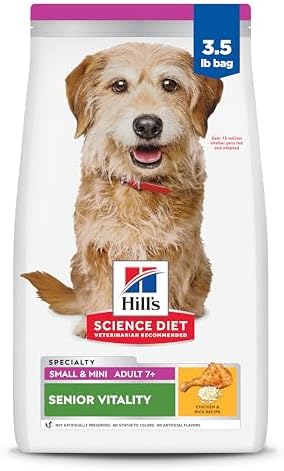
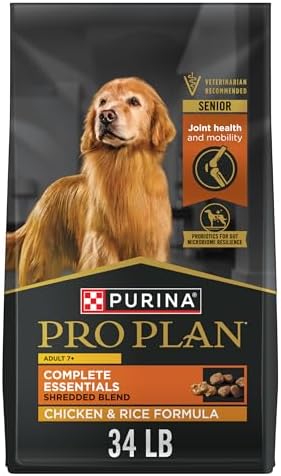
When choosing a senior dog food, focus on options rich in high-quality protein, moderate in fat, and balanced in carbohydrates. The American Society for the Prevention of Cruelty to Animals (ASPCA) notes that senior dogs benefit from diets that are easy to digest. These diets should also support joint health and manage weight effectively.
Key features to look for in senior dog food include:
- Joint supplements like glucosamine and chondroitin
- Antioxidants to combat aging
- Easy-to-digest ingredients
Understanding the signs for a dietary change and selecting the appropriate senior-specific diet can ensure your dog’s health and comfort in their senior years.


Key Nutrients for Senior Dogs
Senior dogs benefit significantly from a balanced intake of key nutrients, which play a crucial role in maintaining their health and vitality. As dogs age, their bodies undergo various changes that can affect their nutritional needs.
According to the Best Friends Animal Society, senior dogs require diets rich in certain nutrients to support their overall health. Three crucial nutrients for senior dogs are protein, fiber, and healthy fats.
Protein: Importance and Sources
Protein is essential for senior dogs as it helps maintain muscle mass and overall health. Aging dogs often experience muscle loss, which can be mitigated with adequate protein intake.
Sources of high-quality protein include:
- Chicken
- Fish
- Eggs
- Lean meats
When selecting a senior dog food, look for products with named protein sources and avoid those with generic terms like “meat” or “by-products.”
“A well-balanced diet that includes high-quality protein can significantly improve the health and longevity of senior dogs.”
Fiber: Benefits for Digestive Health
Fiber is another critical nutrient for senior dogs, supporting healthy digestion and bowel function. It can help manage issues such as constipation and diarrhea.
Good sources of fiber for dogs include:
| Fiber Source | Benefits |
|---|---|
| Psyllium | Supports healthy bowel movements |
| Beet Pulp | Aids in digestion and satiety |
| Vegetables | Provides natural fiber and nutrients |
Fat: Healthy Fats for Senior Energy Levels
Healthy fats are vital for maintaining energy levels in senior dogs. They also support skin and coat health.
Sources of healthy fats include:
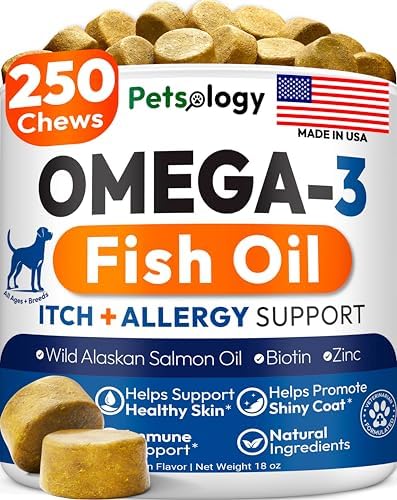
- Omega-3 fatty acids found in fish oil
- Flaxseed
- Chicken fat
In conclusion, a balanced diet that includes adequate protein, fiber, and healthy fats is crucial for the health and well-being of senior dogs. Pet owners should consult with their veterinarian to determine the best nutritional plan for their aging canine companion.
Managing Weight in Senior Dogs
As dogs age, maintaining an ideal weight becomes crucial for their overall health and well-being. The American Pet Products Association (APPA) reports that obesity is a significant issue in older dogs, necessitating careful weight management. Excess weight can lead to various health problems, including diabetes, arthritis, and heart disease. Being underweight can also indicate other health issues.
Identifying Ideal Weight for Your Senior Dog
Determining the ideal weight for your senior dog involves a combination of regular weigh-ins and body condition scoring. The American Society for the Prevention of Cruelty to Animals (ASPCA) suggests that a dog at an ideal weight should have a visible waistline when viewed from above and a palpable ribcage without excess fat.
A simple method to check if your dog is at a healthy weight is to feel their ribs. If the ribs are easily felt without excess fat covering them, the weight is likely ideal. If the ribs are difficult to feel, it may indicate overweight.
| Weight Status | Description |
|---|---|
| Underweight | Ribs visible and easily felt with little to no fat covering |
| Ideal | Ribs palpable with a slight fat covering; visible waistline |
| Overweight | Ribs difficult to feel due to excess fat; less visible waistline |
Healthy Weight Loss Strategies
For senior dogs needing to lose weight, a gradual and sustainable approach is recommended. This involves a combination of dietary changes and increased physical activity tailored to the dog’s age and health status.
A balanced diet with reduced calorie intake is crucial. Switching to a senior-specific dog food that is lower in calories but rich in essential nutrients can help. Portion control is also vital to prevent overfeeding.
“The key to successful weight loss in senior dogs is a gradual and consistent approach, ensuring they receive all necessary nutrients while reducing calorie intake.”
Increasing physical activity, such as short, gentle walks, can also aid in weight loss. It’s essential to consult with a veterinarian before starting any new diet or exercise regimen to ensure it’s appropriate for the dog’s health condition.
Regular monitoring and adjustments to the weight loss plan as needed are crucial. Working closely with a veterinarian can help tailor a plan that meets the individual needs of your senior dog.


Joint Health and Nutrition
Nutrition is crucial for maintaining the joint health of senior dogs. As they age, their joints naturally wear down, potentially leading to arthritis or osteoarthritis. A diet rich in specific nutrients can help alleviate these issues, enhancing their quality of life.
Veterinarians often recommend certain nutrients and supplements for joint health in senior dogs. This advice comes from various veterinary associations. It’s vital to ensure your senior dog gets the right nutrients to maintain their joint health and mobility.
Nutrients Supporting Joint Function
Several nutrients are beneficial for joint health in senior dogs. These include:
- Glucosamine and Chondroitin: These compounds, naturally found in the body, are essential for cartilage health. Supplementing with them can reduce joint pain and inflammation.
- Omega-3 Fatty Acids: Omega-3 fatty acids, notably EPA and DHA, have anti-inflammatory properties. They help reduce joint inflammation and promote overall health.
- Antioxidants: Antioxidants like vitamins C and E combat oxidative stress. This can help prevent joint damage and inflammation.
These nutrients can be found in various foods and supplements. Incorporating them into your senior dog’s diet can positively impact their joint health.
Supplements for Joint Health
Beyond a balanced diet, certain supplements can offer additional joint health support. Some of the most recommended supplements include:
- Joint Supplements: Products containing glucosamine, chondroitin, and other joint-supporting ingredients can help maintain joint health and reduce discomfort.
- MSM: Methylsulfonylmethane (MSM) is another compound often used to support joint health and reduce inflammation.
- Turmeric/Curcumin: Curcumin, a component of turmeric, has potent anti-inflammatory and antioxidant properties that can benefit joint health.
It’s crucial to consult with your veterinarian before adding any supplements to your senior dog’s diet. This ensures they are necessary and safe for your pet.
Hydration Needs for Older Dogs
Ensuring adequate hydration in older dogs is vital for their health and quality of life. As dogs age, their ability to regulate fluids and respond to changes in their environment can be impaired. This makes hydration a critical aspect of their care.
Importance of Water for Senior Dogs
Water is essential for various bodily functions in dogs, including regulating body temperature, facilitating digestion, and maintaining healthy skin. Senior dogs, in particular, can be prone to dehydration. This is due to decreased mobility, changes in their sense of thirst, and age-related health issues.
Dehydration in older dogs can lead to serious health problems. These include urinary tract infections, kidney disease, and even organ failure in severe cases. Ensuring that your senior dog has access to fresh water at all times is crucial.
Tips to Encourage Drinking
Encouraging your senior dog to drink enough water can sometimes be challenging. Here are some tips to help:
- Make water more appealing by changing it frequently to ensure it’s fresh and clean.
- Use water fountains or multiple water sources to encourage drinking.
- For dogs with dental issues or mouth pain, consider using a water bowl that’s easy to access.
- Adding a small amount of low-sodium chicken broth to their water can make it more enticing.
- Monitor their water intake and consult with a veterinarian if you notice any significant changes.
It’s also important to recognize the signs of dehydration in senior dogs. These can include dry gums, sunken eyes, and lethargy. If you suspect your dog is dehydrated, consult with a veterinarian promptly.
| Signs of Dehydration | Description |
|---|---|
| Dry Gums | Gums that feel dry or sticky to the touch. |
| Sunken Eyes | Eyes that appear sunken or less prominent. |
| Lethargy | A noticeable decrease in activity or energy. |

Extra 5% Discount on All Orders
Why pay full price for quality? Ensure your pet gets the best with the lowest prices on genuine products and fast delivery. Use coupon code pcs5off at checkout to save even more!
Pet Care Supplies
Mon-Fri 9 AM – 5 PM CST
Homemade vs. Commercial Dog Food
Senior dog owners often face a critical decision between homemade diets and commercial dog foods. This choice significantly impacts their health, given the complex nutritional needs of senior dogs. It’s essential to weigh the pros and cons of each option carefully.
When deciding on a diet for your senior dog, understanding the nutritional requirements is paramount. The ASPCA emphasizes the importance of this knowledge in making an informed decision.
Pros and Cons of Homemade Diets
Homemade diets allow owners to tailor their dog’s nutrition to their specific needs. They can potentially avoid ingredients that may cause sensitivities or allergies. A well-planned homemade diet can provide a balanced mix of nutrients essential for senior dogs. Yet, formulating a nutritionally complete homemade diet requires a deep understanding of canine nutritional needs, which can be challenging without professional guidance.
One of the significant drawbacks of homemade diets is the risk of nutritional deficiencies if not properly balanced. Senior dogs require specific levels of protein, fiber, and certain vitamins and minerals. A homemade diet must be carefully planned to include these nutrients in the right proportions.
Some benefits of homemade diets include:
- Customization to the dog’s specific health needs
- Potential avoidance of preservatives and additives found in commercial foods
- The ability to use fresh, high-quality ingredients
Yet, there are also cons:
- The need for extensive knowledge of canine nutrition
- The time and effort required to prepare meals
- The risk of nutritional imbalance if not properly formulated
Recommended Commercial Foods for Seniors
Commercial dog foods are formulated to provide a balanced diet for dogs, including seniors. These foods are developed based on nutritional research and are available in various formulations. Reputable commercial dog food brands adhere to standards set by regulatory bodies, ensuring that their products meet the nutritional needs of senior dogs.
When selecting a commercial dog food for your senior dog, look for products that are labeled as “complete and balanced” by the Association of American Feed Control Officials (AAFCO) or a similar regulatory body in your country. These products are formulated to provide all the necessary nutrients for your dog’s life stage.
Some factors to consider when choosing a commercial food include:
- The dog’s specific nutritional needs based on their health status
- The quality of the ingredients used
- The reputation of the manufacturer
Consulting with a veterinarian can provide valuable insights into the best commercial food options for your senior dog, taking into account their health status and nutritional requirements.
Monitoring Your Senior Dog’s Health
Ensuring your senior dog’s health requires a blend of regular vet visits and diligent home care. As dogs age, their nutritional needs and health status evolve, necessitating ongoing monitoring. This vigilance is critical for their well-being.
Veterinary Check-Ups for Senior Dogs
Regular veterinary check-ups are paramount for senior dogs’ health maintenance. These visits enable the early identification of potential health issues, such as arthritis, dental problems, or nutritional deficiencies. The American Animal Hospital Association advocates for at least two vet visits annually for senior dogs.
During these sessions, veterinarians conduct thorough examinations. They assess vital signs, body condition, and screen for age-related diseases. Vaccinations and parasite control measures are also updated as needed.
| Check-Up Frequency | Recommended Actions |
|---|---|
| Every 6 months | Comprehensive physical examination, vaccinations, parasite control |
| Annually | Blood work, urinalysis, dental examination |
| As needed | Additional diagnostic tests based on health status and age |
Recognizing Signs of Nutritional Issues
Recognizing nutritional issues in your senior dog is crucial for timely dietary adjustments. Common indicators include weight changes, appetite fluctuations, digestive problems, or skin issues. If you observe these symptoms, consult your vet to determine the necessary steps.
Nutritional adjustments may involve switching to a senior-specific diet tailored to the dog’s specific needs, such as joint support or easier-to-digest ingredients.
By integrating regular vet visits with attentive home care and recognizing nutritional issues, you can ensure your senior dog’s health and comfort in their golden years.
Special Diets for Health Issues in Senior Dogs
As dogs age, they may develop health issues that require special dietary considerations. Senior dogs with conditions such as diabetes or kidney disease need tailored nutrition to manage their health effectively. The right diet can significantly impact their quality of life and longevity.
Diabetes Management
For senior dogs with diabetes, a diet rich in fiber and low in simple carbohydrates can help regulate blood sugar levels. The best dog food for senior dogs with diabetes often includes ingredients like whole grains and vegetables. Consulting with a veterinarian is crucial to determine the most suitable diet.
Kidney Disease Considerations
Senior dogs with kidney disease may benefit from diets with reduced protein and phosphorus content. Senior dog supplements, such as omega-3 fatty acids, can also support kidney health. It’s essential to work with a veterinarian to find the optimal diet for dogs with kidney disease, as individual needs may vary.
By choosing the right diet and working closely with a veterinary specialist, pet owners can help manage their senior dog’s health issues and improve their overall well-being.


FAQ
When is the right time to transition my pet to a senior dog diet?
Why do senior dog nutritional needs change as they age?
What should I look for in the best dog food for senior dogs regarding joint mobility?
How does fiber play a role in feeding elderly dogs?
Are senior dog supplements necessary if I am already using a high-quality senior dog diet?
Why is hydration such a critical factor in older dog care?
How should I manage weight loss for an overweight senior dog?
What are the signs that my dog might have nutritional deficiencies or health issues?

References:
This article was created based on information from the following authoritative sources: American Society for the Prevention of Cruelty to Animals (ASPCA) and American Veterinary Medical Association