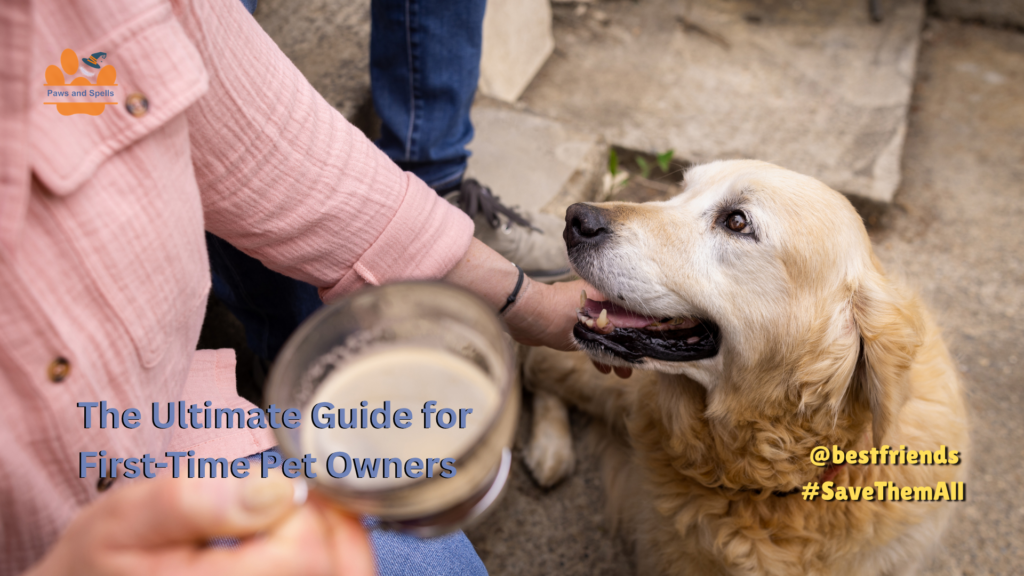
Adopting a gentle giant can profoundly alter one’s life, impacting both the dog and its owner. Despite their considerable size, large breed dogs are frequently misjudged, leading to their presence in shelters. These animals, awaiting a permanent home, are highlighted by the American Pet Products Association (APPA) as deserving of a second opportunity.
Prospective owners can make well-informed choices by grasping the specific requirements and traits of these dogs. With appropriate care and dedication, large breed dogs can evolve into exceptional companions. They offer unwavering loyalty and affection to their new families.
Key Takeaways
- Rescuing large breed dogs can be highly rewarding.
- Many large breed dogs are misunderstood and end up in shelters.
- Understanding their needs is critical for a successful adoption.
- These dogs can make wonderful companions with the right care.
- Organizations like the APPA and ASPCA support pet adoption efforts.
Understanding Large Breed Dogs
It is vital to comprehend the needs and traits of large breed dogs to ensure their well-being. These dogs, such as Great Danes and Mastiffs, are among the largest. Their size necessitates a tailored approach to care.
Regular exercise is essential for their physical health. The American Society for the Prevention of Cruelty to Animals (ASPCA) offers resources on breed-specific needs. They stress the importance of customized care for large breeds.
Definition and Characteristics
Large breed dogs are typically over 50 pounds and stand tall, requiring ample space. Their characteristics vary, from the gentle Bernese Mountain Dogs to the agile Irish Wolfhounds.
Many large breeds are known for their loyal and affectionate nature, making them ideal family pets. Yet, their size and strength demand proper training and socialization from an early stage.
Popular Large Breeds
The Bernese Mountain Dog is renowned for its thick coat and gentle nature. The Irish Wolfhound is admired for its grace and historical importance.
Other notable breeds include the Great Dane, known for its massive size, and the Mastiff, celebrated for its protective instincts. Each breed has unique characteristics and needs, underscoring the need for thorough research by prospective owners.
Benefits of Rescuing Dogs
Choosing to rescue a large breed dog is more than just saving a life; it’s gaining a loyal companion. This act brings numerous benefits to both the dog and the community. The American Society for the Prevention of Cruelty to Animals (ASPCA) notes that adopting pets from shelters significantly reduces the euthanasia rate of animals annually.
Saving Lives
Adopting a large breed dog literally saves a life. Shelters, with their limited space and resources, often face the heartbreaking decision of euthanizing dogs due to overcrowding. By adopting, you provide a loving home to a dog in need and create space for another to be saved. As Rescue Me, a national animal rescue organization, emphasizes, adopting pets is a compassionate act that directly impacts the lives of animals in shelters.
“Adopting a pet from a shelter is a win-win for everyone involved. The animal gets a second chance at a happy life, and the adopter gains a loving companion.”
Reducing Overpopulation
Rescuing large breed dogs is also vital in reducing overpopulation in shelters. By adopting a dog, you make room for another dog in need. This cycle of compassion helps decrease the number of dogs euthanized annually. It also supports organizations working to combat animal overpopulation. The Best Friends Animal Society states, “Adopting a pet is a great way to save a life and reduce the number of animals in shelters.”
It’s important to consider space requirements when rescuing large breed dogs. Ensuring your home has enough space for a large breed dog to live comfortably is essential. This includes having enough room for the dog to move around, exercise, and rest.
In conclusion, rescuing large breed dogs is a rewarding experience with numerous benefits. It not only saves a life but also contributes to reducing overpopulation in shelters. By adopting, you give a deserving animal a second chance at a happy life, and in return, you gain a loyal companion.
Challenges of Large Breed Rescue
Rescuing a large breed dog transcends mere provision of a loving home; it necessitates a deep understanding of their unique challenges. These “gentle giants” bring immense joy but also present specific difficulties. Prospective owners must be well-prepared to handle these challenges.
Space Requirements
Ensuring ample space is a primary challenge in rescuing large breed dogs. They require sufficient room for movement, exercise, and stretching. The American Pet Products Association (APPA) emphasizes the importance of space for their physical and mental well-being.
A suitable home for a large breed dog necessitates a spacious living area and access to outdoor spaces. A large yard is ideal, but for apartment dwellers, regular visits to dog parks or open areas are essential.
Physical Capabilities
Prospective owners must evaluate their physical capabilities to care for a large breed dog. Some breeds demand more exercise and handling than others, posing challenges for those with limited mobility or busy lives. Most large breed dogs require regular, vigorous exercise to remain healthy.
For instance, breeds like Great Danes and Mastiffs need regular walks and playtime. They are not as demanding as more energetic breeds like German Shepherds or Labradors. Understanding the specific exercise needs of the breed is critical for proper care.
| Breed | Exercise Needs | Daily Space Requirements |
|---|---|---|
| Great Dane | Moderate | High |
| German Shepherd | High | High |
| Mastiff | Low-Moderate | High |
Special Dietary Needs
Large breed dogs often require special diets to maintain their health. Feeding them necessitates careful consideration of their nutritional needs, which differ from those of smaller breeds. The ASPCA notes that large breed dogs benefit from balanced diets tailored to their size and activity level.
“Feeding large breed dogs requires a diet that supports their growth and maintains their health. A balanced diet with the right amount of protein, fat, and other nutrients is critical.” – Save-A-Pet USA
Potential owners must be prepared to invest in high-quality dog food that meets their large breed dog’s specific needs. Consulting with a veterinarian to determine the best diet is a recommended step for ensuring the dog’s long-term health.
How to Choose the Right Large Breed
Selecting the appropriate large breed dog necessitates a thorough comprehension of your capacity to fulfill their space, exercise, and care requirements. These dogs possess unique needs, imperative for their well-being and contentment.
Assessing Your Lifestyle
It is essential to evaluate your lifestyle before welcoming a large breed dog into your home. Reflect on your work schedule, travel habits, and the time commitment you can make to your canine companion. The American Pet Products Association (APPA) emphasizes the importance of aligning your lifestyle with your pet’s needs.
- Analyze your daily activities to ascertain if you can allocate sufficient time for dog care and physical activity.
- Assess your living environment: Is it spacious or confined?
- Consider your travel plans: Will you need to arrange for pet care during your absences?
Compatibility with Other Pets
Introducing a new large breed dog to a home with existing pets demands meticulous planning. The American Society for the Prevention of Cruelty to Animals (ASPCA) advocates for a gradual introduction to foster compatibility.
Introducing a new dog to your household can be challenging, but with patience and careful planning, you can create a harmonious home for all your pets.” –
| Pet Type | Compatibility Considerations |
|---|---|
| Small Dogs | Gradual introduction, monitoring for size and energy differences. |
| Cats | Slow introduction, providing separate spaces for cats. |
| Other Large Breeds | Assessing temperament, training for cohabitation. |
By meticulously evaluating your lifestyle and considering compatibility with other pets, you can make an informed decision when selecting the right large breed dog for your family.
Preparing Your Home for a Large Dog
Before welcoming a new gentle giant into your home, thorough preparation is necessary. These large breed dogs, often called “gentle giants,” require a secure and comfortable environment to flourish.
Play Areas and Sleeping Spaces
Large dogs necessitate ample space for both exercise and rest. It is imperative to establish designated play areas and comfortable sleeping spaces. When setting up these spaces, consider the following:
- Ensure there is enough floor space for your dog to move around comfortably.
- Provide a comfortable bed or mattress that supports their joints.
- Keep play areas clear of clutter and hazardous materials.
Safety Measures
Implementing safety measures is essential when preparing your home for a large dog. These dogs can unintentionally cause damage or injury if their environment is not properly secured. Here are some steps to dog-proof your home:
- Secure loose wires and toxic substances out of reach.
- Use baby gates or barriers to restrict access to certain areas.
- Anchor heavy furniture to prevent it from tipping over.
The ASPCA emphasizes the importance of dog-proofing your home for your dog’s safety and well-being. By taking these precautions, you can create a safe and welcoming environment for your new pet.
| Safety Measure | Description | Benefit |
|---|---|---|
| Securing Loose Wires | Use cord protectors or secure wires out of reach | Prevents electrical shock |
| Restricting Access | Use baby gates or barriers | Limits access to hazardous areas |
| Anchoring Furniture | Secure heavy furniture to walls | Prevents furniture from tipping over |
By adhering to these guidelines, you can ensure a comfortable and safe home for your large breed dog. This will allow them to have the exercise and rest they need to thrive.
The Adoption Process for Large Breeds
Grasping the adoption process is essential for harmoniously integrating a large breed dog into your household. This procedure aims to align the dog’s needs with the adopter’s lifestyle, fostering a mutually beneficial relationship.
Finding Reputable Rescue Organizations
The initial step in acquiring a large breed dog is identifying a trustworthy rescue organization. Entities such as the Best Friends Animal Society and the ASPCA offer vast networks and resources to match you with the ideal canine companion. When seeking a rescue organization, consider the following:
- Research their reputation online and solicit recommendations from acquaintances or veterinarians.
- Verify their non-profit status and the transparency of their adoption protocols.
- Confirm they provide ongoing support, including training and behavioral guidance.
Reputable organizations possess in-depth knowledge of the dogs under their care. This includes the breed, temperament, and any unique requirements.
Application and Home Checks
After identifying a credible rescue organization, the subsequent phase involves an application and home assessment. The application will inquire about your lifestyle, experience with dogs, and the environment you can offer a large breed dog.
Home assessments are a critical component of the adoption process. They enable the rescue organization to evaluate the safety and appropriateness of your residence for a large dog. This may entail a visit from a representative who will scrutinize:
- The presence of a secure, fenced area for the dog’s exercise.
- The adequacy of your living space for a large dog’s comfort.
- Your capacity to provide the necessary care and attention.
“The adoption process transcends merely finding a home for a dog; it’s about securing a home where the dog can flourish.” – Best Friends Animal Society
By comprehending and adhering to the adoption process, you can guarantee a fulfilling and enriching experience for both you and your new large breed dog.
Health Considerations for Large Breeds
Large breed dogs, often referred to as gentle giants, necessitate special health considerations. Their size and breed-specific traits pose unique health challenges. Addressing these challenges is essential to ensure they lead healthy, happy lives.
Common Health Issues
Large breed dogs are prone to specific health issues. These include hip dysplasia, certain cancers, and gastric dilatation-volvulus (GDV). Hip dysplasia, a genetic condition, affects the hip joint, causing arthritis and mobility issues. Early detection and regular monitoring are critical in managing these conditions.
According to the American Kennel Club, large breeds face increased health risks. Their rapid growth rate and size contribute to these risks. Understanding these risks is vital for any large breed dog owner.
Importance of Regular Vet Visits
Regular veterinary visits are essential for maintaining the health of large breed dogs. These visits enable early detection of health issues, ensuring timely intervention. The American Pet Products Association (APPA) highlights the significance of regular check-ups in improving the health and longevity of large breed dogs.
Exercise needs are also critical for the health of large breeds. Adequate exercise maintains their physical and mental well-being. It’s important to balance exercise with rest to avoid overexertion, which can lead to injuries.
By understanding common health issues and the importance of regular veterinary care, owners can provide their large breed dogs with the best chance at a long, healthy life.
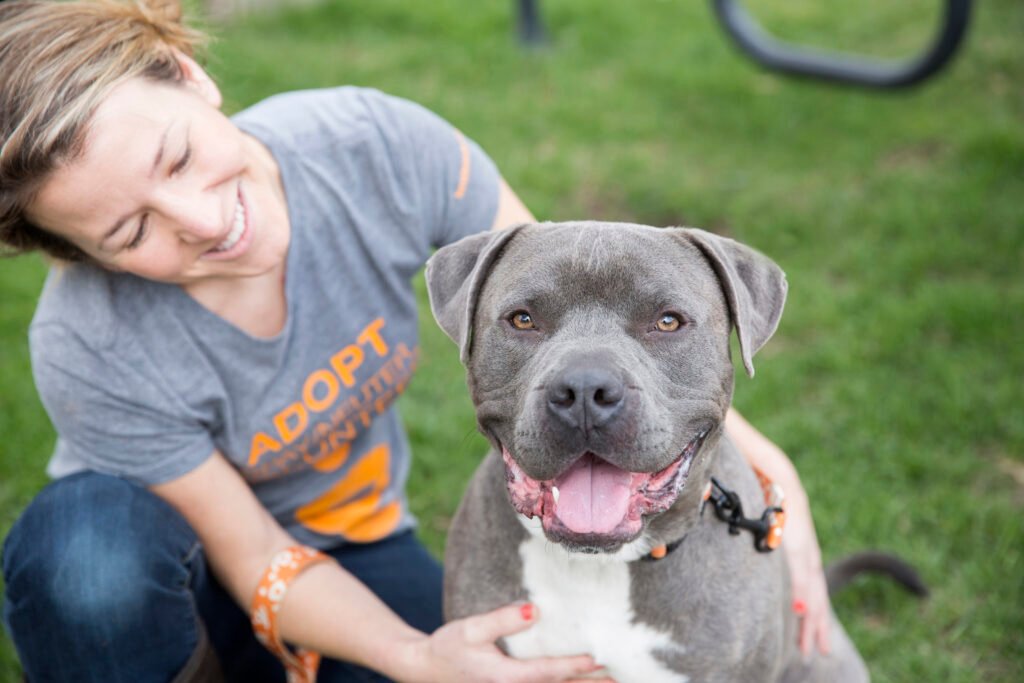
Provide Food and Safety
Help organizations like Best Friends provide the essentials: nutritious food, warmth, and a place to belong.
Training Large Breed Dogs
Effective training is essential for managing the behavior of large breed dogs. These dogs, known for their size and strength, require owners who can provide consistent, positive reinforcement training. The American Society for the Prevention of Cruelty to Animals (ASPCA) emphasizes the importance of early training in developing good behavior.
Basic Commands
Teaching basic commands is the foundation of dog training. Commands such as “sit,” “stay,” and “come” are essential for establishing a strong bond between dog and owner. They ensure the dog’s behavior is manageable. A well-structured training program should include:
- Positive reinforcement techniques
- Consistent practice
- Clear, concise commands
For large breed dogs, it’s also important to consider their space requirements during training. Adequate space allows them to move freely and comfortably, which enhances the training experience.
Addressing Behavioral Issues
Large breed dogs can sometimes develop behavioral issues if not properly trained or socialized. Common issues include pulling on the leash, jumping up, and destructive behavior. Addressing these issues early on is critical.
| Behavioral Issue | Training Solution |
|---|---|
| Pulling on the leash | Practice loose-leash walking |
| Jumping up | Ignore the behavior, reward calmness |
| Destructive behavior | Provide adequate exercise and mental stimulation |
By understanding and addressing these behavioral issues, owners can help their large breed dogs become well-adjusted and well-behaved companions.
Socialization of Rescue Dogs
Large breed rescue dogs, known as “gentle giants,” need careful socialization to ensure they interact well with humans and other animals. This process is critical for their development, helping them become confident and calm in new situations. It reduces the risk of anxiety and aggression. The American Society for the Prevention of Cruelty to Animals (ASPCA) emphasizes the importance of early socialization in a dog’s development.
Importance of Early Socialization
Early socialization is essential for rescue dogs, exposing them to various environments, people, and animals. This helps them become well-adjusted pets. The ASPCA highlights that socialization between 8 and 11 weeks is critical. Proper socialization can significantly reduce the likelihood of behavioral issues later in life.
A well-socialized dog is more likely to be adopted and stay in their forever home. Rescue Me, a reputable rescue organization, notes that socialization makes dogs feel more comfortable and secure. This is vital for large breed dogs, which may be intimidating due to their size.
Techniques for Effective Socialization
Effective socialization involves gradual exposure to new experiences. This can include visits to dog parks, puppy classes, and public areas. It’s essential to monitor the dog’s comfort level and not push them beyond what they can handle.
- Start with small, manageable steps to avoid overwhelming the dog.
- Use positive reinforcement techniques, such as treats and praise, to encourage good behavior.
- Gradually increase the level of exposure to new stimuli.
For large breed dogs, exercise needs are also critical for their socialization and well-being. Regular exercise helps them physically and provides social interaction opportunities. A study by the American Pet Products Association (APPA) highlights the importance of exercise in maintaining a dog’s mental and physical health.
| Socialization Technique | Benefits |
|---|---|
| Puppy Classes | Socialization with other dogs, learning basic commands |
| Dog Parks | Off-leash exercise, interaction with various breeds |
| Public Outings | Exposure to different environments, people, and noises |
Best Friends Animal Society suggests that socialization should be an ongoing process, not limited to the puppy phase. Continuous socialization maintains the dog’s confidence and calm demeanor as they mature.
“Socialization is not just about exposing your dog to new things; it’s about doing so in a way that is positive and enjoyable for them.” – Save-A-Pet USA
Nutrition for Large Breed Dogs
Understanding the nutritional needs of large breed dogs is vital for their care. These dogs have specific dietary requirements that must be met to ensure their overall health and wellbeing.
Understanding Special Dietary Needs
Large breed dogs require a balanced diet that includes the right mix of proteins, fats, carbohydrates, vitamins, and minerals. The American Pet Products Association (APPA) notes that large breed dogs have different nutritional needs compared to smaller breeds. They require more calories due to their size, but the quality of these calories is critical to prevent obesity and other health issues.
Nutritional Requirements for Large Breed Dogs:
| Nutrient | Importance | Recommended Source |
|---|---|---|
| Protein | Essential for muscle development and maintenance | High-quality animal protein sources like chicken or fish |
| Calcium and Phosphorus | Crucial for bone health | Balanced amounts found in large breed dog food |
| Omega-3 Fatty Acids | Supports skin and coat health, as well as joint health | Fish oil or flaxseed |
The American Society for the Prevention of Cruelty to Animals (ASPCA) emphasizes the importance of feeding a balanced diet. It is critical for maintaining health, tailored to the dog’s life stage and lifestyle.
“A well-balanced diet is fundamental to the health of large breed dogs. Ensuring they receive the right nutrients in the correct proportions is key to preventing health issues.”
Proper Portion Control
Proper portion control is critical to prevent overfeeding, which can lead to obesity, a common issue in large breed dogs. The APPA suggests that pet owners follow the feeding guidelines provided by the dog food manufacturer. Adjustments should be made based on the dog’s individual needs, activity level, and health status.
To manage portion control effectively, owners should monitor their dog’s weight and adjust food intake. Regular consultations with a veterinarian can also help determine the ideal feeding schedule and amount.
In conclusion, understanding and meeting the nutritional needs of large breed dogs is essential for their health and longevity. By providing a balanced diet and practicing proper portion control, owners can help prevent common health issues associated with large breeds.
The Role of Foster Homes
The significance of foster homes in the rehabilitation and care of large breed dogs is immense. They offer a nurturing environment that is vital for the dogs’ well-being. Foster homes serve as a safe haven where these gentle giants can receive the care, love, and socialization they need. This is until they are adopted into their forever homes.
Benefits of Fostering Large Breeds
Fostering large breed dogs offers numerous benefits for both the dogs and the foster families. One of the primary advantages is the socialization of these dogs, which is critical for their behavioral development. Foster homes provide:
- Basic training and housebreaking
- Exposure to various environments and people
- A stable and loving environment that helps reduce stress and anxiety
Further, fostering helps rescue organizations like Save-A-Pet USA and the ASPCA by freeing up space in shelters. This allows them to take in more dogs in need. For foster families, the experience is incredibly rewarding. It teaches valuable lessons about responsibility and compassion.
Transitioning from Foster to Forever Home
The transition from a foster home to a forever home is a critical period for large breed dogs. Foster families play a vital role in preparing these dogs for their new homes. They provide a structured routine and basic training. When adopting, it’s essential for the new owners to understand the space requirements and needs of their new pet. This ensures a smooth transition.
“The love and care provided by foster families are instrumental in helping large breed dogs become well-adjusted and loving companions in their forever homes.” – Best Friends Animal Society
By working together, foster homes and adoptive families can ensure that large breed dogs receive the love, care, and support they need to thrive.
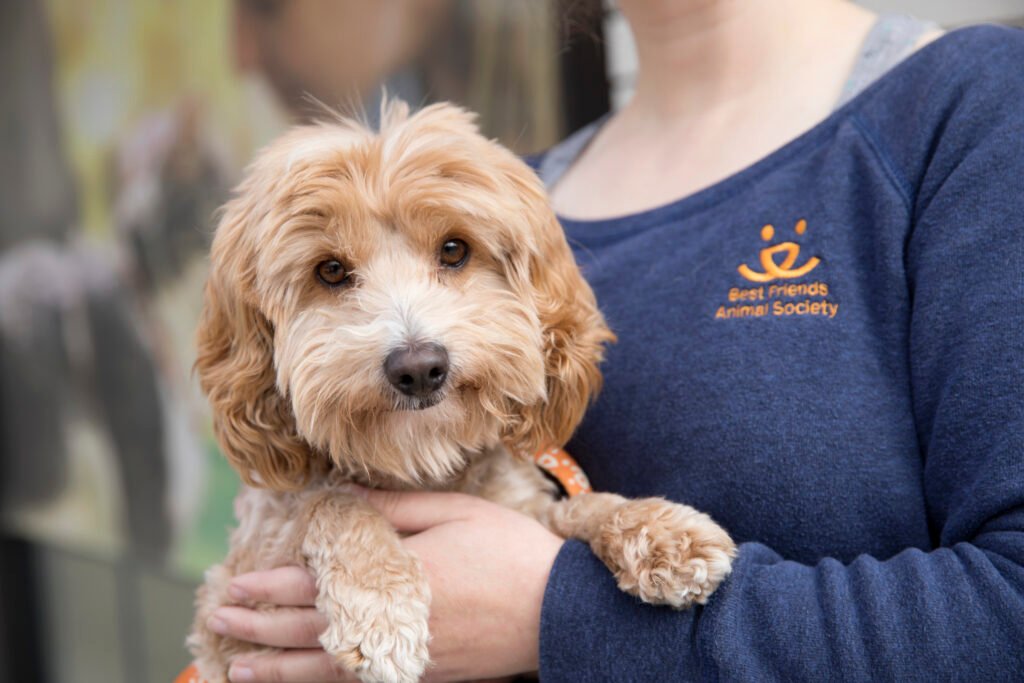
Support a Shelter Today
Your contribution provides urgent medical care and safe shelter for animals in need.
Building a Support System
Creating a strong support network is essential for large breed dog owners. It ensures a balanced and healthy bond with their pets. A well-rounded support system offers valuable resources, expert guidance, and a sense of belonging. This makes the journey of dog ownership more rewarding and less daunting.
Joining Local Dog Owner Groups
Joining local dog owner groups is a powerful way to build a support network. These groups provide a space for owners to exchange experiences, seek advice, and connect with others who face similar joys and challenges. The American Pet Products Association (APPA) highlights the benefits of engaging in such groups, significantly improving the pet ownership experience.
These groups often host events, training sessions, and meetups. They offer chances for socialization and learning. For example, owners can discover how to meet their dogs’ exercise needs and ensure they live active, healthy lives.
| Benefits of Joining Local Dog Owner Groups | Description |
|---|---|
| Community Support | Connect with other dog owners who share similar experiences and challenges. |
| Expert Advice | Gain insights from experienced dog owners and trainers. |
| Socialization Opportunities | Participate in events and meetups that help socialize your dog. |
Resources for Training and Care
Access to training and care resources is also critical. Organizations like the ASPCA and local animal shelters offer essential information. They cover dog training, health care, and nutrition. For instance, owners can learn about the necessity of regular vet visits and how to manage common health issues in Large Breed Dogs.
Utilizing these resources ensures dogs receive top-notch care. This includes understanding their dietary needs, implementing effective training methods, and staying updated on health concerns that might affect them.
Success Stories of Rescued Large Breeds
Rescuing gentle giants has evolved into a deeply rewarding endeavor for many pet owners. Witnessing these dogs transition from rescue to cherished family member showcases the transformative power of love and care.
Heartwarming Transformations
Organizations like Best Friends Animal Society frequently share narratives of large breed dogs rescued and adopted. These accounts underscore the resilience and adaptability of these gentle giants.
For example, a Great Dane named Max, rescued from a shelter, became a therapy dog, spreading joy to numerous individuals. Such transformations are not merely heartwarming but also highlight the capacity of large breed dogs to flourish in suitable environments.
Community Impact
The influence of rescuing large breed dogs transcends the individual dog and owner. It profoundly impacts the community, fostering a culture of compassion and responsibility.
Communities rallying behind large breed rescues witness a significant shift in awareness and behavior towards animal welfare. For instance, local initiatives by Save-A-Pet USA not only facilitate adoptions but also educate the public about the space requirements and needs of large breed dogs.
| Organization | Location | Impact |
|---|---|---|
| Best Friends Animal Society | Utah | National leadership in no-kill movement |
| Save-A-Pet USA | Multiple locations | Community education and adoption services |
| ASPCA | National | Advocacy and resources for animal welfare |
These success stories and community initiatives highlight the critical role of ongoing support for large breed dog rescues. By doing so, we not only enhance the lives of these dogs but also enrich our communities.
The Responsibilities of Ownership
Owning a large breed dog necessitates a profound comprehension of the responsibilities entailed, encompassing their lifespan and specific needs. These dogs, celebrated for their gentle disposition and remarkable stature, necessitate a dedication to their care spanning over a decade.
Long-Term Commitment
Adopting a large breed dog signifies a long-term pledge, potentially enduring between 8 to 12 years or more, contingent upon the breed and health status. The American Pet Products Association (APPA) emphasizes the importance of grasping the lifespan of various breeds for prospective owners.
- Lifespan: Research the average lifespan of the breed you’re interested in.
- Health: Be aware of common health issues associated with large breeds.
- Exercise Needs: Large breed dogs require regular exercise to maintain their health.
Understanding Lifespan and Aging
Large breed dogs generally exhibit shorter lifespans compared to their smaller counterparts. As they mature, their requirements evolve, necessitating adjustments in their care regimen. For example, older dogs might necessitate less physical activity but more frequent veterinary consultations.
It’s essential to plan for the long-term care of your large breed dog, including their exercise needs, dietary requirements, and health checks.
By comprehending the responsibilities inherent in owning a large breed dog, one can better prepare for the commitment. Resources from organizations like the American Society for the Prevention of Cruelty to Animals (ASPCA) and Rescue Me offer invaluable insights into caring for these magnificent creatures.
Encouraging Adoption in Your Community
Communities play a vital role in the lives of gentle giants by fostering the adoption of large breed dogs. Organizations such as Rescue Me and Save-A-Pet USA frequently host or participate in adoption events. These events offer a chance for these dogs to find their forever homes.
Organizing Successful Adoption Events
To host successful adoption events, collaboration with local shelters and rescue groups is essential. These gatherings must be widely promoted through social media and local newspapers to draw in adopters. It’s critical to ensure the event is well-organized and provides a welcoming atmosphere for both the dogs and prospective adopters.
Spreading Awareness on Social Media
Social media platforms are instrumental in raising awareness about the adoption of large breed dogs. Sharing touching stories, photos, and videos of these gentle giants can help attract adopters. Using hashtags and tagging relevant organizations can expand the reach of the message, engaging a wider audience.
Through collective efforts, communities can significantly reduce the number of large breed dogs in shelters. This enables these deserving animals to find loving homes.
FAQ
What are the exercise needs of large breed dogs?
How much space do large breed dogs need?
Are large breed dogs suitable for families with small children?
What are the common health issues in large breed dogs?
How can I prepare my home for a large breed dog?
What is the adoption process for large breed dogs?
How can I train my large breed dog?
What are the nutritional needs of large breed dogs?
References:
This article was created based on information from the following authoritative sources: American Society for the Prevention of Cruelty to Animals (ASPCA), Best Friends Animal Society, and The Humane Society of the United States