Have ever wondered what your furry friend is thinking when they greet the front door with a favorite object in their mouth? This endearing habit is more than just a simple game.
For many pets, this ritual signals pure excitement. It’s a heartfelt way for a companion to express genuine joy after a long day apart.
Understanding these greeting patterns helps pet parents interpret a unique communication style. By observing these moments, you gain insight into the instincts that drive such behavior.
This article explores the psychology behind this habit. We will examine how these interactions strengthen the bond shared between humans and their loyal animals.
Key Takeaways
- Greeting rituals often signal excitement and affection.
- Offering an object is a way to initiate social interaction.
- This behavior helps reduce stress after being left alone.
- It reflects a desire to share positive experiences with owners.
- Recognizing these cues improves the human-animal connection.
Understanding Your Dog’s Behavior
Ever wondered why your dog brings you a toy as soon as you get home? This dog behavior is a loving gesture. It shows how your pet sees your bond. By watching these actions, you learn a lot about your dog’s view of your relationship.
The Natural Instincts Behind Toy Offering
Many canine habits today come from ancient instincts. In the wild, dogs shared resources to strengthen bonds. When your dog gives you a toy, they want to connect with you as their pack leader.
This act is more than just play. It’s a sign of trust and affection. By giving you their favorite toy, your dog feels safe and loved. Understanding this dog behavior shows how loyal your pet is to you every day.
The Role of Play in Dog Socialization
Play is key for learning and social growth. It helps dogs feel confident and understand social signals. These canine habits keep their temperament balanced and healthy.
The table below shows how play styles meet your dog’s social needs:
| Play Style | Primary Meaning | Social Benefit |
|---|---|---|
| Toy Offering | Seeking Connection | Builds Mutual Trust |
| Gentle Tug | Cooperative Effort | Develops Teamwork |
| Chasing Games | High Energy Release | Improves Coordination |
| Soft Mouthing | Affectionate Bonding | Teaches Bite Inhibition |
The Bonding Experience
When a dog brings you a toy, it’s more than just a gift. It’s a deep connection between you and your pet. This act shows a desire for closeness and joy.
Strengthening Your Relationship Through Play
Playing together is a special way to communicate without words. By playing, you show your dog you value their connection. This strengthens your bond and makes your life together better.
Playing shows respect and builds trust. It means your dog sees you as a trusted friend. Regular playtime makes them feel safe and loved at home.
How Toy Sharing Enhances Trust
When your dog shares a favorite toy, it’s a big deal. It shows they trust you enough to give up something precious. This trust is a sign of a strong bond.
Understanding pet psychology helps you see the value of this trust. Your dog trusts you with their most treasured things. By recognizing this, you can grow that trust every day.
These small moments are the foundation of a lifelong friendship. By embracing them, you make your dog feel loved, secure, and understood. This is the key to a harmonious and trusting relationship.
Communication Through Toys
When your dog brings you a toy, they’re trying to talk to you. These canine habits are not random. They are intentional attempts to share their current state of mind with you. By paying close attention to how they approach you, you can better understand their needs.
Interpreting Your Dog’s Body Language
To decode these messages, look at your dog’s overall posture. A relaxed body with a loose, wagging tail usually indicates a friendly request for interaction. If your dog is stiff or staring intensely, they might be feeling anxious and are using the toy as a comfort object to soothe themselves.
Understanding these subtle cues helps you distinguish between a desire for play and a need for reassurance. For very excitable dogs, holding a toy can actually help them stay calmer. It keeps their mouth busy in a positive way, providing a healthy outlet for their nervous energy.
Signs Your Dog Wants to Play
When your dog is ready for a game, their body language will shift significantly. You might notice the classic “play bow,” where their front legs are lowered while their rear end stays high in the air. This is a universal signal that they are ready for fun.
Another clear indicator is the way they engage in dog toy fetching. If they drop the toy at your feet and look at you with bright, alert eyes, they are clearly inviting you to participate. Consistency is key when responding to these signals, as it reinforces the bond you share and ensures your dog feels heard and understood.
Encouraging Healthy Play
Creating a balanced play routine is key for responsible pet owners. By offering a variety of items, you tap into pet psychology. This keeps your dog mentally sharp and physically fit. A diverse toy collection prevents boredom and keeps your companion engaged all day.
Choosing the Right Toys for Your Dog
Choosing the perfect toy means understanding your dog’s personality and chewing habits. Look for items that serve different purposes to keep playful pup behavior constructive. Here are some categories to consider:
- Interactive puzzles: These are excellent for mental stimulation and problem-solving.
- Durable chew toys: Ideal for satisfying natural urges and maintaining dental health.
- Soft plush toys: Great for comfort and gentle play sessions.
- Fetch toys: Perfect for burning off excess energy in open spaces.
Balancing Playtime and Rest
While activity is vital, knowing when to stop is equally important for your dog’s well-being. Overstimulation can lead to stress. So, you must monitor your dog for signs of fatigue. Applying pet psychology helps you recognize when it’s time for a quiet period.
Always ensure your dog has a safe, quiet space to retreat to after intense activity. This balance helps regulate playful pup behavior and prevents your dog from becoming overtired or anxious. Remember, consistent rest is just as essential as exercise for a happy, healthy pet.
Addressing Unwanted Behavior
Understanding dog behavior is key when play gets too intense. Sharing toys shows love, but sometimes your pet’s excitement can be too much. It might disrupt or demand too much attention.
When Toy Offering Becomes Excessive
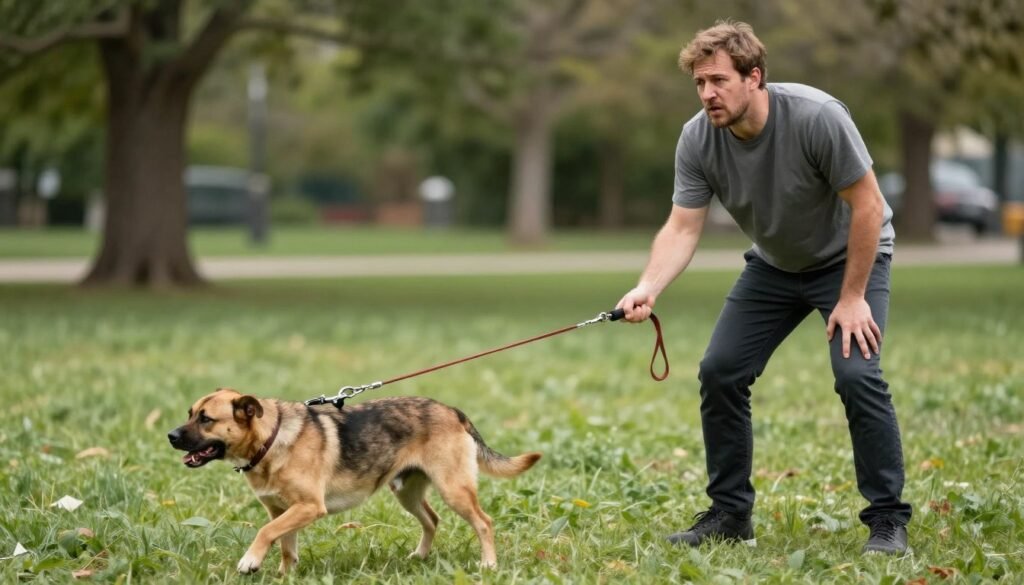
A dog might keep offering toys, even when you’re busy or need a break. This can get worse if they think the only way to get your attention is by being persistent.
Watch out for resource guarding. This is when a dog gets very protective of their toys. If they growl, stiffen, or hide their toy when you try to take it, they’re feeling threatened or very protective.
Solutions for Redirecting Attention
Handling these situations needs patience and a steady training approach. By setting clear rules, you can teach your pet when it’s playtime and when it’s time to calm down.
Here are some good ways to improve your dog’s dog behavior during play:
- Implement a “Drop It” command: Teaching your dog to drop a toy on command helps avoid possessiveness and keeps play in check.
- Use scheduled play sessions: Instead of letting them play with toys all day, play at set times to cut down on constant requests.
- Redirect with a calm activity: If your dog gets too rowdy, ask them to “sit” or “stay” and reward them with a treat or some quiet petting.
- Avoid forced interaction: If your dog guards their toys, give them space and talk to a professional trainer to help with their anxiety.
Being consistent is the best way to keep interactions positive. By watching dog behavior closely, you can build a respectful relationship. Both you and your pet will feel safe and comfortable.
The Benefits of Interactive Play
Playing with your pet has a big impact on their happiness. It’s more than just fun. It’s a way to show you care.
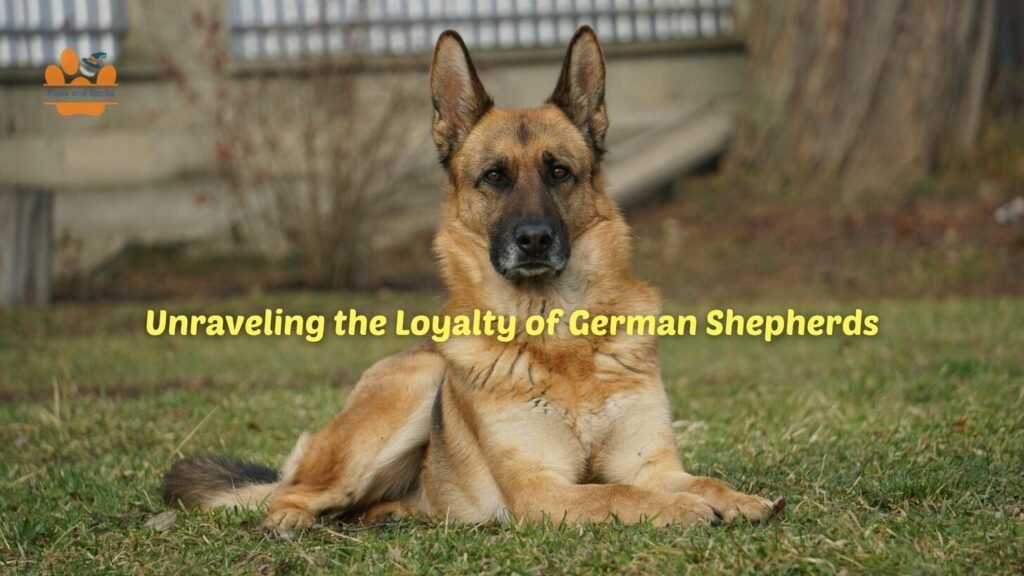
Dogs like Retrievers, Labradors, and German Shepherds love to play. But each dog is different. Some love to fetch, while others don’t. Knowing your dog’s personality helps you play in a way that keeps them happy and sharp.
Fostering Physical and Mental Stimulation
Playing keeps your dog healthy and focused. It helps them stay at a good weight and avoid bad habits. Regular play keeps them agile and sharp, for their whole life.
Building Skills Through Engaging Toys
Choosing the right toys, like those from Kong or Chuckit!, is important. Dogs bring you toys because they want to connect and have fun together. Playing with them strengthens your bond, creating moments of trust and love.
Why does my dog bring me a toy when I come home?
Does dog toy fetching always mean they want to play a game?
Why does my dog wag their whole body when they have a toy in their mouth?
Is it normal for my dog to bring toys to guests?
How does pet psychology explain why dogs “parade” their toys around?
Can why dogs bring you toys be related to their breed’s history?
References:
This article was created based on information from the following authoritative sources: American Society for the Prevention of Cruelty to Animals (ASPCA)and Association of Professional Dog Trainers (APDT).