Choosing the right kitten nutrition is crucial for a kitten’s growth and development. A well-balanced diet helps support their overall health, from a shiny coat to strong bones.
According to Ashley Gallagher, DVM, “Start by discussing the diet you intend to select with your veterinarian to ensure it is balanced and specially formulated for your growing kitten.” This expert advice highlights the importance of consulting with a veterinarian to make informed decisions about your kitten’s diet.
We will guide you through the process of selecting the best kitten food that meets your kitten’s nutritional needs, ensuring they receive the best possible start in life.
Key Takeaways
- Consult with a veterinarian to determine the best diet for your kitten.
- Ensure the chosen kitten food is balanced and specially formulated for growth.
- Consider factors such as age, breed, and health conditions when selecting kitten food.
- A well-balanced diet supports overall health and development.
- Regular check-ups with a veterinarian can help monitor a kitten’s health and adjust their diet as needed.
The Crucial First Year: Why Kittens Need Special Nutrition
The first year of a kitten’s life is a period of rapid growth and development, requiring specialized nutrition. During this critical period, kittens undergo significant developmental milestones that are directly influenced by their nutritional intake.
Developmental Milestones and Nutritional Requirements
Kittens experience rapid growth and development in their first year, with their nutritional needs being paramount. Some key developmental milestones include:
- Doubling their birth weight within the first week
- Reaching about 75% of their adult size by 6 months
- Developing their immune system and gut health
Nutritional requirements to support these milestones include:
- High-quality protein for muscle development
- Essential fatty acids, such as DHA, for brain and eye development
- Vitamins and minerals for overall health and development
As noted by Ashley Gallagher, DVM, “A kitten’s nervous system is dependent on the essential fatty acid DHA,” highlighting the importance of specific nutrients during this period.
How Kitten Nutrition Differs from Adult Cats
Kitten nutrition differs significantly from adult cat nutrition due to their unique growth and developmental needs. Kittens require more protein, calories, and certain nutrients compared to adult cats. Their diet must support rapid growth, including the development of bones, muscles, and organs. Additionally, kittens need nutrients that support their immune system and overall health.
Unlike adult cats, kittens have a higher demand for certain nutrients like DHA, arachidonic acid, and vitamin A. Their diet should be formulated to meet these specific needs, ensuring they receive the necessary building blocks for optimal growth and development.
Essential Nutrients in Quality Kitten Food
As obligate carnivores, kittens have specific dietary requirements that are vital for their overall well-being. Their diet must be rich in certain nutrients to support their rapid growth and development. We will explore the key components of quality kitten food, focusing on proteins, fats, vitamins, and minerals.
Protein Requirements for Growing Kittens
Protein is a critical component of a kitten’s diet, supporting their growth and development. Kittens require a higher protein intake compared to adult cats, and the quality of this protein is paramount.
Animal-Based vs. Plant-Based Proteins
Cats are obligate carnivores, meaning they need animal protein to survive and thrive. Animal-based proteins provide essential amino acids that are vital for kitten development.
| Protein Source | Amino Acid Profile | Bioavailability |
|---|---|---|
| Chicken | High in essential amino acids | Excellent |
| Fish | Rich in omega-3 fatty acids and amino acids | High |
| Plant-Based | Lacking in certain essential amino acids | Lower |
Amino Acid Profile Importance
The amino acid profile of a protein source is crucial, as it determines the protein’s quality and utility for kitten growth. Essential amino acids like taurine, arginine, and methionine are particularly important.
Fats and Fatty Acids for Development
Fats are another essential nutrient for kittens, providing energy and supporting the development of their nervous system and skin health. Omega-3 and omega-6 fatty acids are particularly important.
Vitamins and Minerals for Healthy Growth
Vitamins and minerals play a vital role in kitten development, supporting various bodily functions from immune response to bone growth. Ensuring adequate intake of these micronutrients is crucial for overall health.
Types of Kitten Food: Pros and Cons
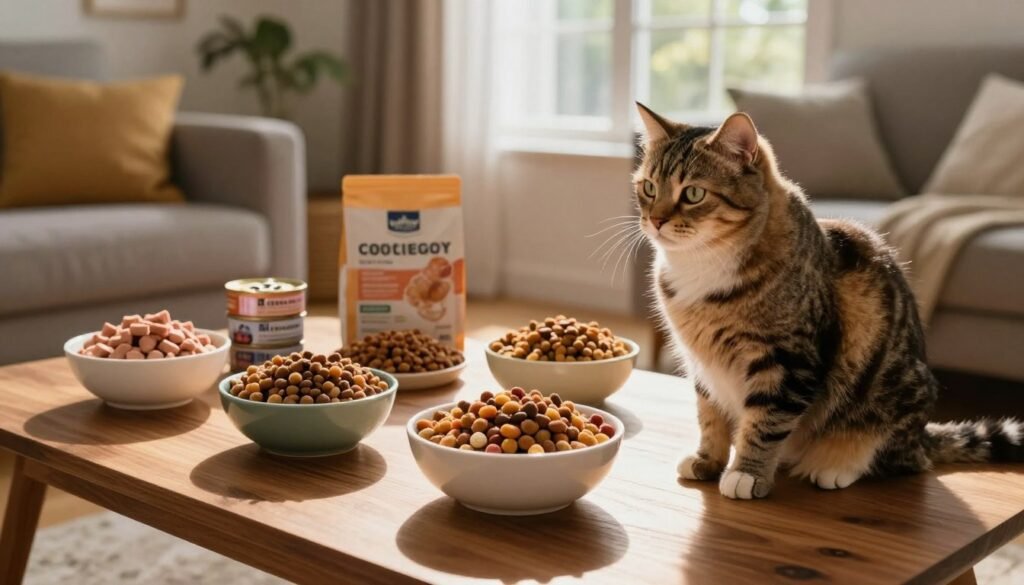
The variety of kitten food on the market can be overwhelming, making it crucial to understand the differences between types. As a kitten owner, you’re faced with decisions that can impact your pet’s health and wellbeing. Let’s explore the main types of kitten food: dry kibble, wet food, and semi-moist or raw alternatives.
Dry Kibble Options
Dry kibble is a popular choice among kitten owners due to its convenience and dental health benefits.
Benefits for Dental Health
Dry kibble helps reduce tartar and plaque, promoting healthier gums and teeth.
Storage and Convenience Factors
1. Easy to store for long periods without refrigeration.
2. Convenient for free-feeding, as it doesn’t spoil quickly.
However, dry kibble may not be as palatable or hydrating as other options.
Wet Food Varieties
Wet food is often considered more appealing to kittens and provides essential hydration.
Hydration Benefits
Wet food contributes significantly to a kitten’s daily water intake, supporting urinary health.
Palatability and Texture Options
1. High palatability, encouraging eating.
2. Variety of textures, from pate to chunks.
Despite its benefits, wet food requires more frequent feeding and can be more expensive.
Semi-Moist and Raw Food Alternatives
Semi-moist and raw food options offer alternative diets that can be more akin to a kitten’s natural diet.
1. Semi-moist food offers a compromise between dry kibble and wet food in terms of moisture content and palatability.
2. Raw diets can be highly palatable and nutrient-rich but require careful handling to avoid contamination.
| Type of Food | Pros | Cons |
|---|---|---|
| Dry Kibble | Convenient, dental health benefits | Less palatable, lower hydration |
| Wet Food | High palatability, hydration benefits | More expensive, requires frequent feeding |
| Semi-Moist/Raw | Palatable, nutrient-rich | Risk of contamination, handling challenges |
Ultimately, the gold standard is to feed a wet food that is low in carbohydrates and high in protein. However, a balanced approach that considers your kitten’s individual needs, lifestyle, and preferences is key to making an informed decision.
How to Read and Understand Kitten Food Labels
Understanding kitten food labels is crucial for making informed decisions about your pet’s nutrition. Kitten food labels provide essential information about the nutritional content and ingredients of the food.
Decoding the Guaranteed Analysis
The Guaranteed Analysis section on kitten food labels lists the minimum or maximum percentages of certain nutrients, such as crude protein, crude fat, crude fiber, and moisture. This information helps you understand the nutritional profile of the food.
Ingredient Lists: Red Flags and Green Lights
When examining the ingredient list, look for:
- Named protein sources (e.g., chicken, salmon) as the first ingredient.
- Whole grains or vegetables as additional ingredients.
- Red flags include unnamed protein sources (e.g., “meat” or “by-products”), artificial preservatives, and fillers like corn or wheat.
Regulatory Standards and Certifications
Look for labels that state the food is “complete and balanced” according to the AAFCO (Association of American Feed Control Officials) standards for growth. This ensures the food meets the necessary nutritional requirements for kittens.
By understanding kitten food labels, you can make informed choices about your kitten’s diet and ensure they receive the nutrients they need for healthy growth and development.
Ingredients to Seek in Premium Kitten Food
Premium kitten food is defined by its high-quality ingredients, which play a vital role in your kitten’s development. When selecting a kitten food, it’s essential to look for specific ingredients that support healthy growth and development.
High-Quality Named Protein Sources
High-quality named protein sources are crucial in kitten food. These protein sources should be clearly identified on the label, such as “chicken,” “salmon,” or “lamb.” We should look for protein sources that are rich in essential amino acids, which are vital for muscle development and overall health. According to experts, named protein sources are more desirable than generic terms like “meat” or “by-products.”
Some examples of high-quality named protein sources include:
- Chicken
- Salmon
- Lamb
- Turkey
Beneficial Fats and Oils
Beneficial fats and oils are another critical component of premium kitten food. These ingredients support skin and coat health, as well as brain and eye development. Kittens require a higher amount of DHA (docosahexaenoic acid) to ensure proper development of their brain, eyes, and ears. As a veterinarian notes, “Kitten diets should have a higher amount of DHA to make sure the brain, eyes, and ears all develop properly.”
Some beneficial fats and oils to look for include:
- Fish oil
- Coconut oil
- Flaxseed oil
Appropriate Carbohydrates and Fiber
While protein is a critical component of kitten food, appropriate carbohydrates and fiber are also essential. Whole grains, fruits, and vegetables can provide the necessary carbohydrates and fiber. We should look for complex carbohydrates that are rich in fiber, such as brown rice, oats, and sweet potatoes. These ingredients support healthy digestion and can help prevent gastrointestinal issues.
By focusing on these key ingredients, you can ensure that your kitten is receiving the nutrients they need to thrive.
Harmful Ingredients to Avoid in Kitten Food
The quality of kitten food is significantly influenced by the ingredients used, and some can be detrimental to a kitten’s well-being. As we discussed earlier, many dry foods are of poor quality, making it essential to do additional homework to find nutritious options. When evaluating kitten food, it’s crucial to identify and avoid harmful ingredients that can impact your pet’s health.
Questionable Fillers and By-products
Fillers and by-products are often used in kitten food to reduce costs. However, these ingredients can be detrimental to a kitten’s health. Fillers such as corn, wheat, and soy provide little nutritional value and can cause digestive issues. By-products, which can include animal parts not typically considered edible, may contain harmful substances. We should be cautious of these ingredients when selecting a kitten food.
| Harmful Ingredient | Potential Health Risk |
|---|---|
| Corn, Wheat, Soy | Digestive issues, low nutritional value |
| Animal By-products | Potential for harmful substances, low quality protein |
Artificial Additives and Preservatives
Artificial additives and preservatives are used to enhance the appearance and shelf life of kitten food. However, these can have negative health implications. Artificial colors and flavor enhancers can cause allergic reactions, while preservatives like BHA, BHT, and ethoxyquin have been linked to health issues. Opting for natural preservatives like vitamin C or E is a safer choice.
By being aware of these harmful ingredients and choosing kitten food wisely, we can help ensure our pets lead healthier lives. Always read labels carefully and research the manufacturer’s practices to make informed decisions.
Age-Appropriate Feeding: Kitten Food Transition Timeline
Transitioning your kitten to the right food at the right time is vital for their overall health and development. As kittens grow, their nutritional needs change significantly, and following an age-appropriate feeding schedule is crucial.
Weaning to Solid Food
The weaning process typically begins when kittens are around 3-4 weeks old. At this stage, they start to show interest in their mother’s food or solid foods. Weaning should be a gradual process to prevent digestive upset. Start by mixing a small amount of kitten food with their mother’s milk or a milk replacer, gradually increasing the proportion of solid food over the next few weeks.
Optimal Feeding Schedule by Age
Kittens have different nutritional requirements at various stages of their growth. Here’s a general guideline for feeding kittens:
- 0-4 weeks: Mother’s milk or milk replacer
- 4-6 weeks: Gradually introduce solid kitten food
- 6-12 weeks: Feed 3-4 times a day
- 3-6 months: Feed 3 times a day
- 6 months and older: Gradually switch to twice a day
When and How to Transition to Adult Food
Kittens typically reach adulthood between 9-12 months of age. The transition to adult food should be gradual to prevent gastrointestinal upset. Start by mixing a small amount of adult food with their current kitten food, gradually increasing the proportion over 7-10 days. It’s also important to choose an adult food that meets your cat’s nutritional needs, considering factors like lifestyle (indoor vs. outdoor) and health conditions.
A sudden diet change can lead to gastrointestinal upset and may also create stress while he adjusts to his new environment. Therefore, any changes should be made gradually and under observation.
Top 10 Recommended Kitten Food Brands
The right nutrition is vital for your kitten’s growth, and our list of top 10 kitten food brands is designed to help you make an informed choice. With various options available, it’s essential to select a brand that meets your kitten’s specific needs.
Premium Commercial Options
Premium kitten food brands offer high-quality ingredients and formulations tailored to support healthy development. Within this category, there are different approaches to nutrition.
Grain-Free Formulations
- Hill’s Science Diet Grain-Free Kitten Food: Made with high-quality protein sources and essential vitamins and minerals.
- Merrick Grain-Free Kitten Food: Contains real meat and is free from artificial preservatives.
Grain-Inclusive Quality Brands
- Royal Canin Kitten Food: Formulated to meet the nutritional needs of kittens, with a blend of grains and proteins.
- Purina Pro Plan Kitten Food: Offers a balanced diet with whole grain oats and high-quality protein.
Budget-Friendly Quality Choices
Not all high-quality kitten food has to break the bank. Several budget-friendly options provide excellent nutrition without the premium price tag.
- Blue Buffalo Life Protection Formula Kitten Food: Rich in antioxidants and whole grains.
- Iams Proactive Health Kitten Food: Offers a balanced diet with essential nutrients.
Veterinary-Exclusive Formulas
Some kitten food brands are available exclusively through veterinarians, offering specialized nutrition for specific health needs.
- Hill’s Prescription Diet Kitten Food: Formulated for kittens with sensitive stomachs or specific dietary needs.
- Royal Canin Veterinary Diet Kitten Food: Provides targeted nutrition for kittens with particular health concerns.
When selecting a kitten food brand, it’s crucial to read the label carefully, as some adult cat foods may not be suitable for kittens. Our top 10 list includes a mix of premium, budget-friendly, and veterinary-exclusive options to help you find the best fit for your kitten.
By considering these top brands and understanding your kitten’s individual needs, you can make an informed decision that supports their health and well-being.
Special Dietary Needs: Specialized Kitten Food
Not all kittens thrive on standard kitten food; some need specialized nutrition due to health conditions or sensitivities. We will explore the types of specialized kitten food available for these unique needs.
Food for Sensitive Digestion
Kittens with sensitive digestion require food that is easy on their stomachs. Specialized formulas often include prebiotics and probiotics to support gut health. These ingredients help maintain a healthy balance of bacteria, reducing the risk of digestive upset.
Hypoallergenic and Limited Ingredient Diets
For kittens suffering from food allergies or sensitivities, hypoallergenic diets can be a solution. These diets typically feature novel protein sources and limited ingredients, making it easier to identify and avoid allergens. Limited ingredient diets simplify the ingredient list, reducing the chance of adverse reactions.
Prescription Foods for Health Conditions
Kittens diagnosed with specific health conditions may require prescription foods. These diets are formulated to manage conditions such as urinary tract health or food allergies. For instance, kittens with diabetes or kidney disease may benefit from canned food as part of their treatment plan, as it provides the necessary hydration and nutrients.
A case study illustrating the importance of specialized kitten food involves a kitten named Max, who suffered from persistent digestive issues. After switching to a hypoallergenic diet with a novel protein source, Max’s symptoms significantly improved, demonstrating the impact of tailored nutrition on kitten health.
Homemade Kitten Food: Benefits and Risks
Many pet owners consider homemade diets for their kittens, but it’s crucial to understand the benefits and risks involved. Feeding your kitten homemade food can offer several advantages, including the ability to tailor the diet to their specific needs and avoid unwanted additives found in commercial foods.
However, creating a balanced and nutritious homemade diet requires careful planning and attention to detail. Kittens have different nutritional requirements than adult cats, and their diet must support their rapid growth and development.
Nutritional Considerations for DIY Diets
When formulating a homemade diet for your kitten, it’s essential to ensure that it contains the right balance of nutrients. Kittens require a diet rich in protein and fat, along with essential vitamins and minerals. Cats are obligate carnivores, meaning they need a diet high in animal-derived ingredients.
We must consider the moisture content in their diet, as cats need the moisture in their diets to keep them well-hydrated. A homemade diet can be formulated to meet these needs, potentially reducing the risk of urinary issues and promoting overall health.
Safe Recipes and Preparation Methods
To create a safe and healthy homemade kitten food, we recommend starting with simple recipes that include named protein sources like chicken or salmon, along with appropriate vegetables and supplements. A basic recipe might include:
- 1 pound of cooked chicken
- 1/4 cup of cooked brown rice
- 1/4 cup of finely chopped vegetables (such as carrots or green beans)
- 1 tablespoon of fish oil
- 1 teaspoon of flaxseed oil
It’s crucial to consult with a veterinarian or a certified animal nutritionist to ensure that the recipe meets your kitten’s nutritional needs and to discuss the best preparation methods to avoid contamination and nutritional deficiencies.
Common Mistakes When Selecting Kitten Food
The process of selecting kitten food can be daunting, and several common pitfalls await unwary pet owners. Making informed decisions is crucial for the health and well-being of kittens.
Choosing Based on Marketing Rather Than Nutrition
Many pet owners are swayed by attractive packaging and marketing claims rather than the nutritional content of the food. It’s essential to look beyond the marketing and focus on the ingredient list and nutritional profile. We should prioritize food that meets our kitten’s nutritional needs over food that looks appealing on the shelf.
Ignoring Individual Needs and Preferences
Every kitten is unique, with different needs and preferences. Ignoring these individual differences can lead to nutritional deficiencies or allergies. We need to observe our kitten’s response to food and adjust their diet accordingly, considering factors like sensitivity to certain ingredients.
Improper Feeding Practices and Portion Control
Free feeding, or leaving food out all the time, often leads to overeating and weight gain as kittens reach adulthood. Establishing a regular feeding schedule and controlling portion sizes is vital. We should follow the feeding guidelines provided by the manufacturer and adjust based on our kitten’s growth and activity level.
To avoid these common mistakes, we can follow a simple checklist:
- Prioritize nutritional content over marketing appeal
- Consider individual kitten needs and preferences
- Implement proper feeding practices and portion control
By being mindful of these factors, we can make informed decisions that support our kitten’s health and development.
Monitoring Your Kitten’s Response to Food
The key to knowing if your kitten is on the right nutritional path lies in monitoring their overall health and behavior. As a responsible pet owner, it’s crucial to observe and understand the signs that indicate whether your kitten is thriving on their current diet.
Physical Signs of Proper Nutrition
A well-nourished kitten will exhibit certain physical characteristics that are indicative of good health. These include:
Coat Quality and Skin Health
A healthy kitten should have a shiny, smooth coat and healthy skin. Dullness, brittleness, or excessive shedding can be signs of nutritional deficiencies.
Growth Rate and Weight Gain
Monitoring your kitten’s growth rate and weight gain is essential. Keeping your kitten at a healthy weight is crucial to lifelong health, as stated by veterinarians. Regular weigh-ins and body condition scoring can help determine if your kitten is on the right track.
Behavioral Indicators of a Good Diet
Besides physical signs, a kitten’s behavior can also indicate whether their dietary needs are being met. A kitten that is well-nourished will typically be playful, energetic, and have a good appetite. According to Dr. Jane Smith, a veterinarian, “A kitten’s energy level and overall demeanor can be a good indicator of their nutritional status.”
“A kitten’s energy level and overall demeanor can be a good indicator of their nutritional status.” – Dr. Jane Smith
On the other hand, lethargy, lack of interest in activities, or persistent hunger can signal that the kitten’s nutritional needs are not being adequately addressed.
When to Consult Your Veterinarian About Kitten Food
As a responsible pet owner, it’s crucial to know when to seek professional advice regarding your kitten’s nutrition. Your veterinarian is a valuable resource for guidance on selecting the best food for your kitten, monitoring their health, and addressing any nutritional concerns.
Warning Signs of Nutritional Problems
Nutritional problems in kittens can manifest in various ways. The following table outlines common warning signs that may indicate a nutritional issue:
| Signs | Possible Nutritional Issue |
|---|---|
| Dull coat or excessive shedding | Inadequate essential fatty acids or vitamins |
| Diarrhea or constipation | Poor digestibility or inappropriate ingredients |
| Lack of energy or lethargy | Insufficient protein or calories |
“Your veterinarian should evaluate your kitten’s body condition score at each visit to make sure you are on track with nutrition,” emphasizes the importance of regular check-ups.
Special Circumstances Requiring Professional Guidance
Certain situations necessitate consulting a veterinarian for personalized advice on kitten nutrition. These include kittens with known health issues, those that are not thriving, or those with food sensitivities. Your veterinarian can provide tailored recommendations to address these special needs.
Conclusion: Making Informed Choices for Your Kitten’s Health
As we have discussed, selecting the right food for your kitten is a crucial decision that impacts their overall health and well-being. By understanding the nutritional requirements, types of kitten food, and how to read labels, you can make informed choices that support your kitten’s development.
We have explored the importance of high-quality protein sources, beneficial fats, and essential vitamins and minerals. We have also discussed how to avoid harmful ingredients and common mistakes when selecting kitten food. By being mindful of these factors, you can provide your kitten with the best possible start in life.
By transitioning your kitten to a high-quality diet now, you can improve their chances for a long and happy life. As a responsible pet owner, making informed choices about your kitten’s nutrition is a vital step in ensuring their overall health and strengthening your bond with them.