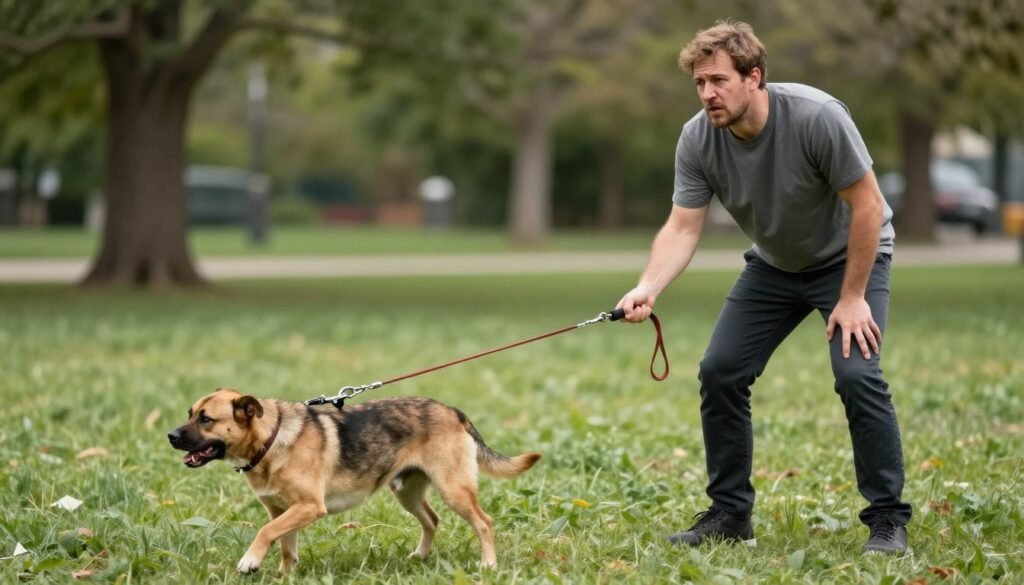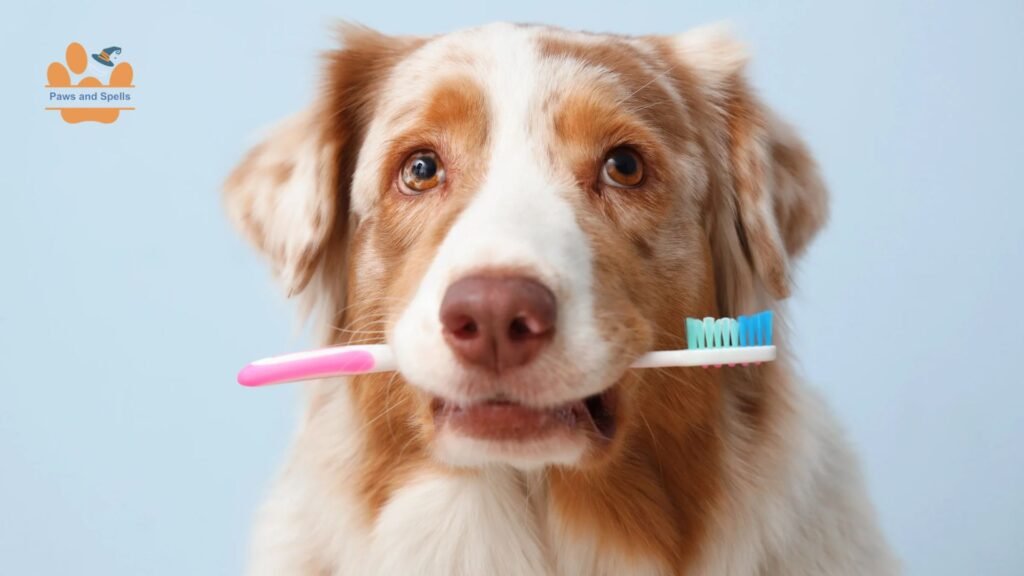
Does your dog turn into an escape artist the moment the toothbrush appears? Maybe they turn their head, back away or give you that unmistakable “Not today” look. You are not the only pet parent dealing with this. Toothbrushing can feel strange to dogs, especially if they have never practiced having their lips lifted or their teeth touched. The answer usually is not to hold them still and brush faster. It is to slow down and teach the routine in small, comfortable steps. Here is how to begin, what to try when your dog resists, and which tools may help without turning a simple habit into a struggle.
Key takeaways
- Start with gentle mouth handling before trying to brush teeth.
- Use a soft, appropriately sized brush and toothpaste formulated for pets—never human toothpaste.
- Keep early sessions very short, reward cooperation and progress gradually.
- Focus on accessible outer tooth surfaces first; do not pry the mouth open.
- Home care helps control plaque, but painful gums or hardened tartar require a veterinarian’s advice.
Why do some dogs resist toothbrushing?
Imagine someone putting a new object in your mouth without warning. That can be how brushing feels to a dog. Common reasons for resistance include an unfamiliar taste, a brush that feels too big, awkward positioning, rushing through the process or a previous unpleasant experience. Occasionally, a dog resists because their mouth hurts.
If your dog suddenly starts avoiding touch around the face, cries out, has bleeding gums or struggles to eat, do not treat it as a training problem. Ask your veterinarian to assess their mouth first.
Plaque vs. tartar: what brushing can—and cannot—do
Plaque is a soft film of bacteria that collects on teeth. Regular brushing helps remove plaque before it hardens. Tartar (calculus) forms when plaque mineralizes, creating a stubborn deposit that home brushing cannot simply wipe away. If you see thick buildup or irritated gums, your veterinarian can determine whether professional dental care is needed.
The Veterinary Oral Health Council (VOHC) recommends daily toothbrushing for dogs and cats when practical. Think of home brushing as prevention and maintenance, not a substitute for veterinary dental treatment. For technique and frequency, see the VOHC brushing guide.

A five-step routine for dogs who resist brushing
1. Make touching the mouth feel normal
Choose a quiet moment. Gently touch your dog’s muzzle, lift the lip for a second, reward with praise or a tiny treat, and stop. Repeat until the movement feels ordinary. Do not start with a long examination.
2. Let your dog investigate the toothbrush
Offer the brush to sniff. Put a small amount of dog-safe toothpaste on your finger or brush as directed and let your dog become familiar with the taste. Keep human toothpaste out of reach because some ingredients can be unsafe for dogs.
3. Brush one or two easy teeth
With the lips gently lifted, start on a few outer tooth surfaces using light, small motions. You do not need to force the jaws open. A few calm seconds can be a successful first session.
4. Work toward the back teeth gradually
Once your dog is comfortable, move toward the premolars and molars along the outside of the cheek. Gently lift the lip or cheek for visibility. Use a brush that fits the space, and never scrape hard or push into the gums.
5. Finish before your dog gets frustrated
Reward your dog, clean the brush and try again another day. Over time, extend the routine toward daily brushing. If your dog backs away, stiffens or seems distressed, make the next session easier rather than forcing progress.
Which dental-care tool is right for your dog?
There is no single product that suits every dog. Start with the option your pet can tolerate and use accessories to support—not replace—brushing.
| Tool | Best use | Important limitation |
|---|---|---|
| Soft pet toothbrush + pet toothpaste | Routine plaque control | Introduce slowly; choose a comfortable size. |
| Finger brush or dental finger wipe | Gradual introduction to mouth handling | May not clean as thoroughly as careful brushing. |
| Veterinarian-recommended dental chew | Supplement to home care | Does not replace brushing; check chewing safety. |
| Optional brushing/chew helper | Additional support during supervised routines | Not appropriate for every dog; never force placement. |
| Professional veterinary dental care | Assessment of pain, disease or hardened tartar | Not a substitute for regular home care afterward. |
Can brushing accessories help?
Some dogs may benefit from a carefully introduced brushing accessory, but none is necessary for every pet. Soft toothbrushes and finger wipes are reasonable options to discuss with your veterinarian. For dogs comfortable with supervised chew-style accessories, the VTIISAMAO Dog Dental Chew Cleaning Assistant is one available example. Regardless of the product, do not use any accessory to force a dog’s mouth open or continue if the dog resists.
Introduce new tools gradually, follow the manufacturer’s directions, and prioritize the dog’s comfort over access to every tooth. A calm, consistent brushing routine matters more than any accessory.
When is it time to call your vet?
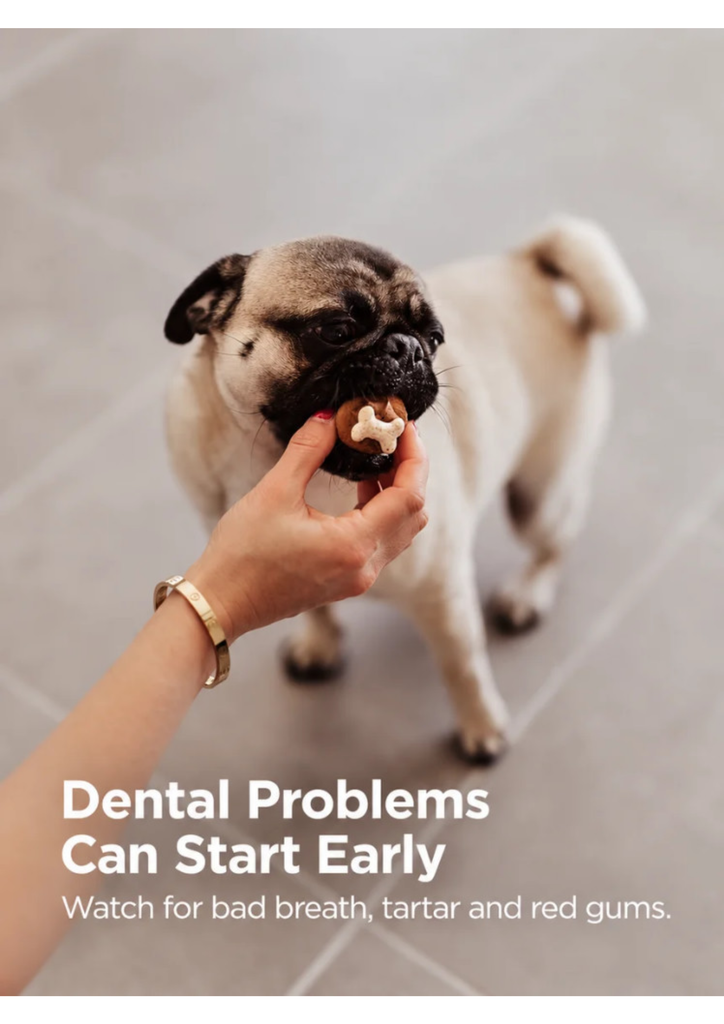
Routine brushing is valuable, but some problems need an examination. Watch for persistent bad breath, red or bleeding gums, thick yellow-brown deposits, loose teeth, swelling, pawing at the mouth or changes in eating and chewing. If brushing seems painful, pause and contact your vet.
Questions pet parents often ask
How often should I brush my dog’s teeth?
Daily is the ideal goal for most dogs, but begin with very short sessions and build up. A manageable routine is better than repeated stressful attempts.
Do I need to open my dog’s mouth to brush?
Usually not. Many outer tooth surfaces can be reached by gently lifting the lips while the mouth is closed. Ask your vet to show you how.
Can I remove hardened tartar with a toothbrush or a home device?
Brushing mainly helps control soft plaque. Hardened deposits and signs of dental disease should be evaluated by a veterinarian; do not attempt forceful scraping.
What if my dog still will not cooperate?
Return to a simpler step, reward calm contact, and consider discussing behavior-friendly dental-care options with your veterinarian.
A calmer routine starts with small wins
Your dog does not have to love toothbrushing overnight. A relaxed lip lift today, a comfortable sniff of the brush tomorrow and a few gently brushed teeth next week are all meaningful progress. Keep the pace kind, make the routine predictable and work with your vet to protect your dog’s smile over the long term.
References
- Veterinary Oral Health Council (VOHC) — Brushing guidance
- American Veterinary Medical Association (AVMA) — Pet dental care
- American Animal Hospital Association (AAHA) — Dog and cat dental care

Bohua Peng works on pet-care content and international marketing at VTIISAMAO. Their focus is helping pet parents understand practical ways to introduce consistent, low-stress at-home oral-care habits.