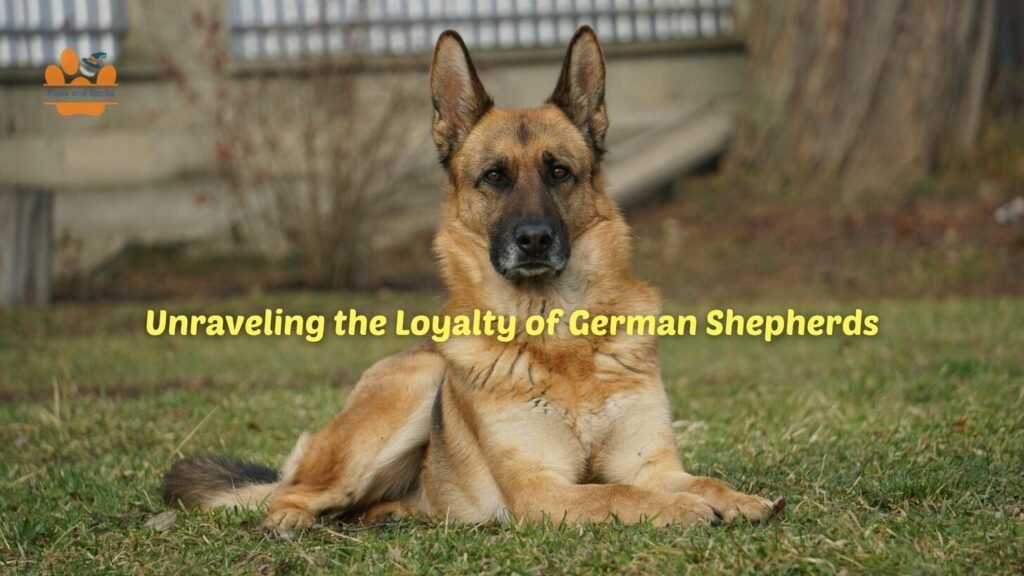
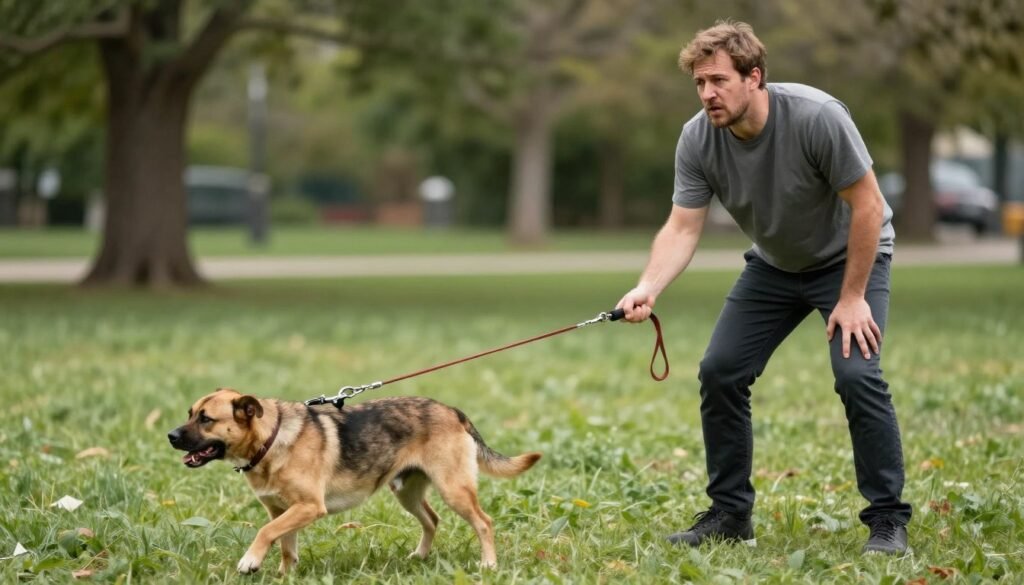
Have ever wondered if your dog’s morning stretch is more than just waking up? Many pet owners see their dogs stretch their backs when they greet them. It’s a beautiful sight.
This dog reaction to human presence shows they’re ready to wake up. It’s a way for them to shake off sleepiness and get ready for fun.
When dogs stretch to see you, it tells a lot about their feelings. Usually, it means they’re happy and ready to play with you.
Key Takeaways
- Stretching is a natural way for pets to transition from rest to activity.
- This behavior often indicates a relaxed and comfortable emotional state.
- Greeting rituals help strengthen the bond between humans and their companions.
- Physical movement serves as a positive sign of a healthy, alert pet.
- Observing these patterns helps owners better understand canine body language.
Understanding Dog Behavior
Understanding dog behavior starts with noticing their stretches. These movements tell you a lot about their physical and emotional state. It’s key for any pet owner to understand their dog’s daily actions.
The Science Behind Stretching
Stretching is crucial for dogs. It improves blood circulation and keeps muscles flexible. When they wake up, they stretch to get ready for action.
Stretching does more than just keep muscles in shape. It helps dogs release tension and adjust their posture. Consistent movement is important for their joints and overall health.
Common Dog Stretching Positions
Some stretches show your dog is relaxed or excited. The “greeting stretch” is a common one. It happens when you come home.
This stretch involves the front legs out, the chest low, and the back end up. It’s a friendly invitation to play. It shows your dog feels comfortable around you. Knowing why dogs stretch when they see you strengthens your bond with them.
Physical Benefits of Stretching for Dogs
Stretching is more than a morning habit for your dog; it’s essential. It helps them stay agile, whether they’re waking up or getting ready for a walk. Regular stretching supports their muscles and joints over time.
Improves Flexibility
When dogs sit still for too long, their muscles get tight. Stretching is like a wake-up call for their body. It helps loosen stiff muscles and gets them ready to move.
Stretching is key for older dogs, who might feel stiffer as they age. It keeps their muscles flexible. This means they can move freely without straining.
Enhances Muscle Recovery
Active dogs stress their bodies a lot. Stretching is crucial for recovery. It lets muscles fix themselves after hard play.
Stretching offers many benefits:
- Increased blood flow to tired muscles.
- Reduced tension in the back and shoulders.
- Improved joint lubrication for smoother movement.
- Faster recovery times after exercise.
By encouraging stretching, you help your dog stay healthy and active. Regular stretching keeps them happy, healthy, and mobile for years.
Emotional Connections: Why Dogs Stretch at Your Presence
Ever wondered why your dog stretches when you come home? It’s not just to stretch their muscles. This dog reaction to human presence shows how much they love and trust you. Their body language says they feel safe and happy with you.
Stretching as a Greeting
Many dogs stretch when their owners come home. It starts as a natural stretch but becomes a greeting. When you praise them, they learn it makes you happy.
This positive feedback turns stretching into a deliberate social signal. It’s their way of saying, “I’m glad you’re here, let’s play.”
Signals of Trust and Affection
Stretching in your presence shows deep comfort. Dogs only stretch fully when they feel safe. By stretching, they show they trust you completely.
This act of vulnerability is a deep expression of trust. It means they see you as part of their pack, no threat. When they stretch and look at you, they invite you to share their calm.
| Stretch Type | Common Context | Emotional Meaning |
|---|---|---|
| Full Body Extension | Greeting at the door | Excitement and happiness |
| Play Bow | During active play | Invitation to engage |
| Slow Morning Stretch | Waking up near you | Contentment and security |
| Back Arching | After resting | Relaxation and trust |
The Role of Stretching in Dog Communication
Watching your dog stretch is like seeing a secret language. These movements tell you how they feel and what they want. By paying attention, you can understand what your dog is trying to say.
Body Language and Stretching
Canine body language is all about how they move and stand. For example, a “play bow” is when a dog lowers its front while keeping its back up. This stretch means they want to play.
This action shows they’re in a good mood. It helps them feel more comfortable around others. Knowing this helps you know when they’re ready to play or exercise.
Recognizing Your Dog’s Signals
Understanding dog behavior means knowing what their stretches mean. Some stretches are just for stretching, but others are messages for you. Learning to tell the difference can make your bond stronger.
The table below shows some common stretches and what they mean:
| Signal Type | Physical Action | Primary Meaning |
|---|---|---|
| Play Bow | Front legs down, rear up | Invitation to play |
| Full Body Stretch | Arching back, legs extended | Relaxation or waking up |
| Side-to-Side Stretch | Shifting weight while standing | Seeking attention or comfort |
| Head-Down Stretch | Lowering head toward paws | Submissive or calm greeting |
By watching these signs, you get to know your dog better. This understanding helps you respond in the right way. It makes your relationship with your dog even stronger.
When to Be Concerned About Your Dog’s Stretching
It’s crucial to know when a stretch might mean your dog is in pain. Most stretches are okay, but watching your dog’s body language is key. Look for any sudden changes in their daily life or how they move.
Signs of Discomfort
If your dog stretches more than usual, it could be a sign they need help. Watch for signs like whining, being restless, or trouble getting comfortable. These changes can mean something is off.
Notice how your dog acts around their environment. If they seem scared to move or avoid places they love, they might be in pain. Understanding these signs is important for taking care of your pet.
Distinguishing Between Stretching and Pain
It’s vital to tell the difference between a normal stretch and one that shows pain. The “prayer position,” where a dog lowers their front while keeping their back end up, is a big clue. It can mean they’re in pain or have serious issues like pancreatitis.
If your dog stays in this position for a long time or seems upset, call your vet right away. Knowing the difference between normal stretching and serious issues helps your pet get the care they need. Use the table below to help figure out what’s going on with your dog.
| Feature | Normal Stretching | Signs of Pain |
|---|---|---|
| Duration | Brief and fluid | Prolonged or repetitive |
| Context | After naps or greetings | Occurs randomly or constantly |
| Body Language | Relaxed, tail wagging | Tense, whining, or panting |
| Posture | Full body extension | Fixed “prayer position” |
Encouraging Healthy Stretching Habits for Your Dog
Creating a routine that supports your dog’s health strengthens your bond. It also keeps them agile. Understanding pet psychology shows that movement is key to their happiness.
Interactive Stretching Exercises
You can teach your dog to do a bow on a cue. This stretch is good for their front limbs and spine. Use treats from Blue Buffalo or Wellness to reward them during training.
Incorporating Stretching into Playtime
Make your fetch game more active. Encourage your dog to reach for a toy or stretch during tug-of-war with a Kong rope. These play moments are great for their health and strengthen your bond.
Being proactive about your dog’s physical needs makes life together more vibrant. By watching their body language and supporting their need to move, you keep them happy and comfortable. Paying attention to these details greatly improves their health and happiness.
FAQ
Why do dogs stretch when they see you after a long time?
How does canine body language differ between a greeting stretch and a play bow?
What are the most common dog stretching reasons?
Can pet psychology explain why my dog stretches right in front of me?
Is a frequent dog reaction to human presence like stretching always positive?
What should I know about understanding dog behavior regarding the “prayer position”?
Are there specific reasons for dog stretching in older pets?

References:
This article was created based on information from the following authoritative sources: American Society for the Prevention of Cruelty to Animals (ASPCA)and Association of Professional Dog Trainers (APDT).