Have you ever wondered if your feline friend is getting enough moisture? Many owners overlook the importance of cat hydration. Yet, it’s key for their long-term health. Drinking enough water helps keep their kidneys working well and keeps them full of energy every day.
It’s a big responsibility for every cat owner to focus on this. By using cat hydration tips, you can help your pet stay happy and healthy. Making small changes at home can make a big difference in how much water your Cat drinks.
Key Takeaways
- Water intake is vital for maintaining healthy kidney function in pets.
- Monitoring your pet’s daily drinking habits helps prevent future health issues.
- Fresh, clean water sources encourage more frequent drinking throughout the day.
- Wet food provides a natural way to increase moisture levels in their diet.
- Consulting with a veterinarian ensures your pet meets their specific needs.
Understanding Your Cat’s Hydration Needs
Water is crucial for your cat’s health, acting as the silent engine of their body. It helps organs work well, aids digestion, and keeps their body temperature stable. Keeping your cat hydrated is a key responsibility for pet owners.
Why Water is Essential for Cats
Wondering how much water your cat needs? A healthy cat should drink about 4 ounces of water for every 5 pounds of body weight each day. This can change based on how active they are, the temperature of your home, and their diet.
“Water is the most critical nutrient for your cat, acting as the foundation for every metabolic process within their body.”
Without enough water, your cat’s body can’t filter out toxins or keep blood flowing well. Making sure they always have access to fresh water helps their body work right. This prevents health problems later on.
Signs of Dehydration in Cats
It’s important to know the signs of dehydration in cats. Cats often hide when they’re not feeling well, so watch for small changes in their behavior and body.
Look for these signs that your cat might need more water:
- Lethargy: If they seem less energetic or less interested in playing.
- Skin Elasticity: If the skin on their back doesn’t snap back quickly when pulled, they might be dehydrated.
- Dry Gums: Healthy gums should feel moist and smooth.
- Reduced Appetite: If they suddenly don’t want to eat, it could mean they’re not drinking enough water.
If you see these signs, it’s very important to talk to your vet right away. Catching dehydration early can stop it from becoming a big health problem.
Common Reasons Cats Don’t Drink Enough Water
Your cat’s love for water comes from their desert hunter ancestors. They used to get most of their moisture from their prey. This instinctual behavior can cause problems if they don’t drink enough water today.
Preferences for Food Texture
The food you give your cat affects how much water they drink. Cats on dry kibble often don’t get enough water. Wet food has more moisture, helping cats who don’t like to drink from bowls.
Environmental Factors
Your home’s environment can change how much your cat drinks. A noisy water bowl or a busy area can scare them away. Some cats also picky about water quality and won’t drink if it’s not fresh or tastes bad.
Health Issues
Changes in your cat’s drinking habits might mean they’re sick. Dental problems or kidney disease can make drinking hard. Always check with your vet if your cat’s drinking habits change suddenly.
Tips for Encouraging Your Cat to Drink More
If you want your cat to drink more water, start by checking your setup. Making small changes at home is a great cat hydration tip for their health. Focus on making water easy to get and fresh to keep your cat hydrated all day.
Fresh Water Daily
Cats are very picky about their water. Bad-tasting water can make them not want to drink, leading to dehydration. Make sure to change your cat’s water bowl every day or two to keep it fresh.
Always clean the bowl with soap and warm water before filling it. This keeps the water clean and appealing to your cat.
Consider a Cat Water Fountain
Many cats prefer moving water to still water. A cat water fountain offers fresh, oxygenated water that looks like a natural spring. This can make your cat more interested in drinking.
Fountains are great for cats that don’t like bowls. The sound and movement make drinking fun, not a chore.
Use Multiple Bowls
Having water easily accessible is important for cats. If water is far away, they might not drink. Use multiple bowls around your home so water is always close.
Place bowls in quiet spots where your cat likes to hang out. This makes it easier for them to stay hydrated, even in big homes.
| Hydration Method | Primary Benefit | Maintenance Level |
|---|---|---|
| Standard Ceramic Bowl | Simple and affordable | High (Daily cleaning) |
| Cat Water Fountain | Encourages natural instincts | Medium (Filter changes) |
| Multiple Water Stations | Increases accessibility | High (Multiple bowls) |
Choosing the Right Bowl for Your Cat
Your cat might have a special bowl preference that helps them stay hydrated. Many owners focus on the water quality, but the bowl is also key. Even with a top-notch cat water fountain, the bowl is still important for your pet’s daily routine.
Material Matters
The bowl’s material affects the water’s taste and cleanliness. Plastic bowls can get scratches that hold bacteria. These scratches and trapped smells might scare off a picky cat.
Stainless steel or ceramic bowls are better choices. They don’t hold onto bacteria and don’t taste bad. This keeps the water fresh and safe for your cat.
Shape and Size
The bowl’s shape and size matter for your cat’s comfort. Cats with whisker fatigue need wide, shallow bowls. This stops their whiskers from getting hurt by the bowl’s sides.
The bowl should fit your cat’s head and drinking style. A deep bowl can make your cat feel scared. A wide, stable bowl or a good cat water fountain helps your cat drink more often.
Enhancing Water Appeal with Flavor
Exploring ways to encourage cats to drink more water often means trying different tastes and smells. If your pet isn’t interested in their water, adding a bit of flavor can really help. It can make a big difference in how much they drink each day.
Adding Low-Sodium Broth
One great way to get a picky cat to drink is by adding a little onion-free and garlic-free chicken or beef broth. Make sure the broth is very low in salt. Too much salt can hurt your cat’s kidneys.
Mixing a tablespoon of broth with a cup of fresh water can make a tasty “soup.” This trick adds a savory smell that cats find very appealing. It’s a reliable way to encourage cats to drink more water.
Infusing Water with Safe Herbs
Using scent can also help get your cat interested in water. Adding small amounts of cat-safe herbs like catnip or silver vine can make water more appealing. It’s a sensory experience that many cats love.
Just put a pinch of dried, organic herbs in a tea infuser and let it steep in the water for a few minutes. This method is creative and can really work for cats that enjoy herbal scents. Always pick fresh, pesticide-free herbs to keep your cat safe and healthy.
The Role of Wet Food in Cat Hydration
Want to increase your cat water consumption? Look at their food bowl. Many owners focus on water fountains or bowls. But, the moisture in your pet’s diet is a powerful health booster.
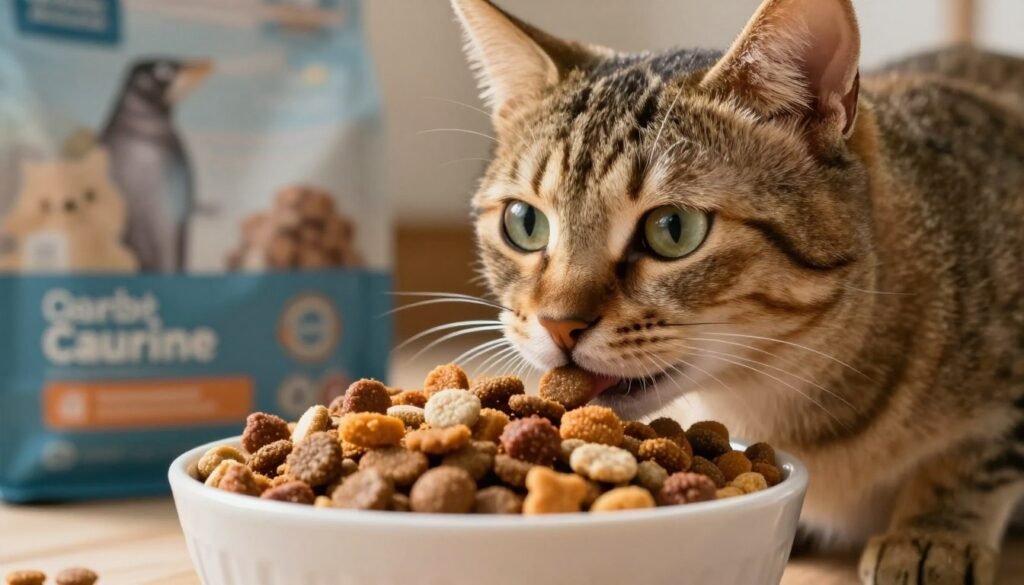
Dry kibble has about 10% water. Canned food has 70% to 80% moisture. Switching to wet food means hydrating your cat with every bite.
Benefits of Canned Food
Canned food is great for cats with low thirst drives. Cats, being desert-dwelling hunters, get most of their fluids from their prey.
- Increased fluid intake: It provides a steady hydration source all day.
- Better urinary health: More moisture helps dilute urine, lowering crystal risk.
- Weight management: It makes your cat feel full without extra calories.
Mixed Feeding Strategies
You don’t have to pick between dry and wet food. Many owners use a mixed feeding approach. It combines the benefits of both.
Offer wet food in the morning and evening. Keep a bit of dry kibble for grazing. This keeps cat water consumption steady and makes feeding easy.
“Providing a variety of textures and moisture levels in a cat’s diet is a proactive step toward long-term wellness and vitality.”
Creating a Hydration-Friendly Environment
Creating the right atmosphere is key for healthy cat drinking habits. Cats are very sensitive to their surroundings. Even small stressors can stop them from drinking water.
Positioning Bowls in Quiet Areas
Cats like to drink in places where they feel completely safe and secure. Don’t put water bowls near loud appliances like washing machines. Also, avoid high-traffic hallways where people often walk by.
Instead, pick a quiet corner of the room. This spot should offer a clear view of their surroundings. When cats feel safe, they drink more regularly throughout the day.
Ensuring Bowls are Clean
Cleanliness is as crucial as location for your pet’s water intake. Over time, a thin layer of biofilm can form on bowls. This biofilm often smells bad to cats.
Wash your cat’s water bowl with mild, unscented soap every day. This keeps the water fresh. By doing this, you ensure your cat always has clean, refreshing water to drink.
Keeping Track of Your Cat’s Water Intake
Tracking your cat’s water intake is key to their health. It helps you spot health problems early. Regular checks are a proactive step to keep your pet healthy.
Measuring Daily Consumption
Start by filling your cat’s bowl with the same amount of water every day. Then, measure what’s left after 24 hours. This method shows you how much water your cat needs.
Remember, water can evaporate, which can skew your results. Place another bowl of water nearby but out of your cat’s reach. This way, you can accurately measure how much your cat drinks.
Using Apps for Monitoring
Today’s technology makes tracking your pet’s health easy. There are apps that let you log your cat’s water intake. These apps help figure out how much water should a cat drink based on their size and activity.
These apps can catch small changes in your cat’s water intake. If you see a big change, you can talk to your vet with accurate data. Knowing how much water your cat needs helps you care for them better.
Regular Veterinary Check-Ups for Hydration Health
Getting expert advice is key to your cat’s health and hydration. At home, you watch your pet closely. But, expert veterinary oversight catches small health changes. Regular visits show how well your cat drinks water.
Discussing Hydration with Your Vet
At the clinic, share all about your cat’s water habits. Track how much water they drink and any changes in thirst. Giving your vet this info helps them make smart decisions.
Ask if your cat’s hydration plan is right for their age or breed. Talking openly lets your vet give advice that fits your cat’s life. This teamwork can lead to better health and catch problems early.
Importance of Regular Assessments
Annual exams check how your cat’s kidneys and metabolism work. These systems need the right amount of water to filter waste and keep energy up. Blood tests and physical checks spot hydration problems before they get worse.
The table below shows what your vet will check during a routine visit. It helps keep your cat healthy and hydrated.
| Assessment Area | Why It Matters | Frequency |
|---|---|---|
| Kidney Function | Filters waste from blood | Annually |
| Metabolic Rate | Ensures energy balance | Annually |
| Hydration Status | Supports organ health | Every Visit |
| Cat Water Intake | Monitors daily habits | Ongoing |
Recognizing Health Conditions Impacting Hydration
When your pet drinks more or less, it might mean they’re sick. Small changes can happen, but big ones often mean a health problem. Knowing the signs of dehydration in cats helps you get them help fast.
Kidney Disease
Kidneys help keep the right amount of fluid in your pet’s body. When they start to fail, they can’t make urine as concentrated. This makes your cat drink more water to replace lost fluids.
Drinking a lot and going to the bathroom often is a sign of kidney trouble. If your cat is always at the water bowl, it’s a warning sign. Early detection is key to managing this condition.
Diabetes
Diabetes changes how much your cat drinks water. It makes it hard for the body to use glucose, leading to high blood sugar. The kidneys work hard to filter this sugar, pulling water into the urine.
You might see your cat drinking a lot or acting tired. These are signs they need a vet check. Watch for these warning signs:
- Sudden, unexplained weight loss.
- Increased frequency of trips to the litter box.
- Noticeable changes in appetite or energy levels.
- Dull or unkempt coat appearance.
If you think your cat has these symptoms, see a vet. They can give your pet the proper care and treatment they need to stay healthy and hydrated.
The Long-Term Benefits of Proper Hydration
Putting water first is a simple way to help your pet for years. You are key to your cat’s health by setting their daily habits. Knowing how to keep your cat hydrated helps you make them healthier.
Improved Overall Health
Having clean water all the time helps every part of your cat’s body. It keeps toxins out and blood pressure right. Your cat will have more energy if they drink enough water all day.
Enhanced Quality of Life
A happy cat is a hydrated cat. By focusing on hydration, you lower the chance of painful problems and kidney stress. Your efforts make your pet’s life better. Share your tips on water fountains or wet food with others to spread the word.
FAQ
How much water should a cat drink on a daily basis for optimal health?
What are the most common signs of dehydration in cats that I should watch for?
Why does my cat prefer drinking from a dripping faucet instead of a bowl?
What are some effective ways to encourage cats to drink more water?
Does the type of food my cat eats affect their cat water consumption?
How can I accurately monitor my cat water intake?
Why is it important to clean my cat’s water bowl every day?
Should I be concerned if my cat suddenly starts drinking a lot more water?
References:
This article was created based on information from the following authoritative sources: American Society for the Prevention of Cruelty to Animals (ASPCA) and American Veterinary Medical Association