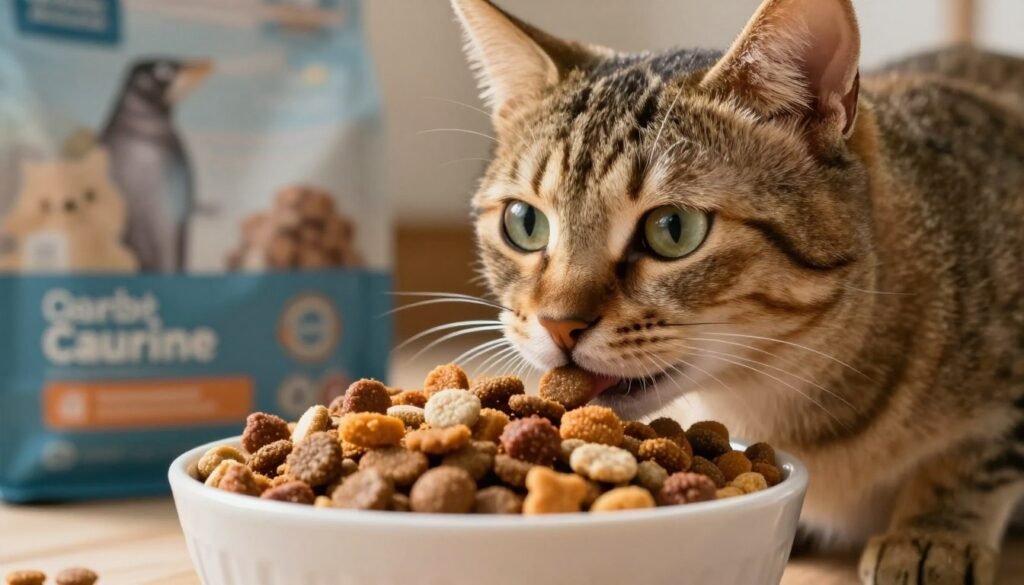
Ever wondered why your cat won’t eat food that was fine yesterday? It’s a common problem that makes mealtime tough for many owners.
Understanding your pet’s behavior is the essential first step to solving these issues. By reading their signals, you can find out why they’re being so picky.
Using picky eater cat tips can make managing your cat’s diet easier. This guide will help you keep your kitchen peaceful and your cat happy and healthy.
Key Takeaways
- Identify potential health issues that might cause sudden appetite changes.
- Learn how environmental stress impacts your pet’s desire to eat.
- Discover the importance of food texture and temperature preferences.
- Understand why consistency in feeding schedules matters for behavior.
- Explore safe ways to transition between different types of nourishment.
Understanding Feline Eating Habits
To master the art of feeding picky cats, you must first decode their natural instincts. Many owners find themselves frustrated when a bowl of food remains untouched. This behavior is often rooted in deep-seated evolutionary traits. By learning how your pet perceives their environment, you can better manage their daily nutritional needs.
Why Do Cats Become Picky Eaters?
Cats are naturally neophobic, which means they are inherently suspicious of new items in their environment. In the wild, this caution prevents them from consuming potentially toxic or spoiled prey. When you introduce a new brand or flavor, your cat may view it as a threat rather than a treat.
This survival mechanism is a primary reason for selective eating. While it served their ancestors well, it often complicates modern pet care. Providing consistent, familiar options is one of the most effective picky eater cat tips for nervous felines.
Common Reasons for Feline Fussiness
Beyond their natural caution, cats are highly sensitive to the sensory qualities of their food. They rely heavily on their sense of smell to determine if a meal is safe and appetizing. If a food lacks a strong, appealing aroma, your cat might simply ignore it.
Texture also plays a significant role in their preferences. Some cats strictly prefer wet food for its moisture and mouthfeel, while others enjoy the crunch of kibble. If you notice your cat turning their nose up at dinner, consider whether the texture or the scent might be the underlying issue.
The Role of Health in Eating Preferences
It is vital to distinguish between simple behavioral fussiness and genuine medical concerns. A sudden change in appetite can sometimes signal an underlying health issue that requires professional attention. If your cat stops eating entirely or shows signs of lethargy, you should not assume it is just a preference for a different flavor.
Monitoring your cat’s behavior is the best way to ensure their well-being. If they are active and playful but just selective about their food, you are likely dealing with a personality quirk. But if their eating habits change abruptly, consulting a veterinarian is always the safest course of action.
Assessing Your Cat’s Diet
Understanding cat food preferences starts with checking their diet. Many think any commercial food is fine, but it’s not always true. By looking at what your cat eats, you can find out why they might not want to eat.
Evaluating Food Quality and Ingredients
When feeding picky cats, the ingredient list is crucial. High-quality proteins should be the main ingredient. Avoid fillers like corn, wheat, or soy, as they can upset your cat’s stomach.
Choose foods with specific animal proteins like chicken or salmon as the first ingredient. Stay away from “meat by-products” and artificial preservatives. A diet rich in nutrients keeps your cat happy and less likely to ignore meals.
“Nutrition is the foundation of feline health, and a diet lacking in quality ingredients will inevitably manifest as behavioral issues at the food bowl.”
Importance of Variety in Your Cat’s Diet
Cats, like people, can get bored with the same food every day. Mixing up flavors and textures keeps their diet interesting. This is great for feeding picky cats who lose interest quickly.
But add new foods slowly to avoid stomach upset. Keeping a log of cat food preferences helps you know what they like best. Use the table below to see how different ingredients affect their meals.
| Ingredient Type | Palatability | Nutritional Value |
|---|---|---|
| Fresh Muscle Meat | High | Excellent |
| Meat By-products | Moderate | Variable |
| Grain Fillers | Low | Minimal |
| Natural Enhancers | High | Good |
Identifying Health Issues
Sometimes, a sudden change in appetite is not just a quirk. It might be a sign that your pet needs help. Before changing your cat mealtime strategies, make sure your pet is not sick. Checking for illness is the most caring thing you can do for your pet.
Signs That Your Cat May Be Unwell
Cats are good at hiding when they’re not feeling well. So, watch for small changes in their behavior. If your cat stops eating suddenly, look for these signs of illness:
- Lethargy or less activity than usual.
- Signs of dental pain, like dropping food or tilting their head while eating.
- Stomach problems, like vomiting, diarrhea, or constipation.
- Unexplained weight loss or a dull, matted coat.
When to Consult a Veterinarian
If your cat won’t eat for more than 24 hours, call your vet right away. Not eating for a long time can lead to serious problems like liver disease. Don’t wait if you see these warning signs.
Also, get vet advice if your cat seems in pain or uncomfortable while eating. Even if they’re eating a little, a sudden change in eating habits can mean they’re sick. Catching problems early is key to keeping your pet healthy.
Common Health Problems Affecting Appetite
Many health issues can make a cat lose their appetite. Knowing these problems helps you tell if your cat’s eating habits are just a quirk or a sign of illness. Common problems include:
- Dental Disease: Painful gums or teeth make eating hard.
- Kidney or Liver Issues: Problems with these organs can make your cat feel sick to their stomach.
- Infections or Parasites: Being sick often makes a cat lose their appetite as their body fights off the illness.
- Gastrointestinal Blockages: Things stuck in their stomach or intestines can hurt and make them not want to eat.
By dealing with these health issues first, you can make a safer place for your pet. After a vet says your cat is okay, you can work on better cat mealtime strategies with confidence.
Environmental Factors Influencing Eating Behavior
Creating the perfect dining space is key for managing a finicky feline feeding routine. Cats are sensitive, and their surroundings affect whether they eat or not. Adjusting the eating space can reduce anxiety and boost appetite.
Stress and Anxiety in Cats
Household changes can stress out your cat. Moving, getting a new pet, or rearranging furniture can lower their appetite. When cats feel insecure, they often ignore their food.
Watch for signs of tension like hiding or meowing near the bowl. Reducing these stressors is key to a healthy appetite. A safe, predictable space helps your cat enjoy meals.
Role of Feeding Environment
The food bowl’s location is crucial in cat mealtime strategies. Cats prefer safe, visible spots to eat. Avoid busy areas or loud appliances that might scare them.
Here are tips for a better dining area:
- Choose a quiet corner away from heavy foot traffic.
- Ensure the bowl is not placed near a litter box.
- Use stable, non-slip surfaces to prevent the bowl from moving.
- Provide multiple feeding stations if you have more than one cat.
Distractions During Mealtime
Sudden noises or unexpected movements can interrupt a cat’s meal. Busy homes can make cats feel they need to stay alert. Effective cat mealtime strategies involve reducing these distractions.
Keep the area calm during meals. If you have children or other pets, make sure they respect your cat’s space. A peaceful, quiet environment often solves finicky feline feeding issues.
Introducing New Foods to a Picky Eater
Introducing new foods to a picky cat can be tough, but patience is key. A sudden diet change can upset their stomach or make them refuse to eat. By using a systematic approach, you can help your cat get used to new tastes without stress.
Gradual Food Transition Techniques
The best way to change your pet’s food is slowly over several days. This lets their body get used to new ingredients and textures. Follow cat diet suggestions for a transition period of at least seven to ten days.
Begin by adding a small amount of the new food to their current meal. If your cat doesn’t mind, you can gradually increase the new food each day. This slow change reduces the chance of stomach problems and makes it easier for your cat to accept the new food.
Mixing Old and New Foods Successfully
Blending different foods needs careful watching of your cat’s behavior. If your cat is hard to convince, try using cat food temptations to make the new food more appealing. Adding a bit of warm water or a healthy topper can help mix the old and new flavors.
Keeping things consistent is crucial during this time. Make sure the feeding area is calm and quiet. This helps your cat feel safe while trying their new diet. Here’s a suggested schedule for a smooth transition.
| Day Range | Old Food Ratio | New Food Ratio |
|---|---|---|
| Days 1-3 | 75% | 25% |
| Days 4-6 | 50% | 50% |
| Days 7-9 | 25% | 75% |
| Day 10+ | 0% | 100% |
Making Mealtime More Appealing
If your cat doesn’t want to eat, it’s time to change how you serve their food. Cats need a little extra to get excited about dinner. By changing how you serve it, you can make mealtime fun again.
Creative Serving Suggestions
One great cat diet suggestion is to make them hunt for their food. Use a puzzle feeder that makes them work for their kibble. This makes the food more fun and rewarding.
Temperature matters too. Warming wet food slightly makes it smell better and gets their appetite going. Just make sure it’s not too hot to avoid hurting their mouth.
“The way you present a meal can be just as important as the ingredients themselves when dealing with a selective eater.”
Using Food Toppers and Enhancers
For cats that are hard to please, try adding healthy cat food temptations. Food toppers can make their meals more exciting. Here are some ideas to make their food more appealing:
- Sprinkle a small amount of freeze-dried liver or salmon flakes over the top.
- Add a splash of warm, low-sodium chicken broth to dry kibble.
- Use a small spoonful of plain, cooked pumpkin to add texture and fiber.
Start with small amounts of these enhancers to make sure your cat likes them. These simple changes can turn a boring meal into a special treat. With these efforts, your cat will likely start eating more eagerly.
Creating a Consistent Feeding Schedule
If you struggle with selective kitty eating, the secret often lies in the clock rather than the bowl. Cats are creatures of habit that feel most secure when their day follows a predictable pattern. By establishing a firm structure, you help your pet feel more relaxed during mealtime.
Benefits of Routine for Cats
A consistent schedule does more than just keep your home organized. It helps regulate your cat’s metabolism and natural hunger cues, making them more likely to eat when food is offered. When a cat knows exactly when to expect a meal, they are less likely to graze or become anxious about their next feeding.
Also, a structured routine allows you to monitor exactly how much your cat consumes each day. This is essential for tracking health changes or identifying if your pet is losing interest in their food. Reducing environmental stress through predictability is a powerful tool for any owner.
Tips for Setting Meal Times
To set an effective schedule, observe your cat’s natural activity levels throughout the day. Most cats are most active at dawn and dusk, making these ideal times for their primary meals. You should aim to keep these times consistent, even on weekends, to maintain their internal clock.
If you are dealing with selective kitty eating, try to remove any distractions during these set windows. A quiet, calm environment encourages your cat to focus on their food rather than their surroundings. Use the following table to compare how different feeding methods impact your cat’s behavior.
| Feeding Method | Pros | Cons |
|---|---|---|
| Free-Feeding | Convenient for owners | Hard to track intake |
| Scheduled Meals | Better appetite control | Requires strict timing |
| Hybrid Approach | Flexible for busy days | May lead to overeating |
Managing Overweight Picky Eaters
It can be tough to get your cat to diet if they’re already picky. You need a gentle way to cut calories without making them stop eating. The goal is to lose weight without losing their appetite.
Addressing Weight Concerns with Diet Changes
Start by measuring every meal to manage your cat’s weight. Consistency is key to ensure they get the right nutrients. Choose high-protein, low-carb diets to help them lose fat.
Slowly introduce a weight-management formula. If your cat likes certain textures, find a diet that matches. Always talk to your vet before making big changes to make sure it’s right for your cat.
Healthy Treat Options for Picky Cats
Treats can add extra calories, making it hard to manage weight. Choose low-calorie, healthy options instead. Many cats love simple, single-ingredient treats that satisfy their cravings.
Here are some low-calorie treat ideas:
- Small pieces of plain, steamed chicken breast.
- Freeze-dried minnows or single-ingredient fish treats.
- Fresh catnip sprinkled on their food to encourage interest.
- Small bits of cooked, unseasoned green beans for added fiber.
Managing selective kitty eating while dieting is easier when you track what works best for your pet. Use the following table to compare common treat types and their impact on your cat’s daily caloric budget.
| Treat Type | Calorie Density | Nutritional Benefit |
|---|---|---|
| Commercial Biscuits | High | Low |
| Steamed Chicken | Low | High Protein |
| Green Beans | Very Low | High Fiber |
Treats should never be more than 10% of your cat’s daily calories. Keep rewards small and rare to keep them happy and support their weight loss.
Selecting the Right Food Type
Choosing the right food is key for your cat’s health. Knowing your cat food preferences helps ensure they get the nutrients they need. Different textures and moisture levels can support your cat’s health over time.
Dry Food vs. Wet Food: Pros and Cons
Dry kibble is easy for owners who are always on the go. It can sit out for a while without getting spoiled. But, it has less water than wet food, which might be a problem for cats that don’t drink enough.
Wet food, on the other hand, is full of moisture. This is good for your cat’s kidneys and bladder. Many cats love the smell and feel of wet food, making it great for picky eaters. Here’s a table to help you choose based on your cat food preferences.
| Feature | Dry Food | Wet Food |
|---|---|---|
| Moisture Content | Low (approx. 10%) | High (approx. 75-80%) |
| Convenience | High (can be left out) | Low (must be refrigerated) |
| Dental Health | May help reduce tartar | Minimal impact |
| Cost | Generally more affordable | Higher per serving |
Finding the Best Flavors for Your Cat
After picking a food type, find the flavors your cat loves. Cats often have a favorite protein like chicken, salmon, or beef. Try different proteins in small portions to see what your cat likes best.
Texture matters too. Some cats like smooth pâté, while others prefer chunky food. Keep a log of your cat’s cat food preferences to find the best fit. Stick to what works to avoid upsetting your cat’s stomach.
Training Your Cat to Embrace New Foods
If your cat is picky, training can help a lot. Many owners get upset when their pets don’t want healthy food. But, you can teach your cat to like new foods gently and well.
Positive Reinforcement Techniques
Teaching your cat to try new foods is easy with consistent positive reinforcement. When they show interest in a new food, praise them right away or give a small treat. This makes them think the new food is good.
Don’t force your cat to eat, as it can stress them out. Keep meals short and fun to make them feel at ease. Rewarding small steps helps build their confidence at mealtime.
Incorporating Play into Mealtime
Playtime can make your cat hungry. It burns off energy, making them more interested in food. Use a feather wand or laser pointer to play with your cat before meals.
This play mimics hunting, which is natural for cats. It makes them more active and hungry. Following this fussy feline advice can turn mealtime into a fun time for both of you.
| Training Method | Primary Benefit | Best For |
|---|---|---|
| Positive Reinforcement | Builds trust and confidence | Anxious eaters |
| Active Play | Increases natural appetite | Sedentary cats |
| Gradual Introduction | Reduces digestive upset | Sensitive stomachs |
Seeking Professional Help
You don’t have to face pet nutrition alone. If home efforts fail, seeking professional help is wise. A vet can tailor your cat’s diet to their needs.
When to Consult a Pet Nutritionist
A certified vet nutritionist offers more than store-bought food. They use blood tests and health records to make meal plans. They find hidden issues that might make your cat turn down food.
Finding Resources and Support for Owners
Reaching out to groups like the American College of Veterinary Nutrition is helpful. Many find support in pet health forums. Getting expert advice helps create a lasting feeding plan for your cat.