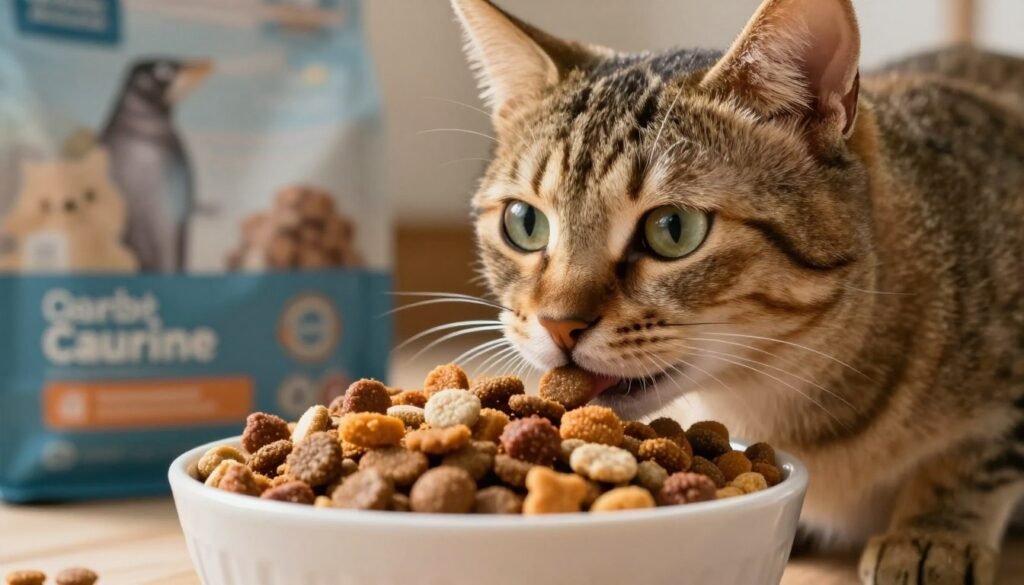
Have you ever thought about your cat’s weight? Are they a bit too heavy? Understanding indoor cat weight management is key for pet owners.
Your pet needs you to make good choices about food and exercise. By focusing on feline obesity prevention, you help your cat live a long, happy life.
Pets indoors face different challenges than those outdoors. They don’t need to hunt or roam. Knowing this helps you make their lifestyle better for their health.
Key Takeaways
- Keeping your pet at a healthy weight is crucial for their long life.
- Indoor pets need special play to keep them active.
- Watching for changes early can prevent big health problems.
- Food that matches your pet’s age and activity is essential for health.
- Regular vet visits are important for keeping your pet healthy.
Understanding Indoor Cat Weight Management
Indoor cats face special challenges that need a proactive approach to weight management. They don’t get the natural exercise that outdoor cats do. It’s key to use indoor cat health tips to keep your cat happy and healthy.
Importance of Weight Management for Indoor Cats
Indoor cats burn fewer calories than outdoor cats because they don’t have to hunt or patrol. If their diet isn’t watched, they can gain weight easily. Keeping your cat at a healthy weight is crucial for their well-being.
“A healthy weight is the foundation upon which all other aspects of your cat’s longevity are built.”
Common Health Risks Associated with Obesity
Too much weight is a silent danger to your cat’s health. It makes it hard for them to process sugar and handle stress. Following good indoor cat health tips can prevent serious health issues.
| Health Condition | Primary Impact | Risk Level |
|---|---|---|
| Diabetes Mellitus | Insulin resistance | High |
| Joint Arthritis | Chronic pain | Moderate |
| Heart Disease | Reduced circulation | High |
| Liver Issues | Metabolic stress | Moderate |
Recognizing Healthy Weight Ranges for Cats
Every cat is different, and there’s no one-size-fits-all weight goal. A healthy weight depends on breed, size, and age. Focus on body condition rather than just a number.
Getting advice from your vet is a good idea. They can help you understand what’s best for your cat. Keeping your cat at a healthy weight helps them stay active and disease-free.
Factors Influencing Cat Weight
Understanding why your cat gains weight is key to a healthier life. Many factors, both inside and outside, affect your pet’s health. By knowing these, you can use cat weight loss tips to keep your pet healthy.
Diet: The Foundation of Weight Control
The most important thing for your cat’s weight is their food. Too many calories can cause fat, which is bad for indoor cats. They need food high in protein and low in carbs to stay lean.
It’s crucial to measure food portions correctly. Free-feeding can lead to eating too much. Use a digital scale to make sure your cat eats just the right amount.
Exercise: Importance of Playtime for Indoor Cats
Indoor cats often don’t get enough exercise. Without it, even healthy food can lead to weight gain. Daily play is key to burning energy and keeping your cat active.
Play with interactive toys to encourage movement. Toys like feather wands or laser pointers are great. They help with weight control and strengthen your bond with your pet.
Age and Metabolism: How They Affect Weight
As your cat grows from kitten to adult, their metabolism changes. Kittens need lots of energy for growth, but adults need less. It’s important to adjust their food as they age.
Senior cats have even less energy and metabolism. Watch their weight closely in these years. The table below shows how needs change with age.
| Life Stage | Activity Level | Metabolic Rate | Caloric Focus |
|---|---|---|---|
| Kitten | Very High | Rapid | Growth Support |
| Adult | Moderate | Stable | Maintenance |
| Senior | Low | Slow | Weight Control |
By being proactive and using cat weight loss tips, you can help your cat stay healthy at every age. Always watch your pet and talk to your vet to make these tips work for them.
Assessing Your Cat’s Body Condition Score
Learning to check your cat’s body condition score is key to managing their weight. Regular checks help spot changes early, preventing big health issues. These weight management strategies for cats are easy and quick.
How to Evaluate Body Condition at Home
Start by feeling your cat’s ribcage with your hands. You should feel the ribs easily under a thin layer of fat. If it’s hard to find the ribs, your cat might be too heavy.
Look at your cat from above to see if you can spot a waistline behind the ribs. A healthy cat has a slight inward curve at the waist. Seeing these signs is crucial for keeping your cat at a healthy weight.
“The body condition score is the most reliable way to assess a pet’s nutritional status, as it focuses on body fat rather than just the number on a scale.”
Tools and Resources for Body Condition Assessment
You don’t have to do this alone. Many vet clinics have Body Condition Score (BCS) charts. These charts use a 1-to-9 scale to show your cat’s health status. They help you see if your cat is too thin, just right, or too heavy.
Here are some tools to help you:
- Digital Pet Health Apps: Log your cat’s monthly scores and track changes.
- Printable BCS Charts: Keep one on your fridge for quick reference.
- Veterinary Check-up Logs: Record your findings to share with your vet.
Regular checks keep you ahead of the game. With these tools, you can confidently adjust your cat’s diet and lifestyle.
Creating a Balanced Diet for Your Indoor Cat
Nutrition is key to your cat’s health, even more so when they stay indoors. Indoor cats might not get as much exercise, so a healthy diet for indoor cats is crucial to avoid weight gain. Choosing high-quality foods helps keep their metabolism and health in check.
Selecting the Right Cat Food: What to Look For
Choosing the right cat food can be overwhelming. For a healthy diet for indoor cats, look for foods with high-quality animal protein like chicken or salmon as the first ingredient. Stay away from foods with lots of fillers like corn, wheat, or soy. These can add too many calories without the good stuff.
Always check the nutritional label. A good cat food should have:
- High protein content for strong muscles.
- Low carbohydrate levels to control blood sugar and weight.
- Essential taurine for heart and eye health.
- Limited fillers that don’t offer much nutrition.
Portion Control: Measuring Food for Weight Management
Even the best food can lead to obesity if given too much. A healthy diet for indoor cats needs careful portion control. Relying on looks can lead to overfeeding, so precision is essential.
Using a digital kitchen scale is the best way to measure your cat’s food. Talk to your vet to figure out how many calories your cat needs. This way, you can make sure your cat stays at a healthy weight.
The Role of Treats: Healthy Alternatives
Treats are great for bonding, but they shouldn’t upset your cat’s diet. Many treats are full of calories and can ruin a healthy diet for indoor cats. Instead, try healthier treats like small pieces of cooked chicken or steamed green beans.
These treats offer a tasty crunch without the fat and sugar of many commercial snacks. Remember, treats should only be 10% of your cat’s daily calories to keep their diet balanced.
Incorporating Exercise into Your Cat’s Routine
Creating a good indoor cat exercise routine is key for your pet’s happiness at home. Indoor cats miss out on outdoor adventures, so you need to give them fun ways to stay active. Regular exercise keeps their muscles strong and their heart healthy.
Fun Activities to Encourage Physical Activity
Make your cat’s life exciting by mimicking hunting. These activities spark their natural instincts and keep them fit.
- Puzzle Feeders: These make mealtime a fun challenge for your cat to get their food.
- Laser Pointers: Great for quick runs and jumps, boosting agility.
- Vertical Climbing: Cat trees or wall shelves help them stretch and jump.
Interactive Toys: Keeping Cats Engaged
Playing with your cat is a great way to bond and keep them active. Toys that need your help keep them focused and eager to play.
Wand toys with feathers or ribbons mimic prey. Always change up your toys to keep your cat interested in their indoor cat exercise routine. Even when you’re busy, automated toys like mice or balls can entertain your cat.
The Benefits of Scheduled Playtime
Having a regular play schedule is crucial. It helps your cat stay active and maintain a healthy weight.
Try for two 15-minute play sessions a day. This not only keeps your cat fit but also reduces stress and behavioral problems. An active cat is usually happier and more relaxed at home.
Developing a Weight Management Plan
Getting your cat to the right weight needs a thoughtful and consistent plan. A structured roadmap keeps your pet safe and healthy. Using effective weight management strategies for cats helps them stay vital for a long time.
Setting Realistic Weight Goals
Start with slow and steady weight loss. Losing too much weight too fast is risky for cats. Aim for a 1% to 2% body weight loss per week. Setting small, incremental goals keeps your cat’s energy up and stress down.
Here are key steps for your plan:
- Get your vet’s advice on a healthy weight target.
- Break down the weight loss goal into monthly steps.
- Adjust your plan based on your cat’s response to the new routine.
Monitoring Progress: Keeping Track of Changes
Sticking to a plan is crucial for weight loss success. Keep a detailed log of your cat’s food, treats, and activity. This helps you spot patterns and adjust their diet or exercise.
Regularly weigh your cat on the same day each week. A visual chart of these weights will keep you motivated. Even small changes in behavior or energy are signs of progress.
When to Consult a Veterinarian
While you can manage some health aspects at home, sometimes you need a vet. Call your vet if you see warning signs like sudden tiredness, not eating for 24 hours, or digestive issues.
If your cat doesn’t lose weight after a few weeks, it’s time for vet advice. A vet can offer cat weight loss tips and check for health issues. Always tell your vet about any big changes in your cat’s routine.
Avoiding Common Weight Management Pitfalls
Starting a long-term feline obesity prevention plan means spotting and fixing small daily mistakes. Even the most caring pet owners can slip up. Knowing these common errors helps keep your cat’s diet healthy, safe, and fitting their needs.
Misconceptions About Feeding Cats
Free-feeding, where food is always available, is a big mistake. Cats might eat too much because they’re bored, not hungry. Owners often think a cat’s meows or pacing mean they want food, when they might just want attention.
Remember, food is not the only way to show love. Playing with your cat instead of giving treats can be better for their health. It’s important to know the difference between what your cat needs to eat and what they need emotionally.
The Risks of Overfeeding or Restricted Diets
Too much food can make a cat gain weight, but too little can harm them too. Severe diet cuts can cause hepatic lipidosis, a serious liver problem. This happens when a cat loses weight too fast, stressing their liver.
To prevent obesity, make changes slowly and carefully. Always talk to your vet before changing your cat’s diet. A balanced, steady transition is the safest way to help your cat stay healthy.
The Role of Veterinary Guidance in Weight Management
While you might manage your cat’s health at home, getting vet advice is key for lasting success. Expert guidance makes sure your indoor cat weight management plan is safe and works well. Working with your vet gives you access to insights you can’t get elsewhere.
Regular Check-ups: Importance for Weight Tracking
Vet visits give you a clear picture of your cat’s health. It’s hard to spot small weight changes at home. Regular weigh-ins at the vet help track your cat’s health over time.
These visits help keep a record of your cat’s health. Your vet can compare your cat’s current weight to past visits. This helps figure out if your indoor cat weight management plan needs a tweak.
Professional Dietary Recommendations
Every cat is different, needing specific care based on their age, breed, and health history. Vets use blood work and health checks to create a personalized nutrition plan. These indoor cat health tips are much better than generic advice online.
Your vet might recommend special diets or exact calorie amounts for your cat. Following these expert indoor cat health tips ensures your cat gets the right nutrients and reaches a healthy weight. This way, you give your cat the best care possible.
Celebrating Your Cat’s Milestones
Your journey toward better feline health brings lasting rewards for your pet. Every small victory builds a foundation for a vibrant life filled with energy and joy.
Encouraging Healthy Habits for Life
Consistency is key. By sticking to a regular indoor cat exercise routine, you protect your pet from future health complications. This daily commitment ensures your companion stays active and agile throughout their senior years.
Focus on the long-term benefits of your hard work. Keeping your cat at an optimal weight prevents joint pain and metabolic issues. You provide a higher quality of life by simply staying dedicated to these wellness practices.
Tips for Recognizing Achievements in Weight Management
Use tools like the Purina Body Condition System to track your progress. Small changes in your cat’s agility or playfulness serve as excellent indicators of improvement. Note these positive shifts in a journal to stay motivated during the process.
Reward your cat with extra affection or grooming sessions rather than food. These non-food interactions strengthen your bond while supporting your goals. Your persistence creates a healthier future for your beloved companion.