Ever thought a cat could guard your home like a dog? Or is that just a myth about sturdy cat breeds? Many think only dogs can protect, but some animals surprise us.
The Norwegian Forest cat is a mix of wild looks and a soft, protective heart. It’s a silent guardian for many families.

In this article, we’ll see why this cat is a brave home protector. We’ll also dive into how its history shapes its behavior today.
Key Takeaways
- These felines are known for their rugged, wild appearance and gentle nature.
- They often display a surprising level of loyalty toward their human families.
- The breed has a rich history that influences its protective instincts.
- Many owners view them as reliable guardians of the home.
- Understanding their background helps explain their unique personality traits.
Overview of the Norwegian Forest Cat
In Northern Europe’s ancient forests, a special cat breed emerged. The Norwegian Forest cat developed over centuries. It adapted to harsh climates through natural selection. Today, it’s known for its strength, smarts, and beautiful looks.
History and Origins
The Norwegian Forest cat history is filled with mystery and stories. They were called “skogkatt” or forest cat. Farmers valued them for their hunting skills.
These cats lived in the wild for generations. They developed a strong build and thick coat. They were not bred by humans for a long time.
Instead, they relied on their instincts to survive in the cold. This makes the Norwegian cat breed a true and hardy companion.
Characteristics of the Breed
Welcoming a long-haired cat like this is gaining a loyal friend. They are adaptable and calm, even in busy homes. Their protective nature comes from guarding their territory in the wild.
Despite their size, they are agile and love to climb. You’ll find them on high shelves or cat trees, watching their surroundings. They have a balanced temperament, fitting well into different homes.
Physical Appearance
The Norwegian cat breed is known for its stunning, water-resistant double coat. This keeps them warm and dry in winter. They are famous for their cat breeds with bushy tails.
Their large, tufted paws help them move on tough terrain. As a long-haired cat, they need regular grooming. Their powerful build and alert look show they are brave protectors.
Unique Traits of the Norwegian Forest Cat
Looking for a pet that’s both wild and gentle? You’ve found the perfect match. Known as the best cat for cold climates because of their thick fur, they offer more than just physical strength. They bring a calming yet engaging energy to your home.
Adaptable Nature
These cats adapt well to different living spaces. They fit right in, whether you have a big house or a small apartment. Their history as the best cat for cold climates has made them resilient to environmental changes.
Sociable Personality
They love being part of the family. Unlike some cats, they don’t hide when guests come over. Instead, they greet visitors with curiosity and confidence. They’ll follow you everywhere, eager to join in on your activities.
- They enjoy being near their human family members.
- They often communicate with soft, chirping sounds.
- They form strong, lasting bonds with their owners.
Playfulness and Intelligence
These cats are highly intelligent and need mental challenges to stay happy. They love solving puzzles and learning new tricks. This makes training a fun experience for both of you. Their playful nature lasts well into adulthood, keeping your home lively.
Engaging your cat with interactive toys taps into their natural hunting instincts. They enjoy climbing and exploring, so vertical space is essential. Their cleverness makes them one of the most interactive pets you can own.
Why Choose a Norwegian Forest Cat?
The Norwegian Forest cat is a top pick for those who want beauty and practicality in a pet. They have a tough build and a calm, friendly nature. This makes them great for many lifestyles.
These cats fit in well, whether you live in a small apartment or a big house. They bring tranquility and happiness to any home.
Family-Friendly Companion
Looking for a pet that’s both gentle and strong? This breed is perfect. They are patient and make great playmates for kids who treat animals right.
Unlike fragile breeds, they have a sturdy body that’s great for active homes. Their calm nature keeps them steady, even when things get busy.
Great for New Pet Owners
Feeling nervous about owning a demanding pet? This breed is easygoing and forgiving. They’re ideal for those new to pet ownership.
They don’t need constant activity to be happy. Their balanced personality lets them easily adjust to new homes, with little stress for them or their owners.
Low-Maintenance Grooming
Despite their long, beautiful coats, these cats are easy to keep clean. Their fur is water-resistant and doesn’t mat easily.
Just a weekly brush keeps their coat healthy and beautiful. This makes them great for people who want a fluffy cat but don’t want to spend hours grooming.
Understanding the Norwegian Forest Cat’s Temperament
The Norwegian Forest cat is more than a pretty face. It has a calm and adaptable nature. Their personality mixes ancient survival skills with modern love for humans.
Affectionate Yet Independent
This breed is deeply loving but not clingy. They love to snuggle but also value their alone time. A Norwegian Forest cat is happy to watch you from a distance while you work or relax.
Protective Instincts
These cats have a natural watchfulness from their wild past. They keep an eye on their home, acting as a guardian. Their protection is gentle, ensuring family safety.
Good with Children and Pets
The Norwegian Forest cat is patient and friendly. They’re great in busy homes with kids. They also get along well with other pets, including dogs and small animals.
| Trait | Level | Description |
|---|---|---|
| Affection | Moderate | Loving but respects boundaries. |
| Independence | High | Comfortable being left alone. |
| Socialization | Excellent | Great with kids and other pets. |
| Watchfulness | High | Always aware of family safety. |
Knowing these traits helps you see the harmonious presence they bring. Their balanced nature makes them a reliable friend for many years.
Health Considerations for Norwegian Forest Cats
To keep your Norwegian Forest cat healthy, you need to be proactive. This breed is known for being strong, but they can still get sick. Knowing about these risks helps you care for them better.
Common Health Issues
These cats might get hip dysplasia, which affects their joints. Watch for any signs of stiffness or trouble jumping. They can also get hypertrophic cardiomyopathy, a heart problem.
Spotting these issues early is key. Keep an eye on your cat’s movement and energy. If you see any changes, talk to your vet right away.
Regular Veterinary Care
Regular vet visits are crucial for your cat’s health. You should go at least once a year, or more often if needed. These visits help your vet check your cat’s weight, teeth, and organs.
Your vet can also do special tests for big, active cats. Regular check-ups help find problems early. This gives your cat a better chance at a long, happy life.
Vaccinations and Preventative Measures
Keeping your cat’s vaccinations up to date is important. Your vet will make a plan based on your cat’s life and where you live. Also, use treatments to prevent fleas, ticks, and heartworms all year.
Some people wonder if the Norwegian Forest cat is hypoallergenic. They’re not, but you can still keep your home clean. Regular grooming and a tidy home help everyone stay comfortable.
Nutrition for a Norwegian Forest Cat
A Norwegian Forest cat needs special food to stay healthy. They are big and strong, so they need lots of energy. The right food helps them stay fit and happy.
Ideal Diet for Their Size
Choose food made for big or active cats for your Norwegian Forest cat. They need lots of calories to stay active. Look for food with the right mix of fats and carbs for their bones.
Importance of High-Quality Protein
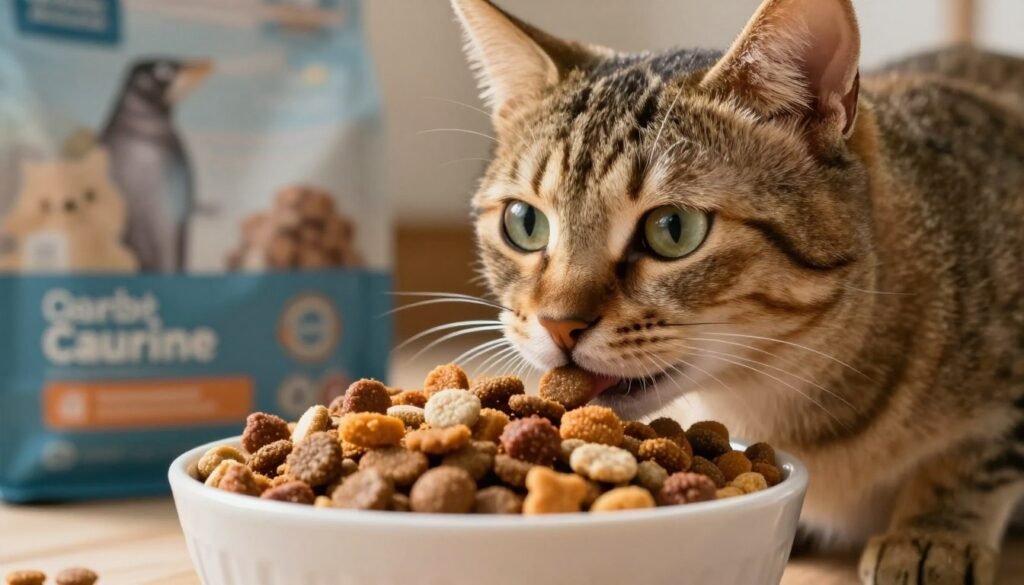
Protein is key for keeping your cat’s muscles strong. Make sure the first ingredient is a good animal protein like chicken or salmon. High-quality protein keeps them full of energy and their coat shiny.
Feeding Schedule and Portions
Feeding your cat at set times helps prevent them from getting too fat. Instead of leaving food out, give them set amounts at specific times. This helps you keep track of how much they eat and adjust as needed.
| Life Stage | Protein Requirement | Feeding Frequency | Portion Control |
|---|---|---|---|
| Kitten | High (Growth) | 3-4 times daily | Free-feed or measured |
| Adult | Moderate/High | 2 times daily | Strictly measured |
| Senior | Moderate (Lean) | 2 times daily | Weight management |
Grooming Tips for Norwegian Forest Cats
Keeping your pet’s coat looking great needs a lot of effort. As a long-haired cat, they have a thick, water-resistant coat. This coat keeps them warm and protects them from the weather. Regular grooming helps keep their fur healthy and prevents painful tangles.
Managing Their Thick Coats
The fur of a Norwegian Forest cat can mat if not brushed often. Brushing them at least twice a week is key. It removes loose hair and spreads natural oils.
Be extra careful around areas that rub together, like behind the ears and under the armpits. These spots are more likely to get tangled. Keeping these areas clean will make your cat more comfortable and prevent skin problems.
Recommended Grooming Tools
Choosing the right tools is crucial for grooming. A stainless steel comb is vital for getting to the undercoat. A slicker brush is also needed to smooth the top fur.
For cats with long tails, a wide-toothed comb is best. It gently detangles the tail without causing harm. Always groom your cat gently to make the experience enjoyable for both of you.
Bath Time: Frequency and Best Practices
Even though these cats are clean, they might need a bath now and then. Their fur is water-resistant, so make sure it’s well-soaked before shampooing. Use a mild shampoo made for cats to keep their skin healthy.
After shampooing, rinse them well to get rid of all soap. Thorough drying is important to avoid skin problems. Use a soft towel to dry them, and if they can handle it, a low-heat hair dryer can help dry the coat.
Training Your Norwegian Forest Cat
Training your Norwegian Forest cat is a journey that builds a deep, lasting connection. These cats are known for their independent spirit but are also very intelligent. With consistent, patient guidance, you can turn their curiosity into productive habits.
Basic Commands and Tricks
Start by teaching simple commands like “sit” or “come” using small, healthy treats. Keep your sessions short, ideally lasting no more than five to ten minutes. A Norwegian Forest cat often enjoys the mental challenge of learning a new trick.
Always end each session on a high note with a successful repetition. This ensures your cat associates training with fun and accomplishment rather than frustration. Remember that every cat learns at their own pace, so stay patient throughout the process.
Benefits of Positive Reinforcement
Positive reinforcement is the most effective way to encourage desired behaviors in your pet. By rewarding good actions with treats, praise, or play, you create a strong incentive. This method builds trust and prevents fear or anxiety.
When you use positive reinforcement, you are strengthening the bond you share with your Norwegian Forest cat. It transforms training from a chore into a rewarding game for both of you. Focus on catching them doing something right and rewarding it immediately to reinforce the lesson.
Socialization Tips
Early and consistent socialization is vital for ensuring your cat remains confident in various environments. Introduce your pet to new people, sounds, and experiences in a controlled, gentle manner. This helps them become a well-adjusted companion who feels secure even when visiting the veterinarian or welcoming guests into your home.
Try to expose your cat to different surfaces, carriers, and grooming tools early on to reduce future stress. Gradual exposure is the key to success. By keeping these interactions positive and calm, you ensure your Norwegian Forest cat grows into a brave and social member of your family.
Activities to Keep Your Norwegian Forest Cat Engaged
The Norwegian Forest cat is perfect for cold climates. They love to climb and explore. Their ancestors lived in snowy areas, so they have a strong instinct for hunting and climbing.
Indoor Play Ideas
Use your home’s vertical space to mimic their natural hunting. Set up tall cat trees or wall-mounted shelves. This lets them see their territory from above, just like their forest ancestors.
Interactive play is great too. Use feather wands or laser pointers to make them jump and pounce. End with a treat to make them feel like they’ve hunted.
Outdoor Exploration Safely
Letting your cat outside needs to be safe. A secure “catio” is perfect. It lets them enjoy fresh air and sunshine without risks.
Or, teach them to walk on a harness and leash. Start indoors until they’re comfortable. Then, take them to a quiet, fenced backyard for exploration.
Puzzle Toys and Challenges
Mental challenges are key for this smart breed. Puzzle toys that require problem-solving are great. They keep their minds active and prevent boredom.
Hide dry food around the house to encourage foraging. As one of the best cat for cold climates, they enjoy solving puzzles. These activities keep your Norwegian Forest cat happy, healthy, and sharp.
The Norwegian Forest Cat in Popular Culture
Exploring the legacy of this breed shows why it’s a popular cat breed in Norway. These cats have moved from being cold survivors to symbols of Scandinavian heritage.
Featured in Literature and Media
In Scandinavian folklore, these cats are magical. They’re in old tales as Freya’s chariot pullers.
Today, they’re in children’s books and animated films. These stories show their bravery and strength.
Appearances in Art and History
This Norwegian cat breed was seen on farms and ships. Their presence in early art shows their bond with the North’s people.
Artists loved their coats and alert looks. These works show their hunting skills and loyalty.
Famous Norwegian Forest Cats
Some cats have become famous on social media and in local stories. They show the breed’s smarts and gentle side to the world.
The table below shows their roles in history and today:
| Category | Historical Role | Modern Representation |
|---|---|---|
| Folklore | Mythical companions | Cultural symbols |
| Daily Life | Farm pest control | Family companions |
| Media | Oral storytelling | Social media stars |
Adopting or Buying a Norwegian Forest Cat
Getting a Norwegian Forest cat is a rewarding journey. It starts with careful planning. You can rescue a cat or buy one from a professional. Knowing the breed’s needs is crucial before making a decision.
Reputable Breeders vs. Adoption
Deciding between a breeder and a shelter depends on your goals and resources. Breeders offer health guarantees and genetic testing, which are invaluable for health. Adoption, on the other hand, gives a loving home to a cat in need, often at a lower cost.
Always check a breeder’s credentials. A responsible breeder puts animal welfare first. If adopting, look for rescue groups that know the Norwegian Forest cat‘s unique temperament.
| Feature | Reputable Breeder | Animal Shelter |
|---|---|---|
| Health History | Documented/Tested | Often Unknown |
| Cost | Higher | Lower/Donation |
| Availability | Waitlists common | Immediate |
| Support | Lifetime guidance | Limited |
What to Look for in a Kitten
When visiting a kitten, watch their behavior. A healthy kitten is curious, alert, and playful. Their eyes should be clear, and their coat should be clean and free of parasites.
Ask about the kitten’s socialization history. Early socialization makes for a more confident cat. Remember, these cats are not hypoallergenic, so consider your household’s sensitivity to dander.
Transitioning Them to Their New Home
Moving to a new home is stressful for cats. Prepare a quiet, secure room for them to adjust. Use familiar bedding and toys to make them feel safe.
“The bond between a human and their cat is built on patience, trust, and the quiet moments shared in a new home.”
Since they are not hypoallergenic, consider an air purifier for dander. Once they’re confident, introduce them to the rest of the house. Consistent routines help them thrive in their new home.
Conclusion: Is the Norwegian Forest Cat Right for You?
Choosing a pet is a big decision that needs careful thought. The Norwegian Forest cat is a great choice for those who love sturdy cat breeds. They are beautiful and resilient.
Assessing Your Living Situation
Your home environment is key to your pet’s happiness. These cats love to climb and explore safely. Make sure your home has enough vertical space for them to stay active.
Time and Commitment Required
Having one of these cats means you need to commit time to grooming and socializing. Set aside time each week for their grooming and play. This effort will strengthen your bond with your pet.
Final Thoughts on This Sturdy Breed
The Norwegian Forest cat is loyal and protective, making them great companions. They bring joy and character to your home. Think about your daily routine to see if you’re ready for this unique pet.