Did you know that nearly 80% of snake encounters with pets happen at home? It’s a shocking fact for many pet owners. Making your backyard snake-proof is crucial for your pets’ safety.
You want your pets to enjoy the outdoors without fear. By spotting risks in your yard, you can prevent wildlife encounters. This guide will show you how to make your outdoor space safe.
By following these easy tips, you’ll feel safer with your family. A few changes can make your snake-proof backyard a safe haven for your pets all year.
Key Takeaways
- Identify common hiding spots like wood piles or tall grass to reduce snake interest.
- Keep your lawn trimmed short to eliminate cover for slithering visitors.
- Remove standing water and food sources that attract rodents, which in turn draw snakes.
- Install specialized fencing or mesh barriers to physically block entry points.
- Maintain regular yard maintenance to keep your outdoor environment inhospitable to wildlife.
Understanding the Risks to Your Pets
Keeping your pets safe from snakes starts with knowing their curiosity. Dogs and cats see the backyard as a place to play. They often go after rustling leaves or strange smells with intense interest.
This curiosity can lead them to danger. They might not see a snake as a threat. Instead, they might view it as a toy or a puzzle to solve.
Since pets rely on their nose and ears, they might accidentally find a snake. This innocent exploration is how most pets meet snakes.
It’s important to know the signs of a snake encounter. If your pet acts agitated, barks a lot at a spot, or backs away from tall grass, watch closely. These signs mean something might be hiding in the bushes.
Staying calm is key in these situations. If you think there’s a snake around, call your pet to you with a firm voice. Keeping calm helps keep your pet safe and prevents any accidents.
Identifying Common Backyard Snakes in North America
Not all snakes are the same. Knowing the difference between harmless garden visitors and dangerous ones is key for pet owners. By understanding which snakes live in your area, you can keep your pets safe. Knowledge is your best defense when managing a backyard shared with wildlife.
Most snakes you meet are just looking for food or a place to hide. As a wildlife expert once said:
The vast majority of snakes in homes are harmless and help control rodents, but it’s still important for pet owners to be careful.”
Recognizing Garter Snakes and Their Behavior
Garter snakes are common in many North American gardens. They are thin, often striped, and shy. They usually hide when they see people or pets.
They are safe for your pets, but their presence can worry some. They only bite if they feel trapped or handled. Keeping your yard clean helps them find better places to live.
The Reality of Rattlesnakes in Residential Areas
Rattlesnakes are a real danger that needs your attention. These venomous snakes can enter homes, often where cities meet wild areas.
Being careful is the best way to keep your pets safe. Always check your yard before letting your dog out, more so in warmer months. Prioritizing prevention is better than trying to handle a snake after it’s seen.
The Importance of a Snake-Proof Backyard
A snake-proof backyard is key to keeping your pets safe from wild animals. It blocks snakes from getting into your yard. This makes your garden a safe place for your pets to play.
Keeping your backyard safe gives you peace of mind. By removing snake attractants, you make a safe space for your pets. This is good for their health and your stress levels.
Putting in these safety measures shows you care about your pets. A safe yard stops accidents that could hurt your pets or cost a lot of money. These changes are crucial for your home’s safety.
| Feature | Unsecured Yard | Snake-Proof Backyard |
|---|---|---|
| Pet Safety Level | Low/Moderate | High |
| Wildlife Access | Easy Entry | Restricted |
| Maintenance Effort | Reactive | Proactive |
| Overall Backyard Safety | High Risk | Low Risk |

Extra 40% Discount on All Orders
Why pay full price for quality? Want the VIP treatment for your pet? Join PetCare+ now to solve the problem of recurring costs with a massive 40% OFF, plus exclusive free gifts and free shipping on every order.
Pet Care Supplies
Mon-Fri 9 AM – 5 PM CST
Assessing Your Property for Potential Entry Points
To keep snakes away, start by checking your property for weak spots. Don’t rush into buying expensive barriers without knowing where snakes might get in. Surveying your area is key to protecting your pets from snakes.
“The best defense is a well-observed perimeter; knowing your enemy’s path is half the battle won in home security.”
Begin by walking around your yard’s edge. Look for places where the ground has changed or where plants have made tunnels. Even a small gap can let a snake into your pet’s area.
Inspecting Perimeter Fencing and Gaps
Examine your fence line carefully for weak spots. Check the bottom where the fence meets the ground, as snakes often enter here. Mark any gaps for fixing right away.
Don’t miss the gates and corners where fences meet. Snakes can find hidden pathways that we often miss. Make sure to seal gaps under gates with strong mesh or weather stripping.
Checking Under Decks and Sheds
Look beyond the fence to dark, cool spots that snakes love. Under decks, porches, and sheds are perfect for them to hide from the sun. These places are damp and quiet, making them great hiding spots.
Shine a light into these areas to look for snake signs like shed skins or droppings. If you find snakes can get in, think about using hardware cloth or lattice panels. Securing these dark corners helps keep snakes away from your home.
Stay alert and check these risky spots regularly. By doing this, you make your yard safer for your pets. Being proactive now helps avoid problems later.
Installing Effective Snake Fencing
Putting up a physical barrier is the best way to keep your yard snake-free. A dedicated perimeter greatly lowers the risk of snakes getting in. This makes pet owners feel more at ease.
Choosing the Right Materials for Snake Barriers
When creating a snake-proof barrier, picking the right material is key. Chain-link fences don’t work well because snakes can slip through the big gaps. Instead, go for fine-mesh hardware cloth or snake-proof netting.
These materials are tough and have small holes that keep snakes out. Make sure the mesh is at least 30 inches tall to block snakes effectively. Using galvanized steel keeps it from rusting and makes it last longer.
| Material Type | Durability | Snake Prevention | Cost |
|---|---|---|---|
| Hardware Cloth | High | Excellent | Moderate |
| Plastic Netting | Low | Fair | Low |
| Chain-Link | High | Poor | High |
Proper Installation Techniques for Maximum Security
How you install your snake fencing is crucial. Just laying it on the ground won’t work, as snakes can dig under it. Bury the mesh at least 6 inches deep to stop them from crawling under.
Attach the fence to strong posts with heavy-duty staples or zip ties. Make sure gates and entry points are sealed with weather stripping or more mesh. A well-installed snake-proof barrier creates a safe area for pets to play without fear of snakes.
Eliminating Food Sources That Attract Snakes
Your backyard might be an all-you-can-eat buffet for local reptiles without you knowing. Snakes are opportunistic hunters that visit homes to hunt. By removing attractants, you make your property less appealing to snakes.
To keep snakes away, you need to manage your property well. Limiting food sources reduces the chance of snakes near your home.
Managing Rodent Populations Around Your Home
Rodents are a main food source for many snakes. If you have mice or rats, you’re inviting snakes. Sanitation is key in this fight.
Keep your grass short and remove brush, wood, or debris where rodents nest. Seal cracks in your home’s foundation or crawl spaces to keep rodents out. These steps help keep your home safe and clean.
Securing Pet Food and Bird Seed Storage
Spilled pet food and bird seed attract small mammals, which draw snakes. Store dry pet food in airtight, heavy-duty containers that rodents can’t chew through. Clean up pet food outdoors right after they eat.
Place bird feeders away from your house and clean up fallen seeds. Keeping these areas clean helps you keep snakes away by cutting off their food supply.
| Attractant Type | Risk Level | Mitigation Strategy |
|---|---|---|
| Loose Bird Seed | High | Use spill-proof feeders |
| Pet Food Bowls | Medium | Clean up after every meal |
| Rodent Nests | Very High | Clear brush and debris |
| Compost Piles | Medium | Use enclosed bins |
Removing Standing Water and Hiding Spots
Your backyard might be inviting snakes without you realizing it. Homeowners often focus on fencing but forget about the environment. To keep snakes away, you need to address their need for water and safety.
Managing Water Features and Pet Bowls
Snakes love moisture, which is why they’re attracted to water sources. Decorative ponds, birdbaths, and pet bowls can be like a welcome mat for them. To keep snakes away, reduce these water sources.
Move pet bowls up high or on clear surfaces. This makes it easier to see if a snake is around. If you have a pond, make sure the edges are steep and free of plants. This makes it hard for snakes to sneak up without being seen.
Clearing Debris and Overgrown Vegetation
Snakes like places to hide from the sun and predators. Wood piles, brick stacks, and tall grass are perfect for them. By removing these, you make your yard less appealing.
Clearing yard waste regularly is a key snake prevention tip. Keep your lawn short and storage areas tidy and off the ground. This simple step helps keep snakes away from your home.
| Yard Feature | Risk Level | Action Required |
|---|---|---|
| Pet Water Bowls | Moderate | Elevate or monitor daily |
| Wood Piles | High | Store off-ground or remove |
| Overgrown Shrubs | High | Trim back from structures |
| Decorative Ponds | Moderate | Clear surrounding vegetation |

Support a Shelter Today
Your contribution provides urgent medical care and safe shelter for animals in need.
Landscaping Choices for a Snake-Resistant Yard
Your garden layout is a powerful tool for keeping unwanted reptiles away from your home. By focusing on snake-resistant landscaping, you can make your property less appealing to local wildlife. A well-planned garden balances beauty with safety for your pets.
“The best gardens are those that harmonize with nature while providing a clear boundary between human living spaces and the wild.”
Selecting Plants That Do Not Provide Cover
Snakes thrive in environments that offer protection from predators and the sun. Avoid planting dense shrubs, thick ground covers, or tall ornamental grasses near your home or pet play areas. These plants create perfect hiding spots for reptiles.
Instead, choose open-habit plants that allow light to reach the soil surface. Keeping your garden beds tidy and thinning out overgrown vegetation makes the area less attractive to snakes. Visibility is your best defense against unwanted visitors in your backyard.
Creating Buffer Zones Between Play Areas and Wild Spaces
Establishing a clear separation between your pet’s play zone and the edge of your property is vital. You can achieve this by creating a snake-proof barrier using materials that snakes dislike crossing. A wide strip of gravel, crushed rock, or wood chips acts as a natural deterrent because these surfaces are difficult for snakes to navigate silently.
Consider these tips for maintaining effective buffer zones:
- Keep grass mowed extremely short within a five-foot perimeter of your home.
- Use hardscaping materials like pavers or stone to create clear walkways.
- Remove any piles of leaves or organic debris that could bridge your buffer zone.
By maintaining these clear zones, you ensure that your pets have a safe space to run and play. These simple design choices help you enjoy your outdoor space with peace of mind, knowing you have taken proactive steps to keep your yard secure.
Managing Yard Maintenance to Deter Reptiles
Keeping your yard clean can help prevent snake encounters. Regular maintenance removes the hiding spots snakes need. This makes your yard less appealing to them.
Creating snake-resistant landscaping means being proactive about your yard. By removing snake attractants, you encourage them to go elsewhere. This is easy, affordable, and good for your pets.
Regular Mowing and Grass Height Management
Mowing your grass short is a great way to keep snakes away. Tall grass hides snakes, making them hard to spot. Short grass makes them feel exposed and less likely to stay.
Mow your lawn at least once a week when it’s warm. Consistency is key to keeping your grass short. Focus on the edges and areas near fences, where grass grows thicker.
Keeping Woodpiles and Storage Areas Organized
Snakes like dark, cool, and hidden spots. Woodpiles, brick stacks, and cluttered storage areas are perfect for them. Organizing these areas removes their hiding spots.
Store firewood on racks at least 18 inches off the ground. Keep storage sheds clean and free of clutter. A tidy environment is crucial for backyard safety for everyone.


Regional Strategies for Australian and Global Contexts
Wildlife encounters change a lot based on your local climate and ecosystem. The main safety tips stay the same, but the dangers vary by location. Knowing these differences helps you use effective defense strategies that fit your area.
In warm, humid places, reptiles stay active all year. You need to keep up with yard work more often. Consistent vigilance is key to protecting your pets from unwanted visitors.
Adapting Maintenance for Different Climates
In tropical or subtropical areas, you need to do yard work more often. Fast-growing plants can hide snakes and other reptiles. Clear out thick ground cover and trim branches to reduce hiding spots.
In dry or desert areas, managing water is crucial. Reptiles seek water during hot times. Make sure pet water bowls are up high or locked away, and get rid of any standing water to keep wildlife away.
Protecting Pets from Large Birds and Reptiles
In places like Australia, you face snakes and big birds that see pets as food. A clear yard is vital for maximum pet safety. Keep your lawn short and remove debris to stop these animals from hiding.
Watch out for birds that perch high up. They look for movement from the ground. Keeping a safe distance from wild areas helps prevent dangerous encounters.
Being proactive with yard care is the best way to keep wildlife away. By watching local animals, you can adjust your care to meet specific dangers. This careful approach makes your backyard a safe place for your pets.
Training Your Pet for Snake Awareness
While physical barriers are key, your pet’s behavior is the last defense against wildlife. Consistent snake safety measures fill the gap between a safe yard and a truly protected pet. Training your pet helps them make better choices when they see something unexpected.
Basic Commands to Keep Pets Away from Wildlife
Keeping control is the best way to avoid dangerous encounters. Focus on commands that keep pets away and make them listen right away. These are crucial snake safety measures for any pet owner.
- The “Leave It” Command: This is your most powerful tool. Practice this by placing a neutral object on the ground and rewarding your pet when they ignore it upon your command.
- The Recall Command: A rock-solid “come” or “here” ensures that you can pull your pet away from a suspicious area before they get too close.
- The “Stay” Command: Use this to freeze your pet in place if you spot a potential threat, allowing you to assess the situation safely.
Recognizing Signs of Snake Encounters
Your pet often senses a snake long before you do. Learning to read their body language is a critical part of your snake safety measures. It lets you step in before a strike happens.
Watch for sudden changes in your pet’s demeanor, such as stiffening of the body or an intense, focused stare at a specific patch of brush. Many dogs will emit a low, guttural growl or a sharp, repetitive bark that differs from their normal play sounds. If your pet suddenly retreats or refuses to enter a specific area of the yard, take their hesitation seriously and investigate the space carefully.
Always remain vigilant during outdoor time. By combining these training techniques with proper yard maintenance, you create a comprehensive strategy that keeps your pets safe from harm.
What to Do If You Spot a Snake
Seeing a snake in your backyard can be scary for pet owners. If you find a snake near your home, it’s crucial to know what to do. Staying calm is key to keeping everyone safe.
Maintaining Distance and Keeping Pets Calm
First, stop moving towards the snake. Slowly back away while watching the snake. Never try to handle or kill it, as this can lead to a bite.
If your pet is with you, grab them right away. Use a leash or tell them to go to a safe spot. Keeping your pets calm is important, as excited pets might scare the snake. Move to a safe distance and keep pets inside until it’s safe.
When to Call Professional Wildlife Removal
Not all snakes need professional help, but it’s safer if you’re unsure. If you think the snake is venomous or in a busy area, call a professional wildlife removal service. They can safely move the snake without harm.
Also, call professionals if the snake is in your house or a small space. Trying to remove it yourself can be dangerous. Using these snake safety measures keeps your backyard safe for everyone.
Creating Safe Play Zones for Your Pets
Creating a snake-proof backyard can be as simple as setting up a safe area for your pets. By limiting their access, you lower the risk of them meeting a snake. This way, your pets can still enjoy the outdoors while you relax.
Designing Enclosed Runs and Patios
When setting up a safe space, use snake fencing that keeps out even the smallest snakes. Make sure the fence is buried at least six inches deep to prevent burrowing. Choose materials like hardware cloth or solid panels that snakes can’t climb.
If you live where snakes climb trees, add a roof to your enclosure. Keep the area inside free of tall grass, rocks, and wood piles. A clean, open space is best for your pets.
Supervision Tips During Outdoor Playtime
Even with a safe area, watching your pets closely is crucial. Always supervise them, more so during early morning or late evening when snakes are active. If your pet seems odd or stares at something, take them away right away.
Consistency is key to keeping your pets safe outside. Here’s a table comparing different ways to keep your backyard safe:
| Containment Type | Best For | Snake Protection Level |
|---|---|---|
| Enclosed Patio | Small dogs and cats | High |
| Hardware Cloth Run | Active breeds | Very High |
| Portable Playpen | Short-term supervision | Moderate |
Common Myths About Snake Deterrents
Looking to keep snakes away? It’s key to know what works and what doesn’t. Many spend a lot of time and money on ineffective products. This leaves pets at risk of snake encounters in your yard.
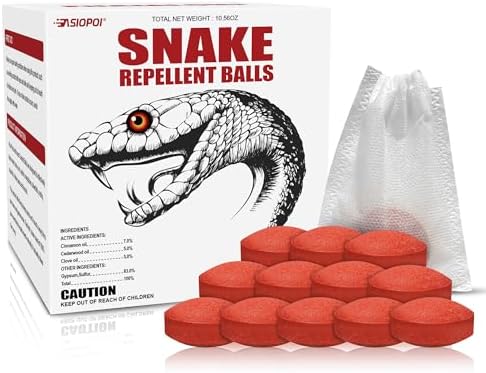
Why Mothballs and Sulfur Do Not Work
Some think mothballs or sulfur repel snakes. But, these items are completely useless for this purpose. Snakes don’t smell them like we think they do.
Worse, these substances are very toxic to pets. If your pet eats mothballs, it can be very sick or even die. It’s safer to use physical barriers than harmful chemicals.
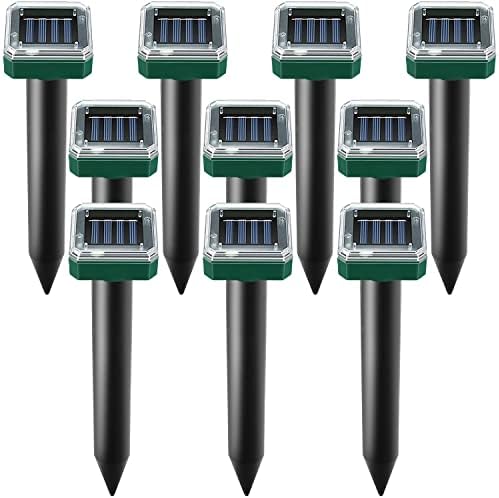
Evaluating Commercial Repellents and Ultrasonic Devices
The market is full of snake repellents and ultrasonic devices. But, science shows they don’t work well. Snakes often ignore these devices or get used to them.
Don’t waste money on gadgets that don’t keep snakes away. The best way to protect your yard is to remove hiding spots and food. Use proper fencing to create a snake-proof barrier. Remember, there’s no “magic spray” for keeping snakes away; regular upkeep is your best defense.
Building a Long-Term Maintenance Routine
You can make your outdoor space a safe haven with a good maintenance routine. Keeping up with yard care is key to backyard safety for pets and family. Regular upkeep helps prevent snakes from showing up uninvited.
Seasonal Checklists for Backyard Safety
Each season brings its own set of challenges. In spring, check your snake fencing for damage from frost or storms. Also, clean up debris and make sure your yard is secure.
Summer means managing water and plants. Make sure your snake deterrents are in place and not moved by people or lawn mowers. In fall, clear leaves and get ready for winter.
- Spring: Fix fence gaps and trim branches.
- Summer: Watch pet water and keep grass short.
- Fall: Clear leaves and organize wood storage.
- Winter: Check fence strength.
Involving the Whole Family in Yard Upkeep
Keeping your yard safe is a team effort. When everyone pitches in, it’s easier. Start by teaching everyone about potential dangers.
Give kids tasks based on their age. Young ones can tidy toys, while older kids can check the fence. This way, everyone learns about wildlife and helps keep the yard safe.
Working together makes your home safer. Regular checks and using snake deterrents give you peace of mind. A well-kept yard is safer for pets to play outside.

Conclusion
Turning your backyard into a safe spot for pets takes hard work and constant watchfulness. You now know how to keep your yard safe and reduce risks for your pets.
Using tested snake prevention tips is key to a safe place. Simple steps like cleaning up debris and trimming plants help keep snakes away.
Snake-resistant landscaping acts as a natural shield against snakes. By picking the right plants and keeping areas clear, you make your home less appealing to snakes.
Don’t fall for fake snake deterrents that promise quick solutions. Real safety comes from solid barriers and regular yard care, not from chemicals or gadgets.
Your hard work makes your yard a fun and relaxing place. Tell your neighbors about your efforts to make your community safer for pets. Enjoy the peace of knowing your home is safe.
FAQ
What is the most effective way to begin snake-proofing your backyard?
Are there specific snake-resistant landscaping choices I can make to protect my pets?
How to keep snakes away by managing food and water sources?
Do commercial snake deterrents like mothballs or ultrasonic devices actually work?
What should I do if I encounter a snake while my pet is outside?
How can I train my dog to stay safe during a wildlife encounter?
What are the best materials for installing effective snake fencing?
References:
This article was created based on information from the following authoritative sources: American Society for the Prevention of Cruelty to Animals (ASPCA), ASPCA Animal Poison Control Center, and Merck Veterinary Manual.