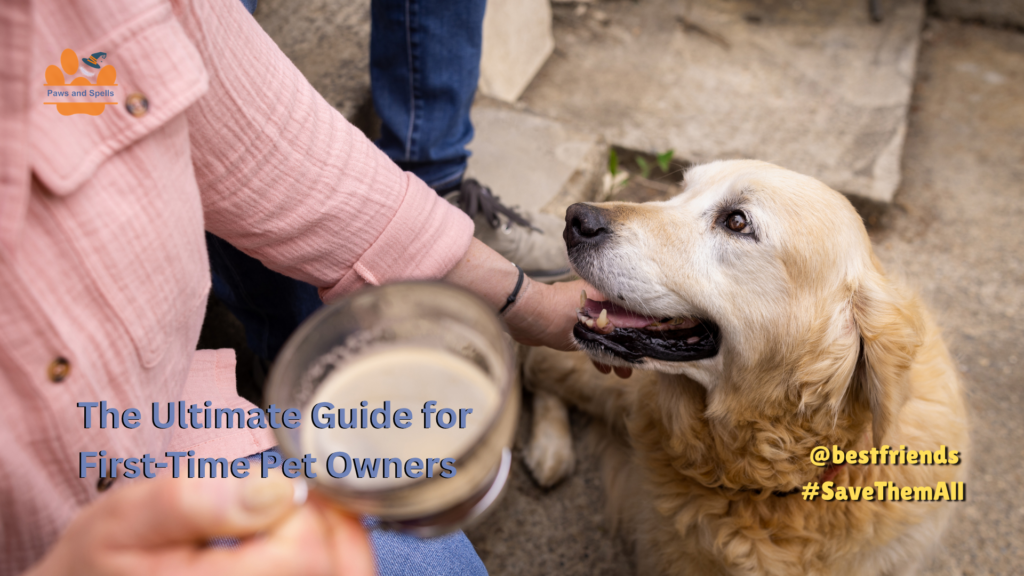
Welcoming a new shelter pet into your home can be a rewarding experience. It demands careful consideration, given that you already have pets. The American Pet Products Association (APPA) notes that multi-pet households are common. Introducing new pets necessitates a thoughtful approach to ensure a smooth transition for all your furry friends.
A slow and well-planned introduction is essential to prevent conflicts and stress among your pets. The American Society for the Prevention of Cruelty to Animals (ASPCA) advocates for a gradual introduction process. This helps your pets adjust to the new addition.
Key Takeaways
- Plan a gradual introduction process to prevent conflicts
- Understand the importance of a slow introduction
- Prepare a separate room for your new pet
- Supervise interactions between your pets
- Reward good behavior during the introduction process
Understanding Multi-Pet Homes
Grasping the complexities of multi-pet homes is essential for achieving harmony. As multi-pet households grow in prevalence, they can be incredibly fulfilling with the right strategies.
Benefits of Having Multiple Pets
Introducing multiple pets into your home can significantly enhance your living space. The American Pet Products Association (APPA) reveals that many owners experience improved well-being with multiple pets. This is due to enhanced socialization among pets and a more vibrant home atmosphere.
Further, pets can offer each other companionship when their owners are absent, potentially reducing anxiety and destructive tendencies. The ASPCA emphasizes that multiple pets can foster socialization and physical activity, contributing to a healthier lifestyle.
Challenges of Multi-Pet Environments
Despite the advantages, multi-pet homes face several hurdles. A significant concern is resource competition, where pets may vie for food, attention, or space. Introducing a new pet can also spark conflicts, often due to differing personalities or backgrounds.
Overcoming these obstacles necessitates meticulous planning and a focus on each pet’s needs. It’s vital to ensure each pet receives sufficient attention, exercise, and resources to avert feelings of jealousy or abandonment.
Assessing Compatibility of Your Pets
Before adding a new pet, evaluating the compatibility of your current pets is critical. Consider the temperament, age, and energy levels of both your pets and the newcomer.
A gradual, controlled introduction is advisable for a seamless transition. Observing your pets’ body language and behavior during these initial meetings can offer insights into their compatibility.
Preparing Your Home for a New Pet
Preparing your home for a new pet is a critical step in creating a harmonious multi-pet household. This process involves several key steps to ensure that your home is safe, welcoming, and stress-free for both the new and existing pets.
Creating Safe Spaces for Each Pet
According to the Best Friends Animal Society, creating separate areas for pets can significantly reduce stress. Designate quiet, comfortable spaces where each pet can retreat when feeling overwhelmed. These areas should be equipped with familiar comforts such as favorite toys, bedding, and possibly a familiar scent.
Tips for Creating Safe Spaces:
- Choose quiet, low-traffic areas for each pet’s safe space.
- Ensure each space is equipped with the pet’s favorite items.
- Keep these areas free from drafts and extreme temperatures.
Organizing Supplies and Resources
Organizing your pet supplies is critical for a smooth transition. This includes having separate food and water stations, litter boxes, and toys for each pet. The American Pet Products Association (APPA) suggests that having the right supplies can make a significant difference in managing a multi-pet household.
| Supply | Quantity | Notes |
|---|---|---|
| Food and Water Bowls | 2-3 per pet | Easy to clean, non-slip |
| Litter Boxes | 1 per cat + 1 extra | Placed in quiet, accessible areas |
| Toys | Variety for each pet | Rotate toys to keep pets engaged |
Setting Boundaries with Pet Gates
Pet gates are an effective way to set boundaries within your home, allowing you to control the interaction between pets and restrict access to certain areas. The ASPCA recommends using pet gates to create a safe and gradual introduction between pets.
By implementing these strategies, you can create a welcoming environment for your new pet and ensure a harmonious coexistence among all pets in your household.
Choosing the Right Animal for Your Home
To ensure a harmonious home, it’s essential to select a pet that fits well with your current household dynamics. This involves a thoughtful consideration of various factors to ensure that the new addition is a good match for your family.
Considering Pet Sizes and Personalities
The size and personality of a pet are critical in determining its compatibility with your household. For instance, a high-energy dog may not be the best fit for a small apartment, while a calm and gentle cat might thrive in such an environment. It’s essential to consider the needs and characteristics of your current pets as well to ensure that the new pet will get along with them.
Adopting From Reputable Shelters
Adopting from reputable shelters, such as those endorsed by organizations like the American Society for the Prevention of Cruelty to Animals (ASPCA), not only gives a loving home to a pet in need but also increases the chances of a harmonious household. Reputable shelters often have a wide range of pets and provide valuable information about each animal’s background, temperament, and needs.
Animals with Known Temperaments
Understanding the temperament of a pet is vital in ensuring that it fits well into your home. Pets with known temperaments are generally easier to integrate into your household because their behavior and needs are better understood. Shelters and rescue organizations often assess the temperament of animals, providing adopters with critical information to make an informed decision.
By carefully considering these factors and adopting from reputable sources, you can significantly enhance the likelihood of creating a harmonious home for both your current pets and the new addition.
The Introduction Process
Ensuring a peaceful coexistence between a new shelter pet and your family is essential. This involves more than just bringing them together. It’s about doing so in a way that minimizes stress and fosters a harmonious home environment.
Steps for a Smooth Introduction
The American Society for the Prevention of Cruelty to Animals (ASPCA) advocates for a gradual introduction process. Slow introductions are critical to prevent initial conflicts. The steps include:
- Keeping the pets separated at first
- Allowing them to become familiar with each other’s scents and sounds
- Gradually increasing their visual interactions
- Monitoring their behavior closely
| Step | Description | Objective |
|---|---|---|
| 1. Separation | Keep pets in separate rooms | Reduce initial stress |
| 2. Scent Introduction | Swap bedding or toys | Familiarize with scents |
| 3. Visual Introduction | Allow pets to see each other through a gate | Assess visual compatibility |
Using Controlled Environments
Utilizing controlled environments, such as separate rooms or areas divided by gates, is essential during the introduction process. This setup allows pets to become comfortable with each other’s presence without the immediate risk of face-to-face contact. Patience is vital during this phase, as rushing the process can lead to setbacks.
Monitoring Body Language and Behavior
Monitoring your pets’ body language and behavior during the introduction is critical. Signs of stress or aggression, such as growling, hissing, or avoidance, must be taken seriously. According to Save-A-Pet USA, observing these cues can help you adjust the introduction process, ensuring a smoother transition for all pets involved.
By adhering to these steps and being attentive to your pets’ needs and reactions, you can create a more harmonious home for your new and existing pets.
Initial Meetings Between Pets
A well-planned initial meeting between pets can significantly reduce stress and promote a peaceful coexistence. The first encounter is critical as it establishes the tone for their future interactions.
Tips for First Encounters
To ensure a smooth introduction, it’s essential to follow some key guidelines. Keep the initial meeting in a neutral area where neither pet feels territorial or threatened. The ASPCA emphasizes the importance of keeping initial meetings short and positive.
- Start with visual introductions, allowing pets to see each other from a distance.
- Use phased face-to-face introductions, beginning with short sessions.
- Monitor the body language of both pets closely during these initial encounters.
Keeping Introductions Short and Positive
The ASPCA advises that initial meetings should be brief and positive to avoid overwhelming the pets. Positive reinforcement with treats and praise can help create a favorable association with the new pet.
Some key strategies include:
- Limit the first few interactions to a few minutes.
- Reward calm behavior with treats and affection.
- Gradually increase the interaction time as the pets become more comfortable.
Allowing Pets to Explore Gradually
Gradual exploration is key to a successful integration. Allow pets to explore each other’s presence, scent, and space at their own pace. This gradual approach helps in reducing stress and anxiety.
By following these steps, you can create a harmonious environment for your pets. Remember, patience and careful planning are essential for successful first encounters.
Creating a Safe Zone for the New Pet
Creating a safe zone for your new pet is vital for a harmonious household. The Best Friends Animal Society emphasizes the importance of a quiet, safe space for new pets. This dedicated area ensures your pet’s comfort and reduces stress and anxiety.
Importance of a Private Space
A private space acts as a sanctuary for your pet, providing a refuge when they feel overwhelmed. This is critical in households with multiple pets, where dynamics can be complex. Providing a safe zone minimizes conflicts and fosters peaceful coexistence among pets. The ASPCA stresses that a safe, comfortable environment is essential for pets’ well-being.
“A safe and comfortable environment is critical for pets’ well-being.” – ASPCA
Setting Up the New Pet’s Area
To create the new pet’s area, choose a quiet room or corner away from main traffic. Ensure it’s comfortable with essentials like food, water, and a litter box. The area should be draft-free and maintain a comfortable temperature. Adding familiar scents, like a blanket from their previous home, can offer comfort.
Encouraging Exploration at Their Own Pace
Allow your new pet to explore at their own pace. Initially, keep them in the designated safe zone until they seem comfortable. Gradually introduce them to other areas under close supervision. This gradual introduction reduces stress and anxiety. Make exploration positive and rewarding.
By following these steps, you can create a safe, welcoming environment for your new pet. This ensures they feel secure and comfortable in their new home.
Managing Resources for Multiple Pets
In households with multiple pets, effective resource management is vital to avoid conflicts and foster harmony. It is essential to manage resources like food, water, and toys to ensure a peaceful environment. This allows all pets to feel comfortable and secure.
Food and Water Stations
Establishing separate food and water stations is a practical strategy for managing mealtime in homes with multiple pets. The American Pet Products Association (APPA) notes that distinct eating areas can significantly reduce competition and stress. It is advisable to place these stations in quiet, low-traffic areas to minimize distractions during meals.
Shared Toys vs. Individual Toys
The decision between shared and individual toys depends on the pets’ personalities and preferences. Some pets are comfortable sharing toys, while others may become possessive. The American Society for the Prevention of Cruelty to Animals (ASPCA) recommends observing your pets’ behavior to determine the best approach. A mix of shared and individual toys can help in reducing conflicts.
| Toy Type | Benefits | Considerations |
|---|---|---|
| Shared Toys | Encourages socialization and sharing among pets | May lead to resource guarding if not monitored |
| Individual Toys | Reduces competition and possessiveness | May increase the overall cost of toys and require more storage |
Preventing Resource Guarding
Resource guarding is a common issue in multi-pet households where pets become protective of their food, toys, or other resources. Establishing a routine and training pets to feel secure is essential. Techniques such as desensitization and counterconditioning are recommended by professional trainers and behaviorists.
Implementing these strategies can significantly reduce the likelihood of resource guarding. This creates a more harmonious home environment for all pets.
Establishing a Routine
Creating a consistent routine is essential for maintaining harmony among pets in a multi-pet household. A routine offers a sense of security and stability, which helps in reducing stress and anxiety among pets.
Importance of Consistency
Consistency is the cornerstone of a successful routine. The American Society for the Prevention of Cruelty to Animals (ASPCA) emphasizes the significance of consistency in feeding schedules and individual attention. By adhering to a consistent daily schedule, pets develop a sense of trust and feel more secure.
Benefits of a Consistent Routine:
- Reduces stress and anxiety among pets
- Promotes a sense of security and stability
- Helps in developing a sense of trust among pets
Feeding Schedules for Multiple Pets
Feeding schedules are a critical component of a pet routine. For households with multiple pets, it’s imperative to establish a feeding schedule that accommodates all. Feeding pets separately can prevent competition and resource guarding.
| Pet | Feeding Time | Food Type |
|---|---|---|
| Dog | 8:00 AM, 6:00 PM | Kibble |
| Cat | 9:00 AM, 7:00 PM | Wet Food |
Setting Aside Time for Each Pet
Spending individual time with each pet is vital for their emotional well-being. The ASPCA advises dedicating quality time to each pet to enhance your bond and prevent jealousy.
By implementing a routine that includes consistent feeding schedules and individual attention, you can foster harmony in your multi-pet household.
Training Strategies for Multi-Pet Homes
In homes with multiple pets, a well-structured training strategy is essential for a peaceful coexistence. Effective training not only helps in managing the behavior of individual pets but also fosters a harmonious household.
Basic Commands for All Pets
Teaching basic commands to all pets is a fundamental aspect of multi-pet home management. Commands like “sit,” “stay,” and “come” help in maintaining order and ensuring the pets’ safety. According to the American Pet Products Association (APPA), consistent training enhances the bond between pets and their owners.
To implement basic commands effectively:
- Start with one pet at a time to avoid confusion.
- Use positive reinforcement techniques like treats and praise.
- Gradually increase the complexity of commands.
Addressing Behavioral Issues
Behavioral issues in multi-pet homes can arise from competition for resources, attention, or space. Identifying and addressing these issues promptly is critical. Save-A-Pet USA recommends observing your pets’ behavior closely to detect any signs of stress or aggression.
| Behavioral Issue | Possible Cause | Solution |
|---|---|---|
| Resource Guarding | Competition for food or toys | Separate feeding areas, individual toys |
| Aggression | Fear, territorialism | Slow introductions, positive reinforcement |
Using Positive Reinforcement Techniques
Positive reinforcement is a highly effective training method that encourages good behavior by rewarding it. The ASPCA endorses positive reinforcement as a humane and efficient training technique. By using treats, praise, and affection, pet owners can encourage desired behaviors in their pets.
To apply positive reinforcement:
- Identify the desired behavior.
- Reward the behavior immediately.
- Consistently reinforce the behavior.
By implementing these training strategies, pet owners can create a more harmonious and enjoyable living environment for both themselves and their pets.
Socializing Your New Pet
The process of socializing a new pet involves several strategies that can significantly enhance their integration with existing pets and adjustment to their new environment. Effective socialization is essential for fostering a harmonious household.
Introducing New Experiences Gradually
Gradual introduction to new experiences is vital for ensuring your new pet feels secure and confident. This includes exposure to new environments, people, and other animals. The Best Friends Animal Society advocates for gradual socialization.
To introduce new experiences gradually, start by allowing your pet to explore one room at a time. As they gain confidence, you can gradually increase their access to other areas of the house.
Encouraging Interaction with Current Pets
Encouraging positive interactions between your new pet and existing pets is critical for harmony. Monitor their body language closely and reward calm behavior. It’s also important to provide separate spaces for each pet to retreat to if needed.
Some tips for encouraging interaction include:
- Starting with visual introductions through a door or gate
- Using positive reinforcement techniques like treats and praise
- Gradually increasing their interaction time under supervision
Making Use of Shelters’ Resources
Many animal shelters, such as the ASPCA and local rescue organizations, offer resources and advice on socializing new pets. These resources include training tips, behavioral advice, and sometimes even post-adoption support.
Utilizing these resources can provide valuable insights and strategies tailored to your pet’s specific needs.
| Strategy | Description | Outcome |
|---|---|---|
| Gradual Introduction | Introduce new pet to new experiences gradually | Increased confidence and reduced stress |
| Positive Reinforcement | Reward calm behavior with treats and praise | Encourages positive interactions |
| Utilizing Shelter Resources | Leverage advice and support from shelters | Better socialization and adjustment |
Monitoring Health and Well-being
In households with multiple pets, maintaining the health and well-being of each animal is essential for a harmonious home environment. Ensuring that all pets are healthy not only improves their quality of life but also strengthens the bond between pets and their owners.
Regular Vet Check-ups for All Pets
Regular veterinary check-ups are fundamental in maintaining the health of pets in multi-pet homes. The American Society for the Prevention of Cruelty to Animals (ASPCA) advises regular vet visits to monitor the health of pets and catch any issues early.
- Schedule annual check-ups for all pets.
- Keep a health record for each pet to track vaccinations and health issues.
- Discuss parasite control and prevention with your veterinarian.
Signs of Stress or Anxiety in Pets
Recognizing signs of stress or anxiety in pets is critical for maintaining their well-being. Common signs include changes in appetite, excessive grooming, or altered sleep patterns. Monitoring these behaviors can help you identify and address issues early.
Some key indicators of stress in pets are:
- Changes in behavior or appetite.
- Increased vocalization or hiding.
- Destructive behavior or excessive grooming.
Keeping Vaccinations Current
Keeping vaccinations up to date is vital for protecting your pets from diseases. Consult with your veterinarian to determine the best vaccination schedule for your pets based on their lifestyle and health status.
Vaccination schedules can vary depending on the type of pet and their risk factors. Ensuring that all pets are vaccinated not only protects them but also contributes to the overall health of the pet community.
By following these guidelines and staying vigilant about the health of your pets, you can create a healthier, happier multi-pet home. Regular health monitoring, combined with a nurturing environment, is key to the well-being of your pets.
Integrating New Pets into Family Dynamics
Welcoming a new pet into your home can significantly alter family interactions and relationships. It’s imperative to approach the integration of a new pet with care to foster a harmonious household environment.
Understanding Role Changes in the Home
The arrival of a new pet can prompt role adjustments among both pets and family members. For example, a new dog may alter the hierarchy among existing dogs, while a new cat could shift dynamics among felines. The American Society for the Prevention of Cruelty to Animals (ASPCA) stresses the importance of understanding these changes to maintain household harmony.
Monitoring these adjustments and intervening when necessary is critical to prevent conflicts. Rescue Me advises that balancing attention among pets is essential to avoid jealousy and stress.
“The key to a harmonious multi-pet household is ensuring each pet feels loved and included. This can be achieved by maintaining a consistent routine and providing individual attention.” – Save-A-Pet USA
Balancing Attention Among All Pets
Ensuring balanced attention is vital when introducing a new pet. Each pet should receive dedicated time and activities tailored to their preferences to prevent feelings of jealousy or neglect. This can be done by setting aside specific times for each pet and engaging in activities they enjoy.
| Pet | Activity | Frequency |
|---|---|---|
| Dog | Walking | Daily |
| Cat | Playtime | 3 times a week |
Building Relationships Over Time
Establishing strong bonds between your new pet and existing pets, as well as between pets and family members, requires patience. Gradual introductions and positive reinforcement are key, as emphasized by the Best Friends Animal Society. This approach allows relationships to develop naturally.
By understanding role changes, balancing attention, and allowing relationships to evolve, you can create a loving and harmonious environment for all family members, both human and animal.
Long-term Care for Multi-Pet Households
Providing long-term care for households with multiple pets transcends mere provision of basic necessities. It necessitates a holistic strategy to guarantee the welfare and concord among all pets.
Planning for Future Changes
As your household undergoes transformations, it is imperative to strategize for future alterations that could affect your pets. This entails contemplating variables such as shifts in work schedules, relocation to a new domicile, or the introduction of additional pets.
- Examine your current regimen of pet care and pinpoint areas necessitating modification.
- Reflect on the probable repercussions of forthcoming changes on your pets’ demeanor and well-being.
- Formulate a backup plan to guarantee your pets’ requirements are fulfilled during periods of upheaval.
Ensuring Harmony Among Pets
Preserving harmony among pets is vital for a tranquil domicile. The American Society for the Prevention of Cruelty to Animals (ASPCA) posits that continual socialization and positive reinforcement training are fundamental to achieving this equilibrium.
To foster harmony, consider the following tactics:
- Continuously observe and regulate interactions amongst pets.
- Ensure each pet has its own sanctuary to diminish rivalry and stress.
- Compensate for commendable conduct with rewards and accolades to fortify positive interactions.
Continuing Socialization and Training
The APPA stresses the significance of perpetual socialization and training for pets. Continuous education aids in preserving exemplary behavior and fortifies the connection between pets and their proprietors.
Key components of ongoing socialization and training encompass:
- Regularly exposing pets to novel experiences and environments to maintain their engagement and stimulation.
- Engaging in obedience training and reinforcing fundamental commands.
- Stimulating positive interactions with other pets and individuals.
By prioritizing long-term care and implementing these strategies, you can establish a harmonious and nurturing milieu for all your pets.
Resources and Support
Managing the complexities of multi-pet homes requires the right tools and support. Pet owners can access a vast array of information and services. These resources are designed to foster a harmonious environment for all pets.
Local Shelters and Organizations
Entities like the Best Friends Animal Society and the ASPCA provide indispensable guidance on integrating new pets. Local shelters offer additional support, including training and behavioral advice. These resources are invaluable for pet owners seeking to create a peaceful home.
Online Communities
Online forums, such as those on Rescue Me and Save-A-Pet USA, serve as hubs for pet owners. These platforms allow for the exchange of advice and experiences. They offer a supportive environment for addressing various pet-related challenges.
Professional Help
When facing specific issues, professional trainers and behaviorists can offer customized advice. The American Pet Products Association (APPA) is a valuable resource for pet care and behavior information. By utilizing these resources, pet owners can ensure a happy and healthy environment for their pets.
FAQ
What is the best way to introduce a new shelter pet to my current pets?
How can I create a harmonious multi-pet household?
What are some tips for managing resources in a multi-pet home?
How can I help my new pet adjust to its new environment?
What are the benefits of adopting from reputable shelters?
How often should I schedule vet check-ups for my pets?
What are some strategies for training multiple pets?
How can I ensure a smooth transition when introducing a new pet to my household?
References:
This article was created based on information from the following authoritative sources: American Society for the Prevention of Cruelty to Animals (ASPCA), Best Friends Animal Society, and The Humane Society of the United States