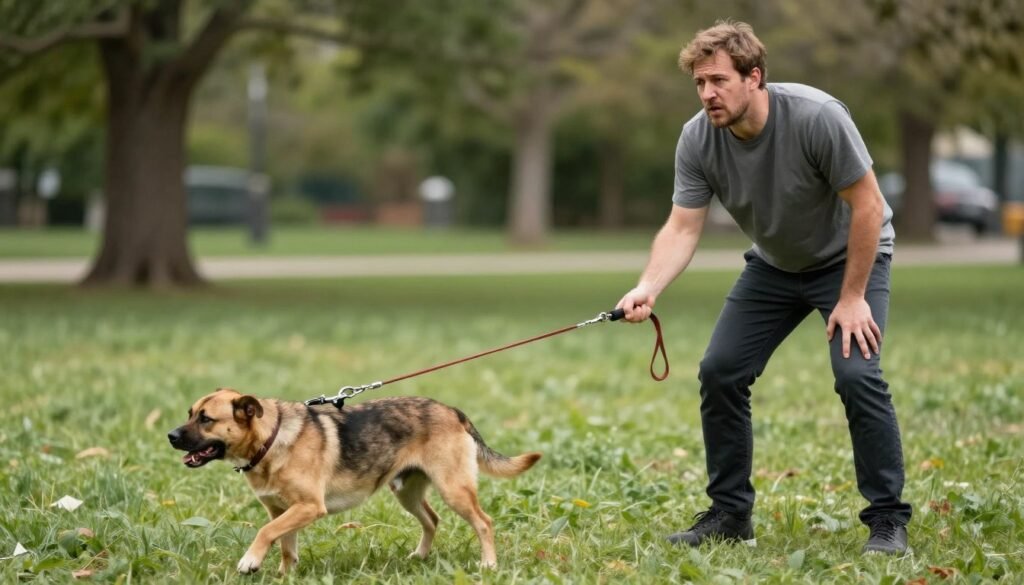
German Shepherds are among the most intelligent, loyal, and versatile dog breeds in the world. Their confidence, eagerness to learn, and strong bond with their families have made them a favorite choice for active households, working roles, and devoted companions alike.
However, owning a German Shepherd comes with significant responsibilities. This energetic and highly intelligent breed requires proper nutrition, consistent training, regular exercise, routine grooming, and proactive healthcare to thrive. Understanding these needs is the foundation of raising a confident, well-balanced, and healthy dog.
In this comprehensive German Shepherd care guide, you’ll discover everything you need to know—from choosing the right diet and establishing effective training routines to meeting their exercise requirements, maintaining their coat, and preventing common health issues. Whether you’re welcoming your first German Shepherd puppy or looking to improve your current care routine, this guide will help you provide the best possible life for your loyal companion.
Key Takeaways
- Understand the nutritional requirements for your German Shepherd
- Learn effective training techniques tailored to this breed
- Discover the importance of regular exercise and mental stimulation
- Explore grooming best practices for a healthy coat
- Stay informed about common health issues and preventive measures
Understanding the German Shepherd Breed
The German Shepherd, with its roots in herding and intelligence, has transformed into a versatile and cherished breed. Originating in late 19th-century Germany, they were initially bred to herd sheep and safeguard flocks.
Breed History and Origins
Captain Max von Stephanitz, a German cavalry officer, spearheaded the development of the German Shepherd breed. He founded the Verein für Deutsche Schäferhunde (Society for the German Shepherd Dog) in 1899. Stephanitz’s goal was to create a superior herding dog, one that was intelligent, robust, and loyal. He achieved this by crossbreeding various herding dogs from rural Germany, resulting in the first registered German Shepherd, Horand von Grafrath.
The breed’s popularity soared, not just for herding but also for its intelligence. This made it ideal for roles such as police and military work, search and rescue, and as guide dogs.
Characteristics and Temperament
German Shepherds are renowned for their intelligence, loyalty, and protective nature. Their high trainability makes them excel in obedience and dog sports. Their natural guarding instincts make them effective watchdogs, yet they require careful socialization to prevent excessive aggression.
Typically, German Shepherds are:
- Confident and courageous
- Highly intelligent and trainable
- Loyal and devoted to their family
- Reserved with strangers, making them good watchdogs
Common Health Issues
Like many breeds, German Shepherds are susceptible to specific health issues. The American Society for the Prevention of Cruelty to Animals (ASPCA) lists common health concerns:
| Health Issue | Description | Prevention/Management |
|---|---|---|
| Hip Dysplasia | A genetic condition leading to arthritis and mobility issues | Responsible breeding practices, maintaining a healthy weight |
| Digestive Issues | Some German Shepherds may experience gastrointestinal problems | Feeding a balanced diet, avoiding overfeeding |
| Degenerative Myelopathy | A progressive neurological disease affecting mobility | Genetic testing, physical therapy |
Regular veterinary check-ups and a healthy lifestyle can help mitigate these risks. It’s vital for prospective owners to collaborate with reputable breeders who health test their breeding stock.
Nutritional Needs of German Shepherds
German Shepherds necessitate a diet that is meticulously balanced, catering to their life stage and activity level for optimal health. Their nutritional requirements undergo significant changes from puppyhood through adulthood and into their senior years.
Choosing the Right Dog Food
Choosing the right dog food is imperative for fulfilling your German Shepherd’s nutritional needs. Opt for high-quality dog food that is abundant in protein, moderate in fat, and low in carbohydrates. The ASPCA advocates for feeding dogs food that fulfills their nutritional needs, adjusting portion sizes according to age, size, and activity level.
When selecting dog food, consider the following:
- Protein sources: Opt for named protein sources like chicken, beef, or lamb.
- Whole foods: Whole foods such as brown rice, oats, and vegetables are rich in essential nutrients.
- Avoid fillers: Steer clear of foods with excessive fillers like corn or soy.
Meal Portions and Feeding Schedule
Establishing the correct meal portions and feeding schedule is critical for your German Shepherd’s well-being. Puppies require more frequent feeding, typically three to four times a day, whereas adults can be fed twice a day. The total daily amount should be divided based on their age, size, and activity level.
For instance:
| Life Stage | Feeding Frequency | Daily Caloric Needs |
|---|---|---|
| Puppy (up to 1 year) | 3-4 times | High caloric intake |
| Adult | 2 times | Moderate caloric intake |
| Senior | 2 times | Lower caloric intake |
Supplementation and Treats
Even with a well-balanced dog food, supplements and treats can be judiciously added to support your German Shepherd’s health. Supplements like omega-3 fatty acids can improve coat health, but it’s critical to consult with a veterinarian before introducing any supplements to their diet.
Treats should not exceed 10% of their daily caloric intake and should be used mainly for training purposes.
Essential Training for German Shepherds
Unlocking your German Shepherd’s full capacity requires effective training, fostering a robust and healthy relationship. Training is not merely about shaping good behavior; it also provides mental stimulation and exercises their innate herding instincts.
Basic Obedience Commands
Basic obedience commands form the cornerstone of a well-behaved German Shepherd. Commands like “sit,” “stay,” “come,” and “leave it” are indispensable for everyday interactions. The Best Friends Animal Society advocates for positive reinforcement in teaching these commands. Rewarding your dog with treats, praise, and affection when they correctly follow a command fosters good behavior.
- Sit: Encourages your dog to sit on command, aiding in mealtime, greeting guests, and more.
- Stay: Teaches your dog to remain in position, even when distracted, ensuring their safety and your peace of mind.
- Come: Vital for recalling your dog in various situations, this command can be lifesaving.
- Leave it: Helps prevent unwanted behavior such as stealing food or picking up harmful objects.
Socialization and Behavioral Training
Socialization is a critical component of your German Shepherd’s training. It involves exposing them to various environments, people, and other animals to help them become confident and calm in new situations. The American Society for the Prevention of Cruelty to Animals (ASPCA) emphasizes the importance of early socialization to prevent behavioral issues later in life.
Behavioral training also includes addressing any unwanted behaviors such as barking, chewing, or digging. Consistency and patience are key, along with positive reinforcement techniques.
“Socialization is not just about exposing your dog to new experiences; it’s about helping them navigate these experiences with confidence and calmness.” – ASPCA
Advanced Training Techniques
Once your German Shepherd has mastered basic obedience commands, you can move on to advanced training techniques. These can include agility training, complex commands, and even herding or protection sports. Advanced training not only challenges your dog physically but also mentally, reducing the likelihood of boredom and related behavioral issues.
- Agility Training: Involves navigating obstacle courses, improving your dog’s physical fitness and coordination.
- Complex Commands: Building on basic commands, complex commands involve multiple steps or actions.
- Herding or Protection Sports: Engaging your dog’s natural herding instincts or protective nature in a controlled and safe manner.
By incorporating these training techniques, you can ensure your German Shepherd leads a happy, healthy, and fulfilling life.
Exercise Requirements for German Shepherds
Exercise is vital for German Shepherds, affecting both their physical and mental health. As an energetic breed, they need a diverse and consistent exercise plan to thrive. This ensures they remain healthy and content.
Daily Exercise Routines
German Shepherds require at least 30 minutes of daily exercise, but 90 minutes is ideal. This can include walks, runs, and playtime. Consistency is key to their physical health and to prevent behavioral problems.
A typical day might include a morning walk, yard play, and an evening run or play session. It’s critical to adjust the exercise to the dog’s age, health, and energy levels.
Types of Activities for Exercise
Variety is key in exercising German Shepherds. They benefit from a variety of activities, such as:
- Brisk walking or jogging
- Playing fetch or tug-of-war
- Agility training
- Swimming
- Hiking
These activities provide physical exercise and mental stimulation. They help prevent boredom and destructive behavior.
Signs of Overexertion
While exercise is vital, recognizing overexertion signs is equally important. Look for excessive panting, limping, or fatigue. Monitoring their response to exercise and adjusting the intensity and duration is critical.
If your German Shepherd shows signs of overexertion, provide adequate rest. Consult a veterinarian if symptoms persist. A balance between exercise and rest is essential for their health.
Grooming Your German Shepherd
A well-groomed German Shepherd is not just a joy to be around; regular grooming is vital for their well-being. Grooming transcends mere aesthetics, serving as a cornerstone of dog care. It ensures the health and hygiene of your pet.
Best Grooming Tools and Products
To groom your German Shepherd effectively, acquiring the right tools and products is essential. The American Pet Products Association (APPA) emphasizes the importance of high-quality grooming tools. These tools significantly enhance your dog’s grooming experience. Key tools include:
- A slicker brush or pin brush for detangling and smoothing the coat
- A shedding rake for managing shedding, essential during seasonal changes
- Nail clippers or a nail grinder for nail care
- A gentle, pH-balanced shampoo suitable for their coat type
Choosing the right products is equally critical. Opt for shampoos and conditioners designed for German Shepherds’ coats. Consider products endorsed by reputable organizations like the ASPCA or Best Friends Animal Society.
Bathing Frequency and Techniques
Bathing is a vital grooming aspect, but it must be done judiciously. Over-bathing can lead to dryness and irritation by stripping the coat of its natural oils. Save-A-Pet USA recommends bathing every 2-3 months, or as needed, based on your dog’s lifestyle and environment. Use lukewarm water and a gentle shampoo, massaging it into the coat before rinsing thoroughly.
Drying your German Shepherd properly after bathing is essential, with a focus on the ears to prevent infections. Regular, correct bathing maintains the health and shine of their coat.
Managing Shedding
German Shepherds are known for their shedding, a natural process that can be managed with regular grooming. Brushing your dog daily can significantly reduce loose hair. Using a deshedding tool during shedding season is also effective. A healthy diet rich in omega-3 fatty acids promotes a healthy coat and reduces shedding.
Regular grooming sessions not only manage shedding but also offer a chance to inspect your dog’s coat and skin for health issues. This allows for early intervention if necessary.
Health Care and Preventive Measures
Ensuring your German Shepherd’s health through regular check-ups and preventive care is imperative. Timely veterinary interventions can prevent or manage common health issues, significantly improving their quality of life.
Veterinary Check-ups
Regular veterinary visits are critical for maintaining your German Shepherd’s health. The ASPCA emphasizes the significance of these visits for monitoring health and early detection of issues. During these visits, your veterinarian will conduct a physical examination, update vaccinations, and offer guidance on parasite control and dental care.
- Schedule annual check-ups for healthy adults
- Increase frequency for puppies, seniors, or pets with health issues
- Discuss your pet’s diet, behavior, and any concerns with your veterinarian
Vaccination Schedule
Adhering to a recommended vaccination schedule is essential for protecting your German Shepherd from serious diseases. Core vaccines, including distemper, parvovirus, and rabies, are necessary for all dogs. Non-core vaccines may be recommended based on your dog’s lifestyle and exposure risk.
Key Vaccination Considerations:
- Puppy vaccination series typically starts at 6-8 weeks of age
- Booster shots are given every 3-4 weeks until 16-17 weeks of age
- Adult dogs should receive booster shots as recommended by your veterinarian
Dental Care
Dental care is a critical aspect of your German Shepherd’s overall health. Poor dental hygiene can lead to periodontal disease, affecting not just the mouth but potentially other organs as well. Regular brushing, dental chews, and professional cleanings can help maintain good oral health.
Tips for Effective Dental Care:
- Brush your dog’s teeth regularly with canine toothpaste
- Provide dental chews or toys designed to reduce plaque
- Schedule regular dental check-ups with your veterinarian
By prioritizing regular veterinary check-ups, following a vaccination schedule, and practicing good dental care, you can significantly contribute to your German Shepherd’s health and happiness.
Recognizing and Managing Behavioral Issues
Identifying early signs of behavioral issues in German Shepherds is critical to prevent them from worsening. Various factors, including genetics, environment, and inadequate training, can contribute to these challenges. Understanding these causes enables owners to proactively address problems before they intensify.
Common Behavioral Problems
German Shepherds are susceptible to specific behavioral issues, such as anxiety, aggression, and destructive tendencies. The Best Friends Animal Society notes that issues like barking and chewing can be managed through effective training and environmental modifications.
- Anxiety: German Shepherds often exhibit separation anxiety, leading to destructive behaviors when left alone. Symptoms include pacing, drooling, and attempts to escape.
- Aggression: Aggressive behavior in German Shepherds can stem from fear, territorialism, or dominance. Identifying the underlying cause is essential for effective correction.
- Destructive Behavior: Behaviors like chewing, digging, and other destructive actions are often indicative of boredom or excess energy. Ensuring adequate exercise and mental stimulation can help alleviate these issues.
Strategies for Behavior Modification
Addressing behavioral issues in German Shepherds necessitates a multifaceted approach. This includes training, environmental adjustments, and, when necessary, professional intervention. Below are some strategies for modifying behavior:
- Positive Reinforcement Training: Rewarding positive behaviors with treats and praise fosters good habits. This method is effective for obedience training and correcting undesirable behaviors.
- Environmental Adjustments: Modifying the environment to reduce stressors can alleviate anxiety and aggression. For instance, creating a quiet space for your dog can help mitigate anxiety triggers.
- Mental Stimulation: Engaging your German Shepherd in puzzle toys, interactive games, and training exercises can prevent boredom and destructive behavior.
Seeking Professional Help
While many behavioral issues can be managed by owners, some may necessitate professional assistance. If your German Shepherd exhibits severe aggression, persistent anxiety, or other serious behavioral challenges, consulting a professional dog trainer or behaviorist is advisable.
Organizations like the American Society for the Prevention of Cruelty to Animals (ASPCA) and the Best Friends Animal Society provide resources and guidance on finding professional help for your pet. Timely professional intervention can significantly enhance your dog’s behavior and strengthen your bond.
Create a Safe Environment
To ensure your German Shepherd’s safety, it is imperative to dog-proof both your home and outdoor spaces. This process involves several critical steps aimed at preventing accidents and safeguarding your pet’s well-being.
Dog-proofing Your Home
Dog-proofing your home mirrors the process of child-proofing, necessitating the securing of loose items, electrical cords, and toxic substances beyond your dog’s reach. The American Society for the Prevention of Cruelty to Animals (ASPCA) offers indispensable guidance on creating a pet-safe environment within your domicile.
- Secure electrical cords and wires to prevent chewing.
- Keep toxic substances, such as cleaning supplies and medications, in locked cabinets.
- Use baby gates to restrict access to certain areas of the home.
Safe Outdoor Spaces
Outdoor areas must be as secure as your indoor living spaces. Ensure your yard is fully fenced and consider the following:
- Check for gaps in the fence that your dog could escape through.
- Remove hazardous plants and substances from your yard.
- Provide adequate shade and shelter for your dog.
Identifying and Mitigating Hazards
Regularly inspect your home and yard for any hazards. This includes identifying:
- Toxic plants, such as certain houseplants or garden flora.
- Small objects that could be swallowed.
- Sharp objects or edges that could cause injury.
By proactively addressing these concerns and implementing these measures, you can dramatically lower the risk of accidents. This will help create a safe and joyful environment for your German Shepherd.
Travel Considerations with Your German Shepherd
Planning a trip with your German Shepherd necessitates careful consideration. It’s essential to prioritize your dog’s comfort and safety. With the right preparations, the journey can be enjoyable for both you and your pet.
Preparing for Road Trips
Embarking on a road trip with your German Shepherd demands meticulous preparation.
- Assemble a travel kit with vital items such as food, water, bowls, a leash, and any necessary medication. Rescue Me advises including a first-aid kit and a comfortable bed or blanket for your dog’s comfort.
- Plan for regular breaks to accommodate exercise and bathroom needs.
- Employ a dog harness or crate to ensure your dog’s safety within the vehicle.
Air Travel Guidelines
Flying with your German Shepherd entails additional considerations.
- Verify your airline’s pet travel policies, as they differ significantly.
- Ensure the carrier meets the airline’s size and safety standards.
- Assess the impact of flying on your dog and consult a veterinarian if you have concerns.
Safety in Hotels and Rentals
Ensuring safety and comfort in hotels or rental properties with your German Shepherd is vital.
- Research pet-friendly accommodations in advance.
- Upon arrival, inspect the room or property for hazards and take necessary precautions to dog-proof the area.
- Always have your dog’s identification and vaccination records readily available.
To enhance your travel experience with your German Shepherd, consider packing the following essential items:
| Item | Description |
|---|---|
| Food and Water | Ensure you have enough for the trip duration, plus extra for any delays. |
| Leash and Collar | Verify that your dog’s ID tags are current. |
| First-Aid Kit | Include supplies for both humans and dogs, such as bandages and antiseptic wipes. |
| Comfort Items | Bring a familiar blanket or toy to offer comfort in unfamiliar environments. |
By adhering to these guidelines and being well-prepared, you can ensure a safe and enjoyable journey for both you and your German Shepherd.
Finding the Right Veterinarian
Ensuring your German Shepherd’s health necessitates selecting a veterinarian adept in their specific needs. A veterinarian transcends mere healthcare provider, becoming a vital partner in your pet’s well-being. This partnership is essential for a life filled with health and happiness.
Key Questions to Ask
During your first consultation, it’s critical to pose the right inquiries. These will help determine if the veterinarian is suitable for your German Shepherd. Key questions include:
- What experience do you have with German Shepherds?
- What are your office hours and emergency procedures?
- How do you stay current with the latest in veterinary care?
- Can you explain your approach to preventative care?
Understanding Services Offered
Veterinary clinics provide a spectrum of services, from routine check-ups and vaccinations to complex surgeries. Grasping the breadth of services offered is vital for making an informed decision. The American Animal Hospital Association (AAHA) emphasizes that accredited veterinary hospitals uphold rigorous standards of care. This ensures your pet receives unparalleled treatment.
Some services to look for include:
- Preventative care services, such as vaccinations and parasite control
- Dental care services
- Surgical services, including spay/neuter procedures
- Diagnostic services, such as lab testing and imaging
The Importance of a Good Relationship
Establishing a robust relationship with your veterinarian is indispensable for your German Shepherd’s health. A superior veterinarian not only delivers quality medical care but also offers insights on nutrition, behavior, and pet care. This relationship is founded on trust, communication, and mutual respect.
By selecting the right veterinarian, you’re making a significant investment in your German Shepherd’s well-being.
Engaging Activities for Mental Stimulation
Engaging your German Shepherd in mental stimulation activities is vital for their well-being. It prevents boredom, reduces stress, and keeps their mind active. The ASPCA recommends puzzle toys and scent work for this purpose.
Puzzle Toys and Interactive Games
Puzzle toys and interactive games are excellent for challenging your German Shepherd’s mind. These toys require problem-solving to access treats, keeping your dog engaged for hours. Filling these toys with treats or kibble makes them a rewarding challenge.
- Puzzle Toys: These toys come in various difficulty levels, allowing you to adjust the challenge to your dog’s skills.
- Interactive Games: Games like hide-and-seek, where you hide treats or toys, encourage your dog to use their sense of smell and problem-solving abilities.
Training as Mental Exercise
Training sessions are not just about obedience; they are also a mental exercise. Engaging your German Shepherd in training activities such as learning new commands, agility training, or even trick training can be very stimulating. It’s important to keep training sessions short, fun, and challenging.
“Training should be a positive experience, filled with praise and rewards.” – American Society for the Prevention of Cruelty to Animals (ASPCA)
Exploring New Environments
Exploring new environments is another effective way to mentally stimulate your German Shepherd. New sights, smells, and sounds can be very engaging. You can take your dog on different walking routes, visit new parks, or even go on a hiking trip together.
| Activity | Description | Benefits |
|---|---|---|
| Puzzle Toys | Toys that challenge your dog to figure out how to get a treat out. | Improves problem-solving skills, reduces boredom. |
| Interactive Games | Games that require interaction, such as hide-and-seek. | Enhances problem-solving skills, encourages physical activity. |
| Training Sessions | Sessions focused on learning new commands or tricks. | Improves obedience, enhances mental stimulation. |
| New Environments | Exploring new places, such as parks or hiking trails. | Provides new experiences, reduces stress. |
Incorporating these activities into your German Shepherd’s daily routine ensures they remain mentally stimulated and happy. For more German Shepherd training advice and tips on German Shepherd behavior training, consider consulting professional dog trainers or resources from reputable organizations like the ASPCA.

The Real Reason Your Dog Isn’t Listening to You (And It’s Not Their Fault!).
The Problem
Repeating commands over and over causes “command nagging,” where your dog learns to tune your voice out like background noise. Without clear communication, training simply fails.
The Solution
By adopting the exact body language and timing techniques used to train professional service dogs, you can transform a chaotic pet into a calm, obedient companion who listens the very first time you speak.
Learn Service-Dog Training Techniques for Free
Building a Bond with Your German Shepherd
Creating a strong bond with your German Shepherd is essential for a fulfilling relationship. According to Save-A-Pet USA, quality time with pets is key to building trust and strengthening the bond between humans and animals.
Quality Time and Play
Regular play and social interaction significantly enhance your bond with your German Shepherd. Activities like agility training, obedience exercises, and simple play foster a deeper connection. They also encourage good behavior.
Effective Communication
Understanding canine behavior and body language is critical for effective communication. Recognizing signs of stress or anxiety allows you to address these issues. This creates a more comfortable environment for your pet.
Nurturing a Long-term Relationship
Building a long-term relationship with your German Shepherd demands patience, consistency, and compassion. Following a detailed German Shepherd care guide and providing breed-specific care ensures a happy, healthy life for your pet.
By focusing on social interaction, effective communication, and quality time, you can strengthen your bond with your German Shepherd. This creates a lifelong friendship.
FAQ
What are the most common health issues in German Shepherds?
How often should I feed my German Shepherd?
What is the best way to train a German Shepherd?
How much exercise does a German Shepherd need?
How can I prevent matting and tangling in my German Shepherd’s coat?
What vaccinations does my German Shepherd need?
How can I dog-proof my home?
What are some ways to mentally stimulate my German Shepherd?
How can I build a strong bond with my German Shepherd?

References:
This article was created based on information from the following authoritative sources: American Society for the Prevention of Cruelty to Animals (ASPCA) and American Veterinary Medical Association