Can the right diet really make a difference in your dog’s dental health? Many pet owners are now seeking dog dental health food that not only nourishes their pets but also supports their oral well-being. The American Pet Products Association (APPA) notes a growing trend towards using diet as a tool for maintaining dental health.
Maintaining your dog’s dental health is essential for their overall well-being. A significant aspect of this is their diet. The right food can help keep your dog’s teeth clean and reduce the risk of dental issues.
Key Takeaways
- A well-chosen diet can significantly impact your dog’s dental health.
- Certain types of dog food are designed to help reduce tartar and plaque.
- Consulting with a veterinarian can help you choose the best food for dog dental health.
- Dental health is linked to overall well-being in dogs.
- A healthy diet can be a critical part of your dog’s oral care routine.
Understanding the Importance of Dental Health for Dogs
The significance of dental health for dogs is immense, as neglect can precipitate a cascade of health problems. It is imperative that dogs receive adequate dental care to maintain their overall health.
Why Dental Health Matters
Dental health is critical because it directly influences a dog’s quality of life. Neglect can cause pain, infections, and even heart disease. The American Society for the Prevention of Cruelty to Animals (ASPCA) stresses the importance of regular dental care to prevent these issues. Good oral health significantly enhances a dog’s overall health, as emphasized by the ASPCA.
- Pain and discomfort from dental problems can impact a dog’s appetite and behavior.
- Infections from poor dental health can spread, potentially leading to serious health issues.
- Poor dental health is linked to heart disease in dogs, as mouth bacteria can enter the bloodstream and affect the heart.
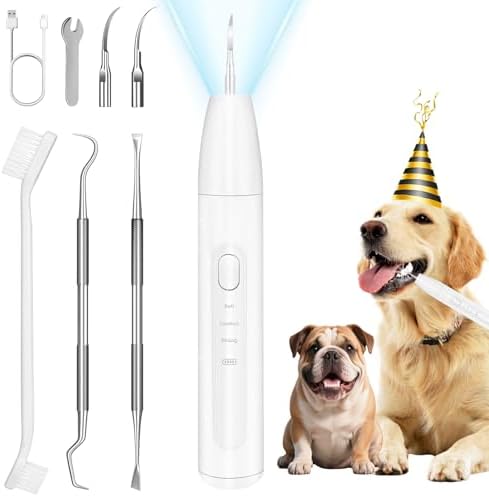

Common Dental Issues in Dogs
Dogs often face dental problems such as tartar buildup, gum disease, and tooth loss. These issues stem from inadequate dog dental hygiene. Regular dental check-ups and a suitable diet can help prevent these problems.
- Tartar buildup can cause gum inflammation and infection.
- Gum disease is prevalent in dogs and can cause significant pain and discomfort.
- Tooth loss can result from advanced gum disease or other dental health issues.
Signs of Poor Dental Health
Identifying signs of poor dental health is vital for early intervention. Common indicators include bad breath, yellow or brown teeth, and changes in eating habits. If you notice these signs, it’s critical to consult a veterinarian to address the issue promptly.
Some key signs to look out for include:
- Bad breath or halitosis
- Yellow or brown teeth
- Changes in eating habits or reluctance to eat
- Red or inflamed gums
By understanding the importance of dental health and recognizing signs of poor oral health, dog owners can proactively ensure their pets receive the necessary care.
Nutritional Components Beneficial for Dental Health
Dental health in dogs is heavily influenced by their diet’s nutritional components. Making informed dietary choices is essential. A diet rich in essential nutrients supports overall health and plays a critical role in maintaining healthy teeth and gums.
Key Vitamins and Minerals for Oral Care
Vitamins and minerals such as vitamin D and calcium are vital for oral health. Vitamin D aids in calcium absorption, which is key for strong teeth. Foods rich in these nutrients are beneficial for your dog’s dental health. For example, healthy dog treats for dental health fortified with calcium and vitamin D support oral care.
Role of Fiber in Dental Diets
Fiber is essential in dental diets, helping to reduce tartar buildup. It promotes chewing, which stimulates saliva production. Saliva naturally cleans the teeth, reducing dental problem risks. Incorporating fiber-rich foods or dog dental chews high in fiber supports your dog’s dental health effectively.
Importance of Protein
Protein is critical for overall health, including oral health. It provides the necessary building blocks for healthy gums and supports tooth structures. A diet with sufficient protein from high-quality sources contributes to better dental health.
Types of Dog Food That Promote Dental Health
Dental health in dogs is intricately tied to their diet. Certain dog foods are formulated to enhance oral hygiene. These foods can significantly reduce plaque, tartar, and other dental issues, contributing to overall health.
Dry Kibble vs. Wet Food
Dry kibble is often recommended for its dental benefits due to its abrasive texture. This texture aids in removing plaque and tartar from dogs’ teeth. The mechanical action of chewing dry kibble is effective in reducing dental problems. In contrast, wet food can be beneficial when formulated with dental health in mind. It may not offer the same mechanical cleaning as dry kibble.
A comparison between dry kibble and wet food in terms of dental benefits can be seen in the following table:
| Characteristics | Dry Kibble | Wet Food |
|---|---|---|
| Abrasive Texture | Yes, helps remove plaque and tartar | No, soft texture |
| Dental Benefits | High, due to mechanical chewing action | Variable, depends on formulation |
| Moisture Content | Low | High |
Dental Chews and Treats
Dental chews and treats are designed to reduce tartar and plaque. They can be a useful addition to your dog’s oral care routine. These products come in various forms, including chews, biscuits, and even raw hide treats. When choosing dental chews, it’s essential to select products that are designed for dental health and are appropriate for your dog’s size and age.
Key benefits of dental chews and treats include:
- Reducing plaque and tartar
- Freshening breath
- Providing a healthy alternative to regular treats
Specialty Dental Diets Available
Specialty dental diets are formulated to support dental health through their unique composition. These diets may include specific ingredients that help reduce tartar and plaque or promote overall oral health. It’s essential to consult with a veterinarian before switching to a specialty dental diet to ensure it meets your dog’s nutritional needs.
Some examples of specialty dental diets include foods with added ingredients such as polyphosphates, which help prevent tartar formation. Always follow the manufacturer’s guidelines and veterinary advice when using these diets.

Extra 40% Discount on All Orders
Why pay full price for quality? Want the VIP treatment for your pet? Join PetCare+ now to solve the problem of recurring costs with a massive 40% OFF, plus exclusive free gifts and free shipping on every order.
Pet Care Supplies
Mon-Fri 9 AM – 5 PM CST
Recommended Ingredients for Optimal Dental Health
Dogs’ dental health can significantly improve with the right dietary components. A diet rich in specific ingredients can help mitigate dental problems and enhance oral health.
Natural Ingredients for Cleaning Teeth
Certain natural elements are renowned for their teeth-cleaning and breath-freshening properties. Parsley and mint are exemplary herbs that combat mouth bacteria. These are frequently incorporated into dog foods and dental products to foster oral hygiene.
These ingredients not only freshen breath but also contribute to plaque and tartar reduction. Plant extracts with anti-bacterial properties are instrumental in maintaining dental cleanliness.
The Impact of Omega Fatty Acids
Omega fatty acids, predominantly found in fish oil, are critical for reducing inflammation and promoting gum health. These essential fatty acids bolster your dog’s skin, coat, and oral tissues health.
The anti-inflammatory effects of omega fatty acids mitigate gum irritation and facilitate oral tissue healing. This makes them indispensable for a dental health-promoting diet.
Antioxidant-Rich Foods
Antioxidant-rich foods are essential for overall health, including dental health. Antioxidants combat oxidative stress, which can lead to various health problems, including oral issues.
Consuming foods high in antioxidants, such as berries and leafy greens, benefits your dog’s health. These foods shield against cell damage and bolster the immune system, contributing to enhanced oral health.
| Ingredient | Benefit | Examples |
|---|---|---|
| Natural Ingredients | Clean teeth, freshen breath | Parsley, Mint |
| Omega Fatty Acids | Reduce inflammation, promote healthy gums | Fish Oil |
| Antioxidant-Rich Foods | Reduce oxidative stress, support overall health | Berries, Leafy Greens |
When choosing dog food or dental products, seek out these beneficial ingredients. Veterinarians frequently endorse products containing these ingredients for their effectiveness in promoting dental health.
Foods to Avoid for Better Dental Hygiene
Some foods enhance dental health, while others can severely hinder it. It is essential to identify which foods to avoid. A dog’s diet significantly impacts their dental hygiene. Certain foods can cause tartar buildup, dental fractures, and other oral health issues.
Sugary and Starchy Snacks
Sugary and starchy snacks are detrimental to your dog’s dental health. These snacks contribute to plaque and tartar formation, leading to dental problems. The American Society for the Prevention of Cruelty to Animals (ASPCA) emphasizes the importance of monitoring and controlling their intake to prevent oral health issues.
Some key points to consider:
- Sugary snacks increase oral bacteria.
- Starchy snacks get stuck in teeth, causing tartar buildup.
- Limiting these snacks reduces dental problem risks.
Bones and Their Risks
Bones, while seemingly natural for dogs, pose significant dental health risks. Cooked bones can splinter, causing dental fractures or choking hazards. The American Pet Products Association (APPA) advises caution with bones and suggests safer alternatives.
Risks associated with bones include:
- Dental fractures from chewing on hard bones.
- Choking hazards from splintered bones.
- Intestinal blockages if large pieces are swallowed.
Human Foods That Are Harmful
Many human foods are not suitable for dogs and can harm their dental and overall health. Foods high in sugar or fat, such as chocolate, are dangerous. As noted by
Many common human foods can be toxic to dogs, so it’s essential to keep them out of reach.
– a statement that aligns with the advice from organizations likeBest Friends Animal Society.
Some human foods to avoid giving to your dog:
- Chocolate, due to its toxic components.
- Onions and garlic, which can cause anemia.
- Grapes and raisins, known to cause kidney failure.
By avoiding these foods, you can significantly contribute to your dog’s dental hygiene and overall health. Choosing the right dog food and treats, and being aware of the risks associated with certain human foods and other dietary choices, is key to maintaining your dog’s oral health.


Homemade Dog Food Recipes for Dental Care
Creating healthy dog treats for dental health at home is feasible with the right ingredients. Preparing homemade dog food grants you control over what your dog consumes. This ensures their meals are not only tasty but also beneficial for their dental health.
Quick and Easy Recipes
Developing simple, nutritious recipes is an excellent starting point. For instance, a dental-friendly treat can be crafted by blending cooked carrots, apples, and a touch of honey. Carrots’ abrasive nature aids in plaque removal, while apples’ crunchy texture helps clean teeth.
Here’s a simple recipe to get you started:
- 1 cup cooked carrots
- 1/2 cup diced apples
- 1 tablespoon honey
Mix these ingredients together, shape into desired forms, and refrigerate until firm. These treats are not only healthy but also enjoyable for your dog.
Ingredient Substitutions for Dental Health
When preparing homemade dog food, selecting ingredients that support dental health is critical. For instance, substituting regular flour with whole wheat flour adds fiber, aiding in tooth cleaning. Parsley can help reduce bad breath, and coconut oil boasts antimicrobial properties.
| Ingredient | Dental Benefit |
|---|---|
| Carrots | Abrasive texture helps remove plaque |
| Apples | Crunchy texture aids in cleaning teeth |
| Parsley | Reduces bad breath |
| Coconut Oil | Antimicrobial properties |
Tips for Preparing Balanced Meals
While focusing on dental health, it’s vital to ensure your dog’s meals are balanced and nutritious. Consulting with a veterinarian or a canine nutritionist can offer valuable insights into creating meals that support your dog’s overall health, including dental hygiene.
To prepare balanced meals, consider the following:
- Include a variety of protein sources like chicken, fish, and lamb.
- Add vegetables and fruits that are safe for dogs, such as green beans and blueberries.
- Use whole grains like brown rice and oats for fiber.
By adopting a holistic approach to your dog’s diet, you can significantly enhance their dental health and overall well-being.
Professional Dental Products and Their Role
The significance of professional dental products in maintaining your dog’s dental health is immense. These products are crafted to bolster and refine your dog’s oral hygiene. They offer a vital defense against dental problems.
Professional dental products encompass a variety of items, such as dog dental chews and dog teeth cleaning treats. These are designed to diminish plaque and tartar, enhance breath freshness, and foster overall oral health.
The Effectiveness of Dental Treats and Chews
Dental treats and chews are among the most favored professional dental products for dogs. They are engineered to be both effective and pleasurable for dogs, transforming dental care into a positive endeavor.
According to the American Pet Products Association (APPA), dental chews can effectively reduce tartar and plaque in dogs. The efficacy of these products hinges on their composition and design.
| Product Type | Key Benefits | Recommended For |
|---|---|---|
| Dental Chews | Reduces plaque and tartar, freshens breath | Dogs prone to dental issues |
| Dental Treats | Supports oral health, reduces bacteria | All dogs as a supplement to regular dental care |
| Specialty Diets | Formulated to reduce dental plaque and tartar | Dogs with existing dental issues or at risk |
Recommended Brands for Dental Health
Several brands are distinguished for their dedication to creating superior dental products for dogs. These brands collaborate with veterinarians and adhere to rigorous standards for efficacy and safety.
“Selecting the appropriate dental products for your dog can significantly impact their oral health. It is imperative to choose products supported by scientific evidence and endorsed by veterinarians.” – ASPCA Guidelines
Consultation with Veterinarians
While professional dental products are highly effective, consulting with a veterinarian is essential to ascertain the most suitable products and practices for your dog’s unique needs.
Collaborating with your veterinarian and utilizing professional dental products can ensure your dog enjoys optimal oral health and overall well-being.
Tips for Maintaining a Comprehensive Dental Routine
A thorough dental routine for your dog encompasses several essential practices. These practices are designed to prevent common dental problems and promote your dog’s overall health. By integrating these practices, you can significantly enhance your dog’s dental hygiene.
Regular Teeth Brushing
Teeth brushing is a fundamental aspect of dog dental care. It effectively removes plaque and tartar, which are major contributors to dental issues. It is imperative to use a toothbrush and toothpaste formulated for dogs, as human products can be toxic.
To successfully introduce teeth brushing, start with gentle, short strokes. Gradually increase the duration and frequency of brushing. Reward your dog with praise and treats to make the experience positive.
The Role of Chewing in Dental Care
Chewing is a natural behavior for dogs, essential for their dental health. Dental chews and toys mechanically remove plaque and tartar from teeth, aiding in oral hygiene.
When choosing dental chews, prioritize products endorsed by the American Veterinary Dental Association (AVDA). These products are designed to enhance your dog’s dental care regimen.
| Dental Chew Type | Benefits | Precautions |
|---|---|---|
| Dental Sticks | Effective at reducing plaque and tartar | Monitor for signs of wear, such as splintering |
| Raws Hide Chews | Can help remove plaque | Risk of choking or obstruction if swallowed |
| Nylon Chews | Durable and long-lasting | Avoid using if your dog is an aggressive chewer |
Scheduling Veterinary Dental Visits
Regular veterinary dental visits are critical for maintaining your dog’s oral health. These visits facilitate professional cleanings and early detection of dental problems.
The frequency of these visits varies based on your dog’s age, breed, and specific needs. Consult with your veterinarian to establish the most suitable schedule for your dog.
By integrating regular teeth brushing, appropriate chewing activities, and routine veterinary dental visits, you can ensure your dog’s dental health and overall well-being.


Conclusion:
Attaining optimal dental health for your dog necessitates a multifaceted strategy. This includes the selection of the best food for dog dental health, regular dental care, and professional veterinary guidance. The right diet is fundamental, as it acts as a preventive measure against common dental afflictions, contributing to your dog’s overall health.
Nutritional Strategies for Healthy Teeth
Opting for dog food that is formulated to support dental health is a critical nutritional strategy. It is equally important to avoid ingredients that could be detrimental. Foods high in fiber and certain vitamins and minerals can aid in tooth cleaning and gum health. Integrating veterinarian recommended dog dental products into your dog’s regimen can further bolster their dental health.
Long-Term Benefits of a Dental Diet
The long-term advantages of a dental-focused diet are profound. They include the preservation of healthy teeth and gums, a diminished risk of dental disease, and an overall enhancement in your dog’s well-being. By making informed dietary and care choices, you can significantly contribute to your dog’s longevity and quality of life.
Encouraging Healthy Habits
Instilling healthy habits in your dog from an early stage can profoundly impact their dental health throughout their life. Regular veterinary check-ups, a balanced diet, and the use of appropriate dental care products are all essential for maintaining your dog’s oral health.
FAQ
What are the best foods for maintaining my dog’s dental health?
How does dry kibble compare to wet food for dental health?
Are there any specific ingredients I should look for in dog food for dental health?
Can I prepare homemade dog food that supports dental health?
What are some common mistakes pet owners make regarding their dog’s dental health?
How often should I schedule veterinary dental visits for my dog?
Are dental chews and treats effective for maintaining my dog’s dental health?
What are some veterinarian-recommended dog dental products?

References:
This article was created based on information from the following authoritative sources: American Society for the Prevention of Cruelty to Animals (ASPCA) and American Veterinary Medical Association