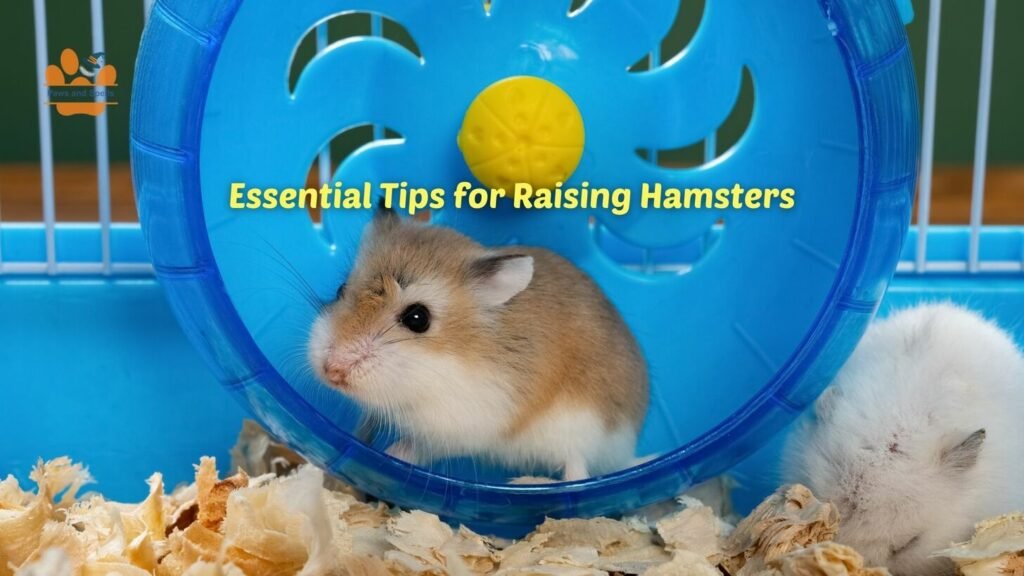
Can you really win the trust of a timid hamster? The answer is yes, and it’s easier than you think. With the right approach, even the most fearful hamsters can become friendly and trusting companions.
According to the American Pet Products Association (APPA), providing a suitable environment is critical for hamsters’ well-being. Creating a comfortable and secure space is the first step in taming a shy hamster. By understanding their needs and using effective shy hamster training techniques, you can help your pet feel at ease.
Key Takeaways
- Understand the importance of creating a suitable environment for your hamster.
- Learn effective techniques for taming your shy hamster.
- Discover how to build trust with your pet hamster.
- Improve your hamster’s well-being with evidence-based care tips.
- Strengthen the bond between you and your hamster.
Understanding Shy Hamster Behavior
Grasping the behavior of shy hamsters is essential for fostering a supportive environment. Hamsters, being prey animals, naturally fear threats, as highlighted by the ASPCA. This innate fear often manifests as shyness or fearfulness in domestic settings.
Natural Instincts of Hamsters
Hamsters are nocturnal and possess a strong burrowing instinct, which shapes their behavior in captivity. These innate behaviors significantly influence their interaction with their surroundings and humans. Acknowledging these instincts is vital for comprehending their shyness.
Signs of Fear and Anxiety in Hamsters
Fear and anxiety in hamsters can be discerned through distinct behaviors, such as freezing, hiding, or attempting to escape. These behaviors signify that the hamster perceives a threat or feels uneasy in its environment.
Common Causes of Shyness in Hamsters
Shyness in hamsters stems from various factors, including improper handling, suboptimal cage setup, or past traumas. Recognizing these causes enables owners to tackle the core of their hamster’s shyness. This approach facilitates the creation of a more secure and comforting environment.
Creating the Right Environment for Shy Hamsters
To assist a timid hamster in overcoming its fears, establishing a nurturing environment is critical. This environment should foster comfort and security. A well-designed habitat can significantly diminish stress and encourage exploration.
Ideal Cage Setup for Comfort and Security
A spacious cage with ample hiding places is recommended by the Best Friends Animal Society to reduce stress in hamsters. The cage should be equipped with tunnels, boxes, and other hiding spots to make the hamster feel secure.
Importance of Proper Lighting and Noise Control
Hamsters are sensitive to light and noise. Placing the cage in a quiet area with controlled lighting can help reduce anxiety. Avoid direct sunlight and loud noises.
Strategic Placement of the Cage in Your Home
The location of the cage within your home can significantly impact your hamster’s stress levels. Avoid high-traffic areas and place the cage in a quiet, stable location.
| Environmental Factor | Ideal Condition |
|---|---|
| Cage Size | Minimum 24 inches long, 12 inches wide, and 12 inches tall |
| Lighting | Avoid direct sunlight; use low-wattage lighting |
| Noise Level | Quiet area, away from loud appliances and voices |
By focusing on these aspects, you can create a comfortable and secure environment for your shy hamster. This will help in building trust and reducing stress.
Establishing a Consistent Routine
Shy hamsters benefit greatly from a predictable environment, making a consistent daily routine essential. Such a routine aids in reducing stress and anxiety, fostering a secure space for your hamster to thrive.
The Importance of Predictability for Shy Hamsters
Predictability is vital for shy hamsters, enabling them to anticipate and prepare for various daily events. The American Society for the Prevention of Cruelty to Animals (ASPCA) emphasizes that a regular routine significantly diminishes stress in pets.
Benefits of Predictability:
- Reduces stress and anxiety
- Encourages trust and confidence
- Helps hamsters feel secure in their environment
Best Times for Interaction Based on Hamster Activity Cycles
Hamsters are nocturnal, most active at night, yet they also exhibit crepuscular behavior, being active during twilight hours. Engaging with your hamster during these periods can be advantageous.
| Time of Day | Hamster Activity Level | Best for Interaction |
|---|---|---|
| Dawn | High | Yes |
| Daytime | Low | No |
| Dusk | High | Yes |
| Night | High | Yes |
Balancing Interaction and Alone Time
While interaction is vital for taming your shy hamster, it’s equally important to respect their need for solitude. Overhandling can induce stress, making a balance essential.
Tips for Balancing Interaction and Alone Time:
- Limit handling to short sessions, several times a day
- Allow your hamster to retreat to its cage for alone time
- Monitor your hamster’s behavior and adjust interaction times as needed
The Acclimation Period: What to Expect
Adjusting to a new environment poses significant challenges for shy hamsters. Knowing what to anticipate can greatly impact their well-being. Save-A-Pet USA emphasizes the importance of allowing hamsters time to adjust to their new surroundings.
Timeline for Adjustment in a New Home
The acclimation period for shy hamsters can range from a few days to a couple of weeks. During this time, establishing a consistent routine and providing a secure environment is critical. This helps them gradually feel at ease in their new surroundings.
Normal Behaviors During the Adjustment Phase
Shy hamsters may exhibit behaviors like hiding, reduced activity, or hesitation to eat or drink during the acclimation period. These behaviors are indicative of their adjustment to the new environment. The American Society for the Prevention of Cruelty to Animals (ASPCA) suggests that providing a quiet, safe space can significantly reduce stress in new pets.
Hamsters often become more skittish or fearful during this phase. Patience and gentle interaction can aid in socializing a timid hamster. Placing their cage in a quiet, low-traffic area can also support their adjustment.
When to Be Concerned About Your Hamster’s Behavior
If your hamster displays persistent signs of stress or fear beyond the initial adjustment period, such as extreme hiding, refusal to eat, or signs of illness, immediate veterinary consultation is necessary. Early intervention can prevent long-term behavioral issues and ensure the hamster’s health and well-being.
By understanding and supporting your shy hamster during the acclimation period, you can help them feel more secure. This lays a strong foundation for a trusting relationship.
Taming a Shy Hamster: First Steps
To tame a shy hamster, it’s essential to start with the basics, such as voice recognition and gradual hand introduction. The American Society for the Prevention of Cruelty to Animals (ASPCA) recommends beginning with gentle, non-threatening interactions to help your hamster feel secure.
Starting with Voice Recognition and Presence
The first step in taming a shy hamster is to get them accustomed to your voice. Spend time near their cage, speaking softly and calmly. This helps your hamster associate your voice with safety and presence. According to the APPA, hamsters are highly sensitive to noise, so maintaining a calm tone is essential.
Hand Presence Without Touching Techniques
Once your hamster is comfortable with your voice, it’s time to introduce your hand into their environment. Place your hand near their cage or in their line of sight without touching them. This allows your hamster to become familiar with your hand’s presence. The ASPCA suggests moving your hand slowly and gently to avoid startling your hamster.
Using Treats as Positive Reinforcement
Treats play a significant role in building trust with timid hamsters. Offer healthy treats like sunflower seeds or pieces of fresh vegetables to associate your presence with positive experiences. Start by placing treats near your hamster’s food dish, then gradually offer them from your hand. This process helps your hamster build confidence in interacting with you.
By following these initial steps and maintaining a patient and gentle approach, you can effectively start taming a shy hamster. Remember, the key is gradual progression and avoiding any actions that might frighten your hamster.
Proper Handling Techniques for Timid Hamsters
The essence of taming a shy hamster resides in the adoption of handling methods that prioritize their comfort and safety. The American Pet Products Association (APPA) emphasizes the importance of gentle handling in fostering trust between hamsters and their owners.
The Scoop Method for Safe Lifting
The scoop method entails gently scooping up the hamster, ensuring full support of their body. It is deemed safe and effective for timid hamsters. To execute the scoop method, place one hand under the hamster’s body and the other around them, forming a secure, enclosed space.
The Cup Method for Nervous Hamsters
The cup method serves as a gentle alternative for extremely nervous hamsters. It involves allowing the hamster to enter a cup or similar enclosed space, which they find comforting. Once inside, the cup can be lifted, supporting it from underneath, to move the hamster.
What to Avoid When Handling to Prevent Setbacks
When interacting with timid hamsters, it is critical to eschew sudden movements, loud noises, and tight gripping. These actions can induce stress and hinder the taming process. The ASPCA notes that hamsters are susceptible to stress if not handled with care, potentially resulting in behavioral problems.
| Handling Technique | Description | Benefit |
|---|---|---|
| Scoop Method | Gently scooping the hamster in your hands | Safe and supportive |
| Cup Method | Allowing the hamster to enter a cup | Reduces stress for nervous hamsters |
By adopting these handling techniques and steering clear of common pitfalls, you can enhance your timid hamster’s sense of security and strengthen your bond.
Building Trust Through Food and Treats
Food and treats serve as potent tools in fostering trust with shy hamsters. They help in establishing a positive correlation with human interaction. The Best Friends Animal Society advocates for the use of treats in forming a bond with pets.
Best Treats for Trust Building with Shy Hamsters
Choosing the right treats for your shy hamster is critical. Opt for healthy, hamster-safe options. Sunflower seeds, pumpkin seeds, and small pieces of fresh vegetables like carrots or cucumbers are excellent choices. These not only delight your hamster’s taste buds but also offer nutritional benefits.
Hand-Feeding Techniques for Cautious Hamsters
Hand-feeding is essential in building trust with your shy hamster. Begin by presenting treats from your hand, allowing your hamster to grow accustomed to your presence. Progress by gradually increasing the interaction, gently placing treats directly into your palm.
Creating Positive Associations with Human Interaction
Consistency is vital in creating positive associations with human interaction. Regularly offer treats and engage in gentle, calm interactions. This helps your shy hamster view human presence as a positive experience.
Progressing to Physical Contact
Advancing to physical contact with a shy hamster is a critical step, necessitating patience and vigilant observation. Having established a connection through voice and presence, it’s now time to introduce gentle touch. This must be done with utmost care to avoid stressing your hamster.
First Touch Approaches for Minimal Stress
The initial touch with a shy hamster is a momentous occasion. Begin by gently placing your hand near your hamster, allowing them to become accustomed to your presence. Start with light, brief touches on the cage or near the hamster, employing your fingers or a soft brush. The ASPCA emphasizes the importance of observing your hamster’s body language to prevent excessive stress.
Gradual Petting Techniques and Safe Zones
When your hamster becomes comfortable with your hand near them, you can move to gentle petting. Begin with areas they prefer, such as the head or back. Initially, steer clear of sensitive spots like the tail or paws. Employ gentle, slow strokes, and be ready to cease if your hamster exhibits signs of distress.
Reading Your Hamster’s Body Language During Contact
It is essential to comprehend your hamster’s body language during physical interaction. Signs of relaxation include a calm demeanor and slow breathing. On the other hand, a tense hamster may display flattened ears, avoid eye contact, or even nip. If you notice these indicators, immediately cease the interaction and provide your hamster with space. The American Society for the Prevention of Cruelty to Animals (ASPCA) stresses the importance of being attentive to these cues to foster trust.
By progressing gradually and prioritizing your hamster’s comfort, you can enhance your bond. This approach will help your shy hamster become more confident and trusting.
Socializing Your Shy Hamster Beyond Handling
Handling is vital for taming a shy hamster, yet broader socialization techniques are equally important. Socialization aids in making your hamster confident and calm in their surroundings.
Safe Exploration Outside the Cage
Permitting your hamster to explore outside their cage in a secure, controlled setting boosts their confidence. The American Society for the Prevention of Cruelty to Animals (ASPCA) notes that varied environments reduce stress and boredom in hamsters.
Introducing Toys and Activities for Confidence Building
Introducing diverse toys and activities stimulates and engages your hamster. Save-A-Pet USA suggests toys that promote natural behaviors, such as burrowing and foraging. This activity not only keeps your hamster active but also enhances their confidence.
Gradual Introduction to Family Members and Household Sounds
Gradually introducing your hamster to family members and common household sounds aids in their sociability and reduces stress from new stimuli. It’s critical to introduce these gradually to avoid overwhelming your hamster.
| Socialization Technique | Benefit |
|---|---|
| Safe Exploration | Enhances confidence and reduces stress |
| Toys and Activities | Stimulates natural behaviors and builds confidence |
| Gradual Introduction to New Stimuli | Reduces stress and increases sociability |
Implementing these strategies can transform your shy hamster into a more confident and sociable pet. This improvement enhances their overall well-being and strengthens your bond with them.
Troubleshooting Common Challenges
Working with a shy hamster can present several common challenges. These may include biting behaviors, regression in training, or even the need for professional veterinary assistance. Each challenge requires patience and a deep understanding of your hamster’s needs.
Dealing with Biting or Nipping Behaviors
Biting or nipping in shy hamsters often arises from fear or anxiety. To address this, it’s critical to respect the hamster’s pace. Allow them to become comfortable with your presence and touch. Using treats and positive reinforcement can foster a positive association with handling.
Overcoming Regression in Training Progress
Regression can stem from various factors, including environmental changes or handling techniques. To overcome this, consistency and patience are essential. Revisit the steps that led to previous successes and adjust your approach as necessary.
When to Seek Veterinary Help for Extreme Shyness
If your hamster’s shyness persists or worsens, seeking veterinary help may be necessary. According to
“Rescue Me suggests seeking veterinary help if a hamster’s behavior persists or worsens.”
A veterinarian can help identify underlying causes and provide guidance on the best course of action.
Conclusion: Maintaining Your Bond with Your Hamster
Taming a shy hamster necessitates patience, comprehension, and a soft touch. You’ve discovered that a welcoming environment, a steady routine, and gradual interaction are essential for trust-building. The American Pet Products Association (APPA) affirms that consistent interaction can profoundly enhance the connection between hamster and owner.
To preserve this bond, persist in engaging with your hamster frequently, employing the strategies you’ve acquired. Hand-feeding, gentle stroking, and introducing diverse toys and activities will bolster your hamster’s confidence and trust. This approach not only improves your hamster’s life quality but also enriches your relationship with them.
As you nurture your shy hamster, recall that every incremental step is significant. With persistence, your hamster will evolve into a loving and affectionate friend. Adhering to the advice presented in this article and dedicating yourself to caring for your shy hamster will pave the way for a joyful and healthy environment for your pet.