Are you ensuring your pet hamster has ample space to flourish? Many pet owners fail to recognize the significance of ideal cage dimensions for their furry companions.
Our organization is dedicated to educating pet owners, much like the American Society for the Prevention of Cruelty to Animals (ASPCA) and Best Friends Animal Society. A proper hamster cage is essential for your pet’s health and joy.
A spacious cage enables your hamster to exercise and exhibit natural behaviors. This reduces stress and enhances overall well-being.
Key Takeaways
- Understand the importance of cage size for hamster health.
- Learn about the recommended cage dimensions for hamsters.
- Discover how to create a stimulating environment for your pet.
- Find out how to improve your hamster’s quality of life.
- Get tips on choosing the right cage for your hamster.
Why Cage Size Matters for Hamster Health
Ensuring a hamster’s cage is sufficiently large is critical for its health and happiness. The ASPCA stresses the importance of a suitable environment for a pet’s well-being. A spacious cage supports both the physical and mental health of the hamster.
Physical Health Benefits of Proper Sizing
A larger cage enables hamsters to exercise more, which is key for maintaining a healthy weight and preventing obesity. Regular exercise strengthens their muscles and enhances cardiovascular health. The American Pet Products Association (APPA) highlights the need for pets to have enough space for movement and physical activity.
Mental Health and Behavioral Impacts
A cage that is too small can cause stress and boredom in hamsters, leading to behavioral issues. Adequate space allows hamsters to engage in natural behaviors like burrowing, running, and exploring. These activities are vital for their mental health. As Best Friends Animal Society notes, an enriching environment reduces stress and improves pets‘ overall well-being.
Natural Habitat Comparison
In the wild, hamsters inhabit spacious burrows and enjoy free movement. A domestic cage that offers ample space can greatly enhance a hamster’s quality of life.
“A suitable environment that mimics a pet’s natural habitat is essential for its health and happiness.”
A larger cage also allows for the inclusion of various enrichment activities and accessories. This makes the environment more stimulating for the hamster.
Hamster Cage Size Requirements: Industry Standards and Recommendations
Choosing the right hamster cage size is a task that requires careful consideration of various industry standards and recommendations. The American Pet Products Association (APPA) and other esteemed organizations offer guidelines. These are designed to assist pet owners in making well-informed decisions.
Minimum Square Inch Requirements
The recommended minimum cage size for hamsters differs, but a common benchmark is at least 360 square inches of floor space for Syrian hamsters. Dwarf hamsters might need slightly less space. Yet, it’s essential to ensure their cage is spacious enough to support their active lifestyle.
Recommended Cage Sizes:
| Hamster Type | Minimum Floor Space |
|---|---|
| Syrian Hamsters | 360 square inches |
| Dwarf Hamsters | 240 square inches |
Veterinary Recommendations vs. Commercial Standards
Veterinary professionals often stress the need for ample space, contrasting with some commercial cages that are smaller. The APPA and veterinarians advocate for cages that offer ample room for movement, hiding places, and toys. These elements are key to keeping hamsters stimulated.
International Guidelines for Hamster Housing
Internationally, guidelines for hamster housing show a consensus on providing sufficient space for natural behaviors. For instance, European hamster care guidelines suggest cages that are spacious, well-ventilated, and equipped with enrichment activities.
By adhering to these industry standards and recommendations, hamster owners can ensure a healthy and happy environment for their pets.


Specific Size Needs for Different Hamster Species
Diverse hamster species necessitate distinct cage sizes, a fact critical for their health. The Best Friends Animal Society sheds light on the specific needs of various hamster species. It highlights the necessity of cage sizes tailored to each species’ requirements.
Syrian (Golden) Hamster Space Needs
Syrian hamsters, the largest pet hamster species, demand more space. A cage of at least 24 inches by 12 inches (600 square inches) is advised. This size accommodates their energetic nature and exploration needs. A spacious environment prevents obesity and stress.
Dwarf Hamster Varieties and Their Requirements
Dwarf hamsters, including Roborovski, Campbell’s, and Winter White, are smaller and more agile. They need less space but a cage of at least 18 inches by 12 inches (450 square inches) is recommended. Their high speed and activity level necessitate a larger cage with good ventilation.
Chinese Hamster Considerations
Chinese hamsters are popular pets known for their friendly and curious nature. They require a cage size similar to that of Dwarf hamsters, around 18 inches by 12 inches. Their climbing behavior benefits from cages with more vertical space.
Age-Related Size Adjustments
The age of your hamster impacts the ideal cage size. Younger hamsters are more active and need more space for exploration and exercise. As they age, their activity levels may decrease, but a spacious cage remains vital for their health and comfort. Adjusting the cage layout for aging hamsters, such as adding hiding places, is beneficial.
How to Measure Cage Size Correctly
To provide the best environment for your hamster, accurately measuring cage size is essential. It’s critical to determine if the cage meets the recommended size requirements for your pet’s health and well-being.
Calculating Floor Space vs. Total Volume
When measuring a hamster cage, it’s vital to differentiate between floor space and total volume. Floor space is the area available for your hamster to move around on the cage floor. Total volume, on the other hand, includes the cage’s height, providing vertical space for climbing and exploring. Both are important for hamsters, but in different ways.
- Floor space is critical for hamsters to run and play.
- Total volume is important for providing vertical space for climbing and exploring.
Understanding Usable Space
Not all space within a cage is usable for your hamster. Accessories like food dishes, water bottles, and exercise wheels occupy space, reducing the area available for movement. When measuring usable space, consider the cage’s layout and how your hamster uses it.
Tips for maximizing usable space:
- Position accessories in corners or against walls to free up central space.
- Use multi-level cages to increase usable space without expanding the footprint.
Tools and Methods for Accurate Measurement
To measure your hamster’s cage accurately, a tape measure or ruler is necessary. For rectangular cages, measure the length, width, and height. For more complex shapes, break the cage down into simpler geometric shapes to calculate the total volume.
By understanding how to measure cage size correctly, you can ensure your hamster has the space it needs to thrive.
Types of Hamster Cages and Their Size Benefits
Hamster owners face a myriad of cage options, each with unique advantages and size considerations. The cage type significantly influences your hamster’s quality of life.
Wire Cages: Pros and Cons
Wire cages are favored for their ventilation and visibility. They vary in size, with some featuring expandable options to enhance living space. Yet, they are susceptible to escape attempts if the bars are too far apart. Some hamsters may also chew on the wires.
Plastic Modular Habitats
Plastic modular habitats offer a customizable, often spacious environment. They can be expanded or rearranged to meet the hamster’s needs, creating a stimulating habitat. Yet, their complex designs necessitate more frequent cleaning.
Glass Tanks and Aquariums
Glass tanks and aquariums provide a secure, escape-proof environment, making them an excellent choice for hamsters. They offer good visibility and can be easily decorated to mimic a natural habitat. Their size varies, but they often provide ample floor space.
DIY Bin Cages: Cost-Effective Sizing Solutions
DIY bin cages are a cost-effective and versatile option. They can be tailored to any size, potentially providing vast living space. Yet, they demand creativity and proper ventilation to ensure the hamster’s health and comfort.
When selecting a hamster cage, consider not just size but also the cage type and its features. Organizations like Rescue Me and Save-A-Pet USA emphasize the importance of appropriate cage size and type for hamster welfare.
The ideal hamster cage balances size, safety, and stimulation, ensuring a happy and healthy home for your pet.
Essential Features That Affect Usable Cage Space
When selecting a hamster cage, it’s vital to evaluate how various features influence available space. The cage’s overall size is just the beginning. Elements within it can significantly alter the room your hamster has to move.
Wheel Size Requirements
A hamster wheel is indispensable for exercise. The American Society for the Prevention of Cruelty to Animals (ASPCA) advises that the wheel should be large enough to prevent the hamster from arching its back. Syrian hamsters need a wheel with a diameter of at least 8 inches, while dwarf hamsters require a minimum of 6.5 inches.
Nesting Areas and Hideouts
Nesting areas and hideouts are critical for a hamster’s security. They must be spacious enough for the hamster to curl up comfortably. Multiple hideouts can reduce stress but also occupy valuable cage space.
Multi-Level Considerations
Multi-level cages offer additional space for exploration. It’s essential to ensure the levels are well-connected and that the hamster can easily move between them. The vertical space should be used effectively without compromising safety.
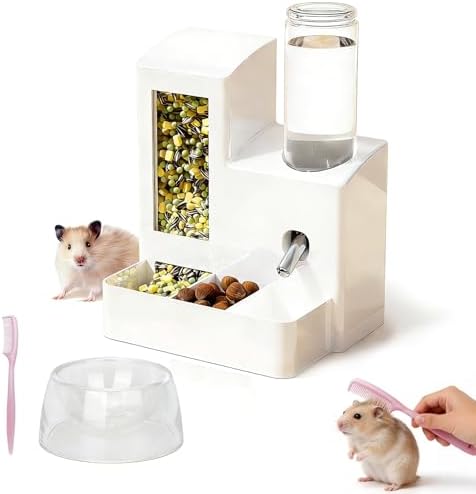
Food, Water, and Sanitation Stations
Stations for food, water, and sanitation are necessary in a hamster cage. They should be placed to maximize space while keeping the cage clean and organized. For instance, a water bottle should be positioned to minimize spillage, and a food dish should be stable and easy to clean.
| Feature | Consideration | Impact on Usable Space |
|---|---|---|
| Hamster Wheel | Size and stability | Reduces floor space |
| Nesting Areas | Size and number | Occupies floor or shelf space |
| Multi-Level Design | Number of levels and connectivity | Increases overall usable space |
| Food and Water Stations | Placement and design | Can optimize or reduce floor space |
By thoughtfully considering these features, you can design a hamster cage that meets proper size guidelines. This ensures your pet has a happy and healthy environment.



Signs Your Hamster’s Cage Is Too Small
A hamster’s cage that is too small can lead to a range of behavioral and health issues. Recognizing the signs of an inadequately sized cage is critical for ensuring your pet’s well-being.
Stress Behaviors to Watch For
Hamsters in small cages often exhibit stress behaviors. According to the American Society for the Prevention of Cruelty to Animals (ASPCA), stress in pets can manifest in various ways, including excessive grooming, pacing, and aggression. If your hamster is displaying these behaviors, it may be a sign that their cage is too small.
Physical Symptoms of Inadequate Space
Physical symptoms can also indicate that a hamster’s cage is too cramped. These include obesity due to lack of exercise, and health issues related to poor ventilation or inadequate temperature regulation. Ensuring your hamster has enough space to move around can help prevent these issues.
Activity Level Changes
A decrease in activity level can be a sign that your hamster’s cage is too small. Hamsters are naturally active animals and need space to run, play, and exercise. If your hamster seems lethargic or less active than usual, consider whether their cage provides sufficient room for movement.
Cage Aggression and Escape Attempts
Aggression towards the cage or attempts to escape are strong indicators that your hamster feels confined. This behavior can lead to injury or stress for your pet. Providing a larger cage or enriching the current environment with toys and tunnels can help alleviate these behaviors.
| Signs | Description | Possible Solution |
|---|---|---|
| Stress Behaviors | Excessive grooming, pacing, aggression | Enlarge the cage or add enrichment activities |
| Physical Symptoms | Obesity, poor health due to inadequate ventilation or temperature regulation | Improve cage ventilation, ensure adequate space for exercise |
| Activity Level Changes | Lethargy, reduced activity | Increase cage size, add toys and exercise opportunities |
| Cage Aggression and Escape Attempts | Aggression towards the cage, attempts to escape | Provide a larger cage or enrich the current cage environment |
By being aware of these signs and taking appropriate action, you can help ensure your hamster lives a happy and healthy life. Upgrading to a larger cage or modifying the existing one to better meet your hamster’s needs can make a significant difference in their overall well-being.
How to Upgrade Your Hamster’s Cage Size
Enhancing your hamster’s living space can dramatically improve their well-being. A larger cage offers ample room for exercise, reduces stress, and mimics their natural environment.
Transitioning to a Larger Habitat
Transitioning to a bigger cage must be done gradually to avoid stressing your hamster. Begin by placing the new cage adjacent to the old one. This allows your hamster to familiarize itself with the new surroundings. Subsequently, transfer your hamster to the new cage, ensuring it’s clean and stocked with familiar toys and accessories.
Connecting Multiple Cages Safely
Connecting multiple cages requires careful consideration to ensure safety. Use hamster-safe materials and avoid narrow passages that could pose a risk of injury.
Budget-Friendly Expansion Options
Expanding your hamster’s space doesn’t have to be expensive. Explore DIY options or repurpose items like plastic storage bins or wooden crates to enhance their habitat.
DIY Cage Size Improvements
For a creative approach, consider building or modifying a hamster cage yourself. Utilize materials such as wire mesh, PVC pipes, and wooden boards to craft a spacious and unique habitat.
Recommended Commercial Cages by Size Category
Choosing the right hamster cage is vital for your pet’s well-being. The size of the cage significantly impacts their health and happiness. The market offers a wide range of sizes, making it essential to explore various categories to find the perfect home for your hamster.
Budget-Friendly Large Options
For those on a budget, several large cages are available without compromising quality. Brands like Prevue Pet Products and Kaytee provide spacious cages with multiple levels and accessories. These cages offer ample space for hamsters to roam and play. They typically range from 24 to 30 inches in length and 12 to 18 inches in width, meeting the minimum size requirements recommended by hamster care experts.
Premium Spacious Habitats
Investing in a high-quality cage offers superior space and features. The Exotic Nutrition Exo Terra Hamster Cage is a favorite among hamster enthusiasts. It provides a large, well-ventilated environment with plenty of room for accessories and toys. These premium cages often feature advanced designs, such as modular systems and secure locking mechanisms.
Best Expandable Systems
Expandable cage systems offer flexibility and customization options. Brands like Modular Habitats provide kits that allow you to connect multiple cages, creating a hamster playground. These systems are ideal for hamster owners who want to provide a varied and stimulating environment.
Space-Efficient Designs for Small Homes
For hamster owners in small apartments or with limited space, there are cage designs that maximize vertical space or have compact footprints. The Ferplast Hamster Cage is an example of a space-efficient design that offers ample room for hamsters to move around. These cages are perfect for urban dwellers who want to provide a comfortable home for their pets without sacrificing too much space.


Creating the Perfect Sized Home for Your Hamster
Choosing the right hamster cage size is critical for your pet’s health and happiness. The size needed varies by species, with Syrian hamsters needing more space than dwarf varieties. Ensuring the cage size meets these requirements is vital for your hamster’s physical and mental well-being.
Understanding the significance of cage size and applying the guidelines can create a nurturing environment. Organizations like the American Society for the Prevention of Cruelty to Animals (ASPCA) and the American Pet Products Association (APPA) support evidence-based pet care. They stress the importance of appropriate housing.
Ultimately, providing a spacious and well-designed cage is key to responsible hamster ownership. By prioritizing your pet’s needs and making informed decisions, you can foster a strong bond. This promotes a happy and healthy relationship between you and your hamster.
FAQ
What is the minimum recommended cage size for a hamster?
How does cage size affect my hamster’s physical health?
What are the ideal dimensions for a hamster cage?
Can I keep multiple hamsters in the same cage?
How often should I clean my hamster’s cage?
Are there specific cage size recommendations for different hamster species?
What features should I look for when choosing a hamster cage?
Can I use a DIY bin cage for my hamster?
How can I measure my hamster’s cage correctly?

References:
This article was created based on information from the following authoritative sources: American Society for the Prevention of Cruelty to Animals (ASPCA) and Royal Society for the Prevention of Cruelty to Animals (RSPCA).